 40G/100G Optical Transceivers
 25G Optical Transceivers
 10G Optical Transceivers
 155M/2.5G Optical Transceivers
 1G Optical Transceivers
 1G BIDI Optical Transceivers
 Dual-Rate Optical Transceivers
 FC 16G/32G Optical Transceivers
 CWDM Optical Transceivers
 DWDM Optical Transceivers
 SGMII Port Optical Transceivers
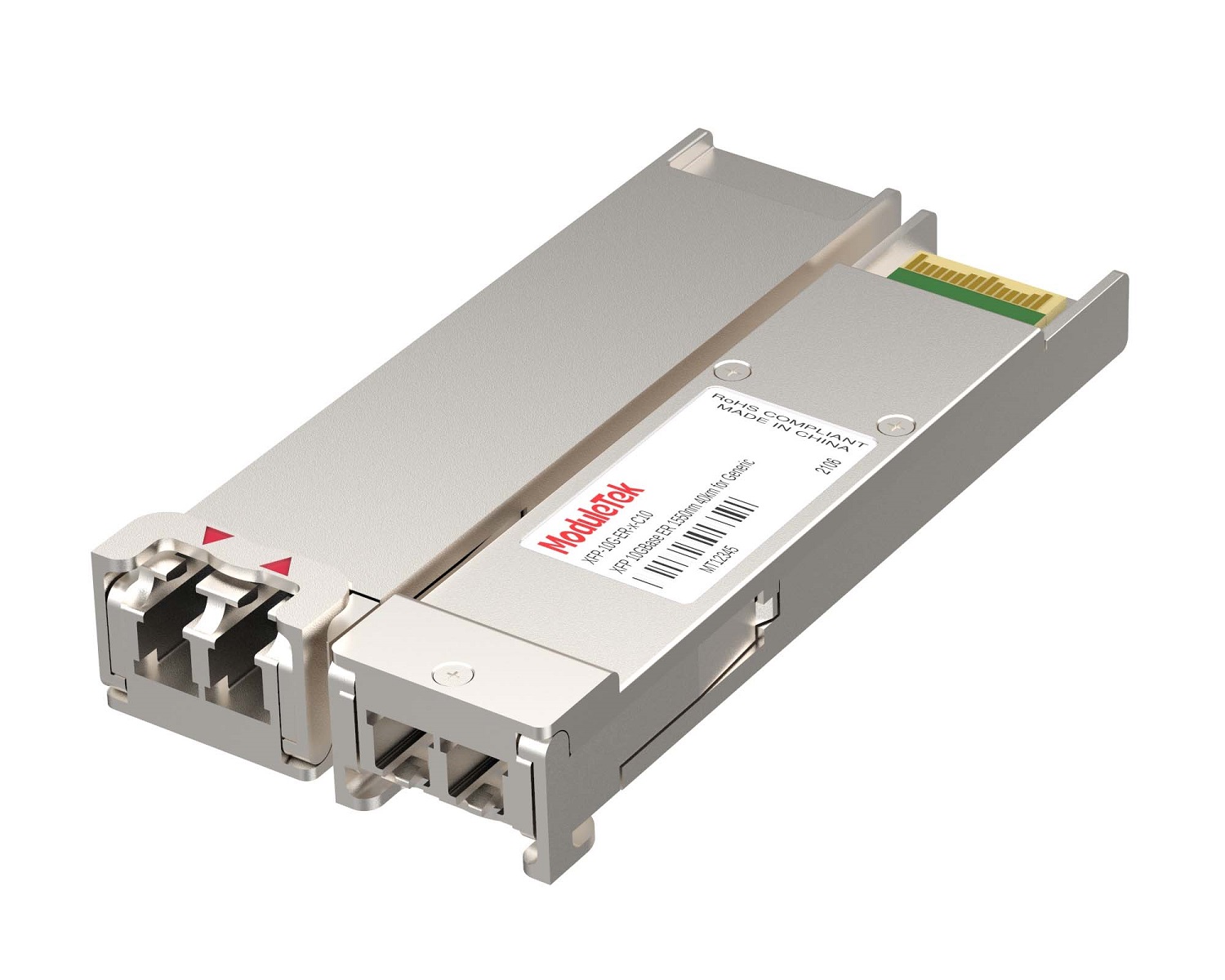 XFP Optical Transceivers
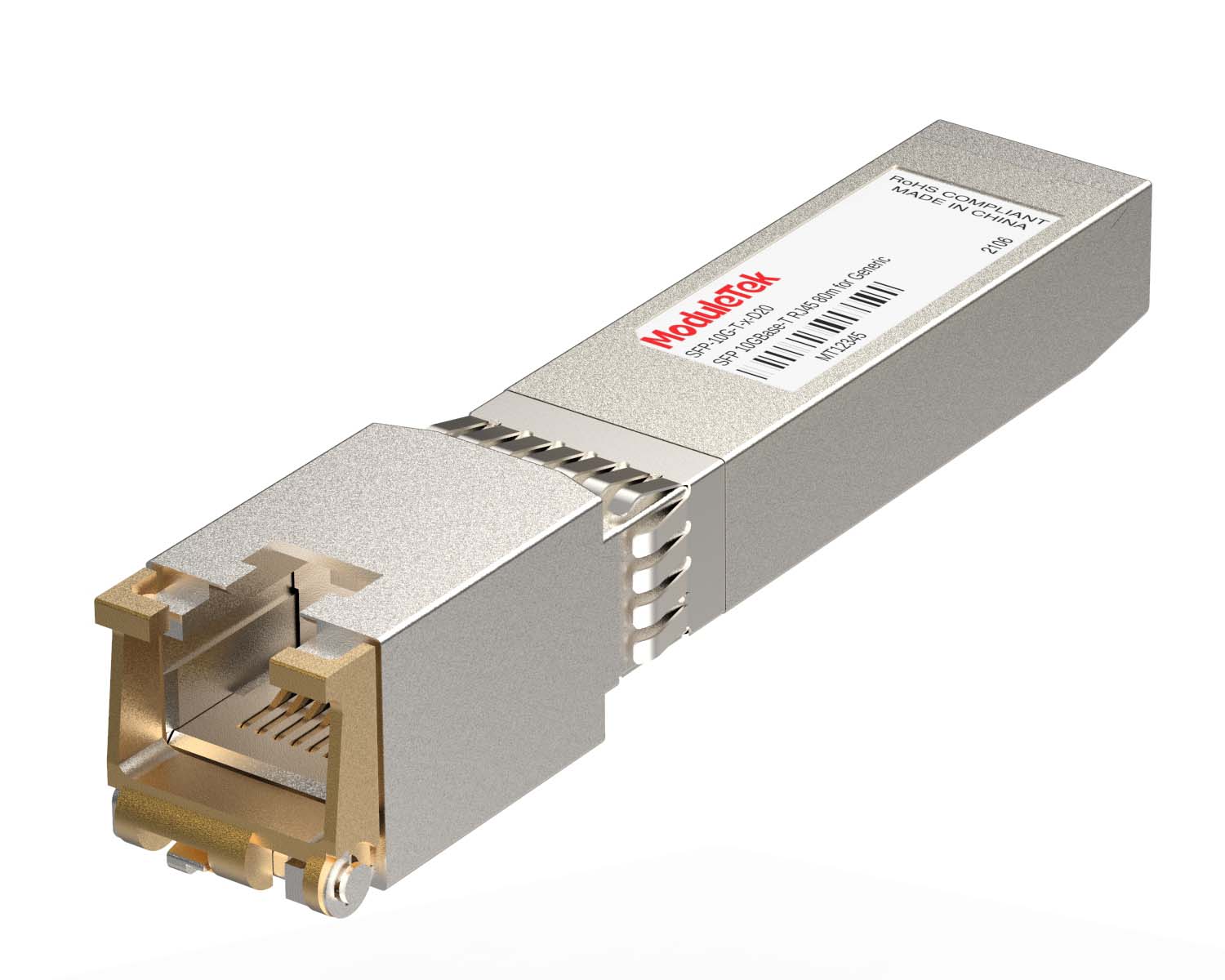 100M/1G/10G Coppers
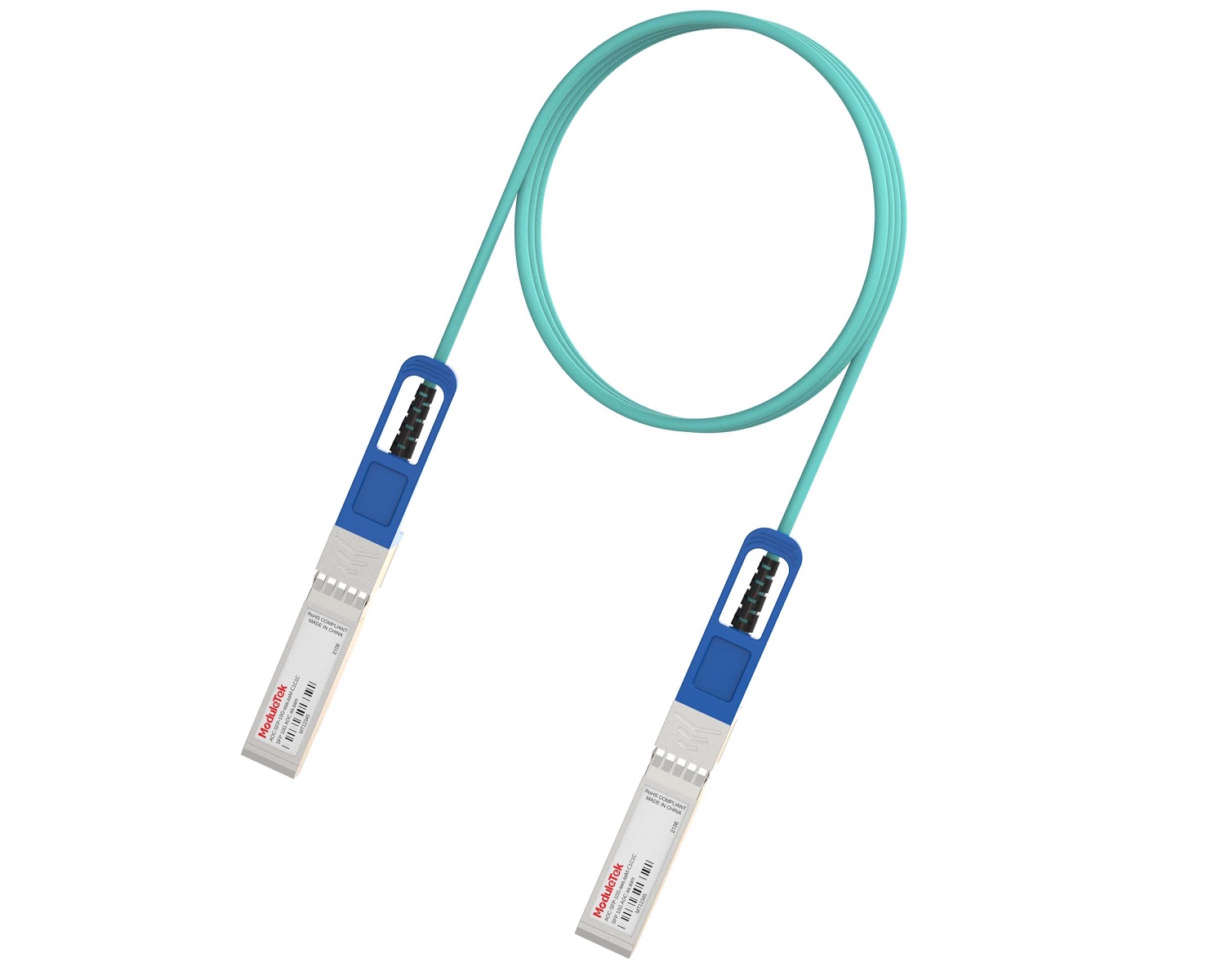 Full-Rate AOC & Breakout Series
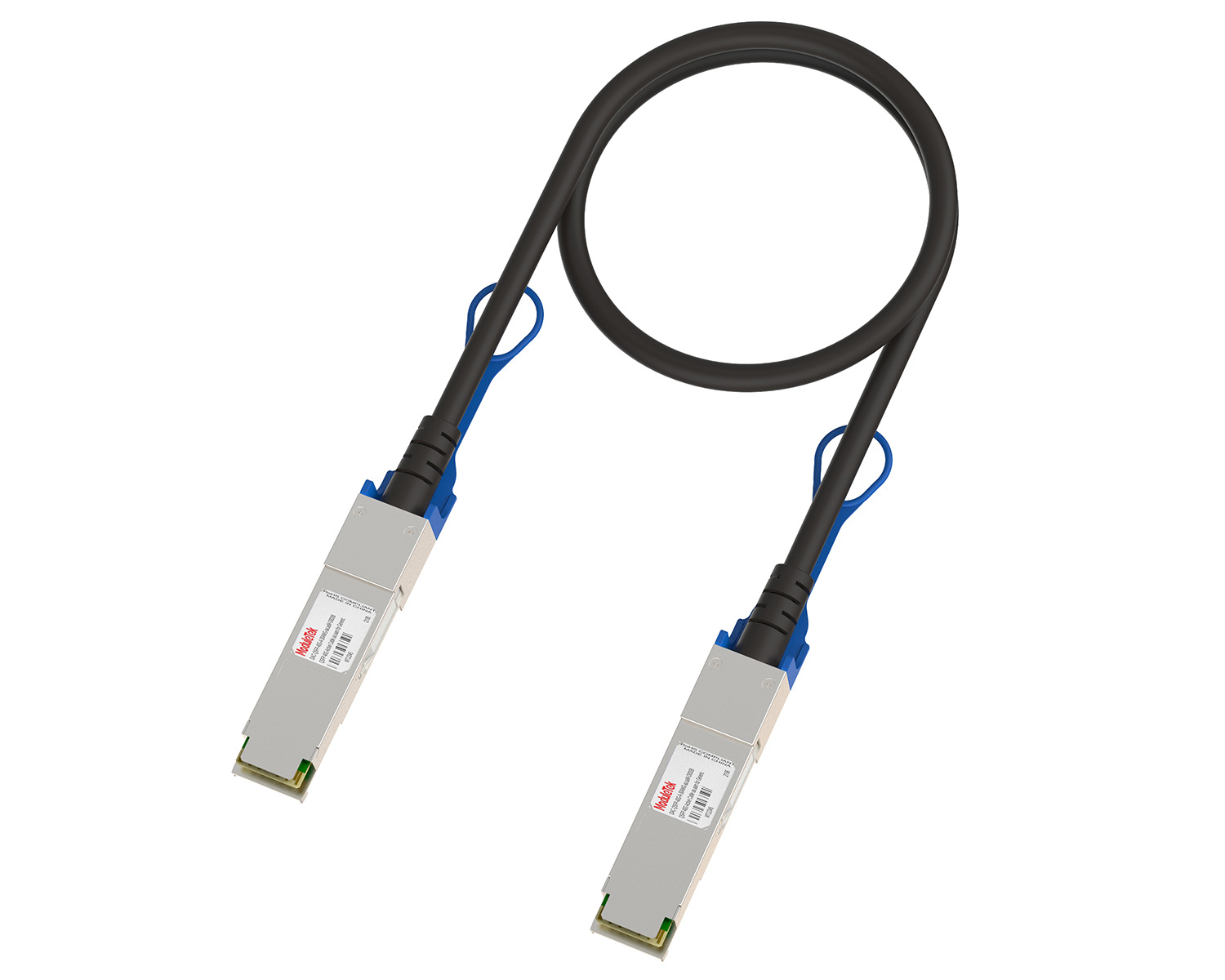 10G/40G Active DAC Series
 Full-Rate Passive DAC Series
 40G/100G Passive Breakout DAC Series
 Regular/MTP-MPO Fiber Patch Cords
 MT2011
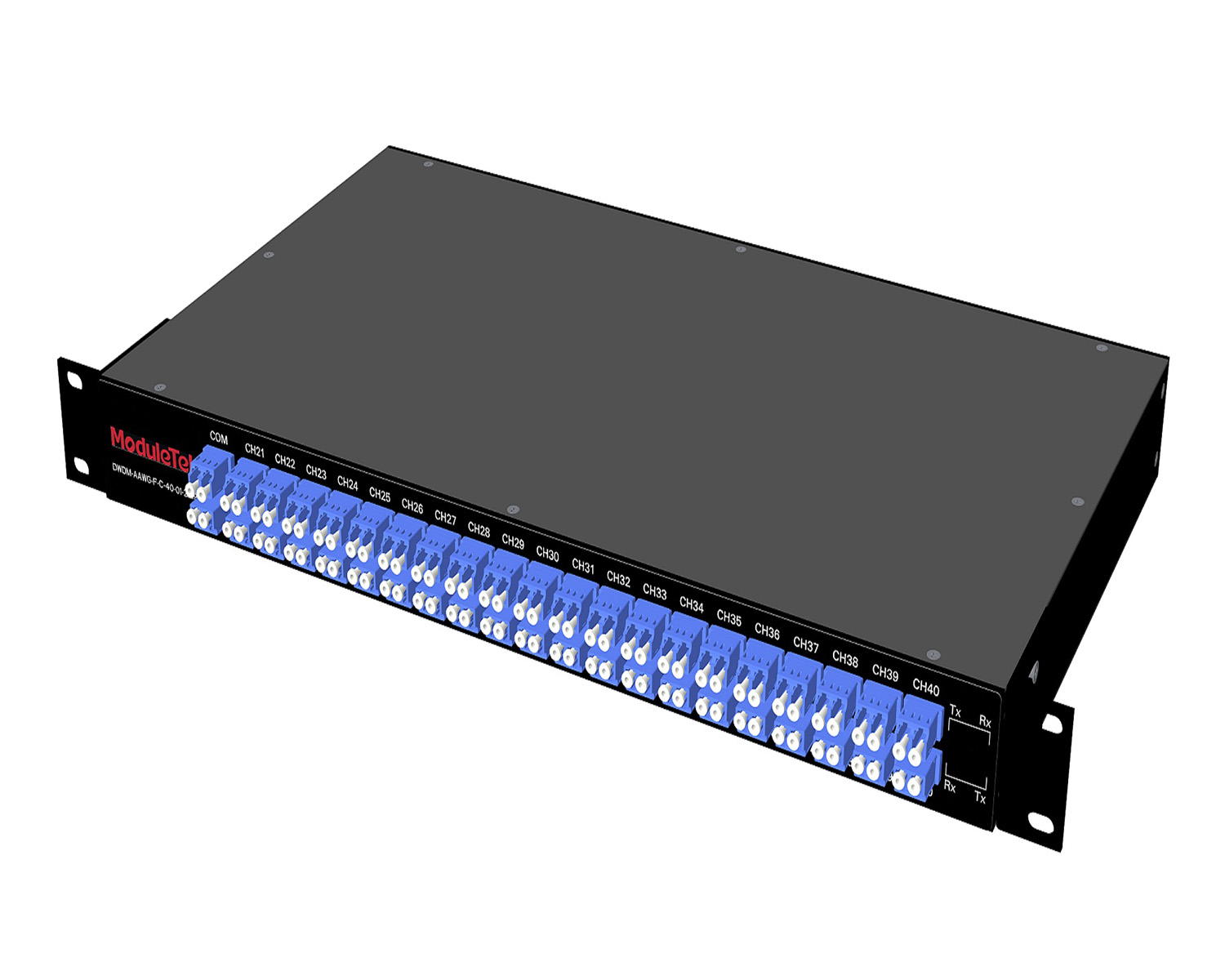 MT2010
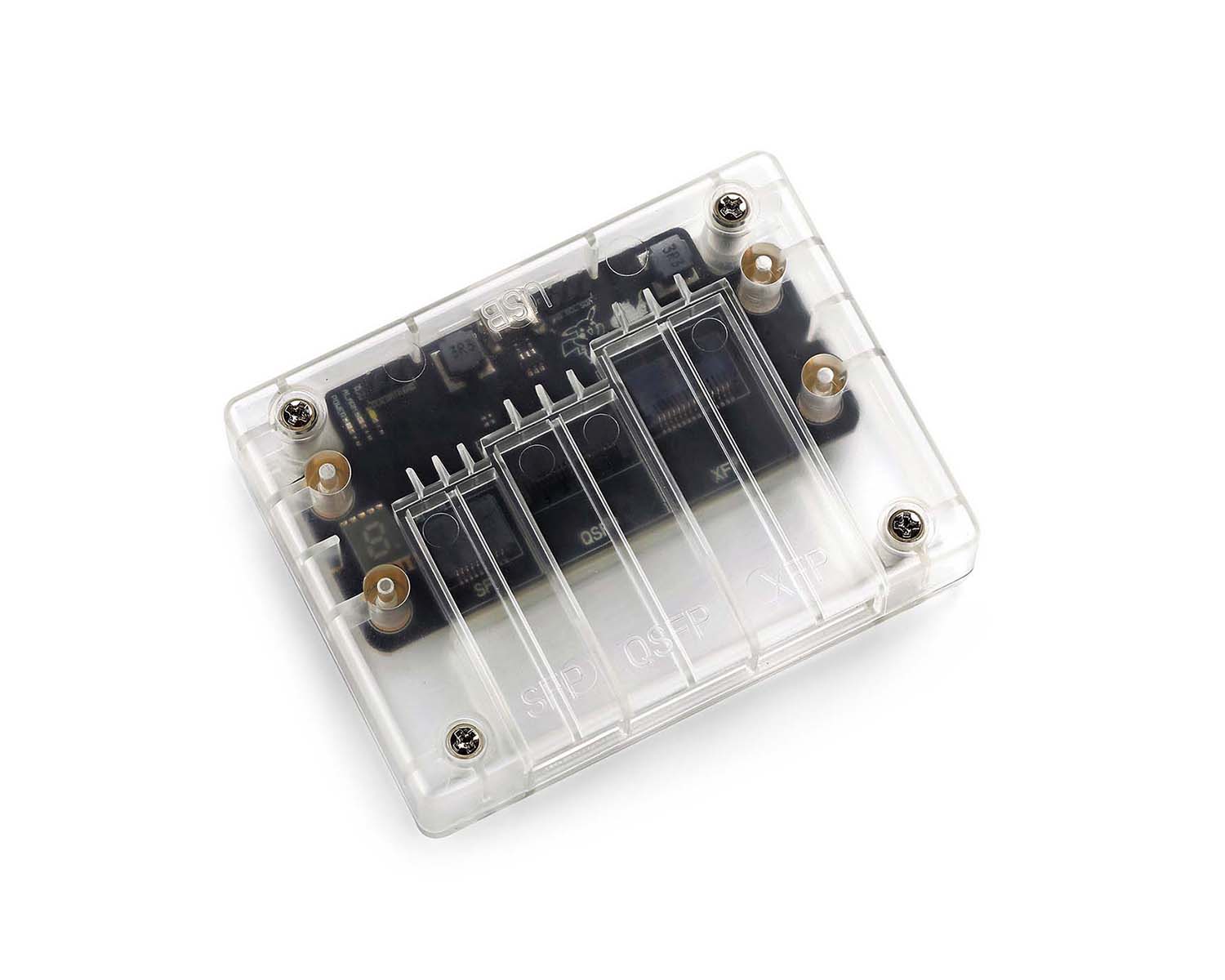 CodingBox
 QSFP to SFP Adapter
 首页 > Home > Application Notes > How To Query Module Thresholds And Real-Time Digital Diagnostic Data Via CodingBox
How To Query Module Thresholds And Real-Time Digital Diagnostic Data Via CodingBox
Time: 2023-05-19
CodingBox Cloud Editor is an optical transceiver coding tool independently developed by ModuleTek, supporting matched use with EzCoding software. It is lightweight and user-friendly, with functions including opening and saving coding files, transceiver programming, MSA analysis of encoded data, querying module thresholds and real-time digital diagnostic data.
DOM parameters are critical for judging optical transceiver performance. Users can quickly query module thresholds and real-time diagnostic data through CodingBox. The operation process is as follows:
I. Preparation
• CodingBox Cloud Editor;
• Optical transceiver (SFP-10G-LR used in this test)
• Fiber patch cord (single-mode fiber)
• Computer
II. Operation Steps
1. Build Test Environment
• Connect CodingBox to the computer with a USB cable. Under normal connection, the top-left indicator turns green and shows number 1.
• Insert the SFP-10G-LR module into the SFP port of CodingBox, and connect the TX and RX ends of the module with single-mode fiber.
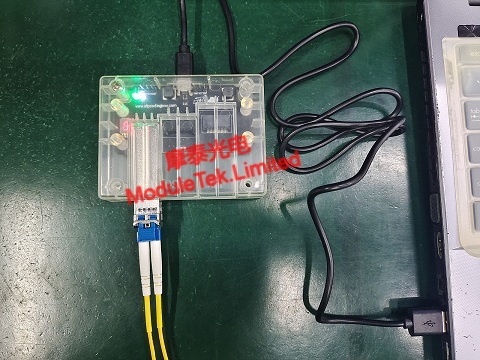
Figure 1 Test Environment
2. Run EzCoding Software
• When no module is inserted, the left TextBoard turns blue and displays NONE.
• After inserting the module, TextBoard turns green and recognizes the module type as SFP automatically. WorkType defaults to SFP mode.
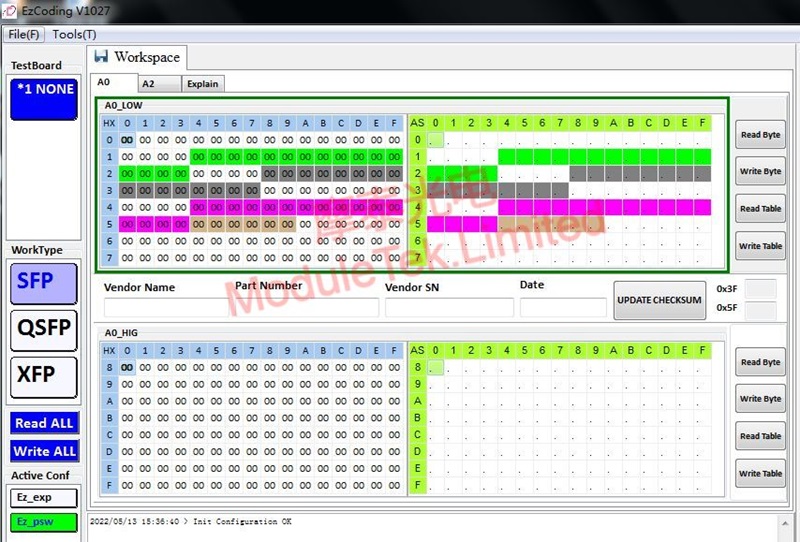
Figure 2 EzCoding Interface
3. DOM reading interface Instructions
This interface is only displayed when a module is connected.
• Module threshold limits: Automatically display the threshold ranges of temperature, voltage, bias current, transmit optical power and receive optical power according to the A2LOW area data of the module.
• Real-time DDM data: Sequence Read is enabled by default to obtain continuous DOM real-time values. You can uncheck continuous reading and click Read DOM to get single DOM data. Optical power defaults to uW, and can be switched to dBm by checking Unit dBm.
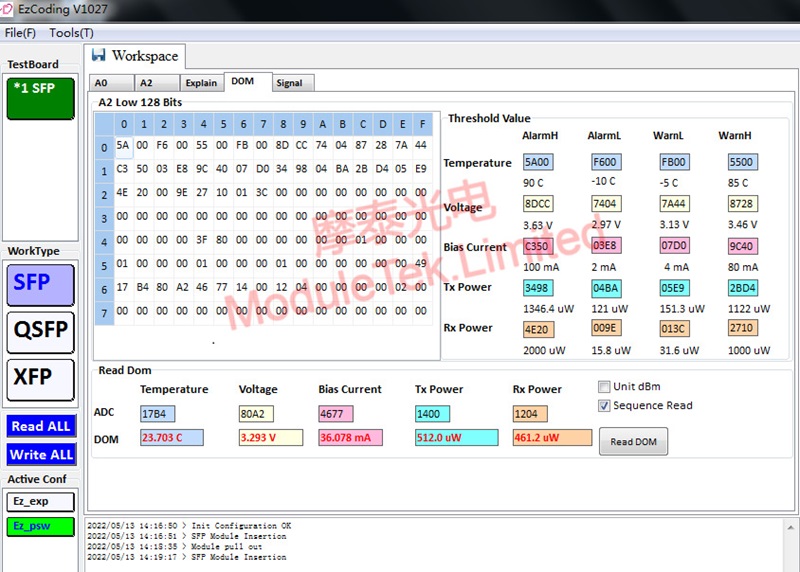
Figure 3 DOM Reading Interface
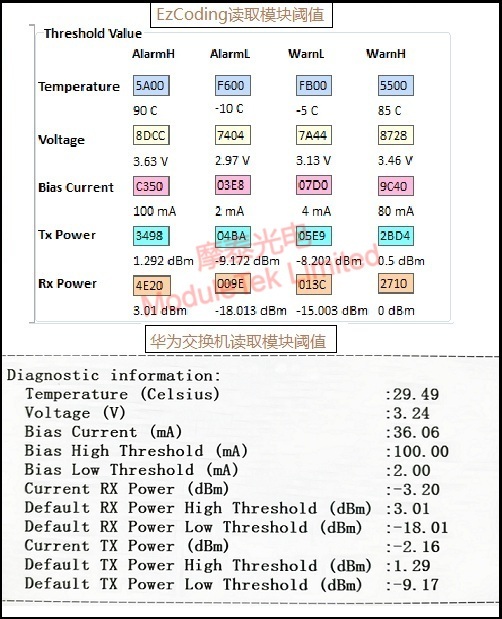
Figure 4 DOM Data Comparison with Huawei Switch Reading Result
Moduletek provides CodingBox editor and supporting EzCoding software.
For further inquiries about the above content, please contact us at: sales@moduletek.com