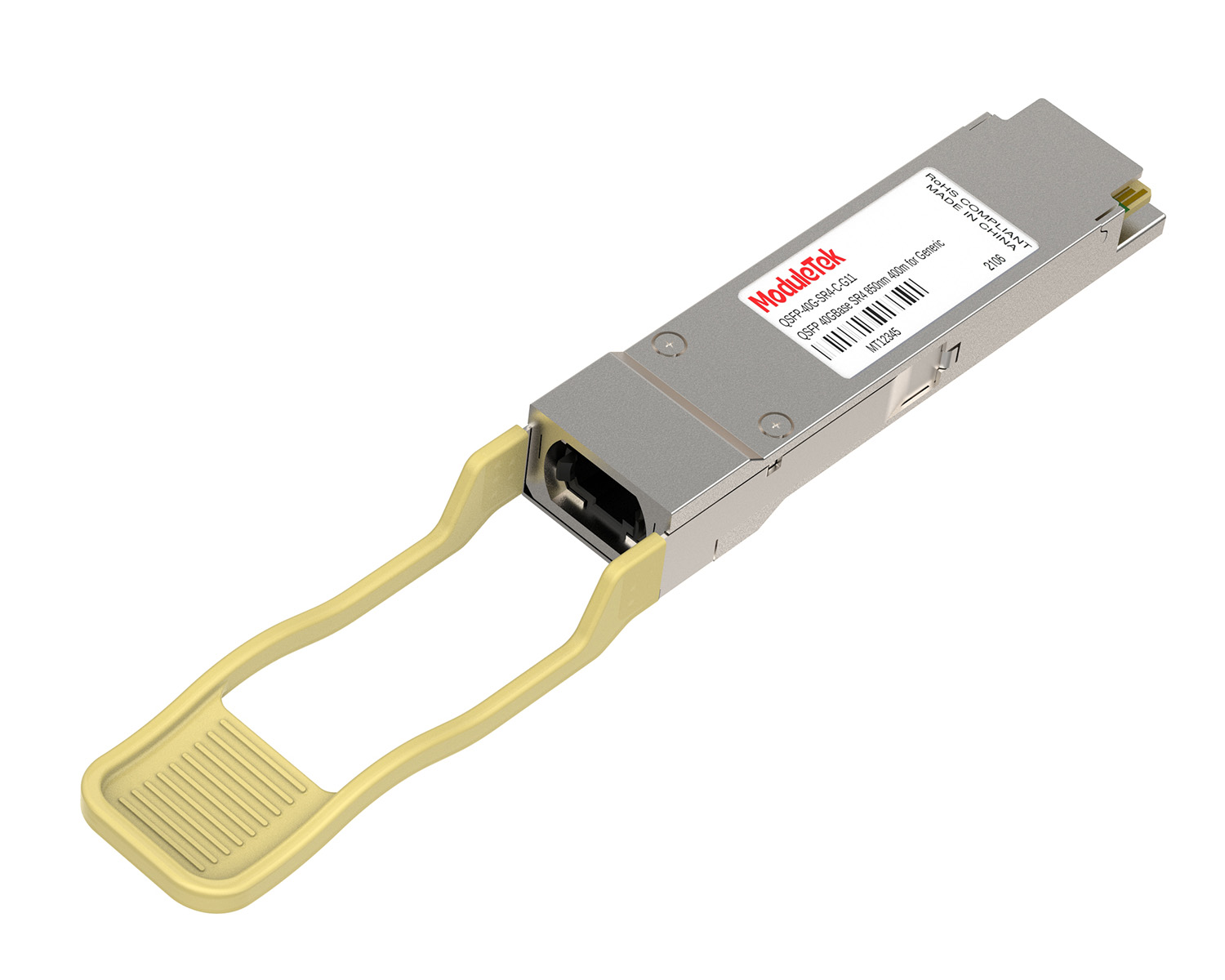
 40G/100G Optical Transceivers
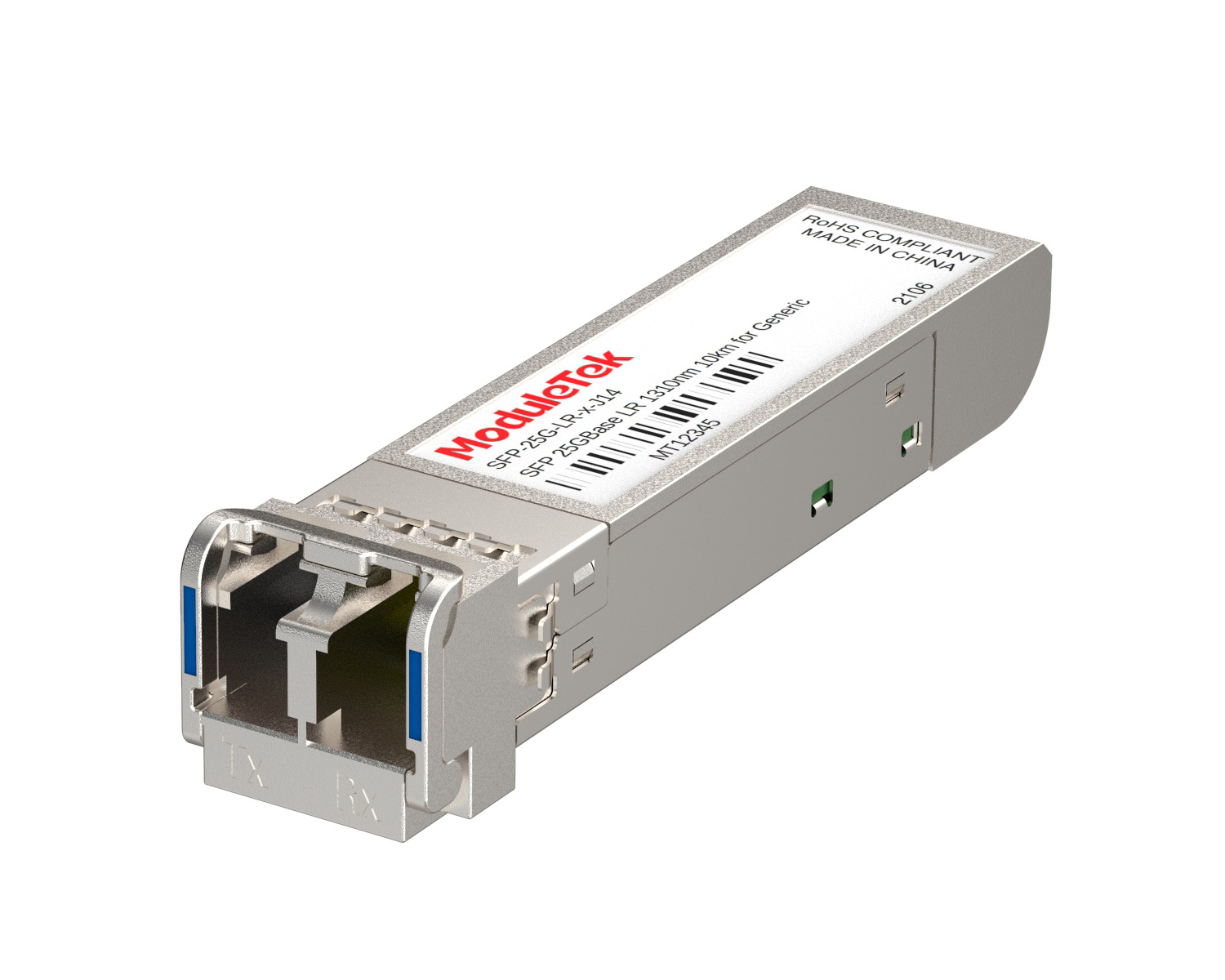 25G Optical Transceivers
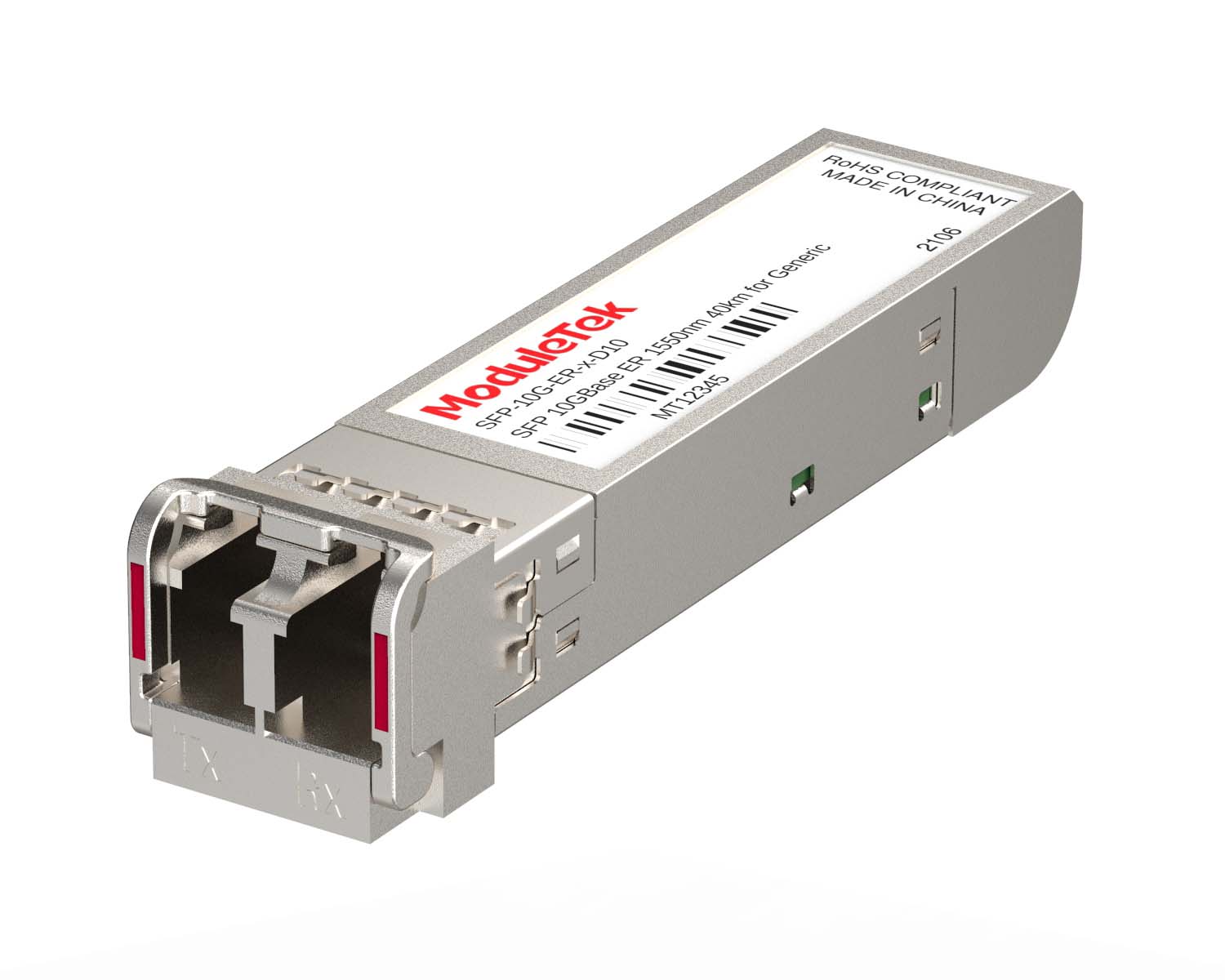 10G Optical Transceivers
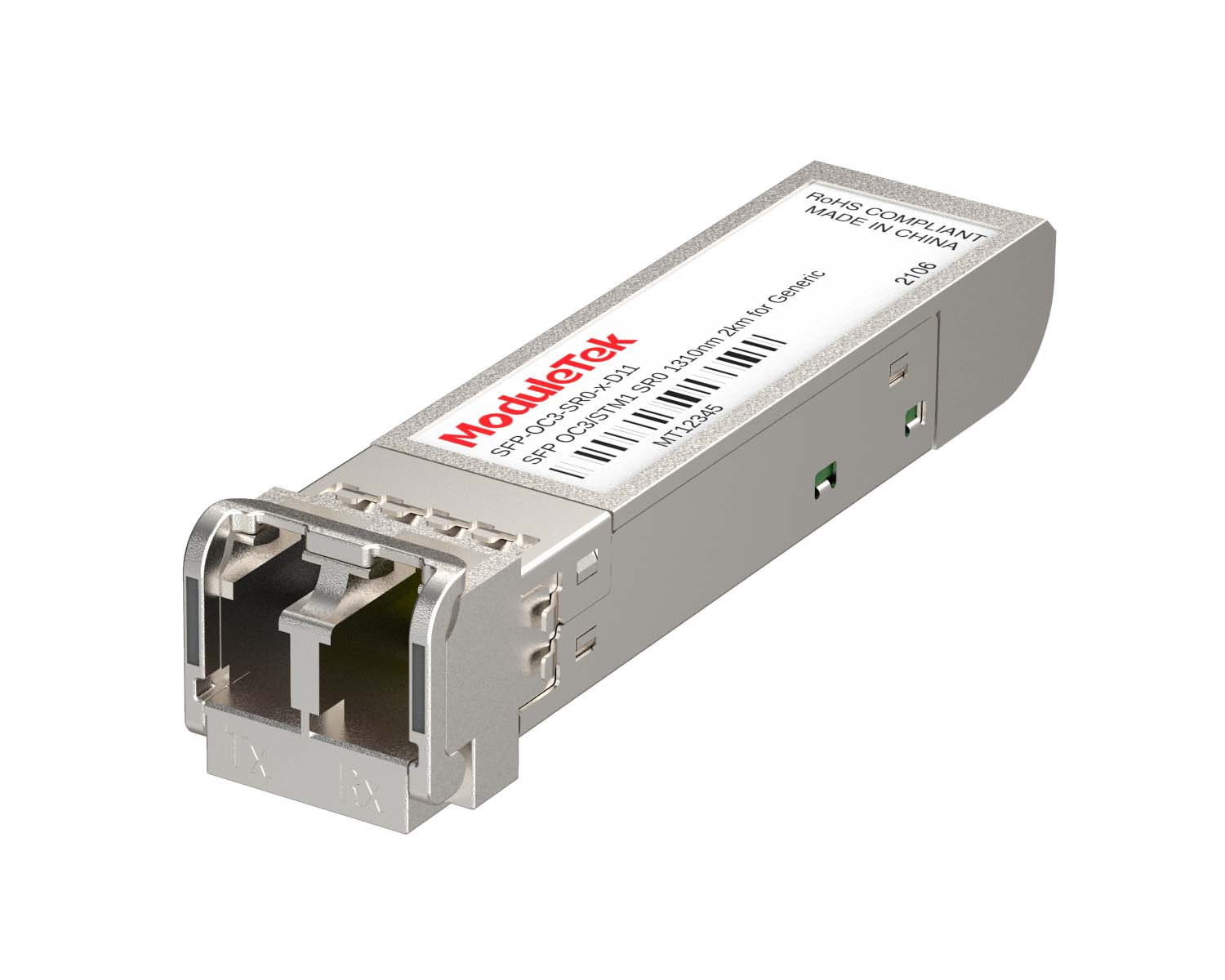 155M/2.5G Optical Transceivers
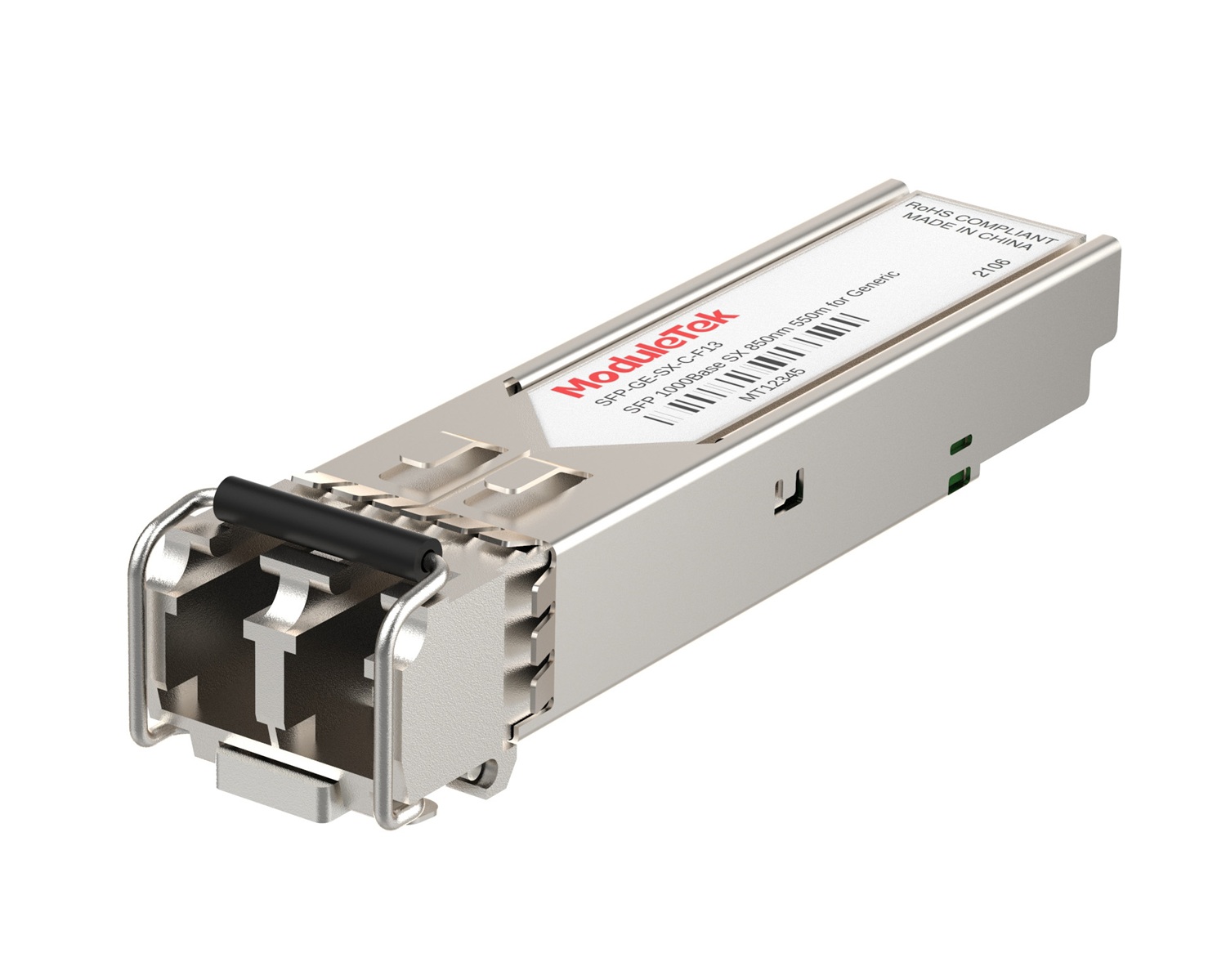 1G Optical Transceivers
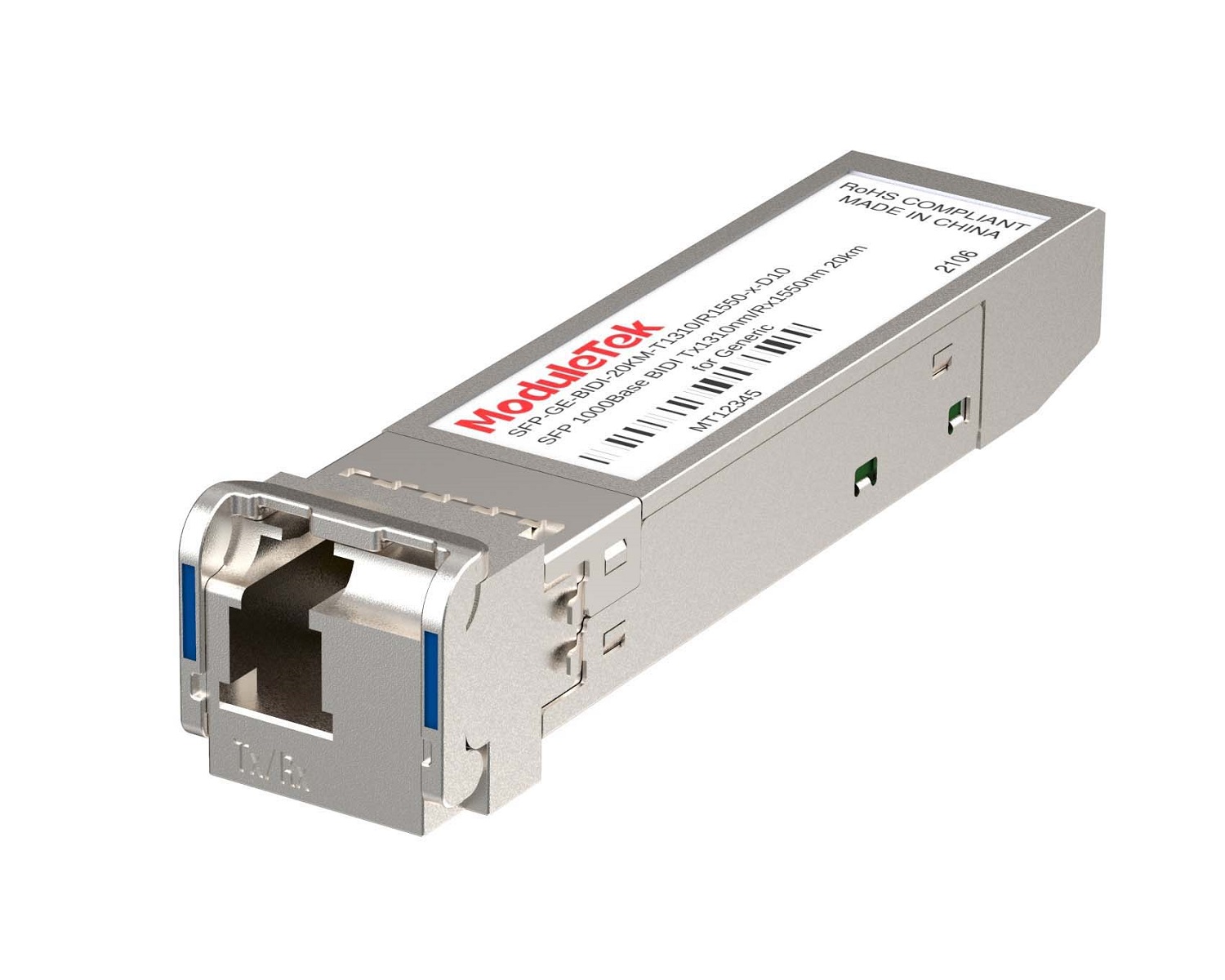 1G BIDI Optical Transceivers
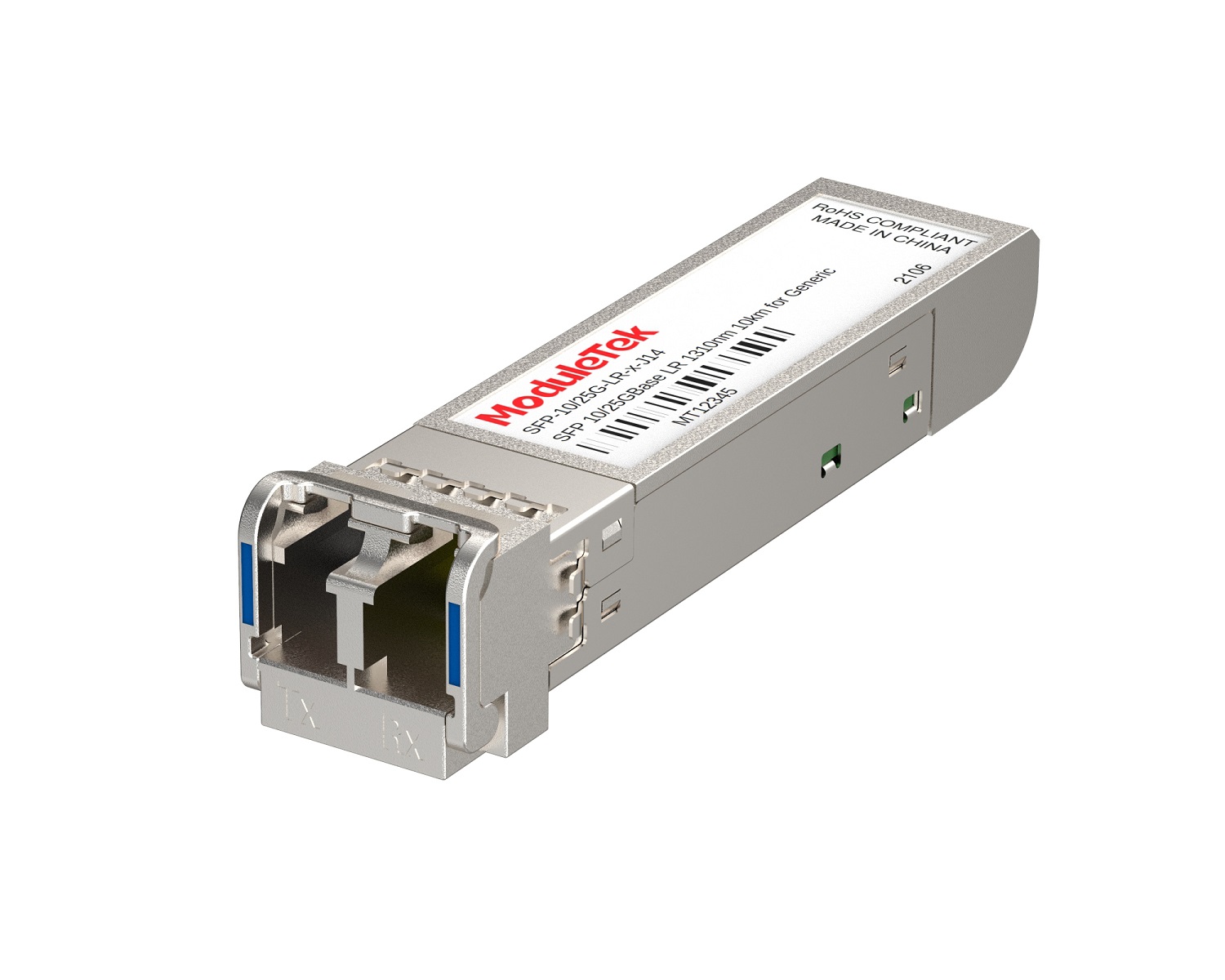 Dual-Rate Optical Transceivers
 FC 16G/32G Optical Transceivers
 CWDM Optical Transceivers
 DWDM Optical Transceivers
 SGMII Port Optical Transceivers
 XFP Optical Transceivers
 100M/1G/10G Coppers
 Full-Rate AOC & Breakout Series
 10G/40G Active DAC Series
 Full-Rate Passive DAC Series
 40G/100G Passive Breakout DAC Series
 Regular/MTP-MPO Fiber Patch Cords
 MT2011
 MT2010
 CodingBox
 QSFP to SFP Adapter
 首页 > Home > Application Notes > How To View Port Status And Optical Module Information On Cisco Switches
How To View Port Status And Optical Module Information On Cisco Switches
Time: 2023-03-22
By reading internal parameters of optical transceivers on switches, users can monitor link status, real-time transmit/receive power, operating temperature and other data. It also verifies coding compatibility and locates link faults efficiently.
We connect Moduletek SFP-25G-SR transceiver to Cisco C9300 switch, and demonstrate how to view port status and transceiver details on Cisco devices.
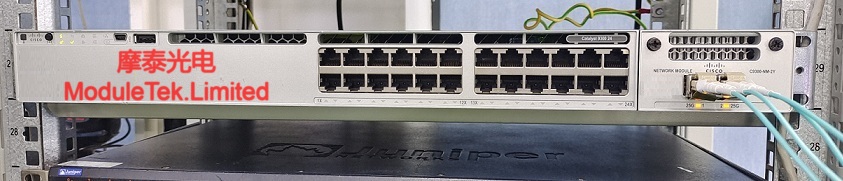
Figure 1 Schematic of Transceiver Connected to Switch
1. Port Link & Transceiver Working Status
Run command:
show interface <interface-type> <interface-number>
It displays port negotiation speed, transceiver type, link status (UP indicates normal link) and traffic statistics for fault analysis.
Note: <interface-type> <interface-number> represents port type and port ID. Run show interface status to query port information. The switch will show all ports if no parameters are entered.
2. Transceiver Identification Information
Run command:
show inventory
It shows device hardware details and transceiver identity data, including model, SN serial number and Cisco compatible specifications stored in module EEPROM.
You can also run the following command to query detailed underlying transceiver coding information:
show idprom interface <interface-type> <interface-number>
3. Transceiver DDM Diagnostic Data
Run command:
show interfaces <interface-type> <interface-number> transceiver detail
It presents real-time DDM values and alarm threshold ranges. Check TX/RX optical power, temperature and bias current to confirm normal operation of transceivers on both ends.
Moduletek provides a full range of optical transceivers compatible with Cisco switches. Welcome to inquire and purchase.
For further inquiries about the above content, please contact us at: sales@moduletek.com