
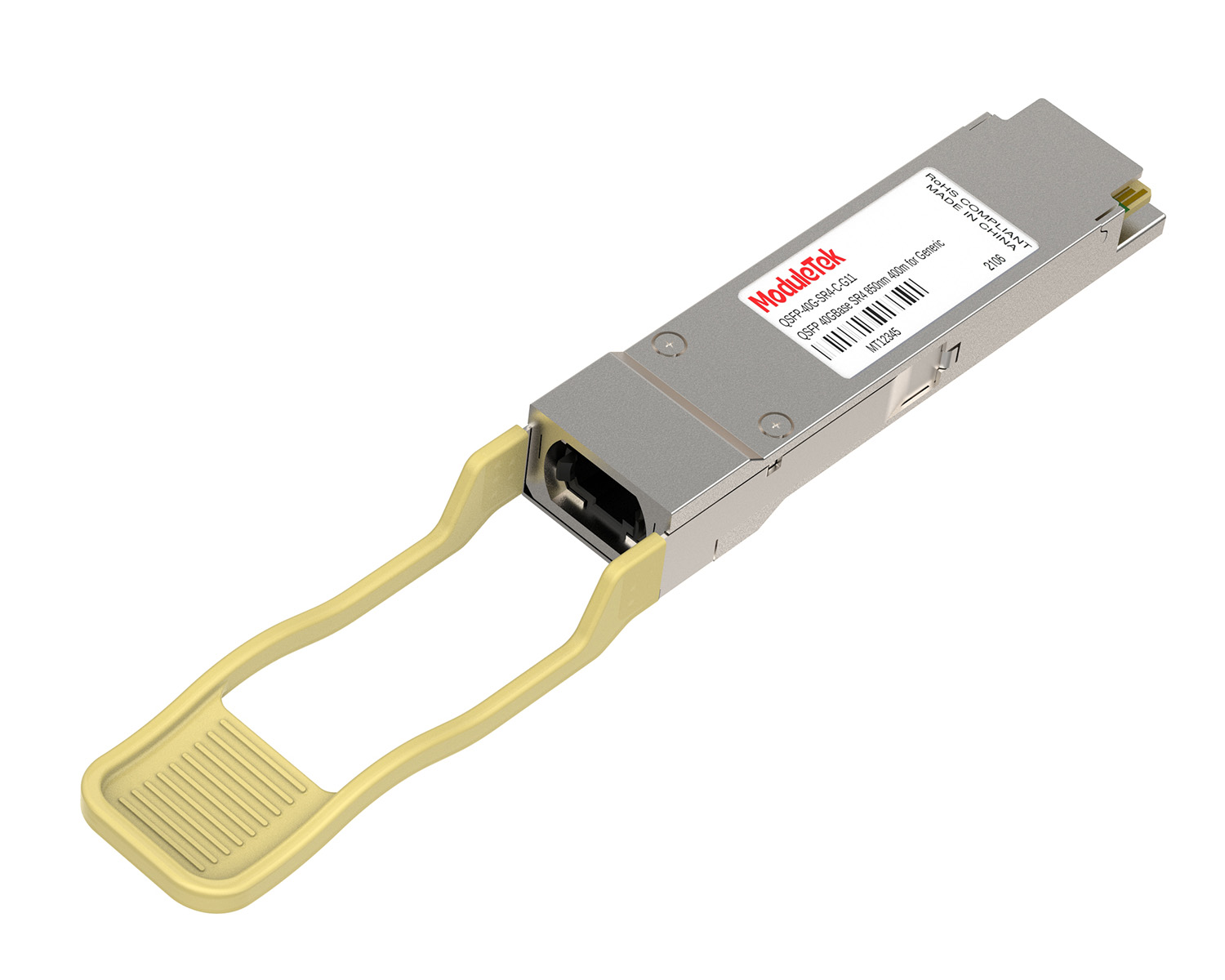
 40G/100G Optical Transceivers
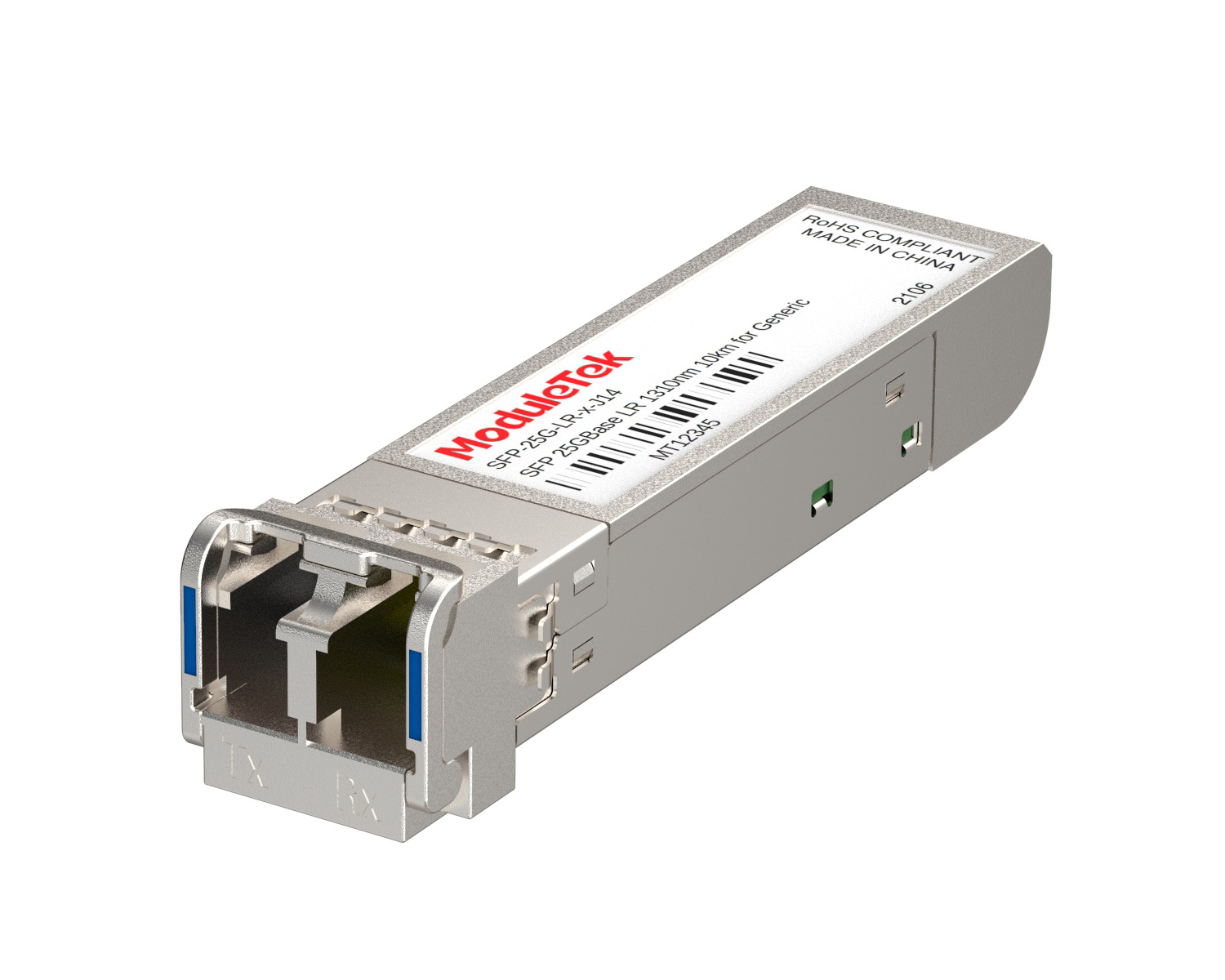 25G Optical Transceivers
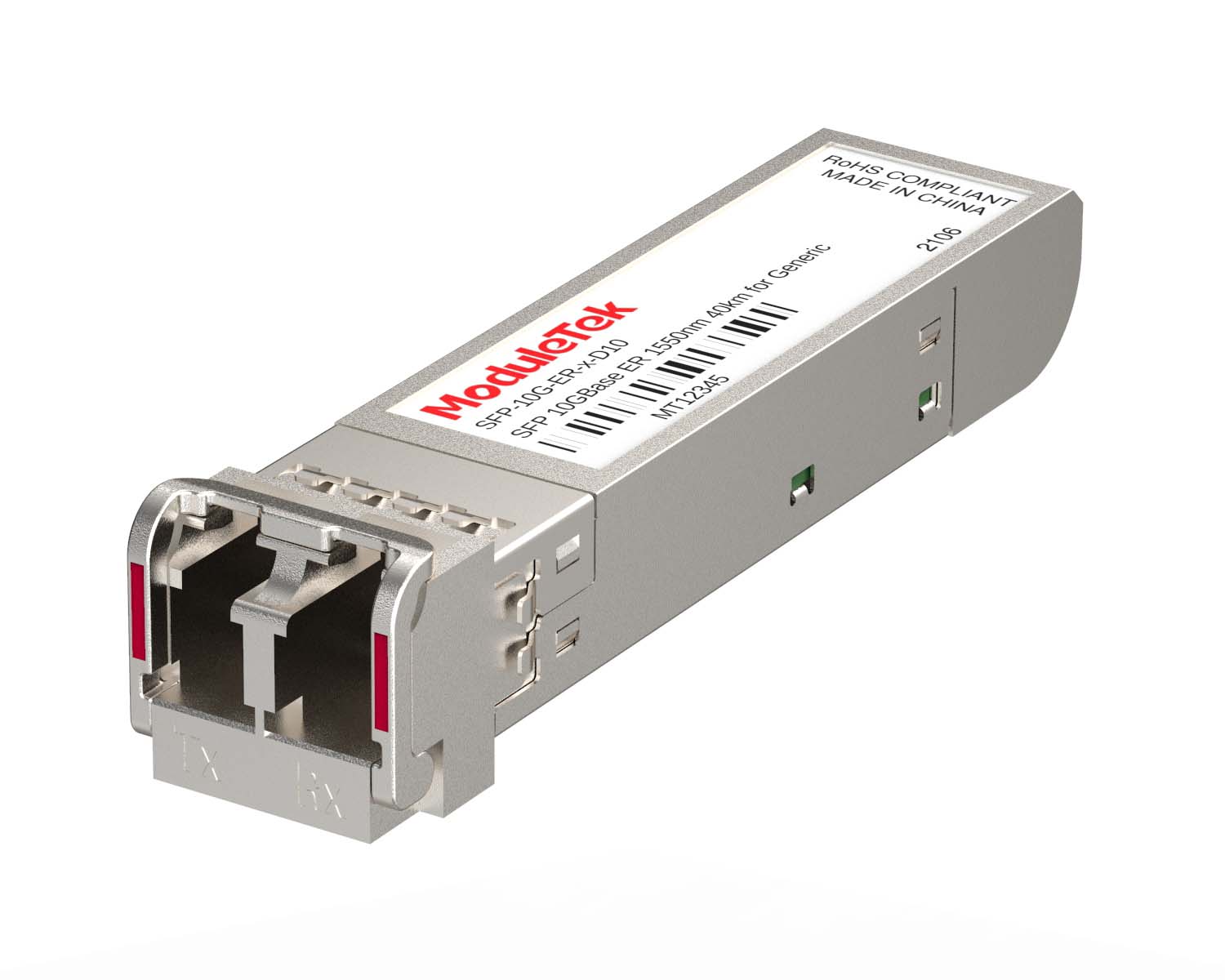 10G Optical Transceivers
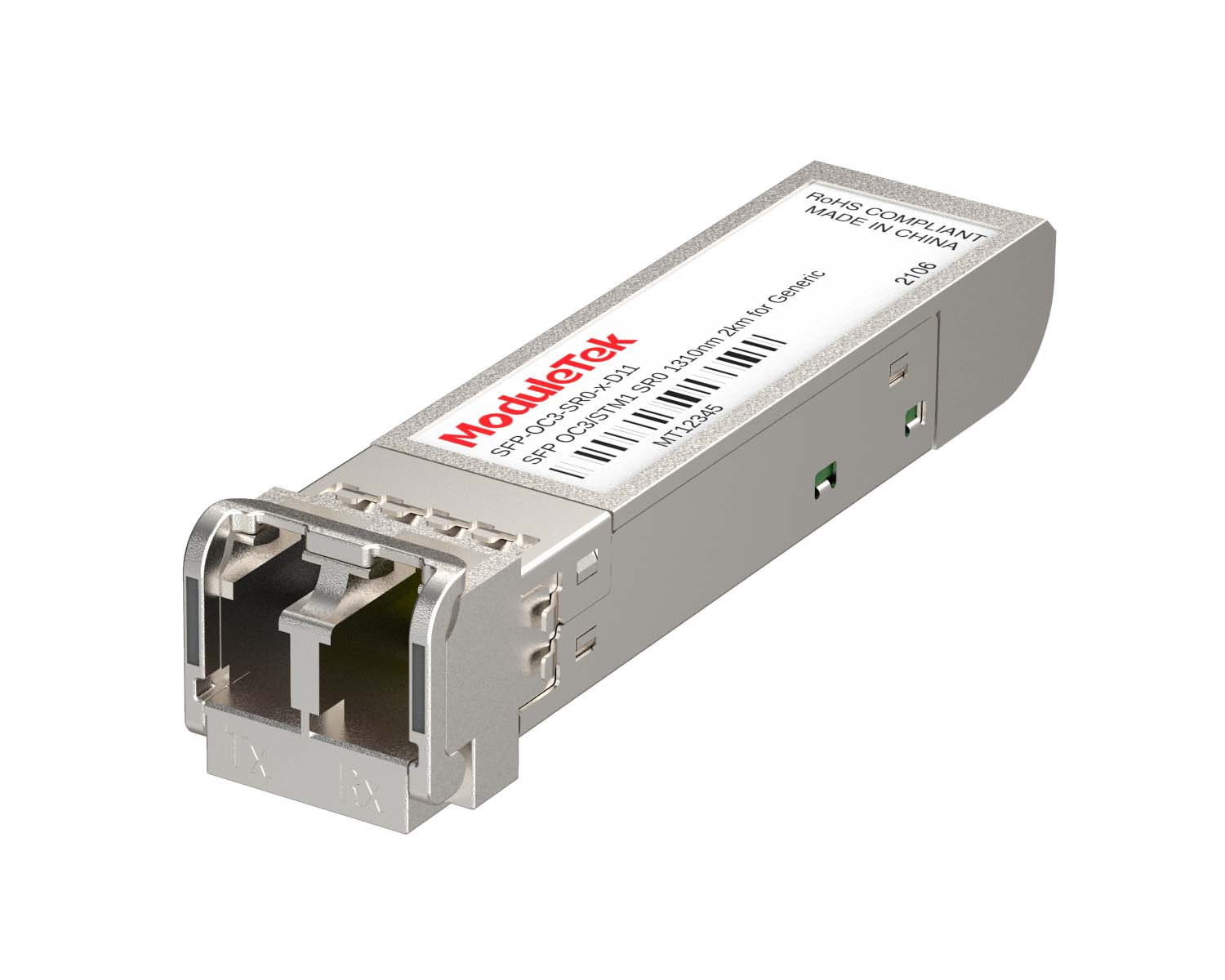 155M/2.5G Optical Transceivers
 1G Optical Transceivers
 1G BIDI Optical Transceivers
 Dual-Rate Optical Transceivers
 FC 16G/32G Optical Transceivers
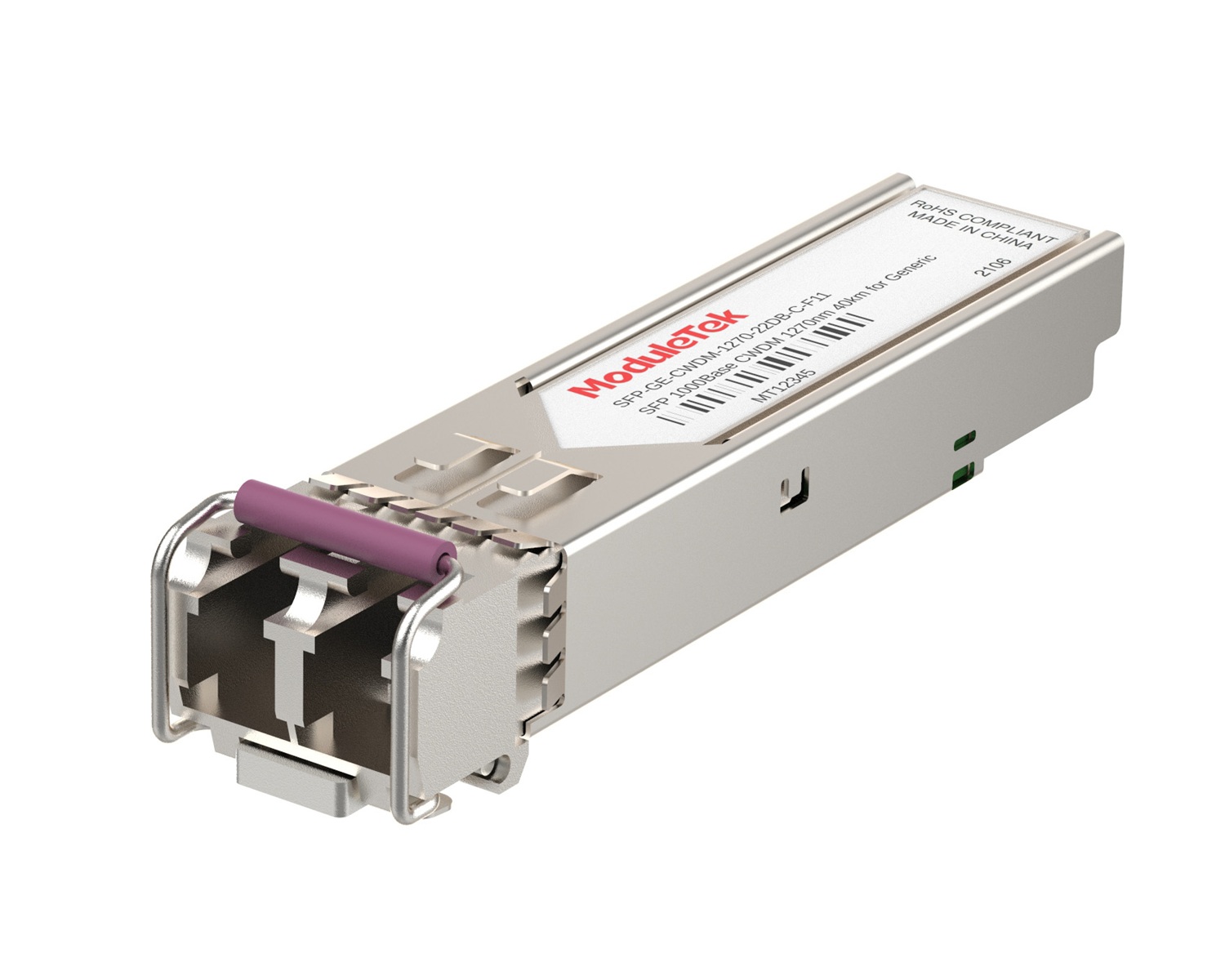 CWDM Optical Transceivers
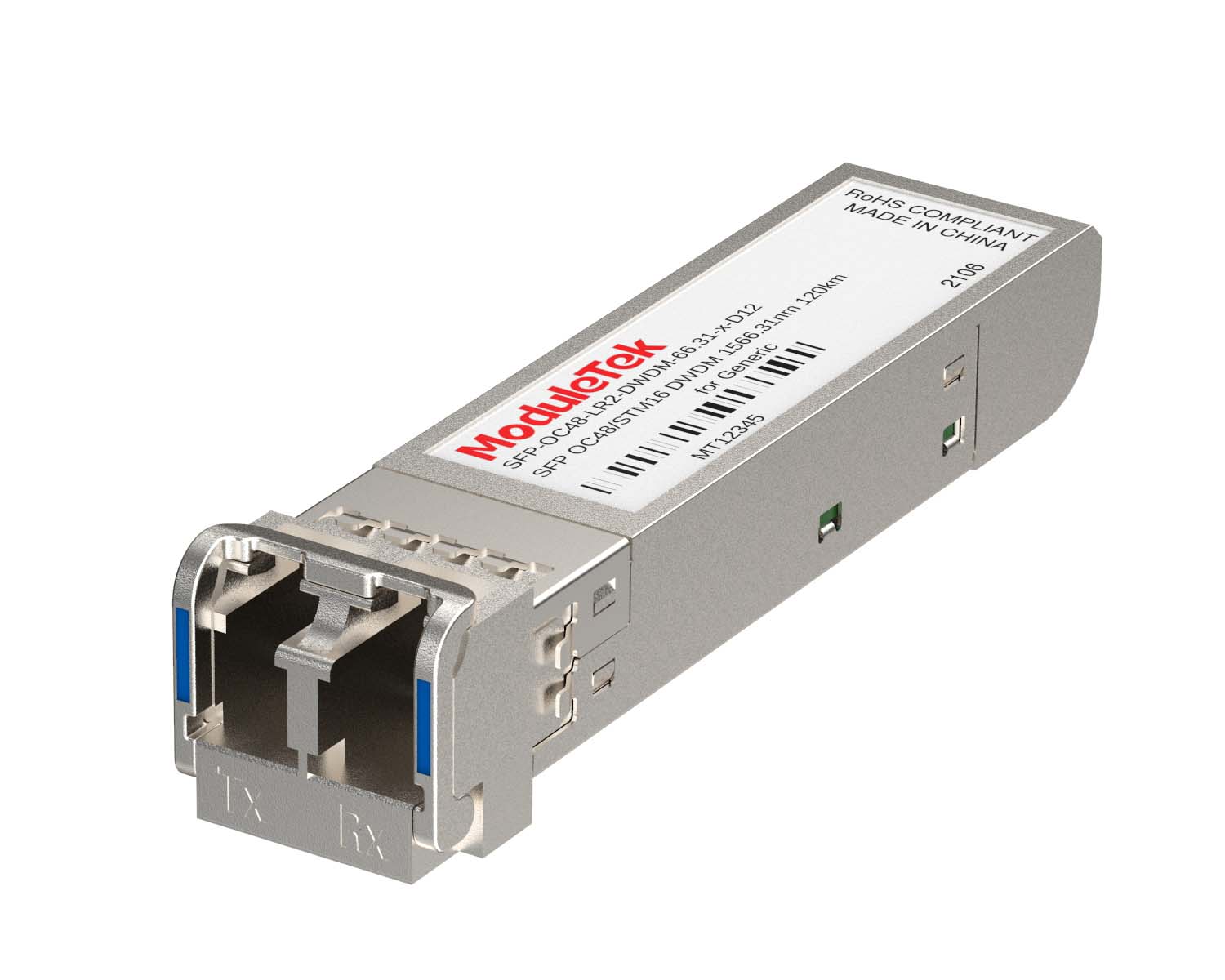 DWDM Optical Transceivers
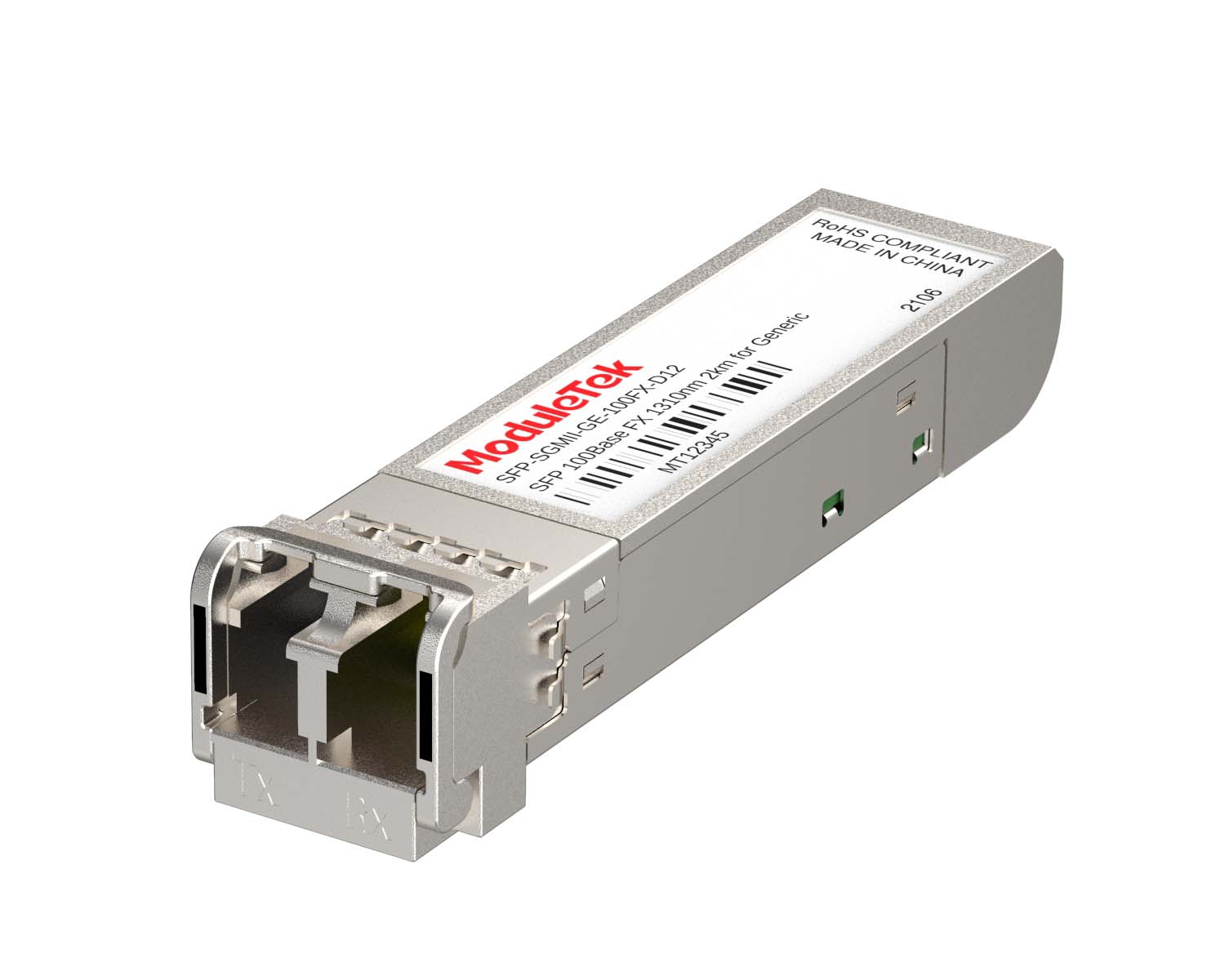 SGMII Port Optical Transceivers
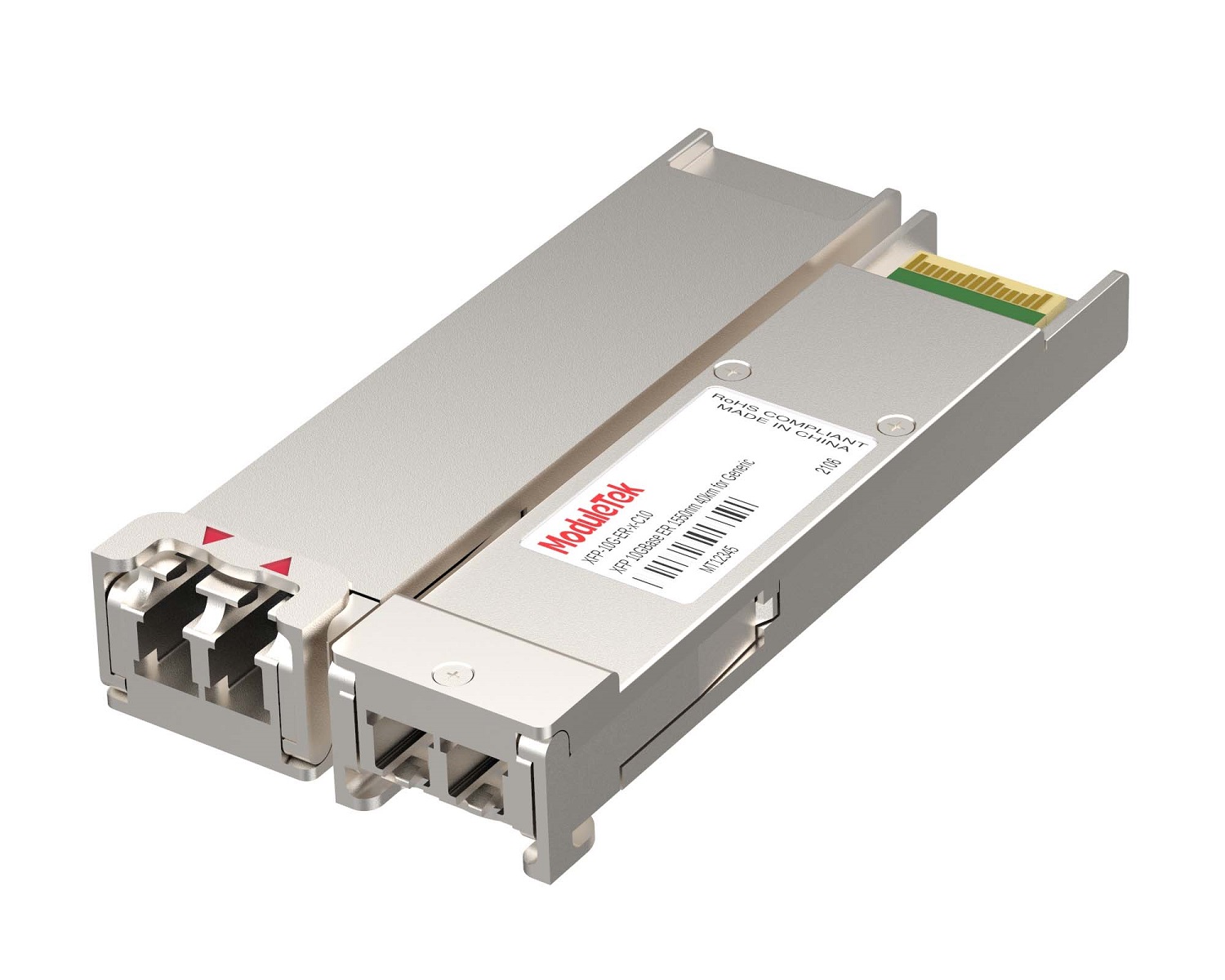 XFP Optical Transceivers
 100M/1G/10G Coppers
 Full-Rate AOC & Breakout Series
 10G/40G Active DAC Series
 Full-Rate Passive DAC Series
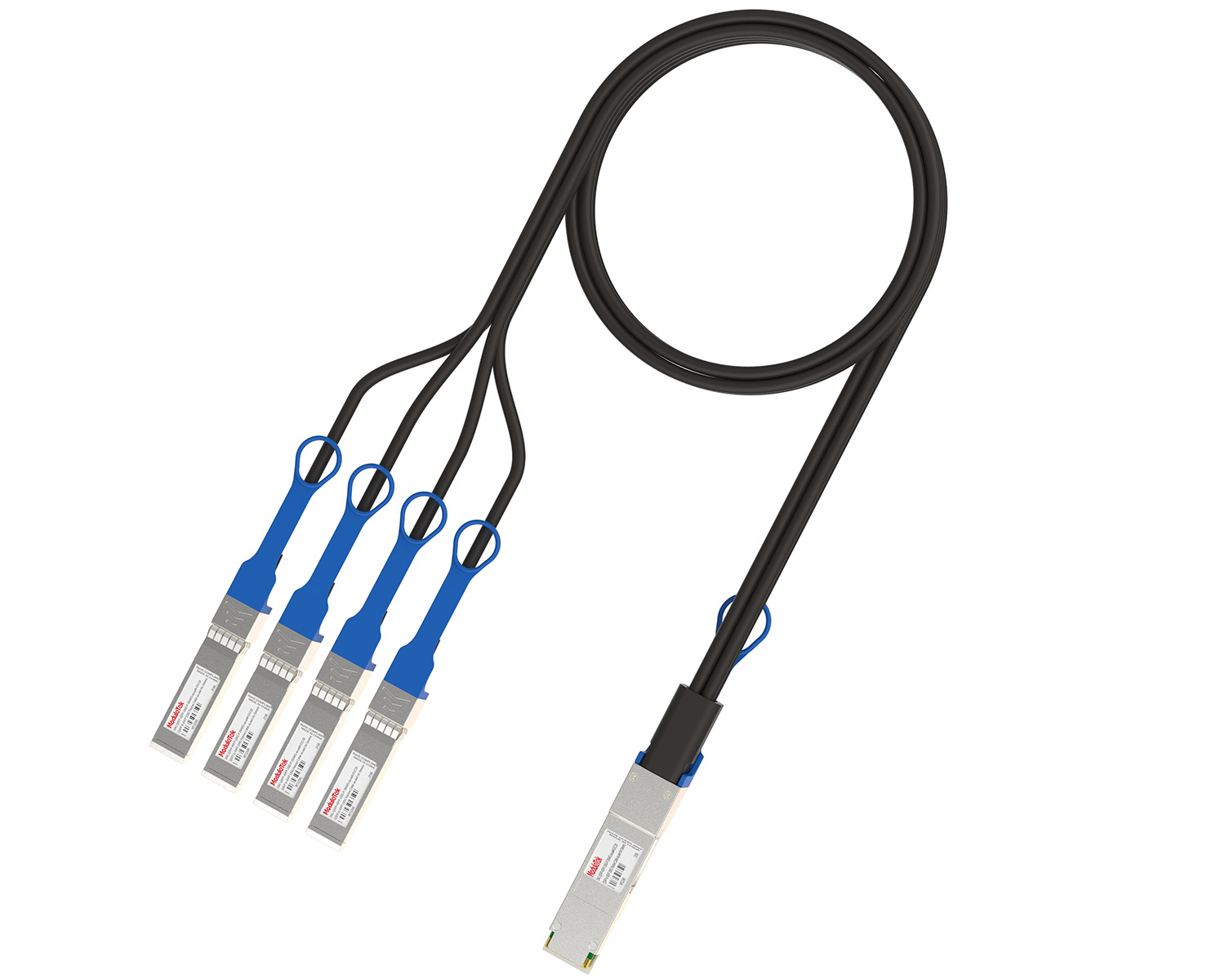 40G/100G Passive Breakout DAC Series
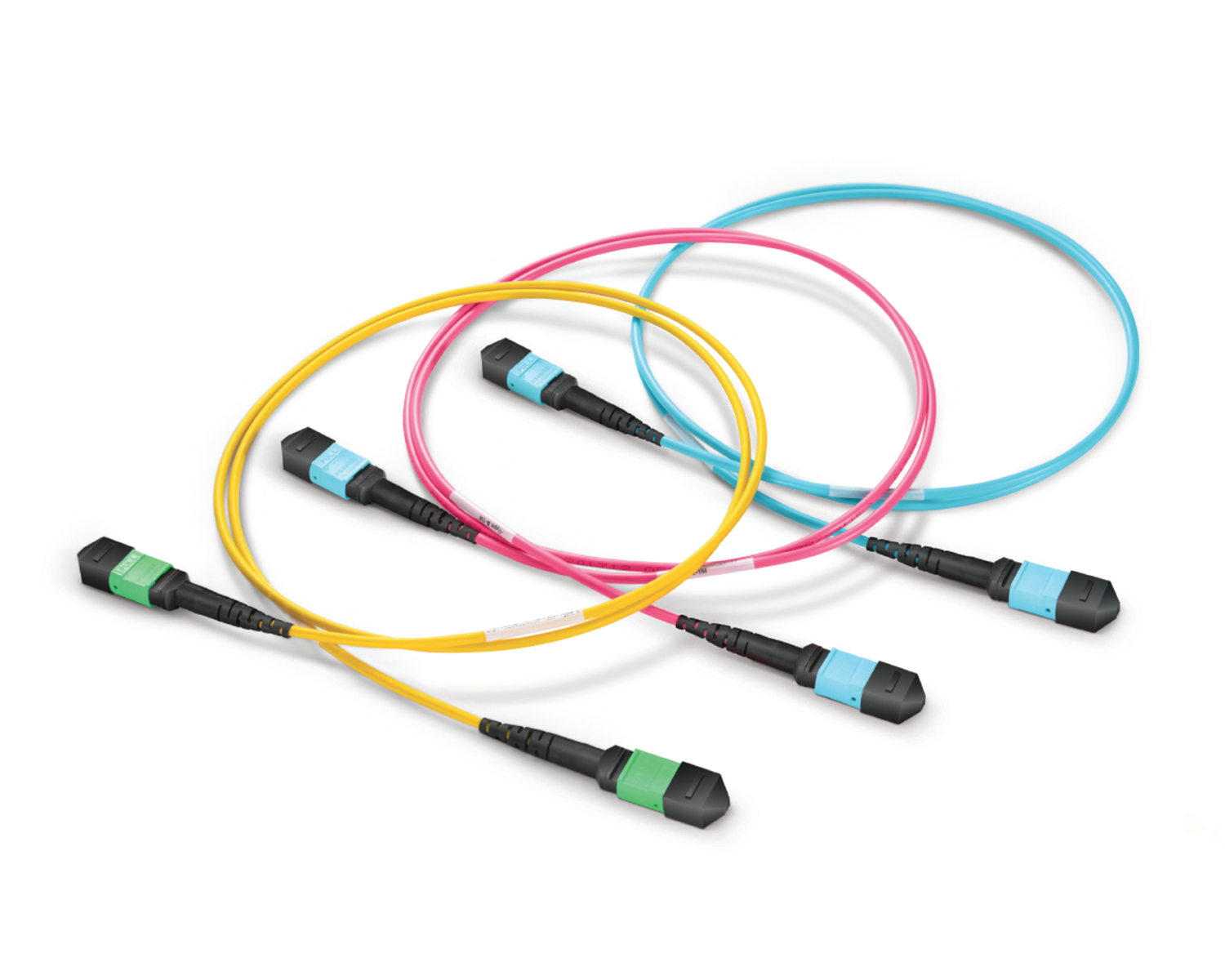 Regular/MTP-MPO Fiber Patch Cords
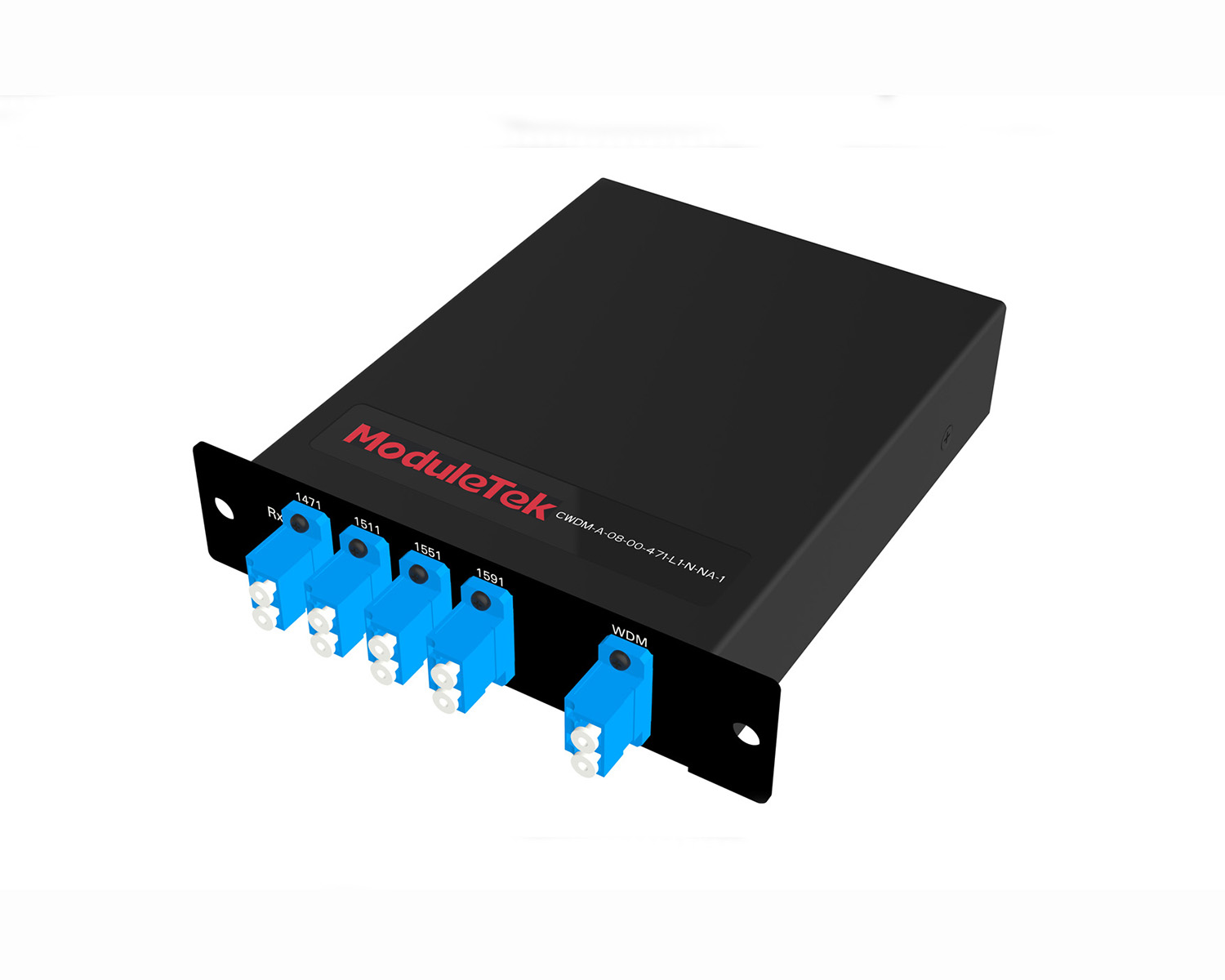 MT2011
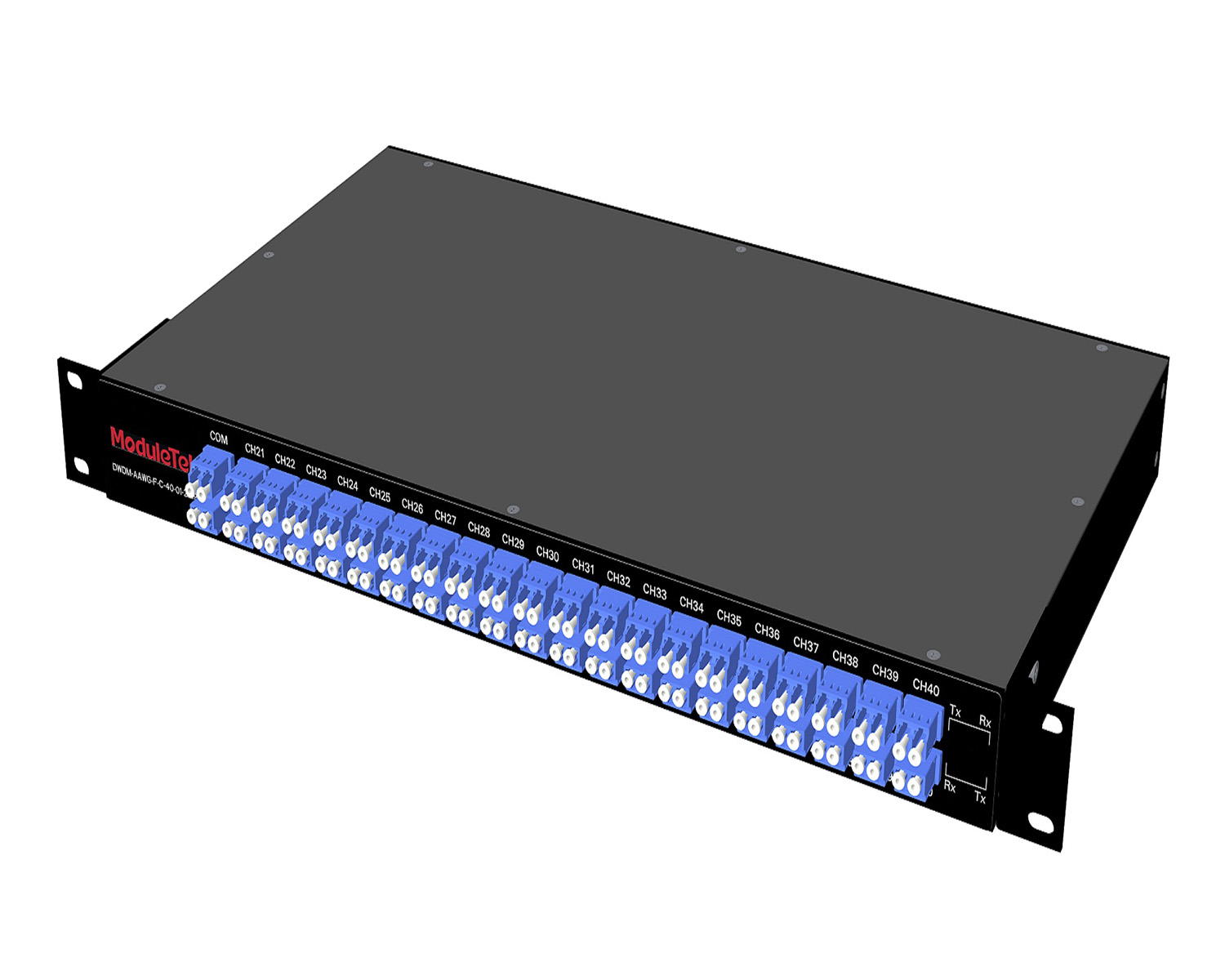 MT2010
 CodingBox
 QSFP to SFP Adapter
Introduction To Data Transmission Methods In PON Networks
Time: 2023-06-25
PON networks enable simultaneous access for multiple users over a single optical fiber, supporting point-to-multipoint (P2MP) transmission. Data transmission from the OLT to the ONU is defined as downstream, while transmission from the ONU to the OLT is upstream; full-duplex transmission is adopted for both directions.
The following figure shows the schematic diagram of PON data transmission principles, with typical characteristics as follows:
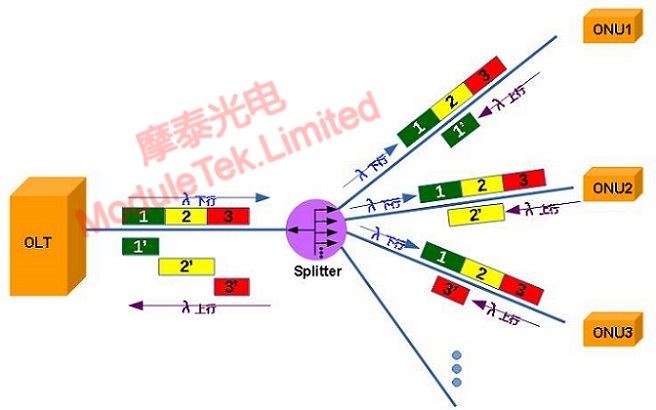
Figure 1 Schematic Diagram of PON Data Transmission Principle
1. PON networks use different wavelengths for upstream and downstream transmission over the same fiber. The downstream wavelength is typically 1490 nm or 1577 nm, and the upstream wavelength is usually 1310 nm or 1270 nm. A third wavelength (1550 nm) is dedicated to CATV services. This wavelength allocation is specified in industry standards to deploy lower-cost optical components on the multi-point ONU side, reducing overall PON network deployment costs.
2. Downstream PON transmission adopts a broadcast mechanism. Constrained by the physical characteristics of passive optical splitters, data sent from the OLT is evenly distributed to all ONUs via the splitter, meaning each ONU can receive all downstream data. To ensure data security, each ONU filters out traffic not intended for it. Additionally, the OLT encrypts downstream data using keys generated and transmitted by each ONU to the OLT, preventing other ONUs from decrypting unauthorized data.
3. Upstream PON transmission uses the TDMA (Time Division Multiple Access) mechanism to avoid optical signal collision and interference from same-wavelength upstream signals, enabling fair sharing of the backbone fiber and bandwidth resources. The OLT divides the upstream channel into discrete time slots and allocates them to individual ONUs as needed; each ONU only transmits data within its assigned time slot.
Notably, an ONU's transmit timing is strictly controlled by the OLT — it neither transmits actively nor transmits continuously. Accordingly, the OLT optical module transmitter on the PON link operates in continuous mode, while the ONU module transmitter operates in burst mode. An ONU that transmits actively or continuously is defined as a rogue ONU, which will disrupt services for all users on the entire PON port.
Moduletek Limited is at your service!
For further inquiries about the above content, please contact us at: sales@moduletek.com