
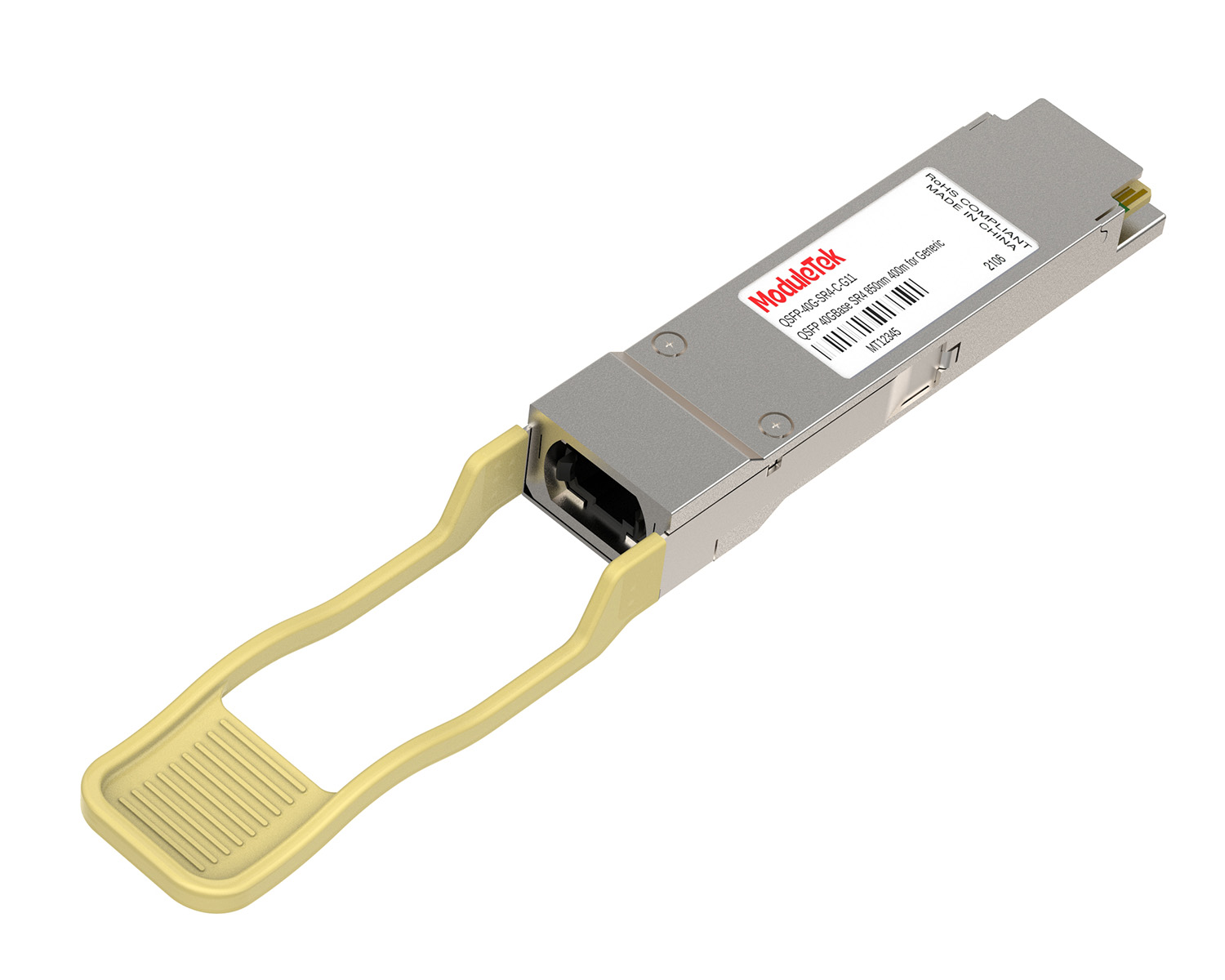
 40G/100G Optical Transceivers
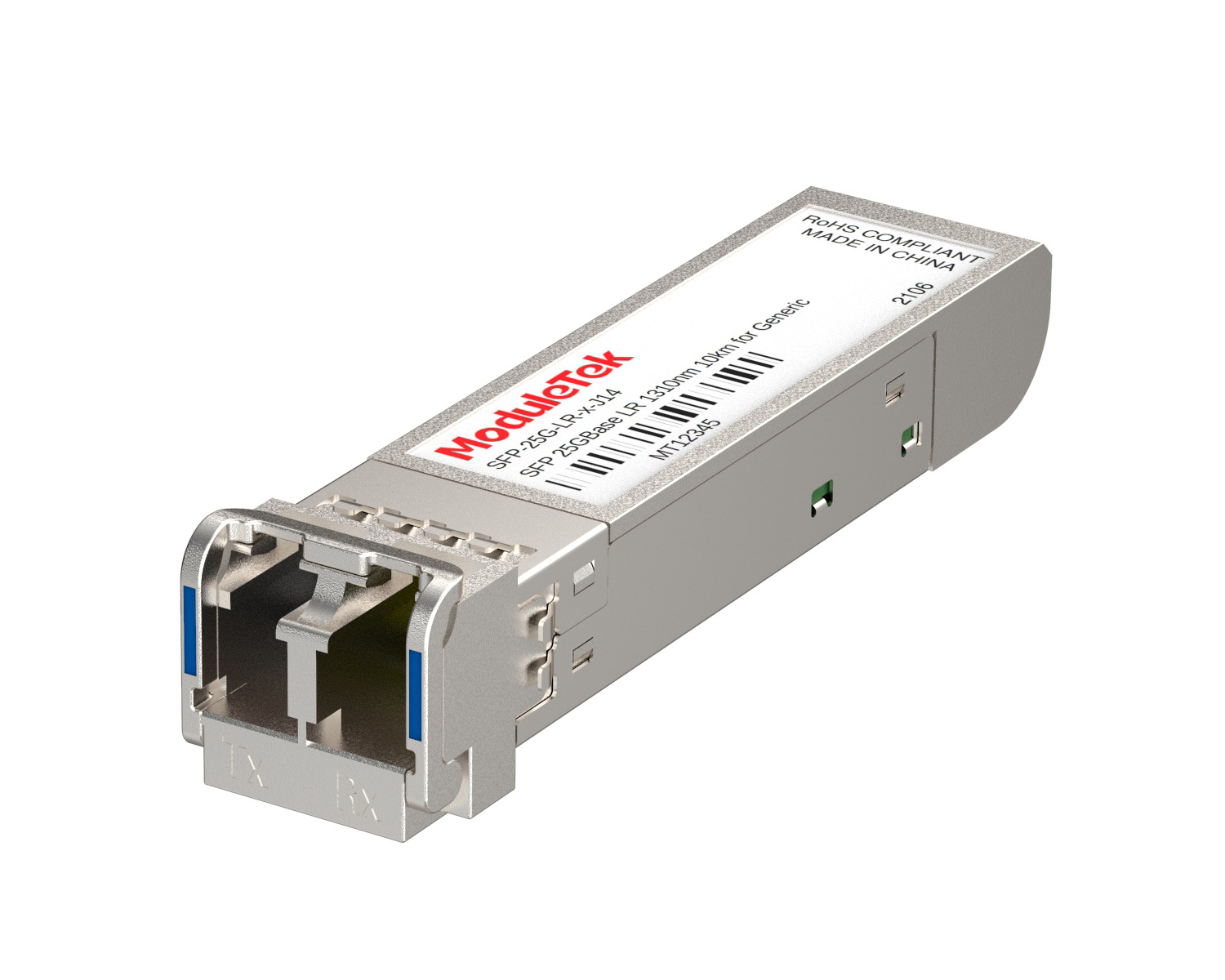 25G Optical Transceivers
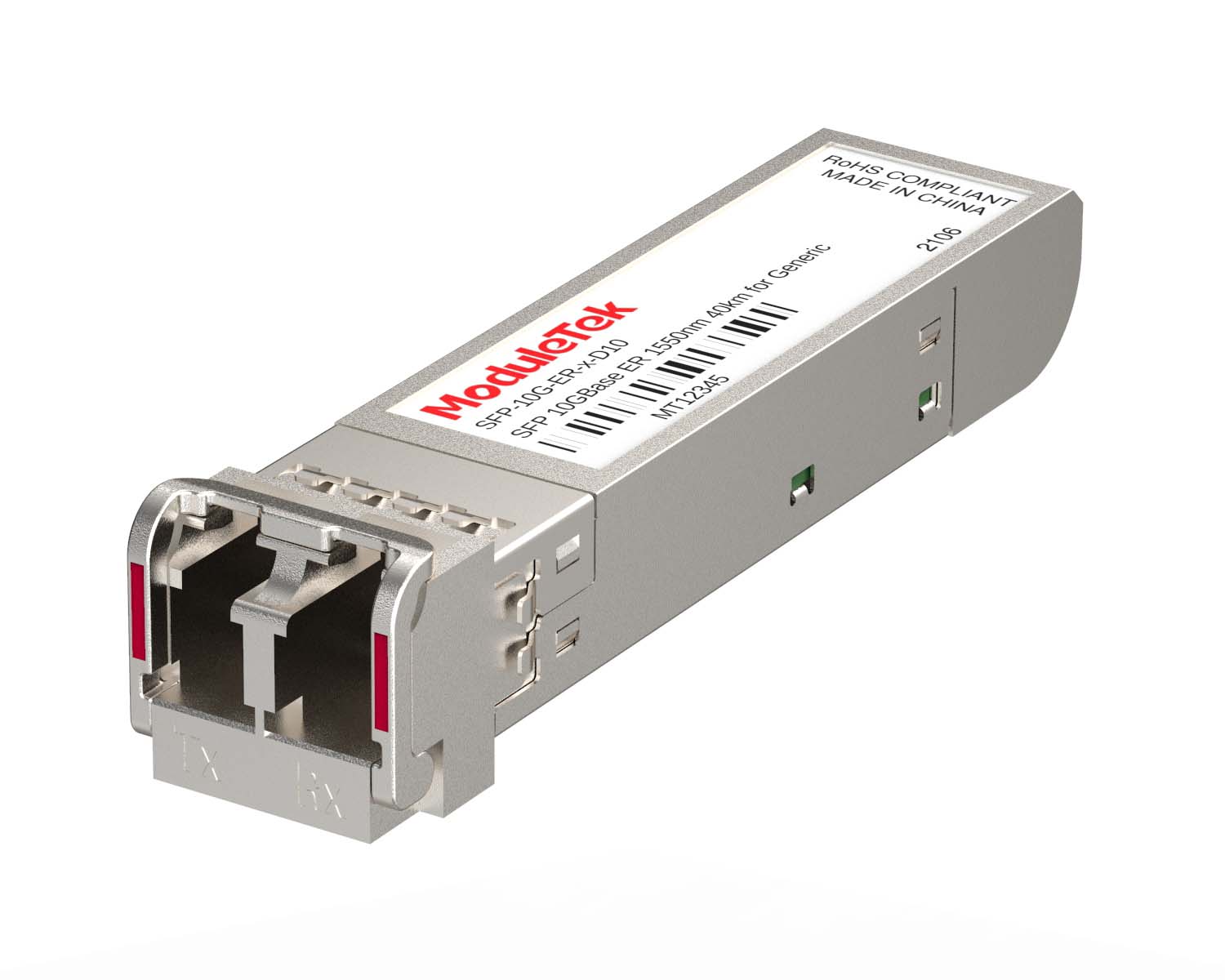 10G Optical Transceivers
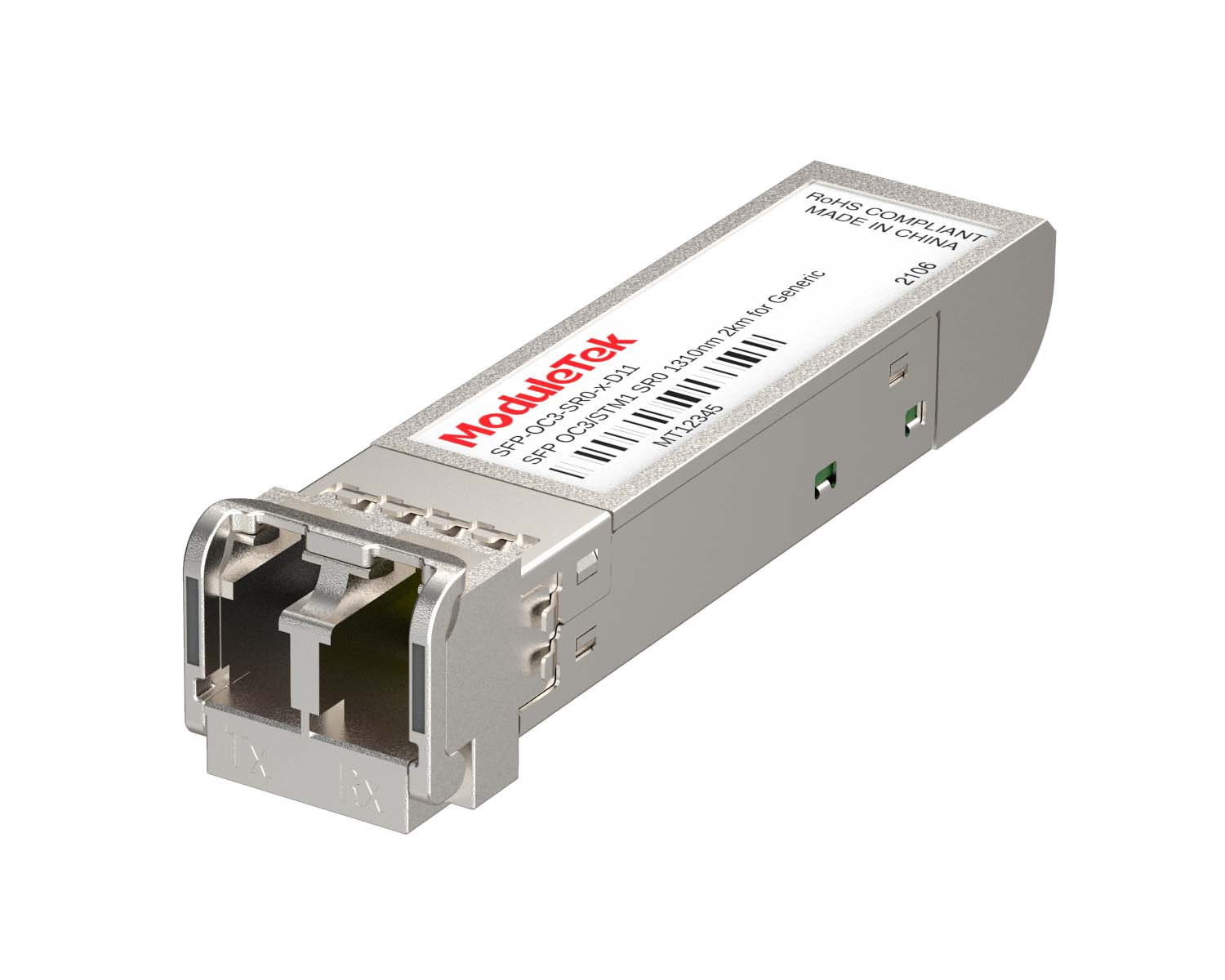 155M/2.5G Optical Transceivers
 1G Optical Transceivers
 1G BIDI Optical Transceivers
 Dual-Rate Optical Transceivers
 FC 16G/32G Optical Transceivers
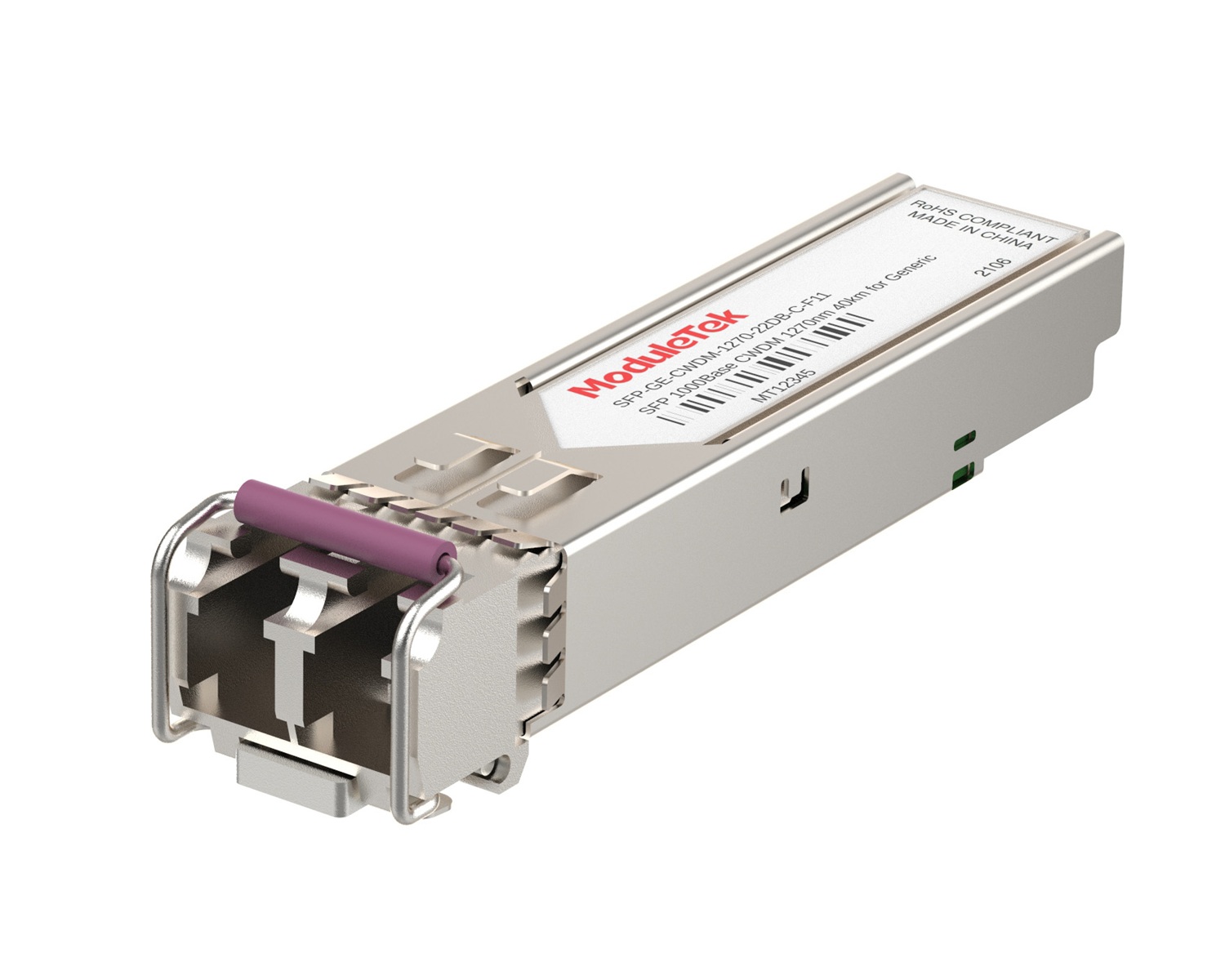 CWDM Optical Transceivers
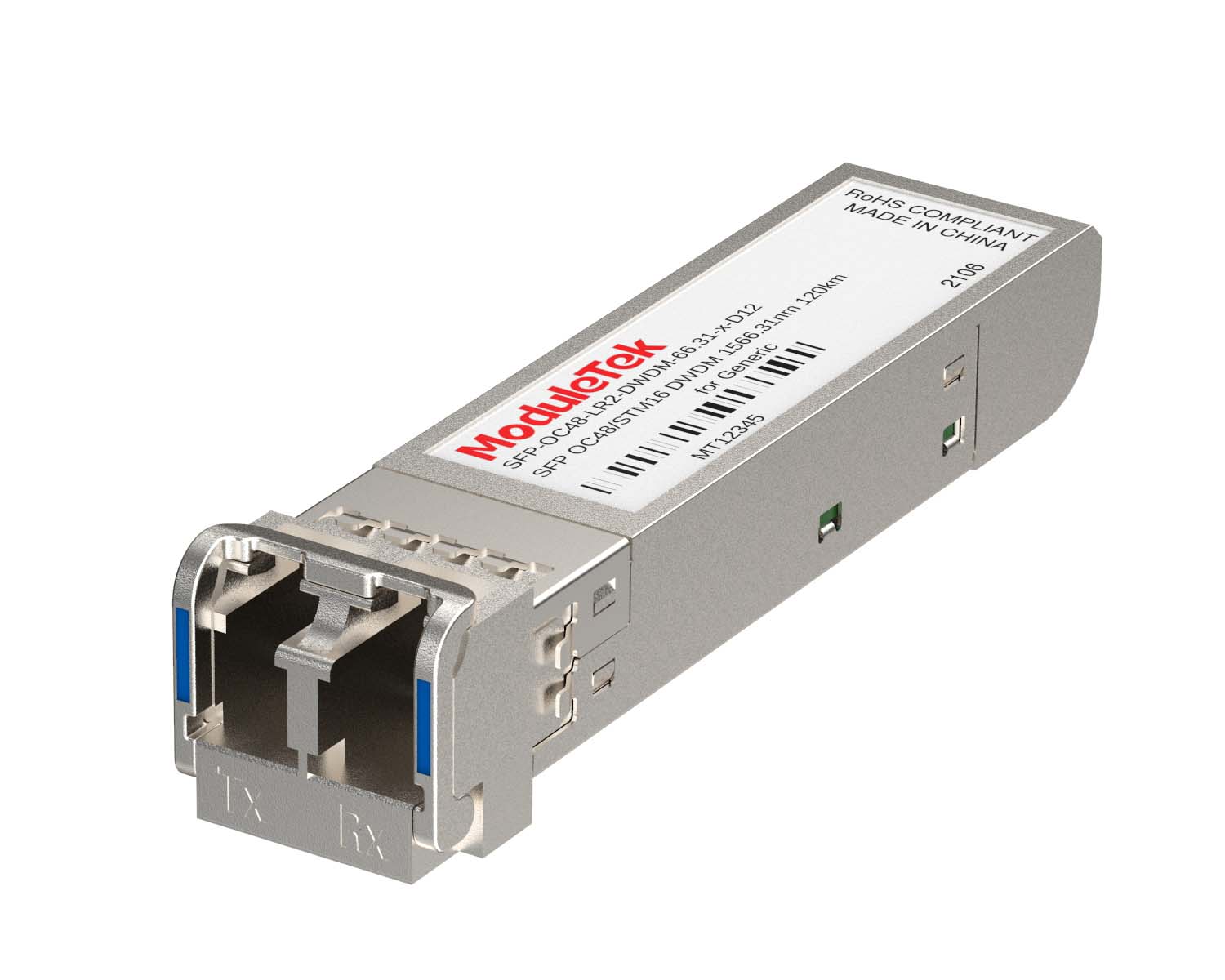 DWDM Optical Transceivers
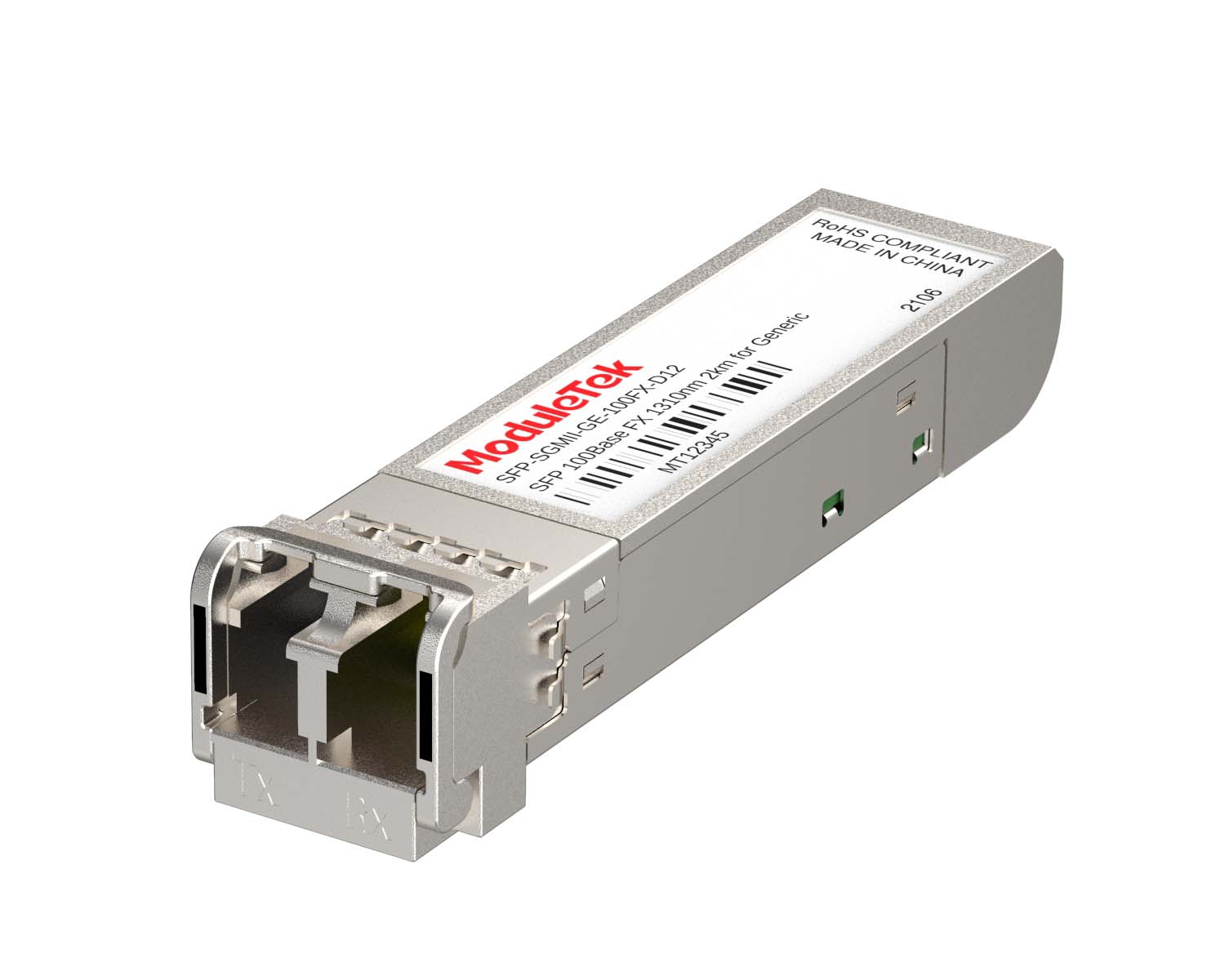 SGMII Port Optical Transceivers
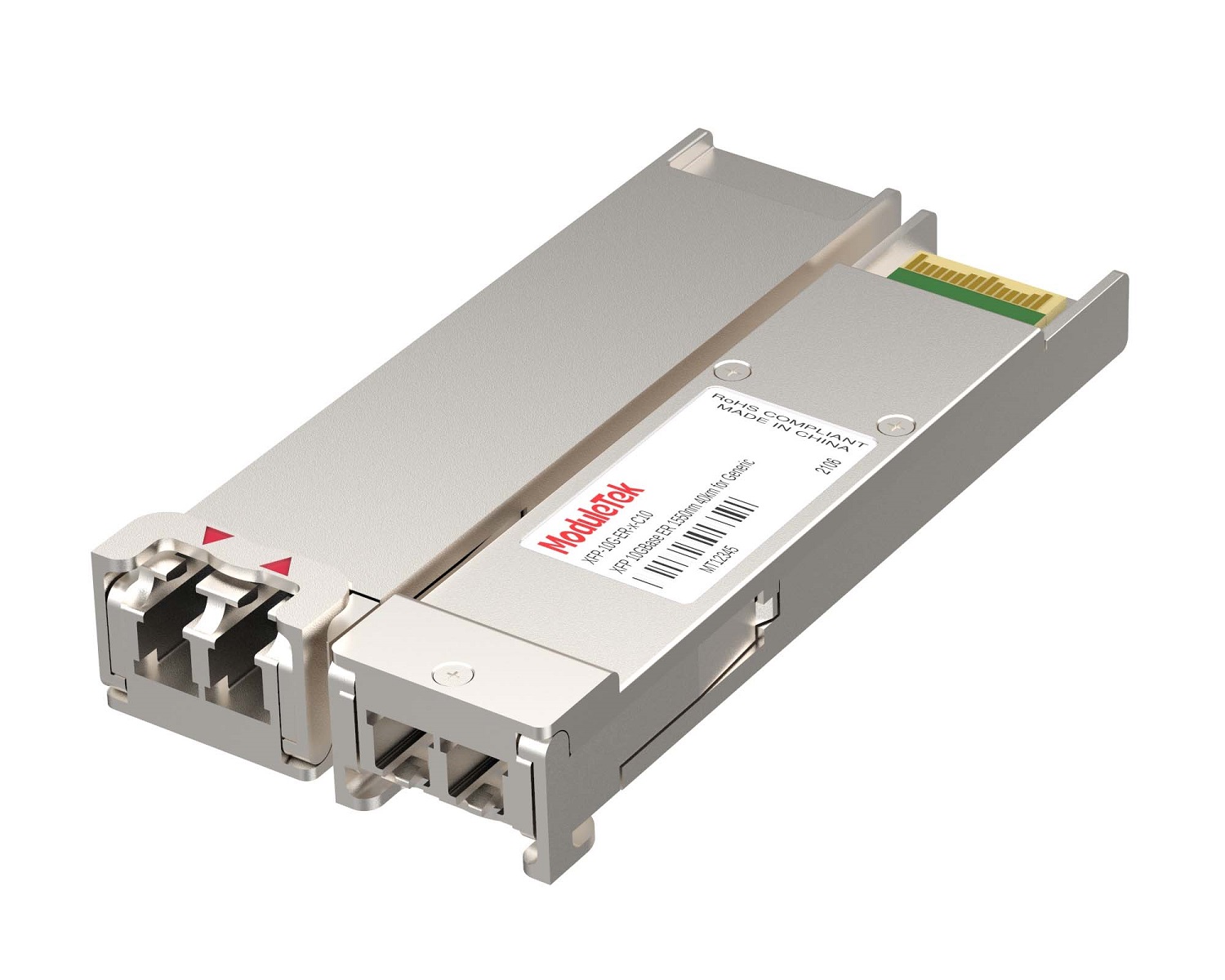 XFP Optical Transceivers
 100M/1G/10G Coppers
 Full-Rate AOC & Breakout Series
 10G/40G Active DAC Series
 Full-Rate Passive DAC Series
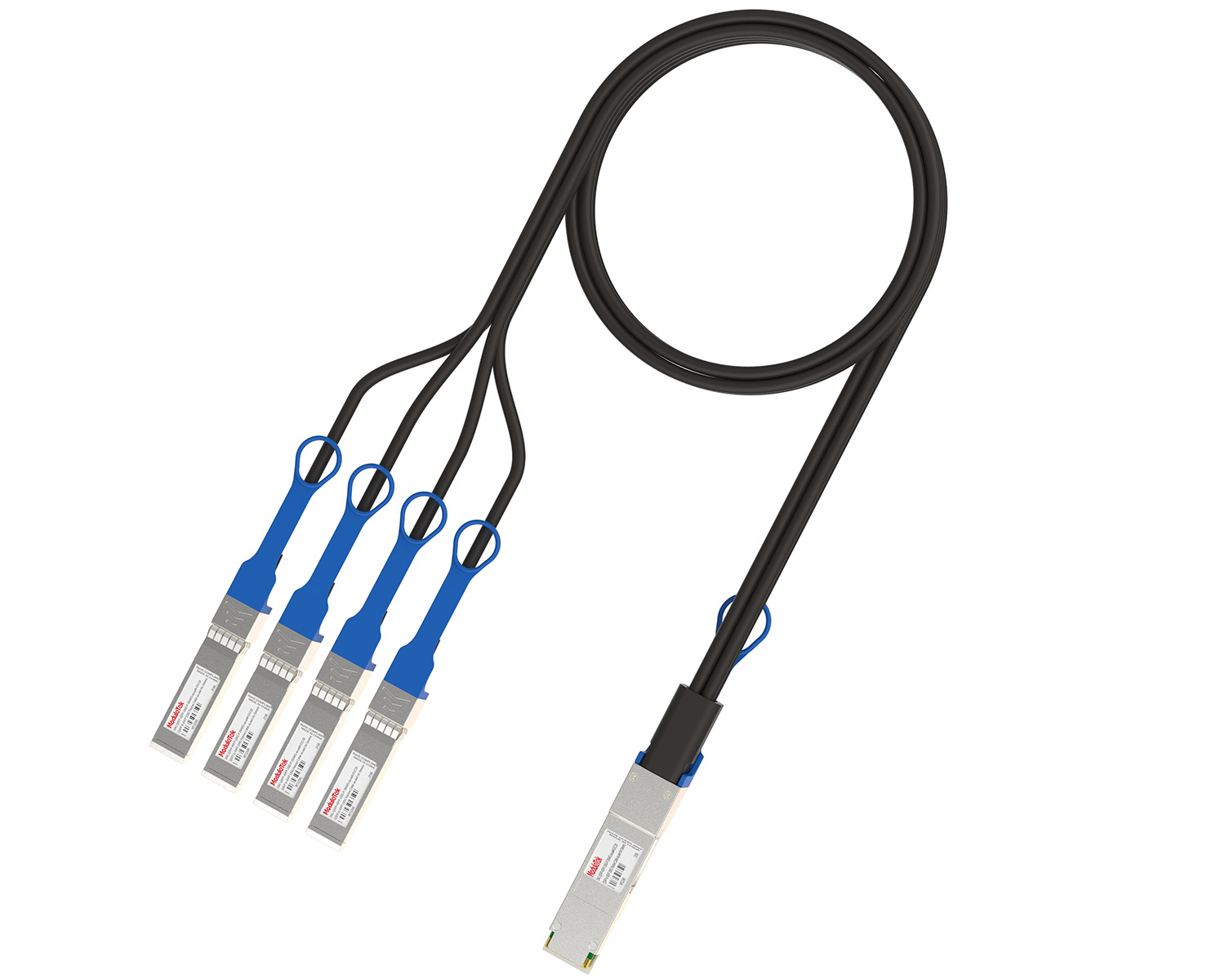 40G/100G Passive Breakout DAC Series
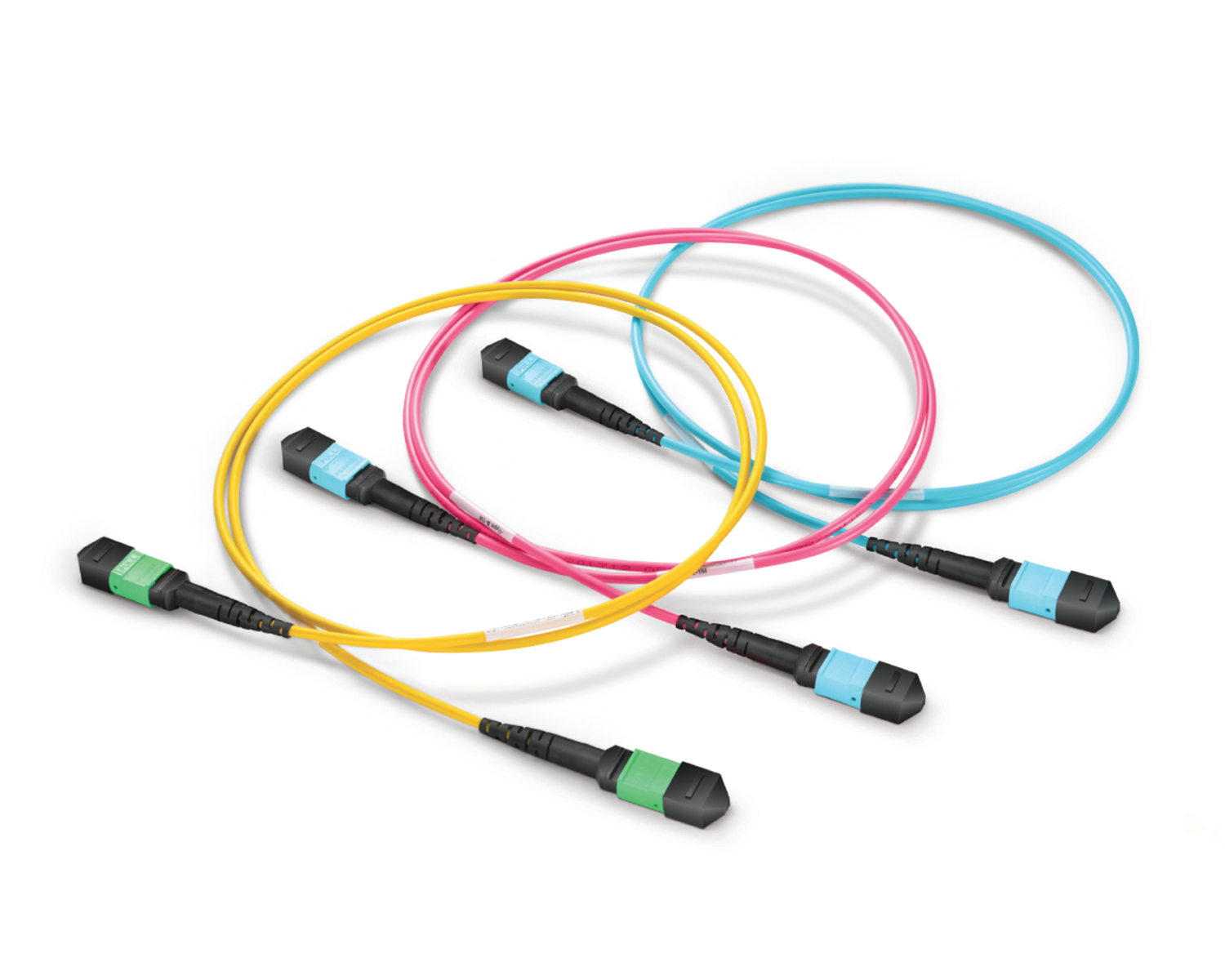 Regular/MTP-MPO Fiber Patch Cords
 MT2011
 MT2010
 CodingBox
 QSFP to SFP Adapter
Difference Between Male And Female Connectors In MPO Patch Cords
Time: 2023-12-07
Most commonly used optical modules come with either LC or MPO interfaces. Optical modules with different interfaces must be used with corresponding patch cords.
LC interfaces are found in optical modules across all rates, whereas MPO interfaces are typically used in high-speed optical modules.
MPO patch cords are available in many varieties and can be categorized by fiber count, connector gender (male/female), polarity, and more.
This article explains the difference between male and female connectors in MPO patch cords.
An MPO patch cord is composed of optical fibers, outer sheath, coupling assembly, metal ring, guide pins, dust plug, and other parts.
The guide pin structure is what distinguishes male and female types:
• A male MPO connector is equipped with two guide pins.
• A female MPO connector has no guide pins.
Interconnection between MPO connectors depends on guide pins for precise physical alignment.
For this reason, two mating MPO connectors must be one male and one female.
The MPO interface on optical modules is usually designed as a male connector, so a female MPO patch cord is required for proper connection and tight mating.
In addition, the fiber count of the MPO patch cord must match the number of transmission channels of the optical module and shall not be lower than the channel count of the module.
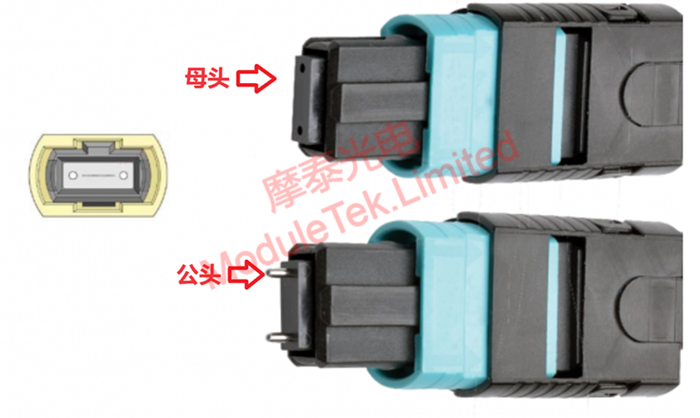
Figure 1 Schematic Diagram of Male and Female MPO Connectors
Moduletek Limited is at your service!
For further inquiries about the above content, please contact us at: sales@moduletek.com