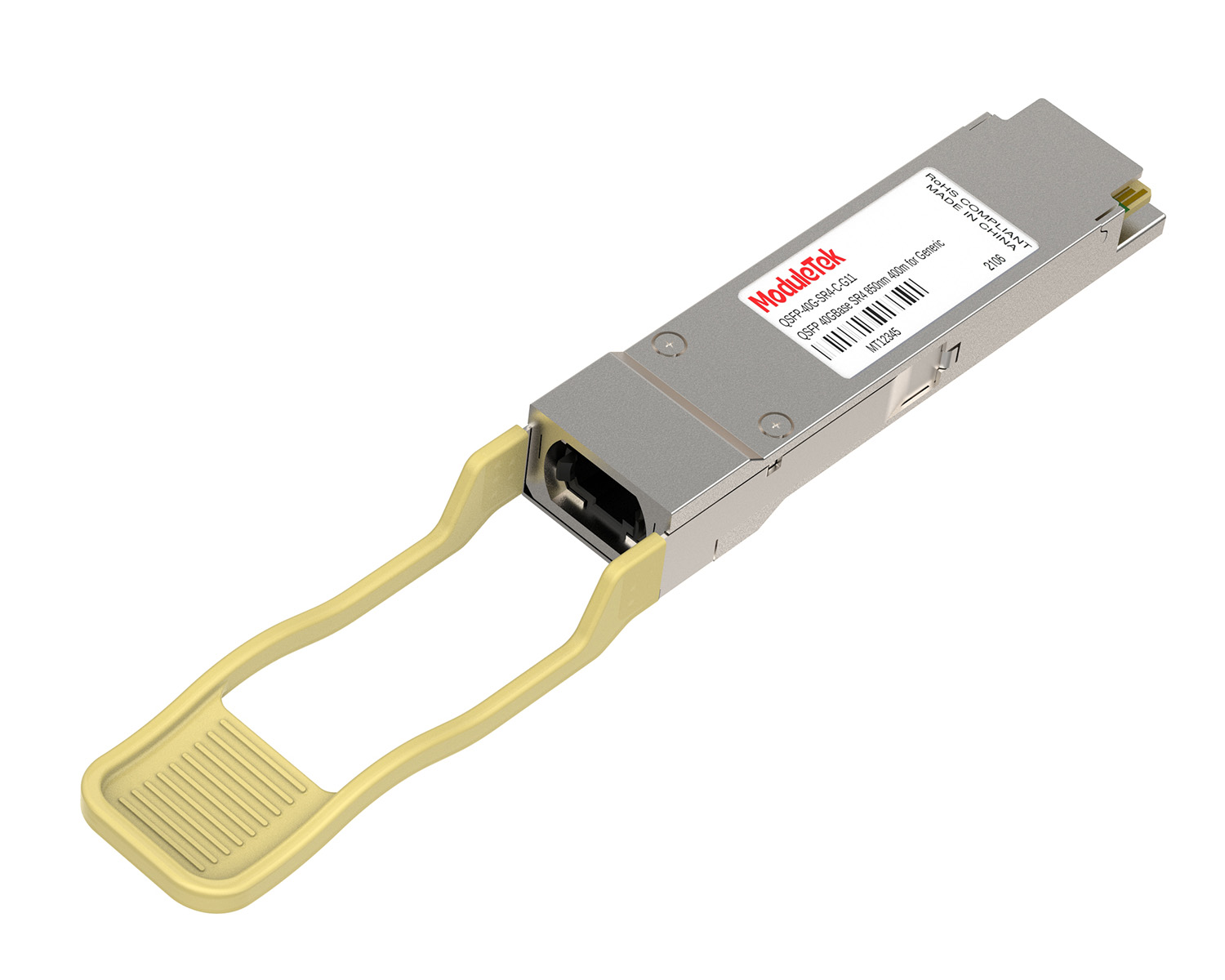
 40G/100G Optical Transceivers
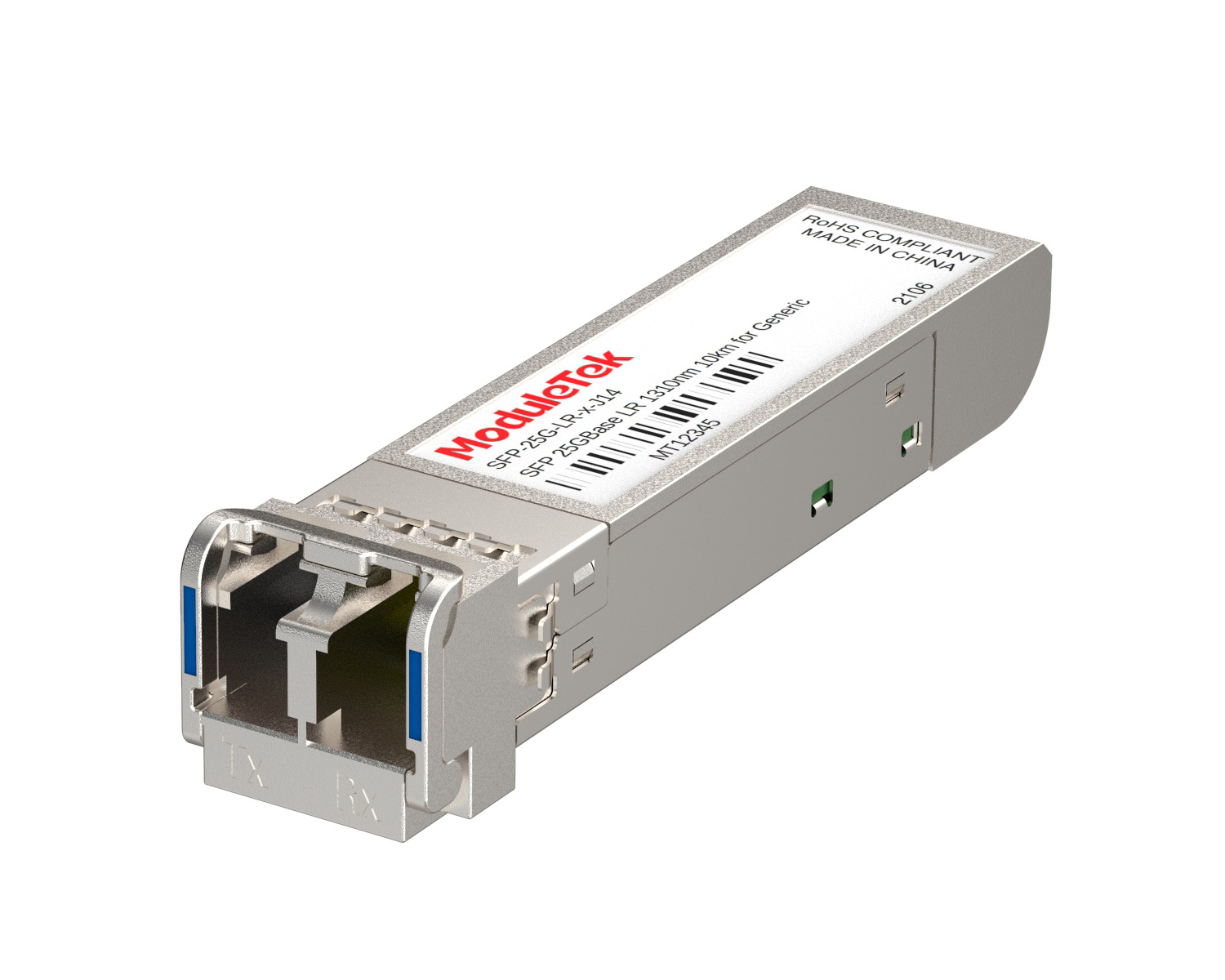 25G Optical Transceivers
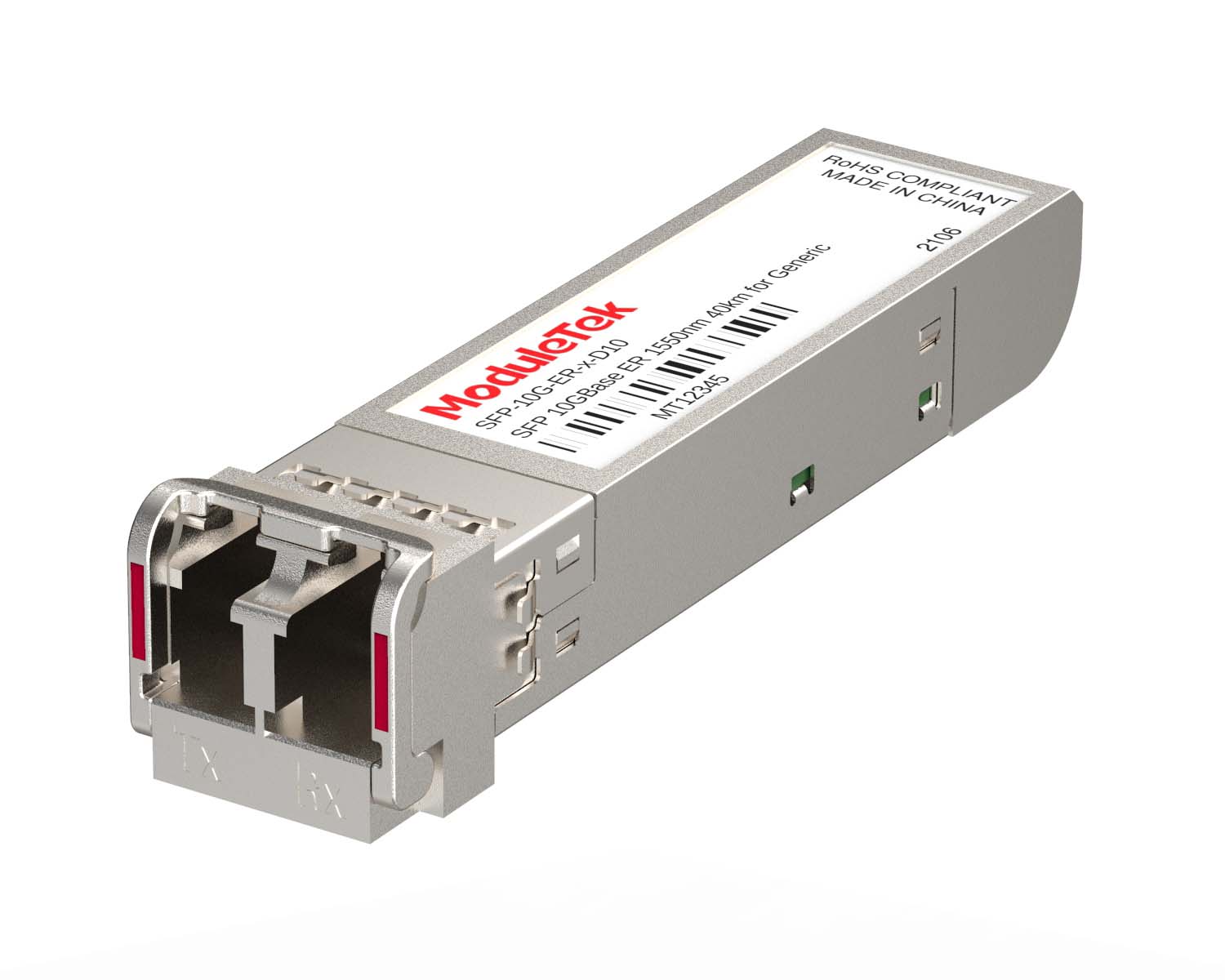 10G Optical Transceivers
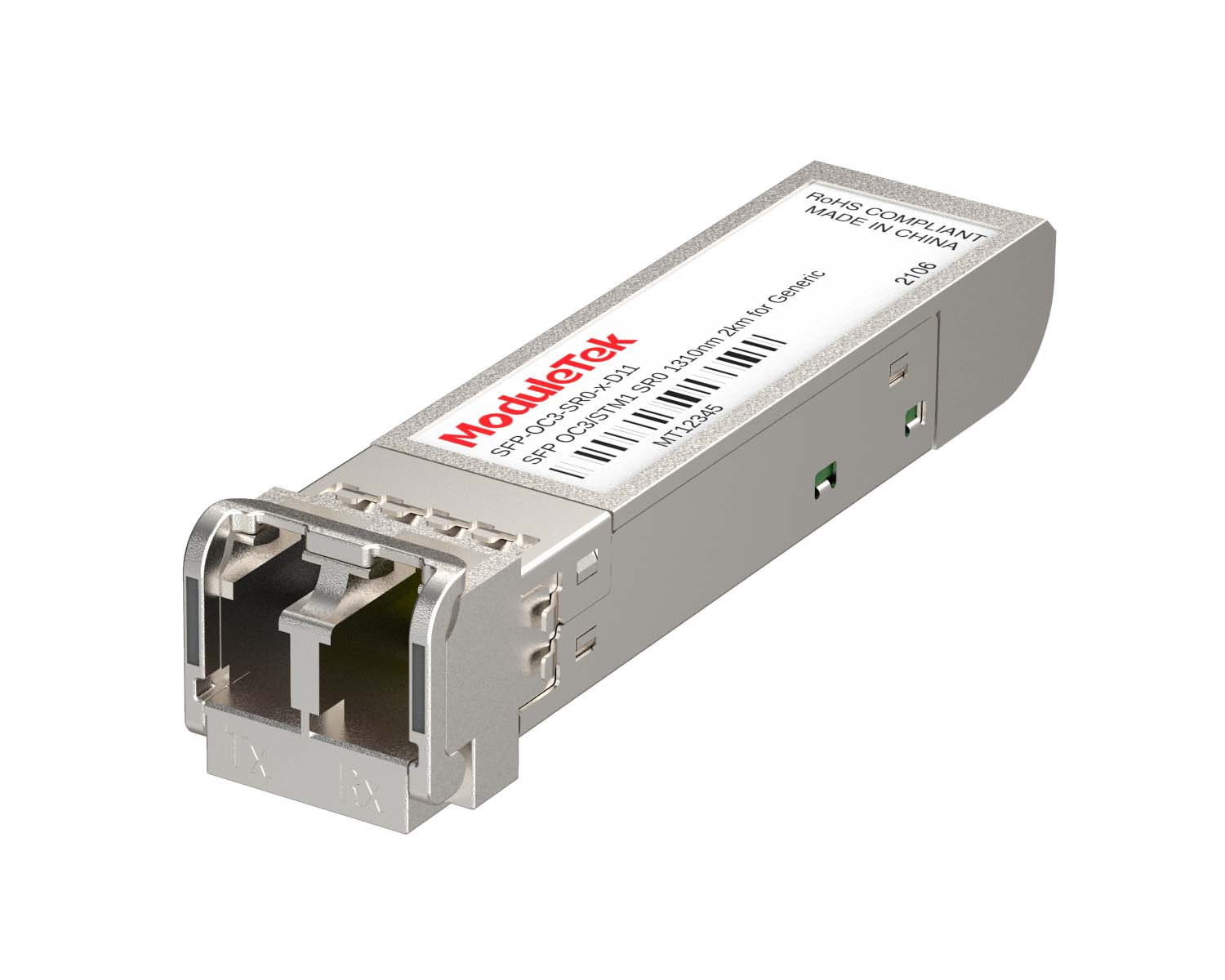 155M/2.5G Optical Transceivers
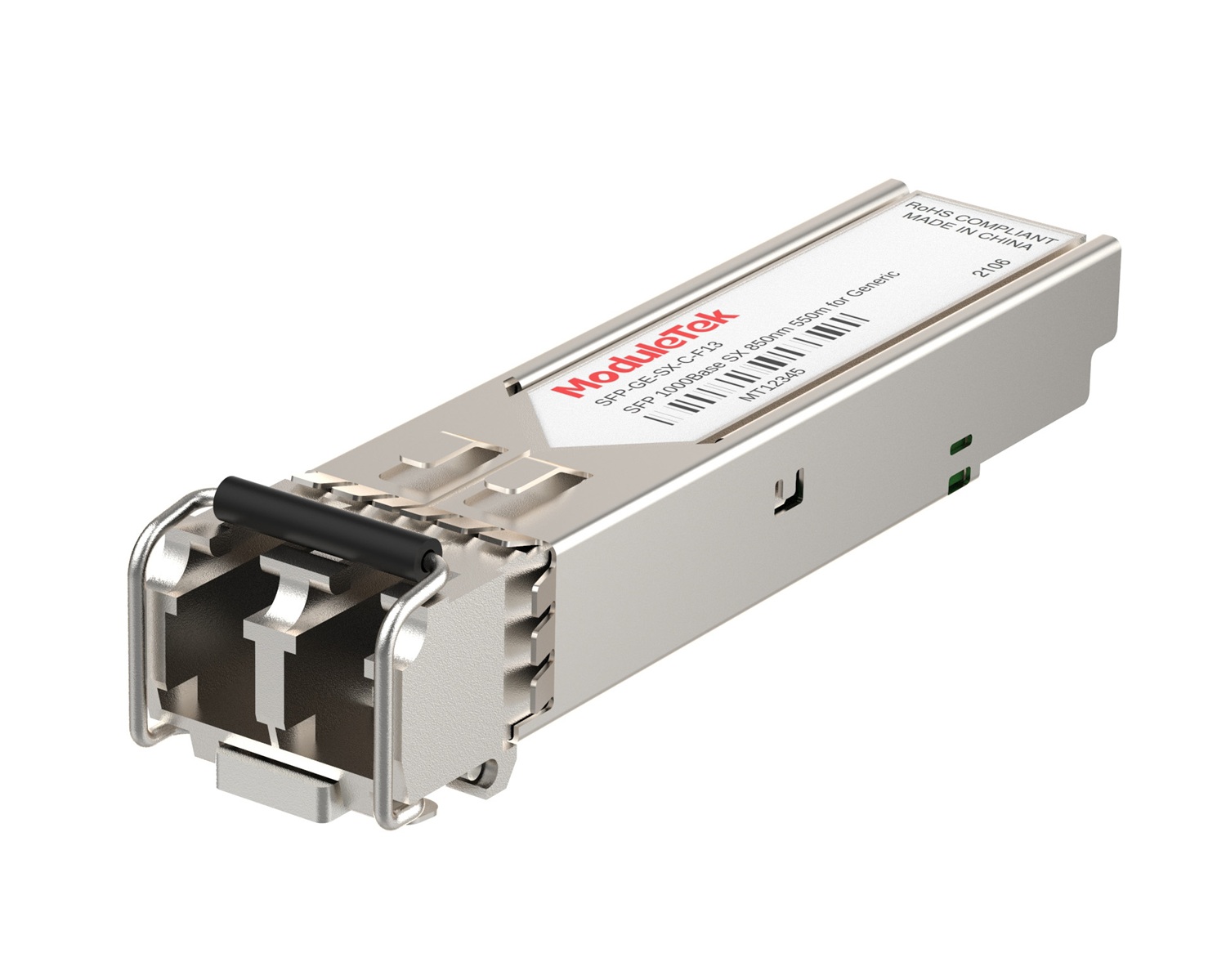 1G Optical Transceivers
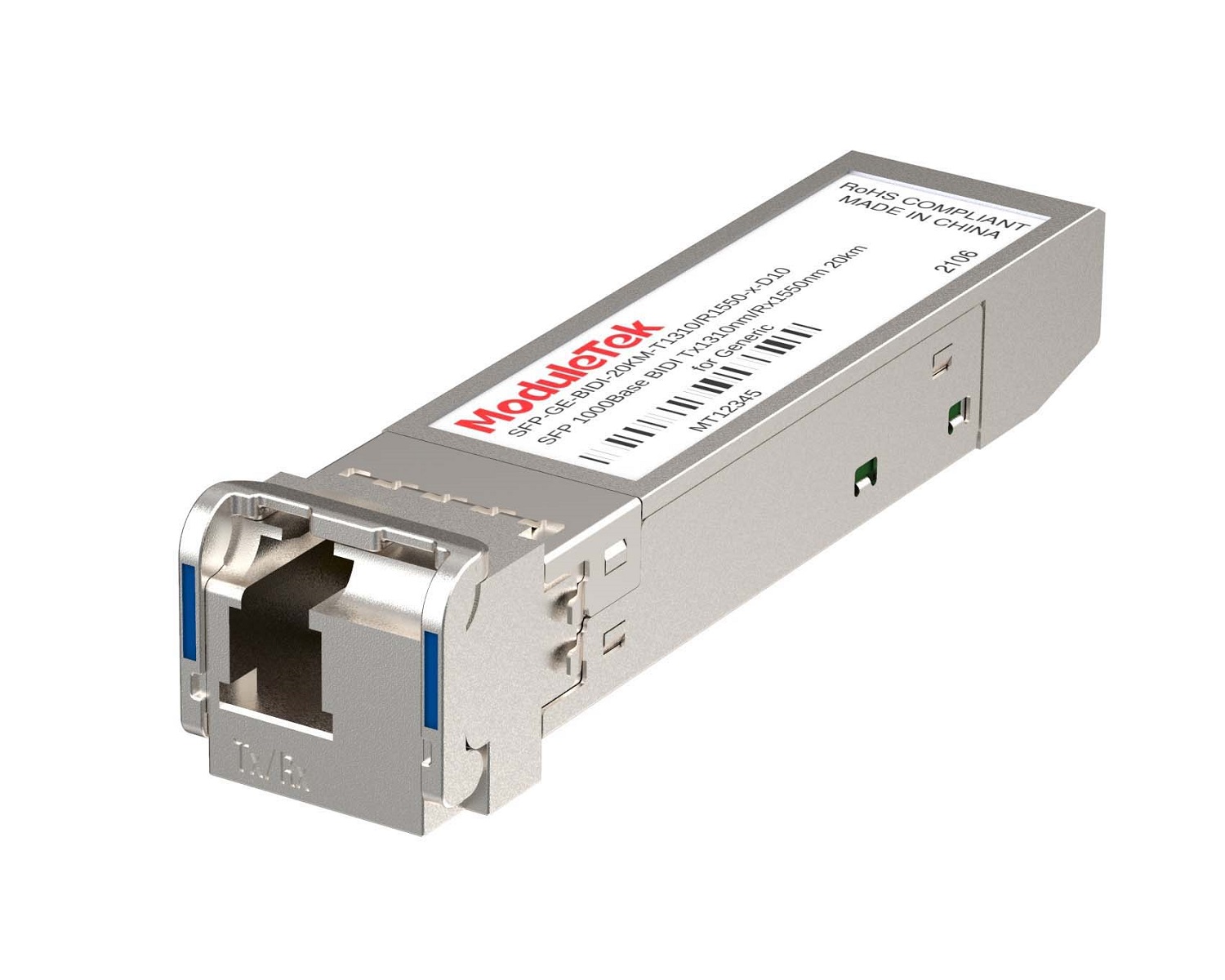 1G BIDI Optical Transceivers
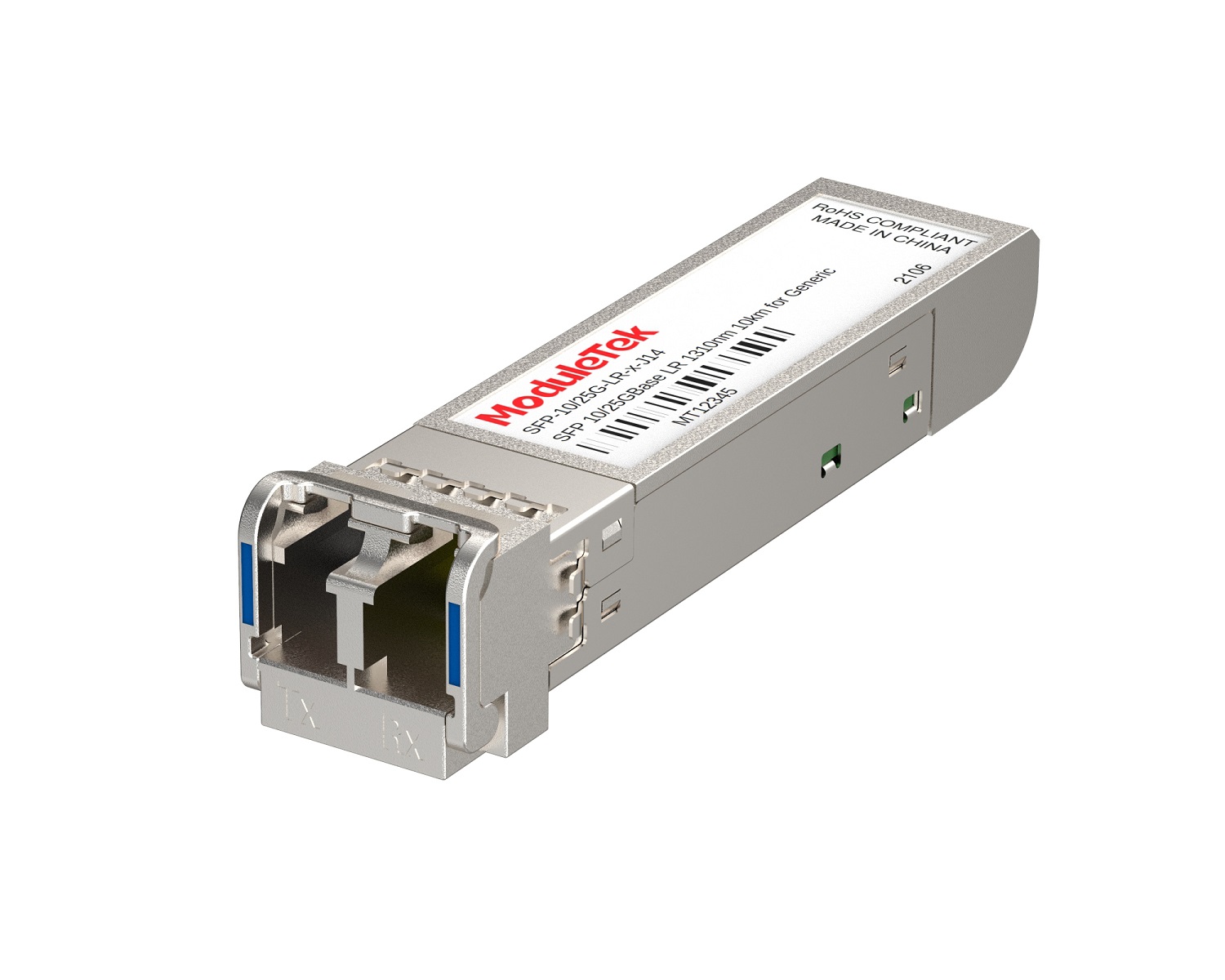 Dual-Rate Optical Transceivers
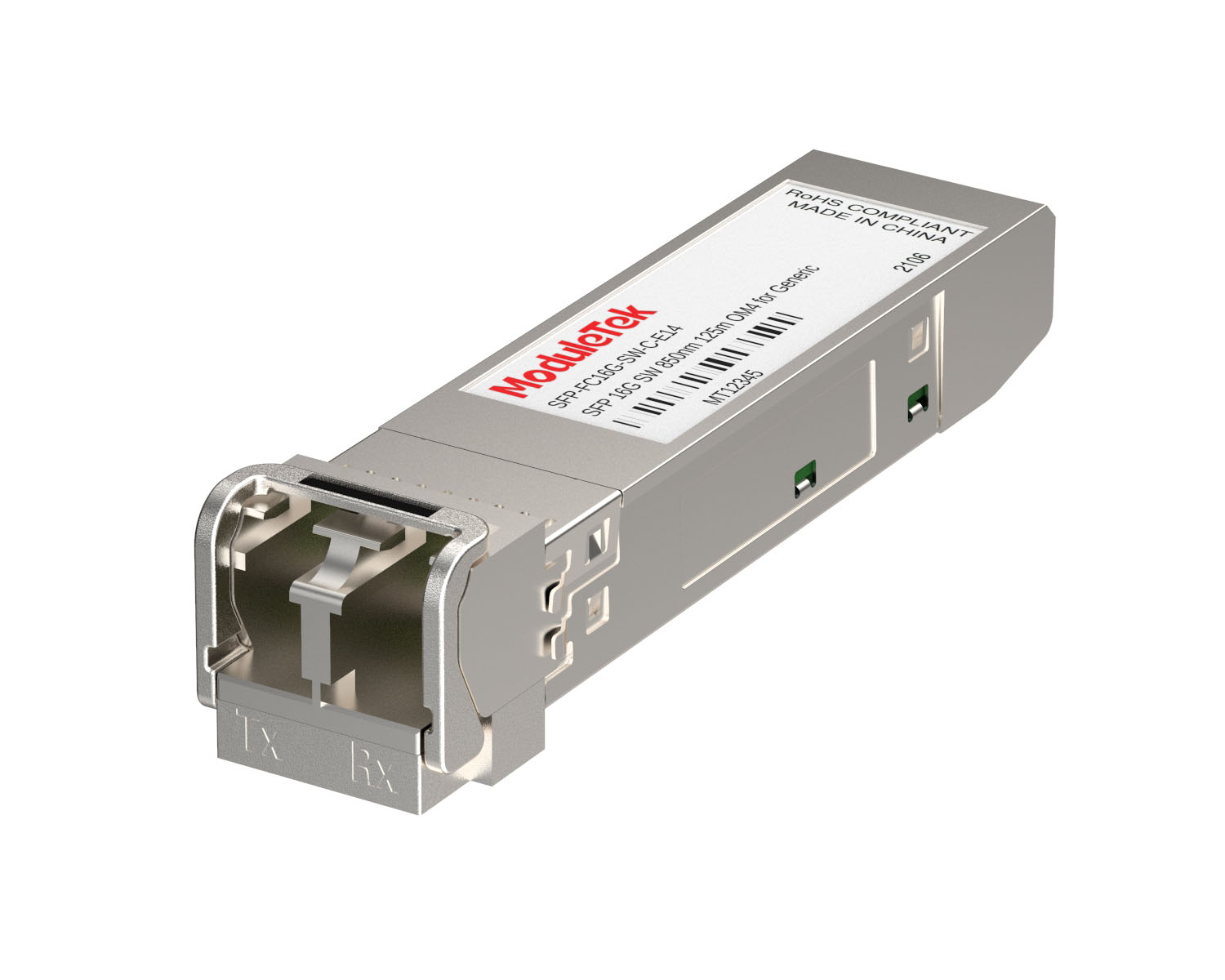 FC 16G/32G Optical Transceivers
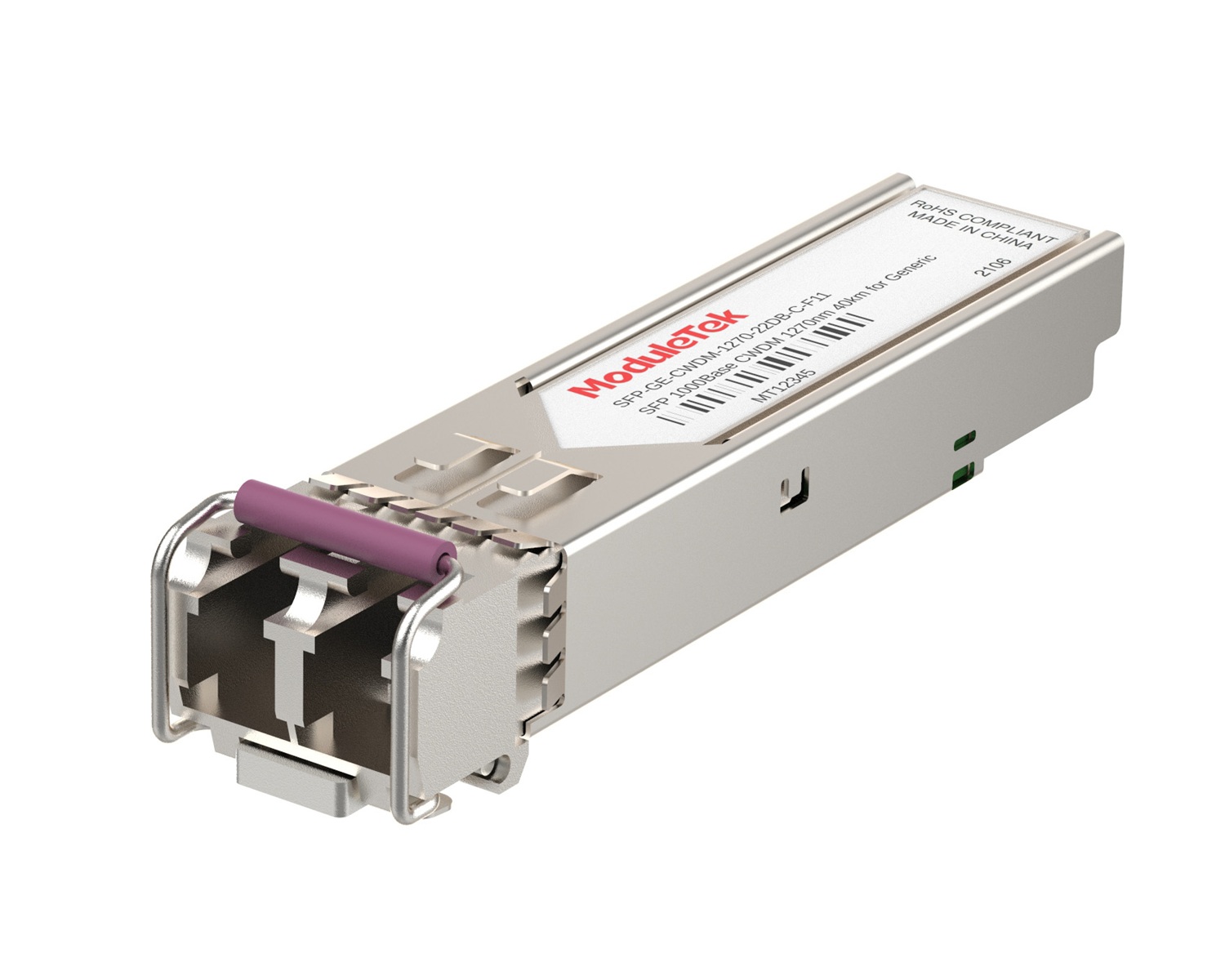 CWDM Optical Transceivers
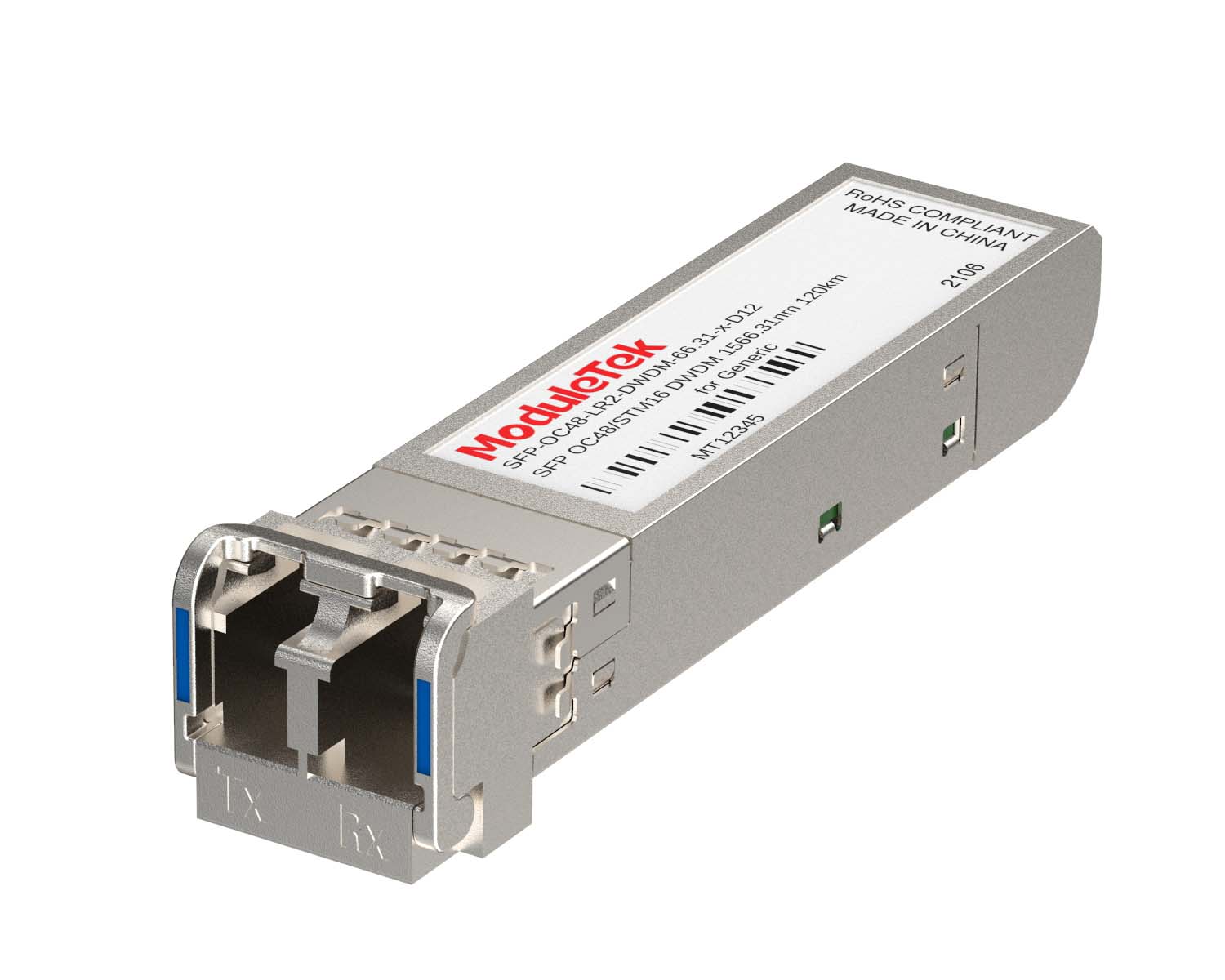 DWDM Optical Transceivers
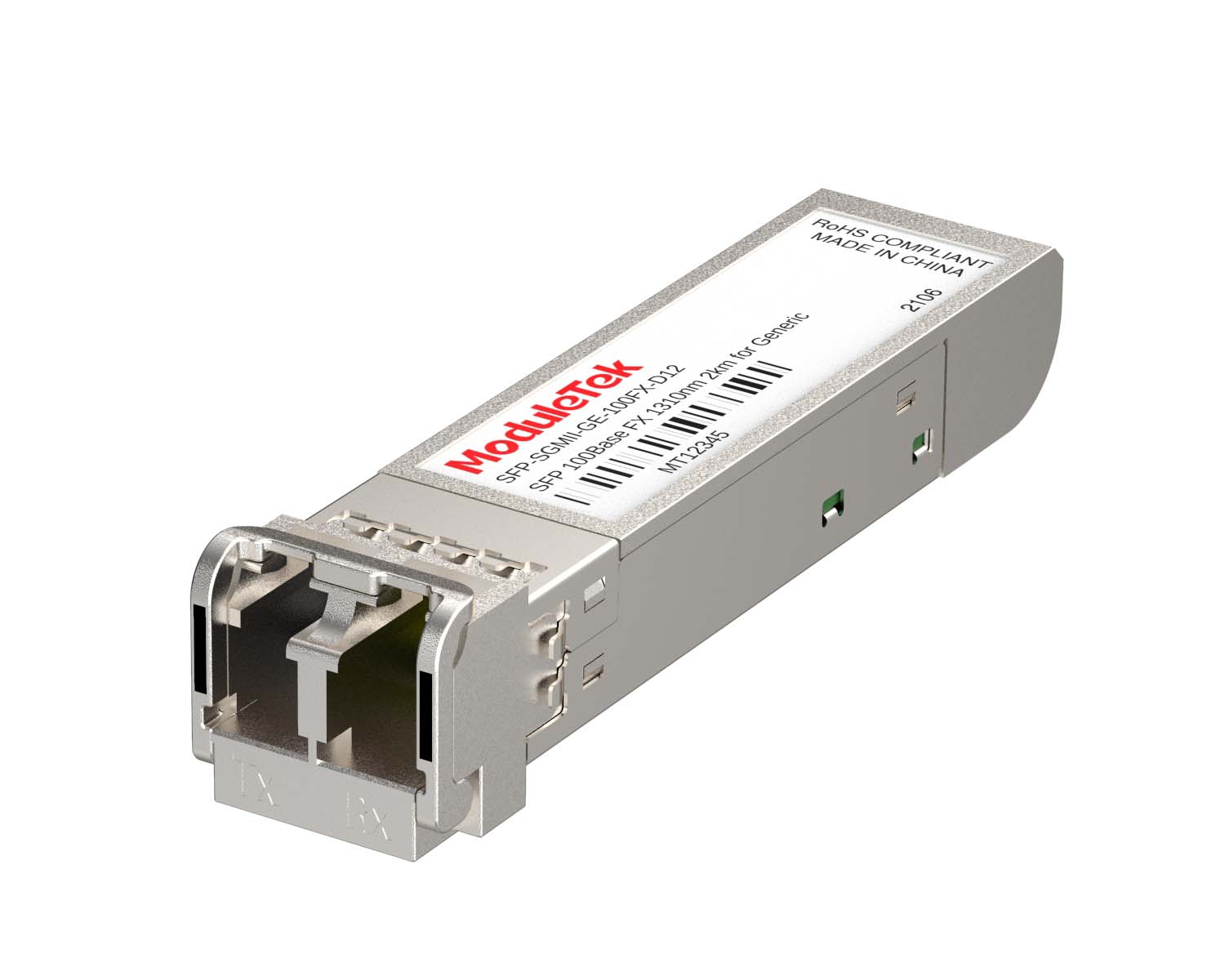 SGMII Port Optical Transceivers
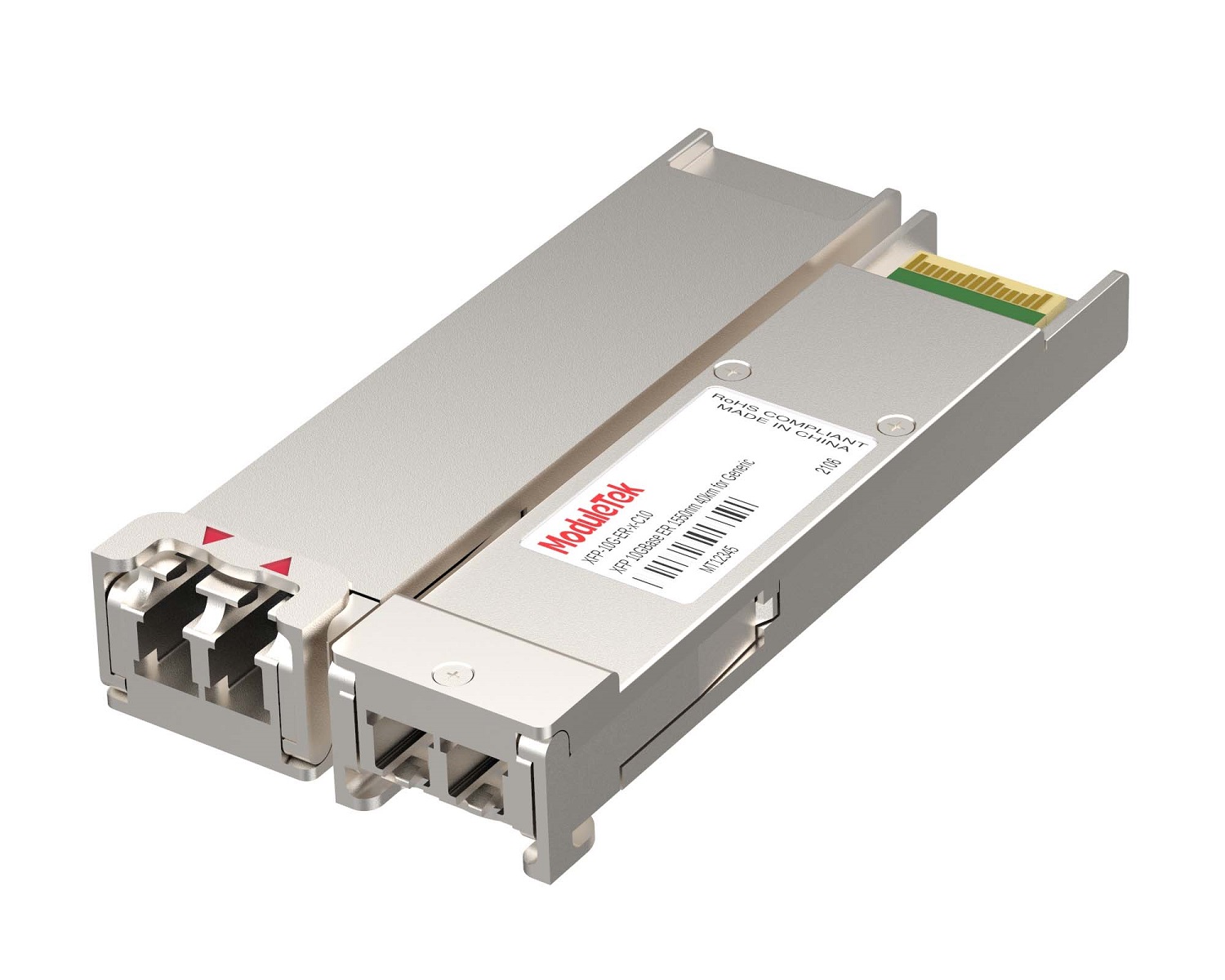 XFP Optical Transceivers
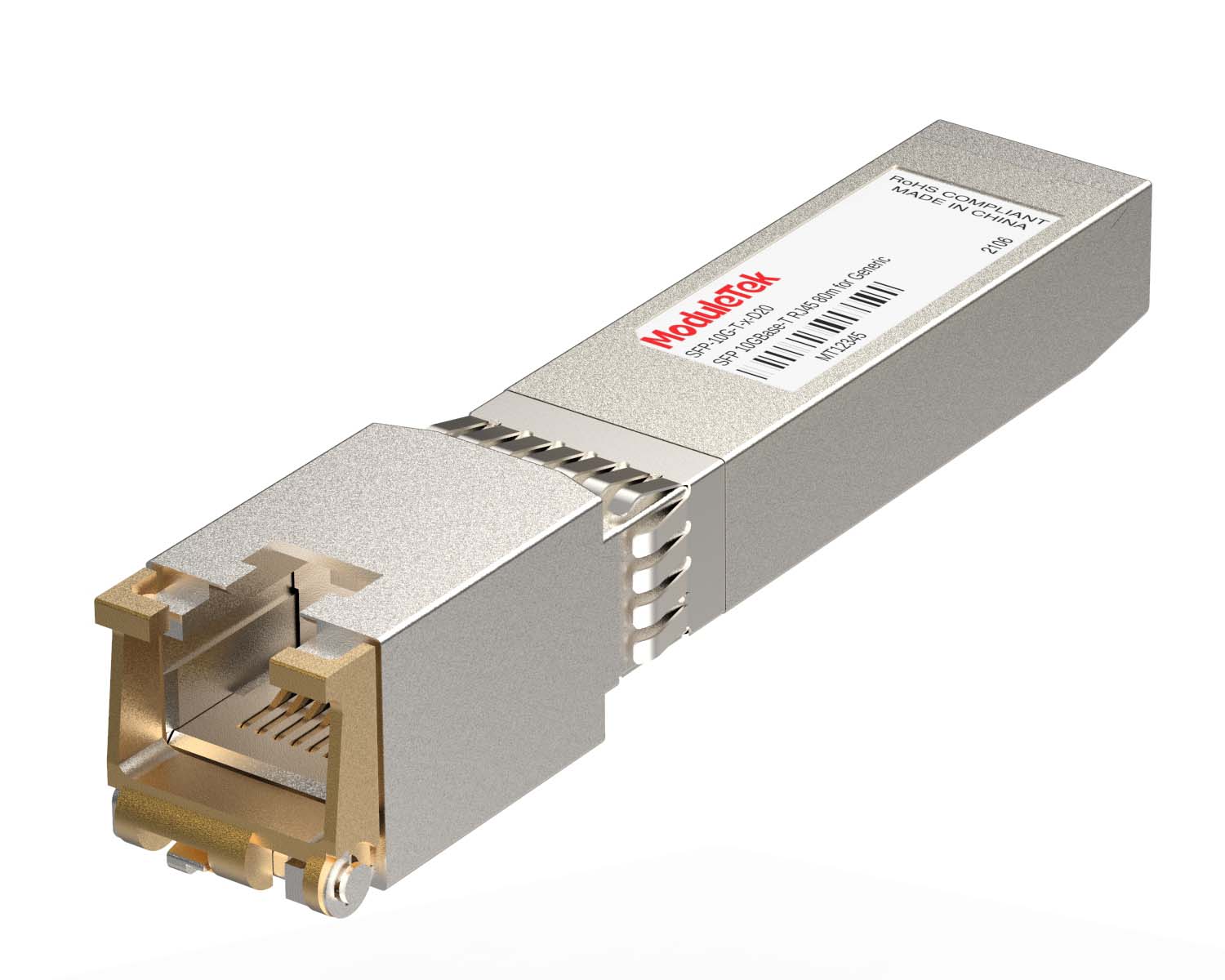 100M/1G/10G Coppers
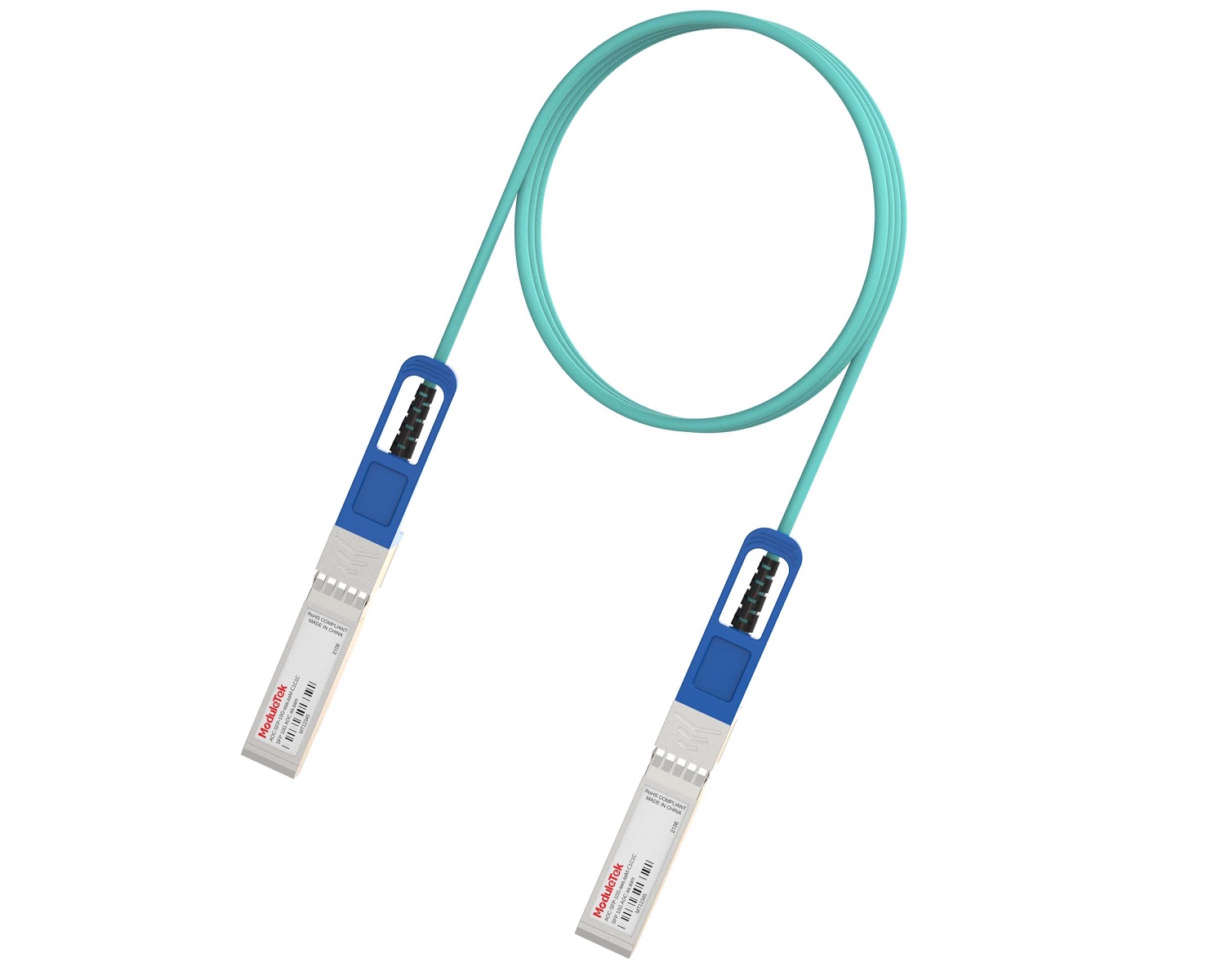 Full-Rate AOC & Breakout Series
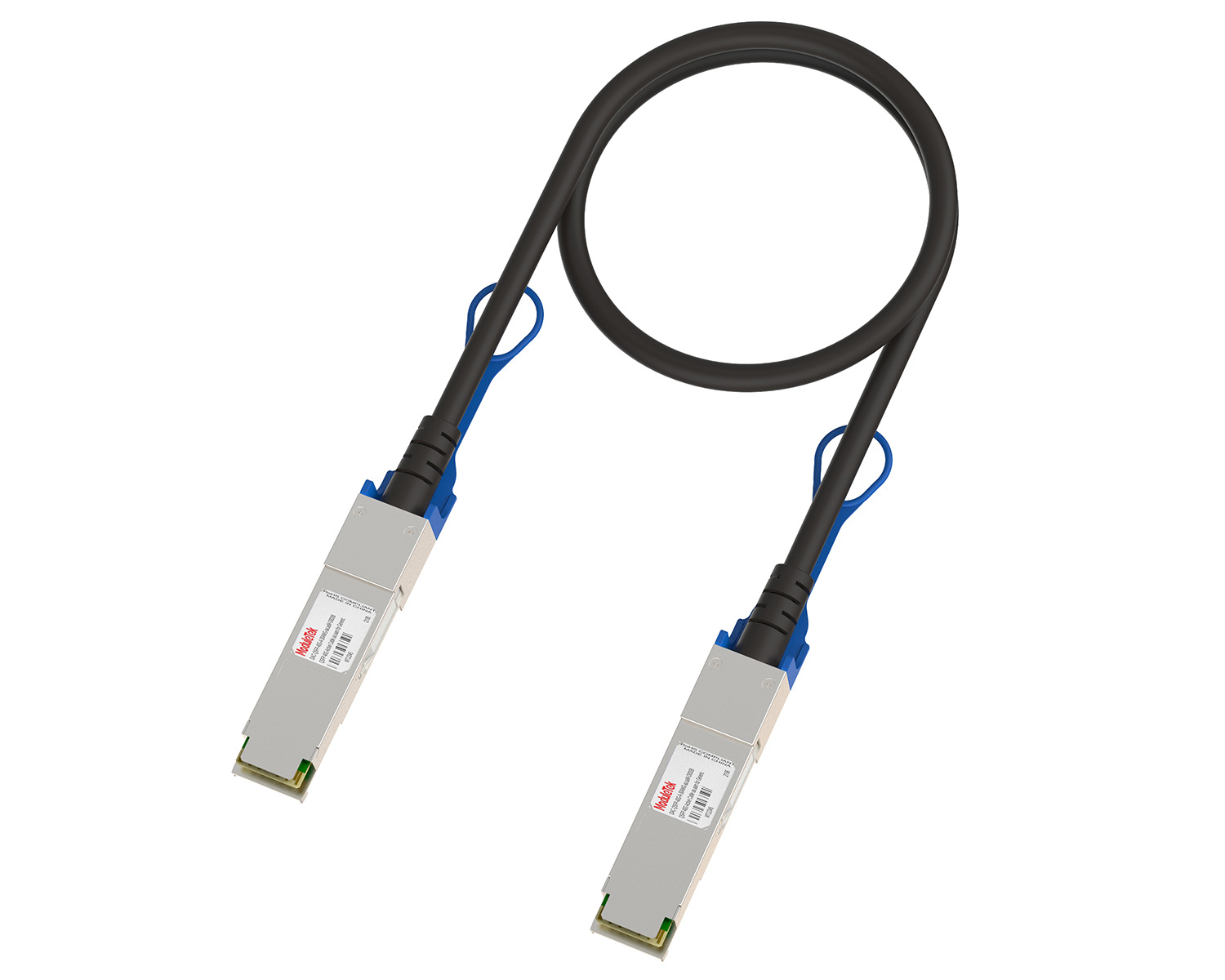 10G/40G Active DAC Series
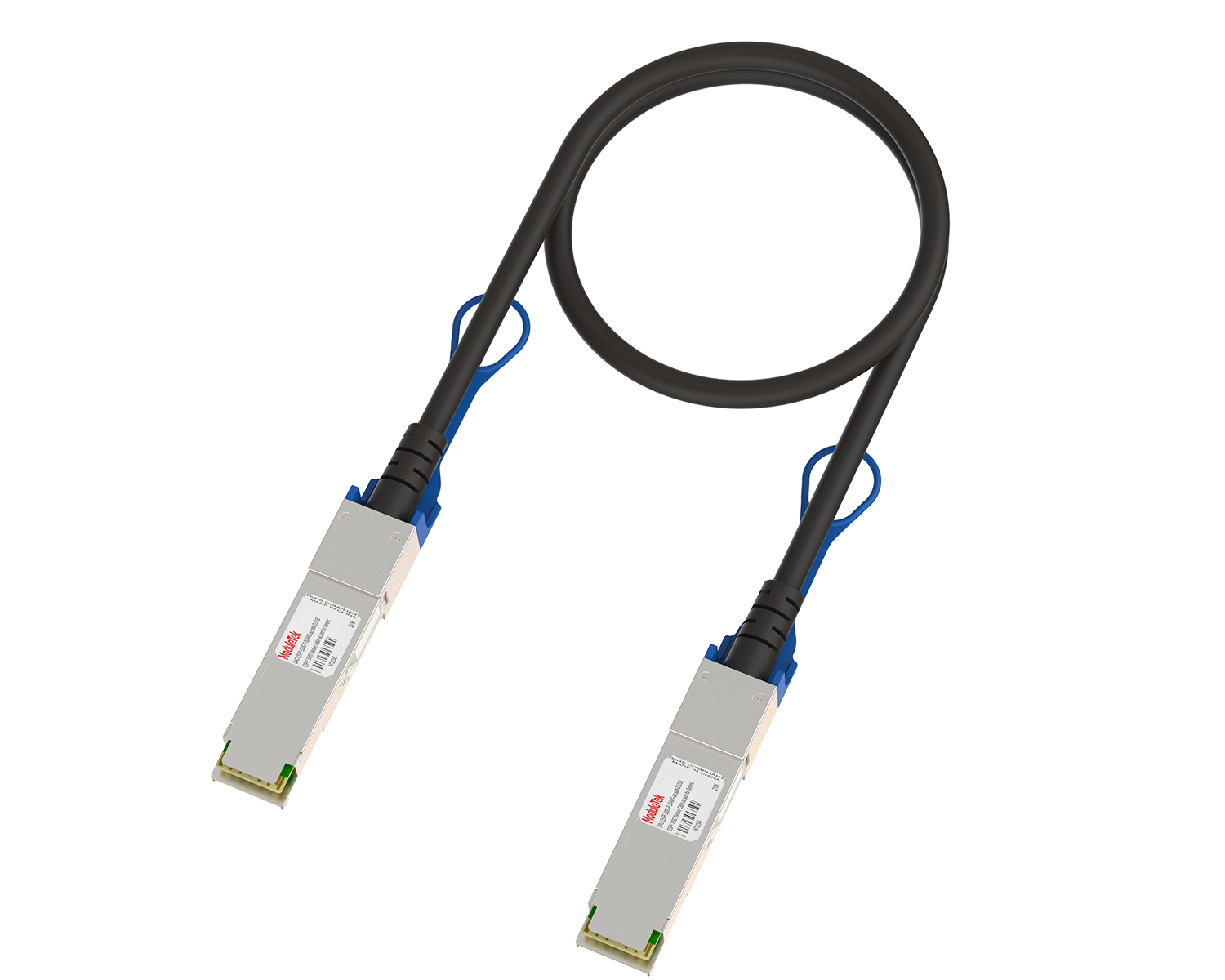 Full-Rate Passive DAC Series
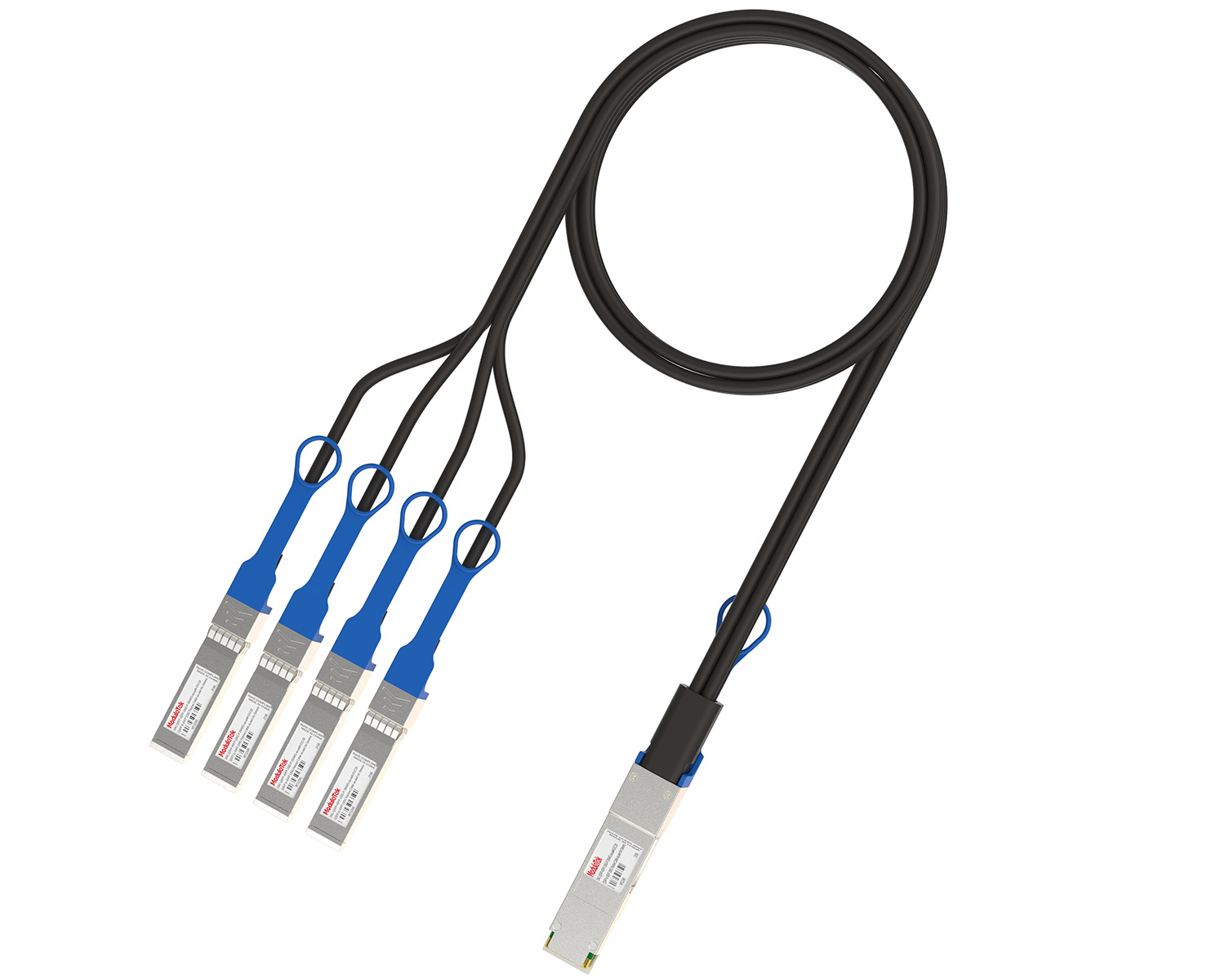 40G/100G Passive Breakout DAC Series
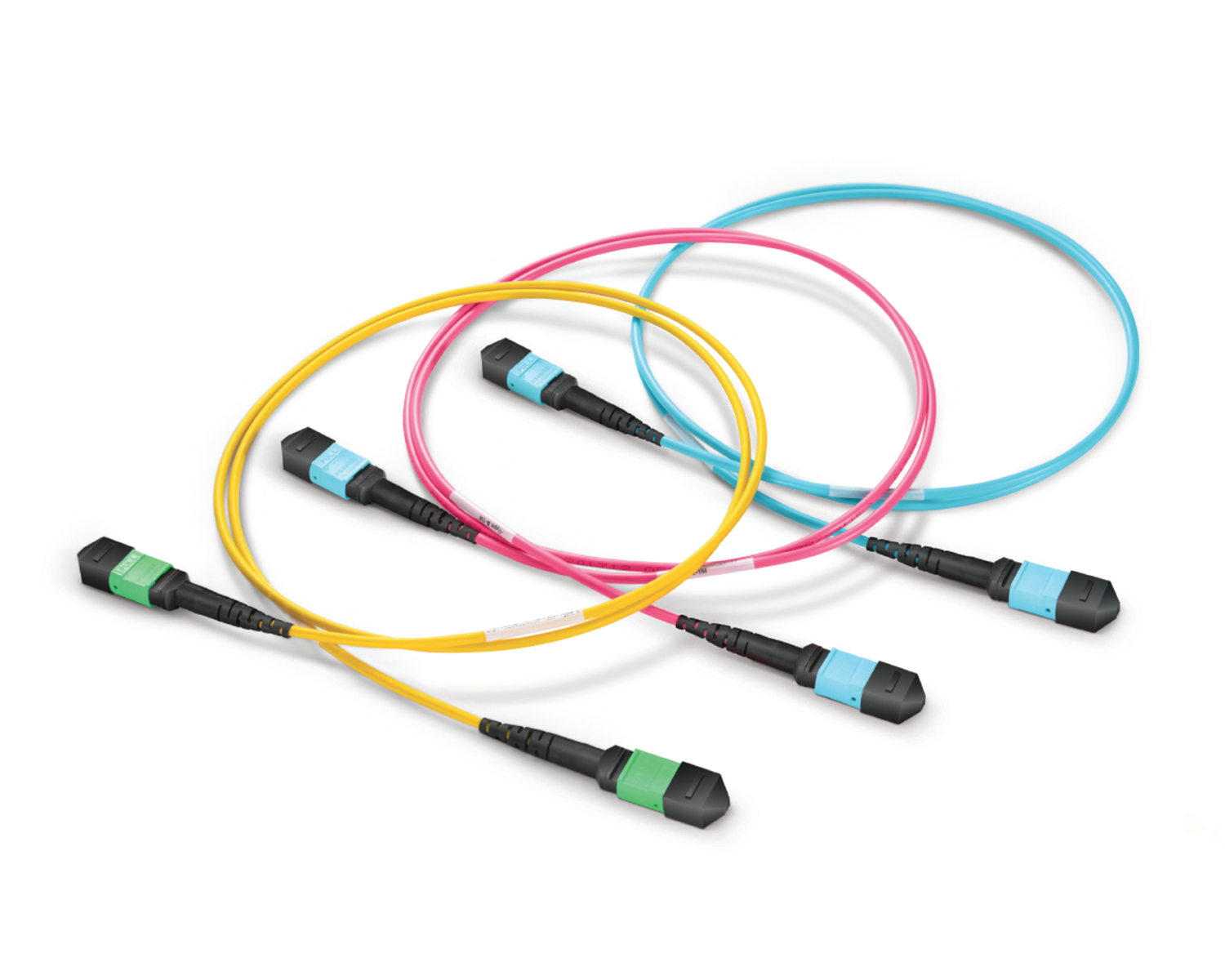 Regular/MTP-MPO Fiber Patch Cords
 MT2011
 MT2010
 CodingBox
 QSFP to SFP Adapter
40G To 10G Active Optical Cable (AOC) Solution
Time: 2020-02-23
1. Introduction to 40G to 10G Active Optical Cable (AOC)
The QSFP-40GB-AOC-4SFP+ active optical cable is specially designed for the interconnection of 40G QSFP ports to 10G SFP+ ports. It uses a multi-fiber multimode optical fiber cable to interconnect one QSFP connector with four SFP+ connectors. As shown in the figure below, the optical engine inside the QSFP end adopts VCSEL and PD arrays to transmit four pairs of transceiving optical signals through multi-channel parallel optical fibers:
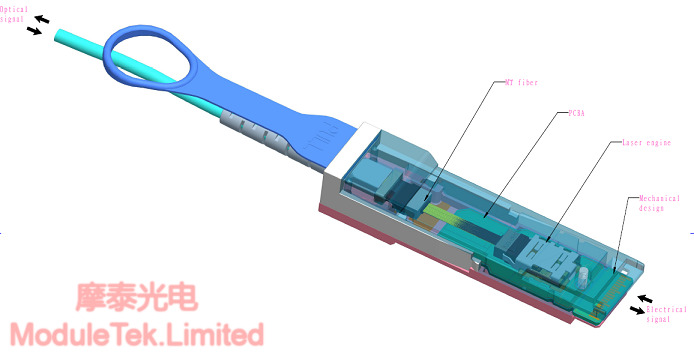
Figure 1 Optical Engine Inside the QSFP End
The four groups of transceiving optical signals are transmitted from the QSFP end to four independent SFP+ connectors via parallel optical fibers, thus enabling the full-duplex application of 40G to 4-channel 10G conversion. The corresponding branch structure is shown as follows:
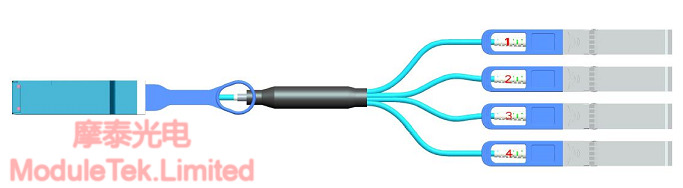
Figure 2 QSFP End Branched into 4 Independent SFP+ Interfaces
The QSFP end adopts reliable VCSEL array technology and is manufactured through the COB process. Each group of internal signals is transmitted independently, so the channels can work independently without mutual interference. Through the register control inside the QSFP, the corresponding channels can be designated to be turned on or off.
By using high-quality OM3 optical fibers, the transmission distance of QSFP-40GB-AOC-4SFP+ can reach 300 meters, which can meet the distance requirements of most indoor transmission scenarios. Meanwhile, due to the excellent anti-interference performance and easy routing of optical fibers, it is an excellent choice for equipment room cabling.
2. Application Method of 40G to 10G Conversion
Common 40G switches on the market (such as Cisco, Huawei, Dell, H3C, etc.) all support the channel splitting function of QSFP ports. After splitting, a QSFP port can be divided into four independent 10G channels. The SFP+ connectors corresponding to these four independent channels can be connected to different switches, servers or network interface cards with SFP+ ports for independent communication.
Take the Huawei S6720-30C-EI-24S-AC switch as an example (as shown in the figure below, the switch itself is equipped with 24 SFP+ and 2 QSFP physical ports). After splitting the No.1 QSFP port, the switch will automatically generate four 10G virtual ports numbered 25, 26, 27 and 28. These four 10G ports correspond to labels 1, 2, 3 and 4 on the fiber cable markers of the SFP+ end one by one. In application, one QSFP port can be used to connect four different 10G devices, making the cabling simpler and the performance more stable.
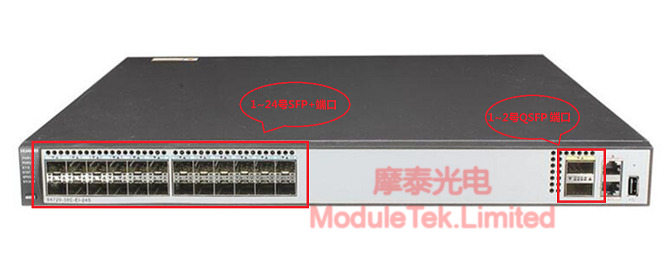
Figure 3 Port Distribution of S6720-30C-EI-24S-AC Switch
Moduletek supplies the products mentioned in this application guide. Welcome to place your orders!
For further inquiries about the above content, please contact us at: sales@moduletek.com