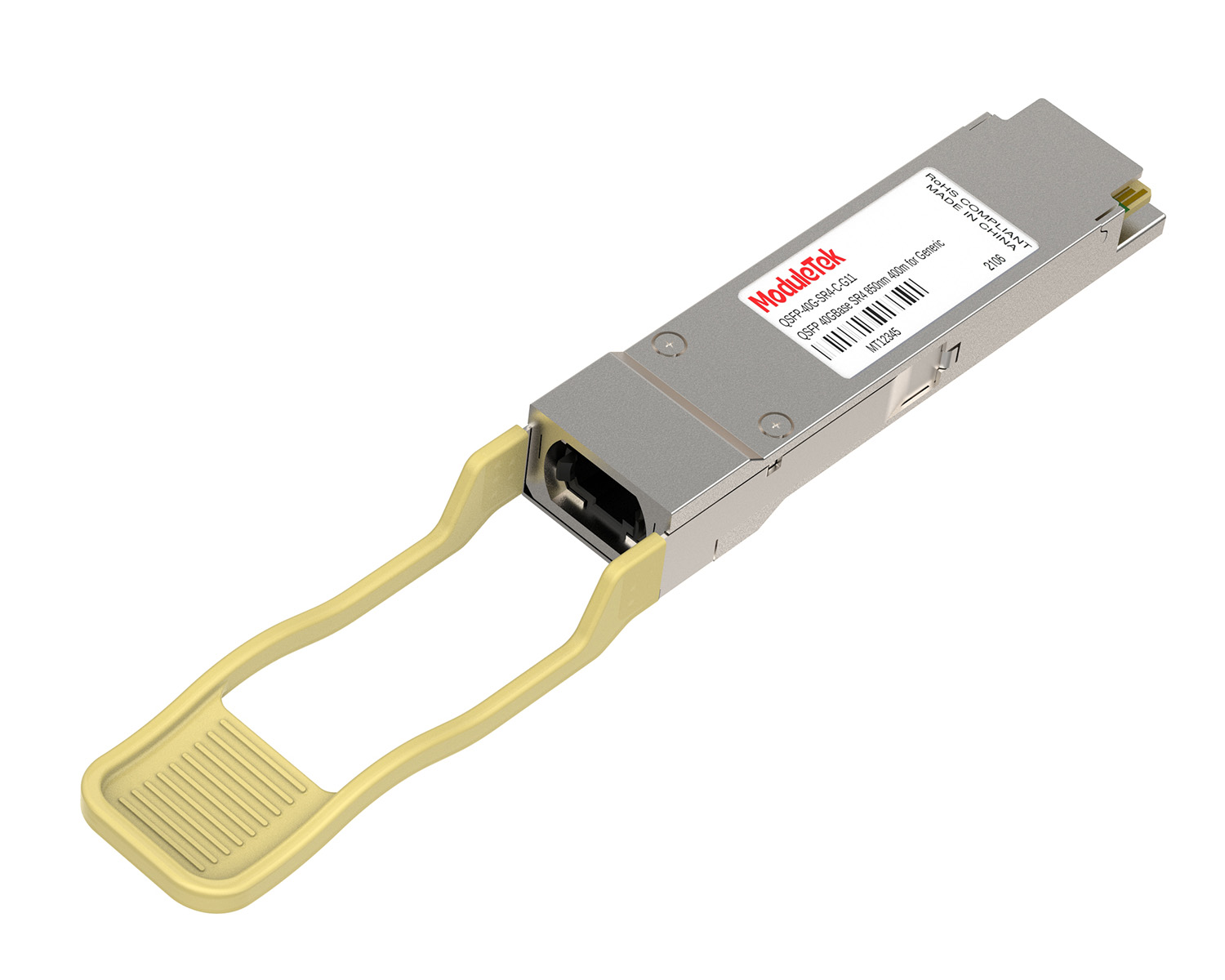
 40G/100G Optical Transceivers
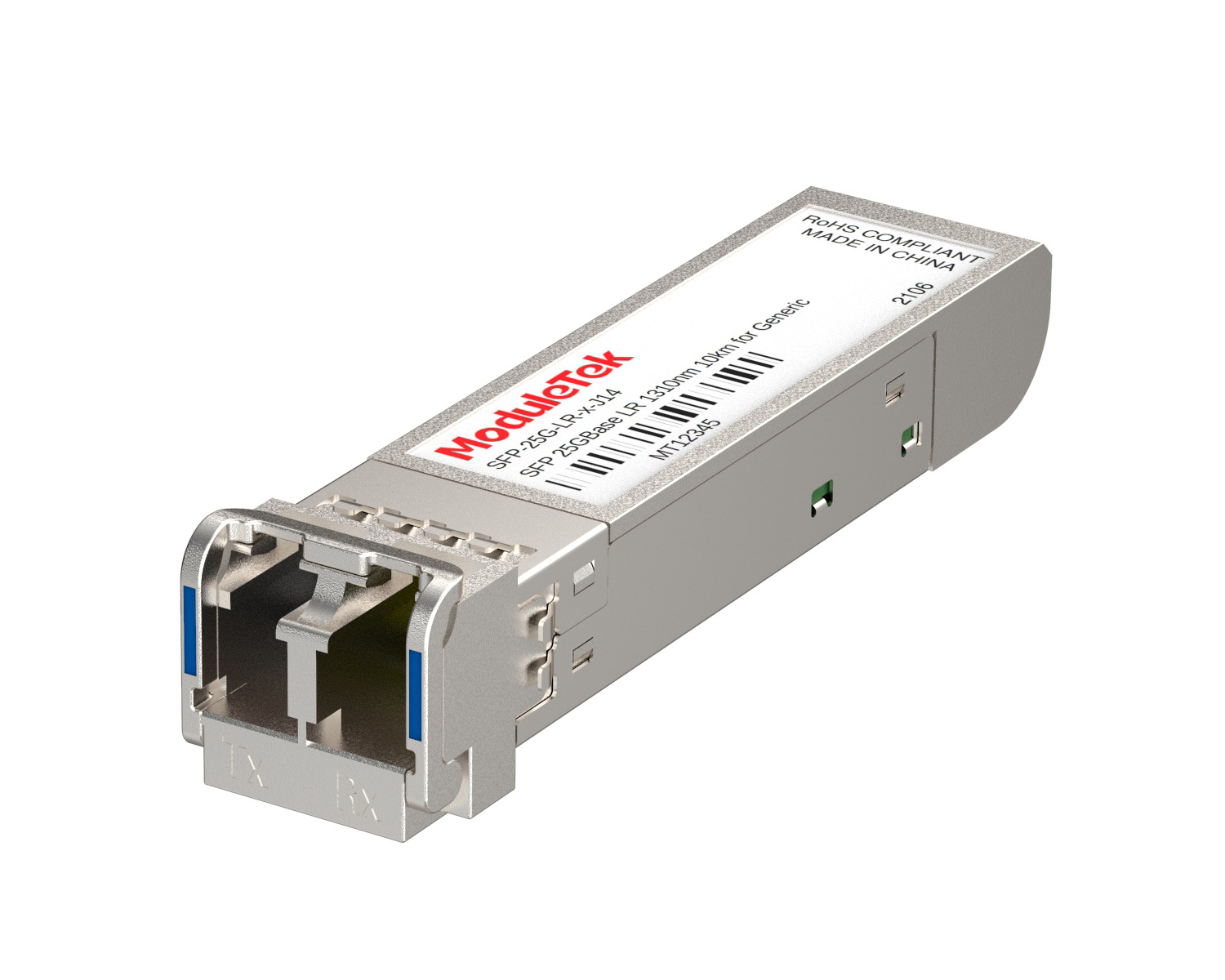 25G Optical Transceivers
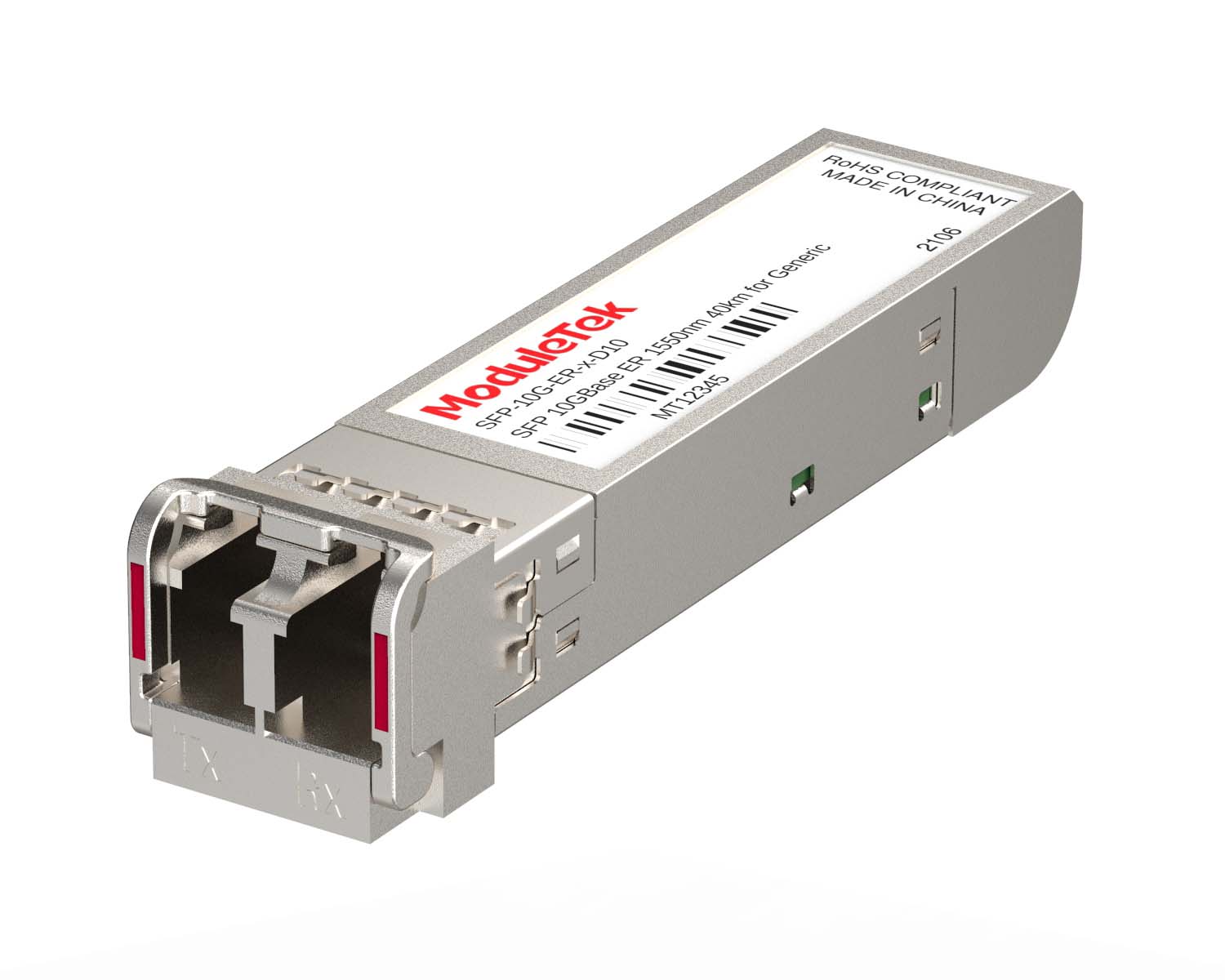 10G Optical Transceivers
 155M/2.5G Optical Transceivers
 1G Optical Transceivers
 1G BIDI Optical Transceivers
 Dual-Rate Optical Transceivers
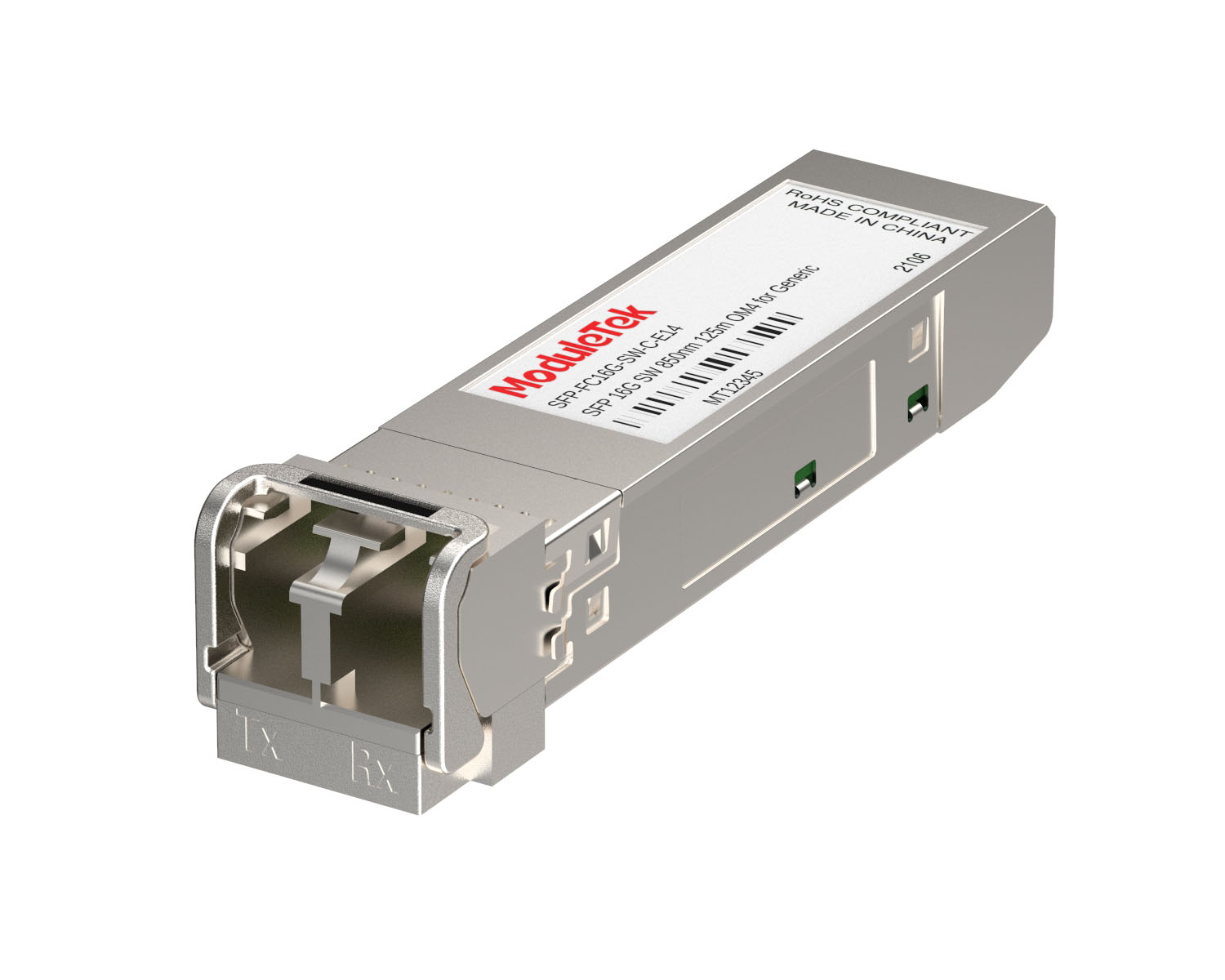 FC 16G/32G Optical Transceivers
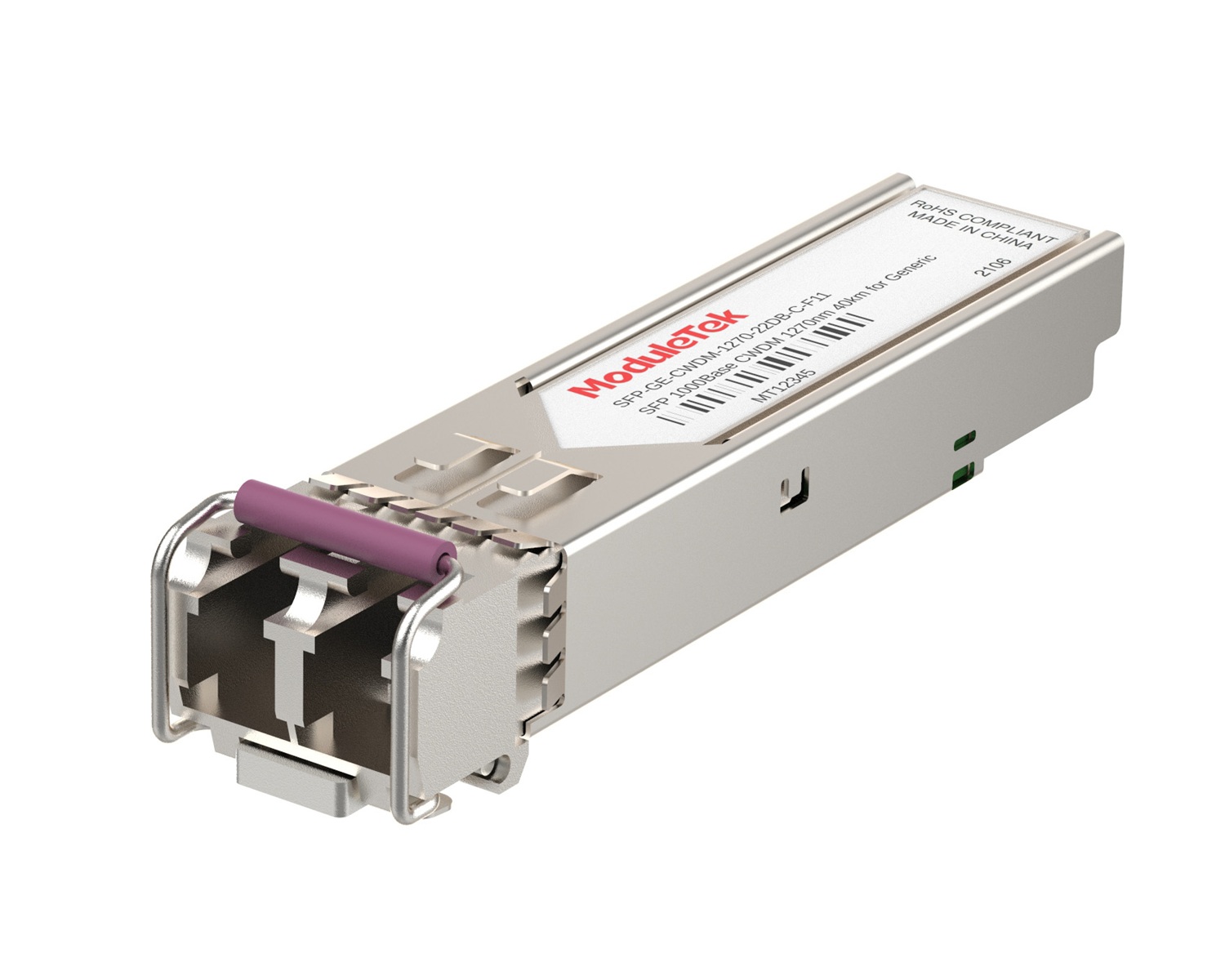 CWDM Optical Transceivers
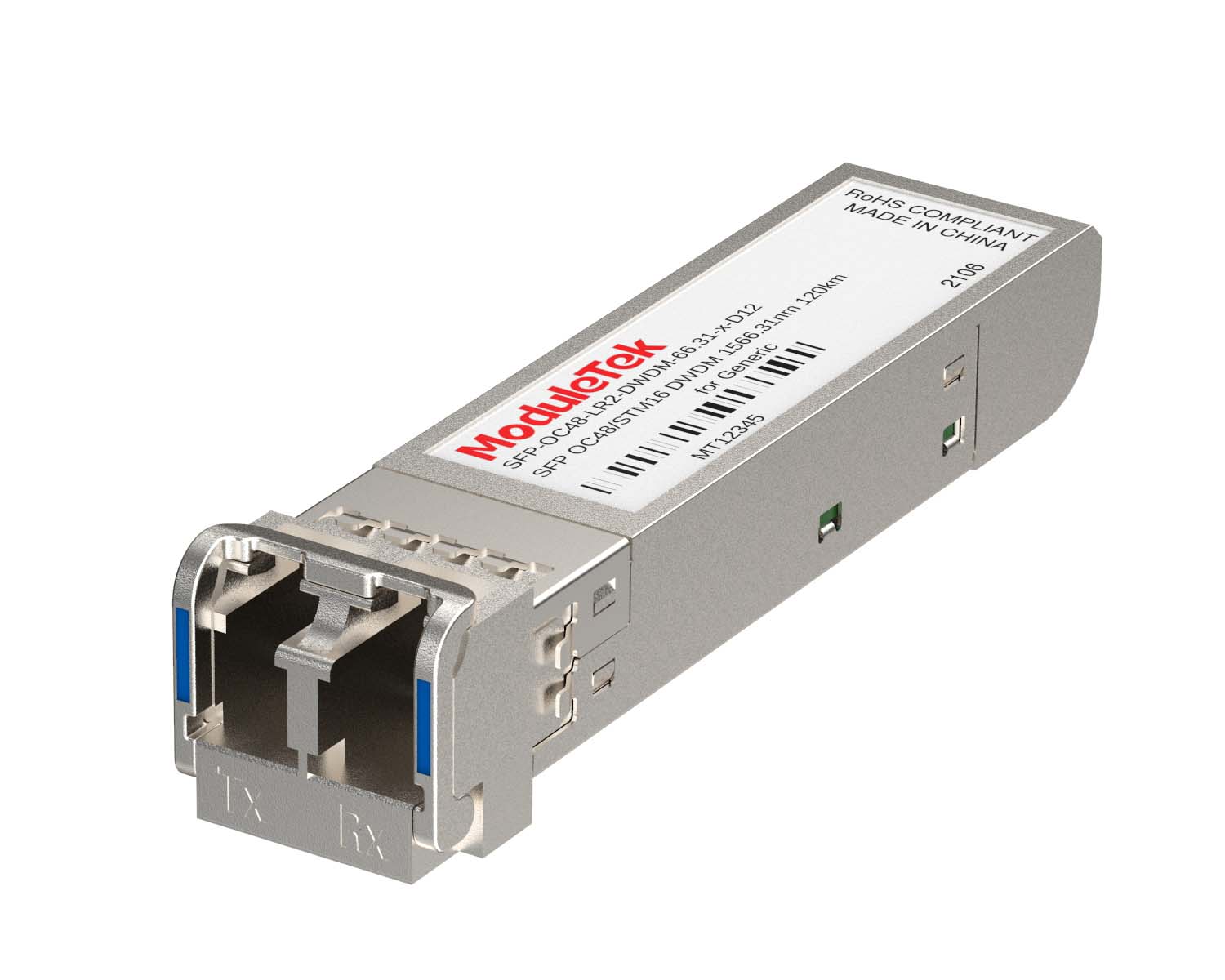 DWDM Optical Transceivers
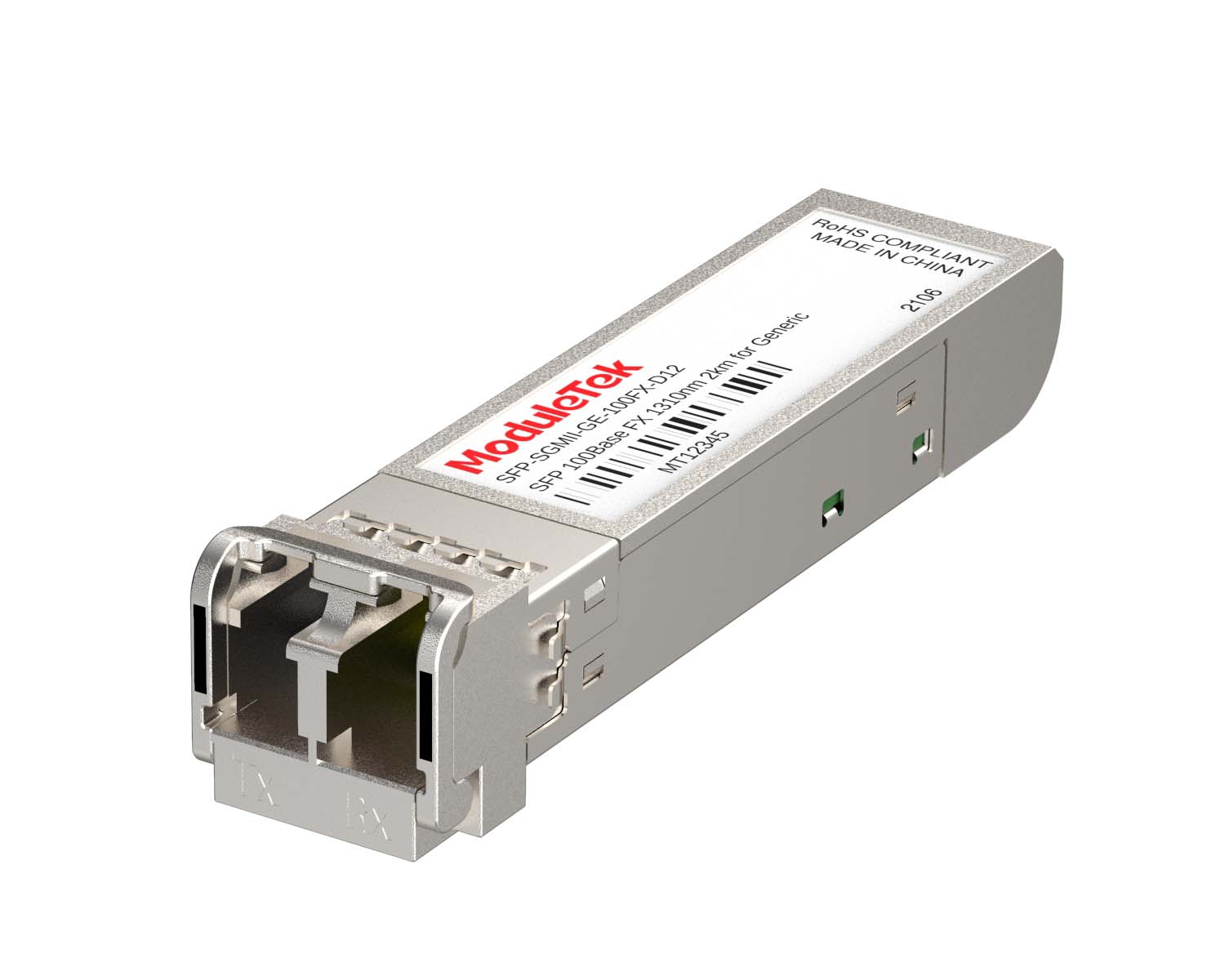 SGMII Port Optical Transceivers
 XFP Optical Transceivers
 100M/1G/10G Coppers
 Full-Rate AOC & Breakout Series
 10G/40G Active DAC Series
 Full-Rate Passive DAC Series
 40G/100G Passive Breakout DAC Series
 Regular/MTP-MPO Fiber Patch Cords
 MT2011
 MT2010
 CodingBox
 QSFP to SFP Adapter
 首页 > Home > Application Notes > Optical Modules For Commercial, Extended And Industrial Temperatures
Optical Modules For Commercial, Extended And Industrial Temperatures
Time: 2020-03-29
Optical modules can be categorized into commercial temperature, extended temperature and industrial temperature grades based on their operating temperature ranges, as shown below:
Table 1 Operating Temperature Ranges of Optical Modules
|
Commercial Temperature
|
0℃ to 70℃
|
|
Extended Temperature
|
-5℃ to 85℃
|
|
Industrial Temperature
|
-40℃ to 85℃
|
Users can select modules with different temperature grades according to the actual application environment. The wider the required operating temperature range, the higher the requirements for module performance, and the higher the module price. Generally, for indoor constant temperature rooms with cooling systems, commercial temperature modules are the optimal choice. For outdoor nodes in tropical areas, extended temperature modules can be considered. However, outdoor nodes in mid-to-high latitudes (e.g., Beijing) require industrial temperature grade optical modules.
It should be noted that the above temperatures refer to the shell temperature, not the ambient temperature. Because optical modules generally have a metal die-cast shell, their shell temperatures in different regions are relatively consistent. Accurate measurement of the module's shell temperature generally requires a contact temperature probe.
Mainstream optical modules nowadays are generally equipped with Digital Diagnostic Monitoring (DDM) functions. Each module is preset with internal temperature thresholds in accordance with MSA (Multi-Source Agreement) requirements and reports the shell temperature in real time. The host computer can read the shell temperature of the optical module, allowing network administrators to monitor whether the module is operating within the normal temperature range.
Table 2 Temperature Thresholds of Optical Modules
|
|
AlarmH
|
AlarmL
|
AlarmH
|
AlarmL
|
|
Commercial Temperature
|
75℃
|
-5℃
|
70℃
|
0℃
|
|
Extended Temperature
|
90℃
|
-10℃
|
85℃
|
-5℃
|
|
Industrial Temperature
|
90℃
|
-45℃
|
85℃
|
-40℃
|
To avoid failures caused by excessive operating temperatures of optical modules, the following suggestions can be referred to:
1. Select the appropriate grade of optical modules (commercial, extended, or industrial) based on the application environment.
2. Pay attention to the thermal design of the equipment. Usually, equipment with a good cooling duct structure and active fan ventilation will have module temperatures closer to the ambient temperature.
3. Try to use optical modules that support DDM (Digital Diagnostic Monitoring) functions to monitor the temperature and other operating statuses of the modules.
4. Consider inserting high-power optical modules into switch ports at intervals to reduce localized overheating. Among SFP modules, EML laser 10G long-distance modules and 10G electrical port modules have relatively high power consumption. Overheating is likely to occur under the superimposition of factors such as high-density installation, high ambient temperature, and insufficient host ventilation.
Moduletek provides the products mentioned in this application guide. Welcome to place your orders!
For further inquiries about the above content, please contact us at: sales@moduletek.com