
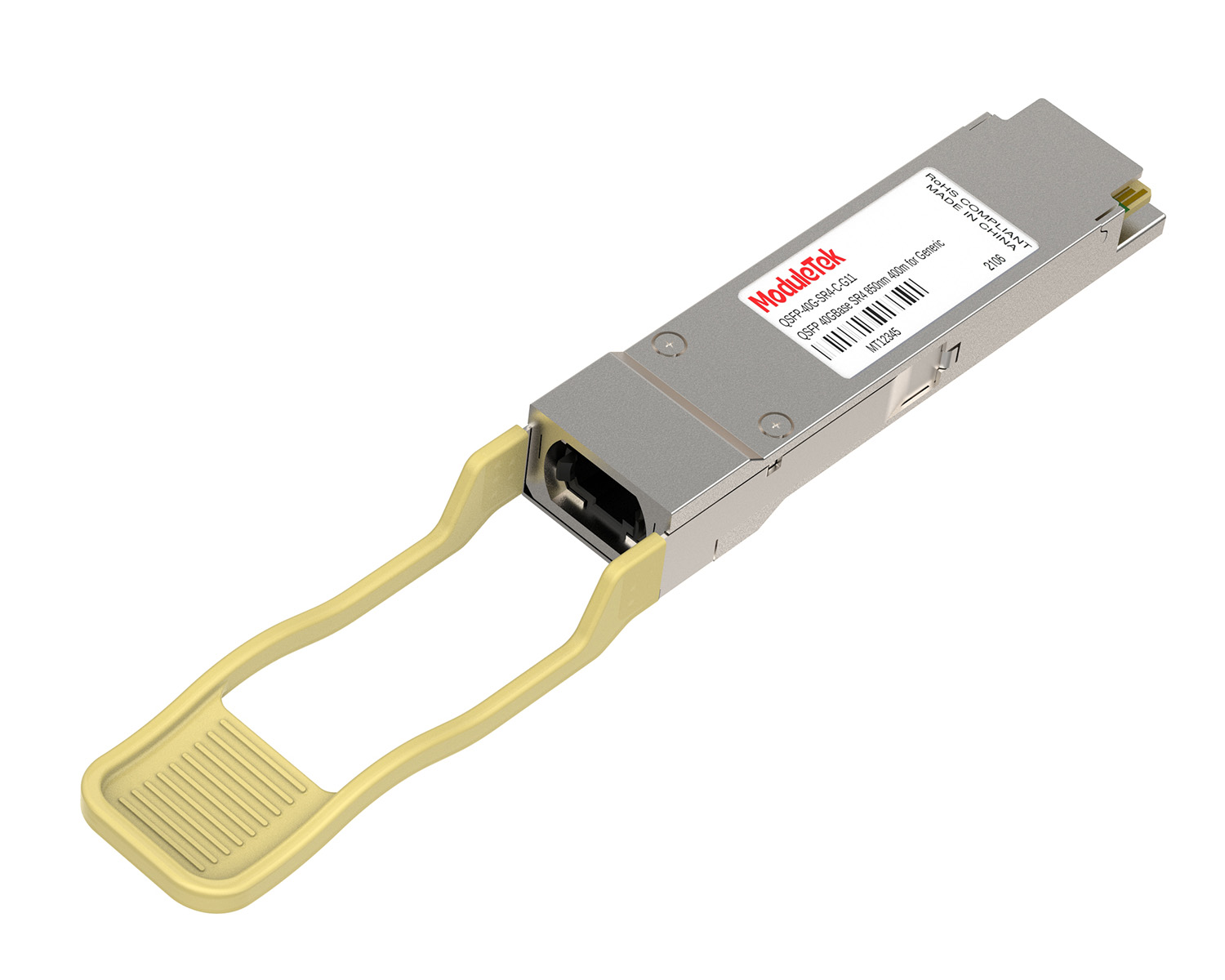
 40G/100G Optical Transceivers
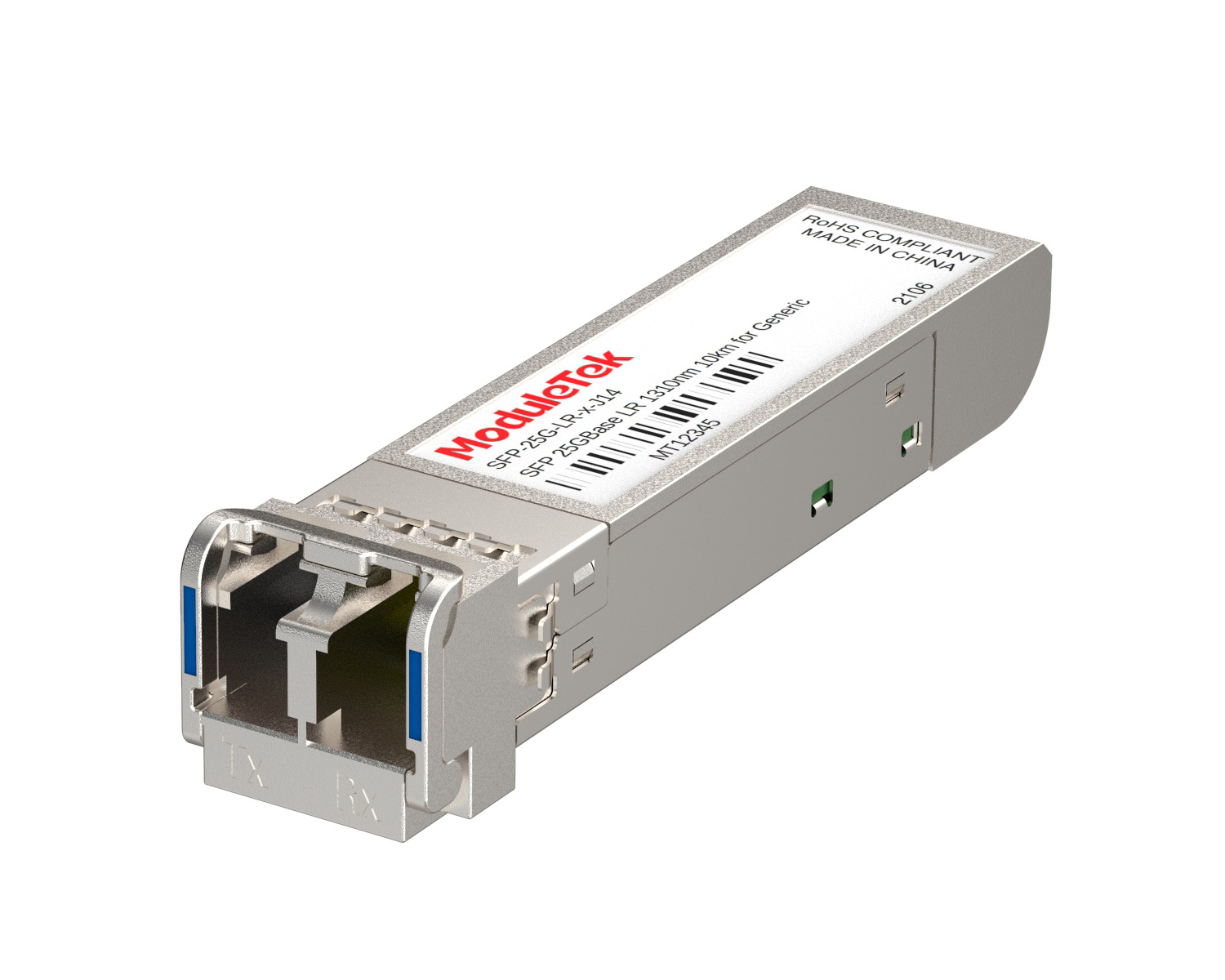 25G Optical Transceivers
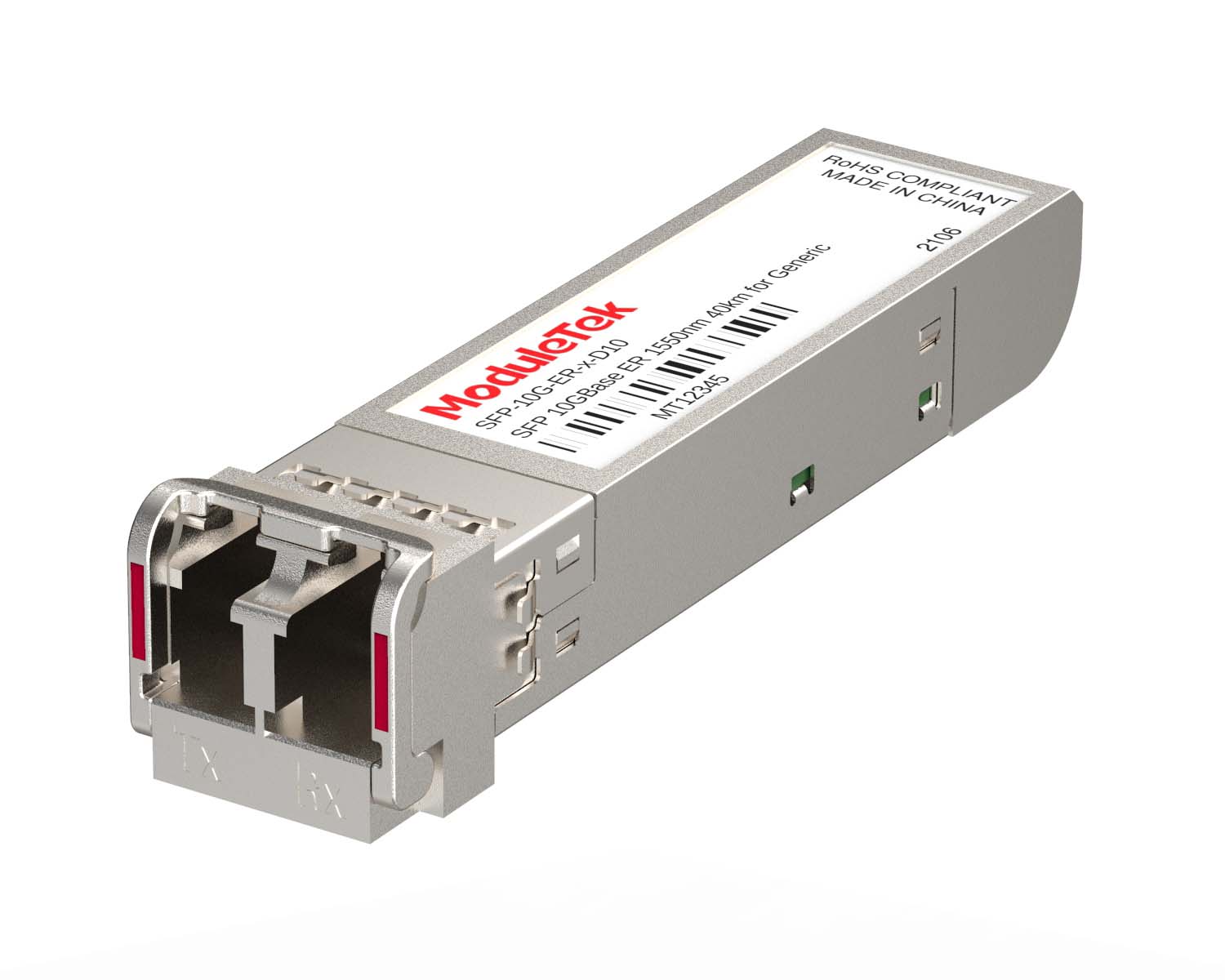 10G Optical Transceivers
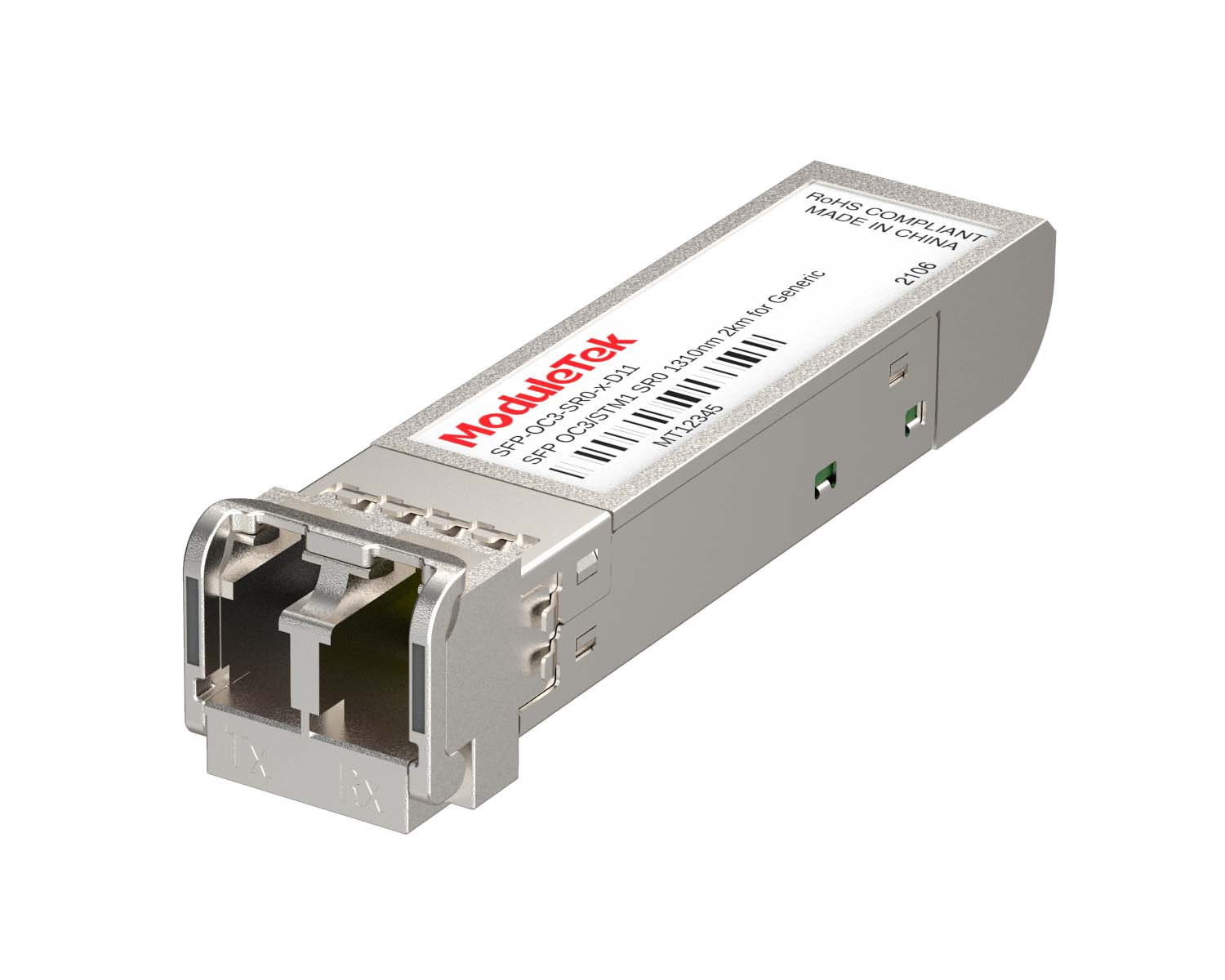 155M/2.5G Optical Transceivers
 1G Optical Transceivers
 1G BIDI Optical Transceivers
 Dual-Rate Optical Transceivers
 FC 16G/32G Optical Transceivers
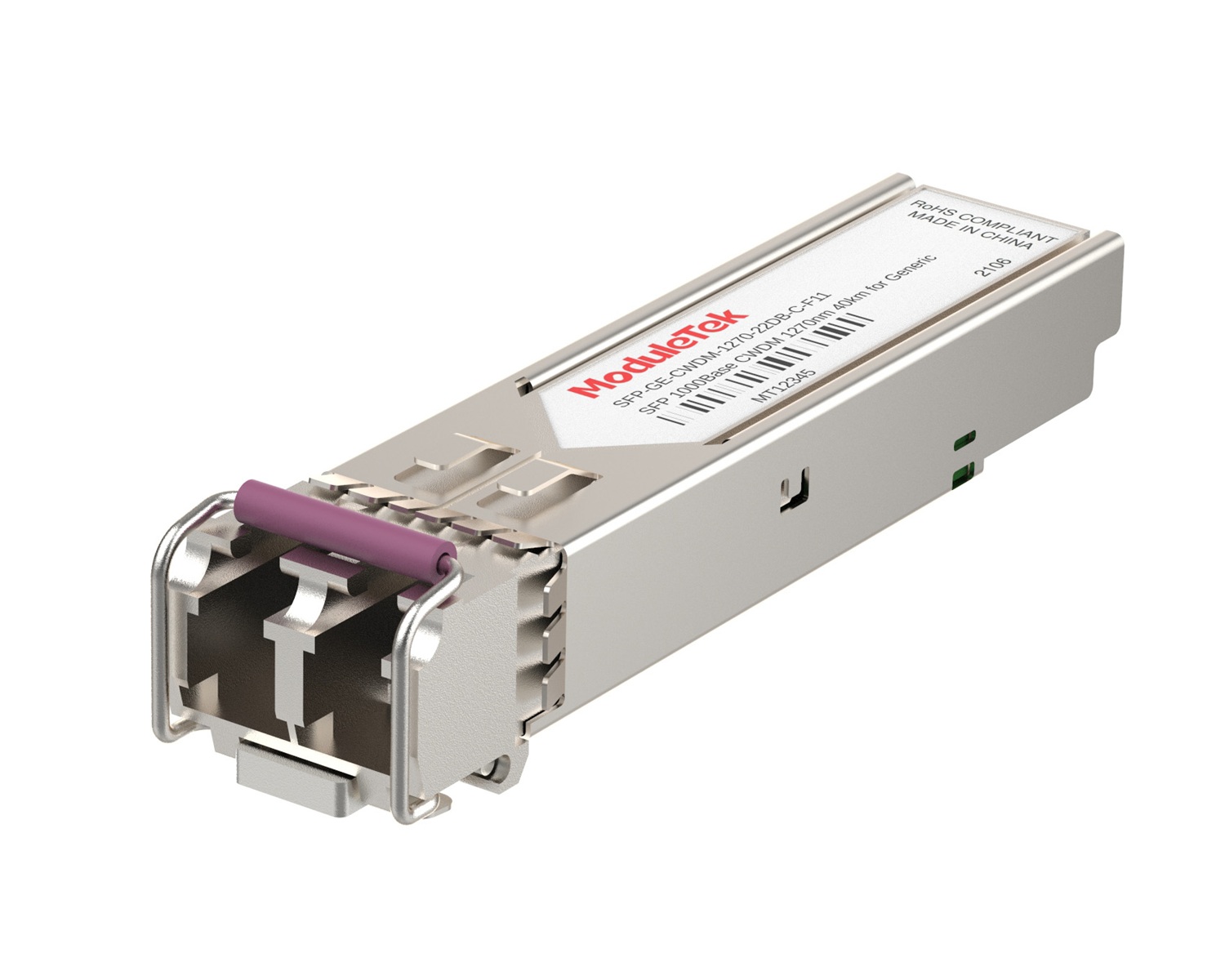 CWDM Optical Transceivers
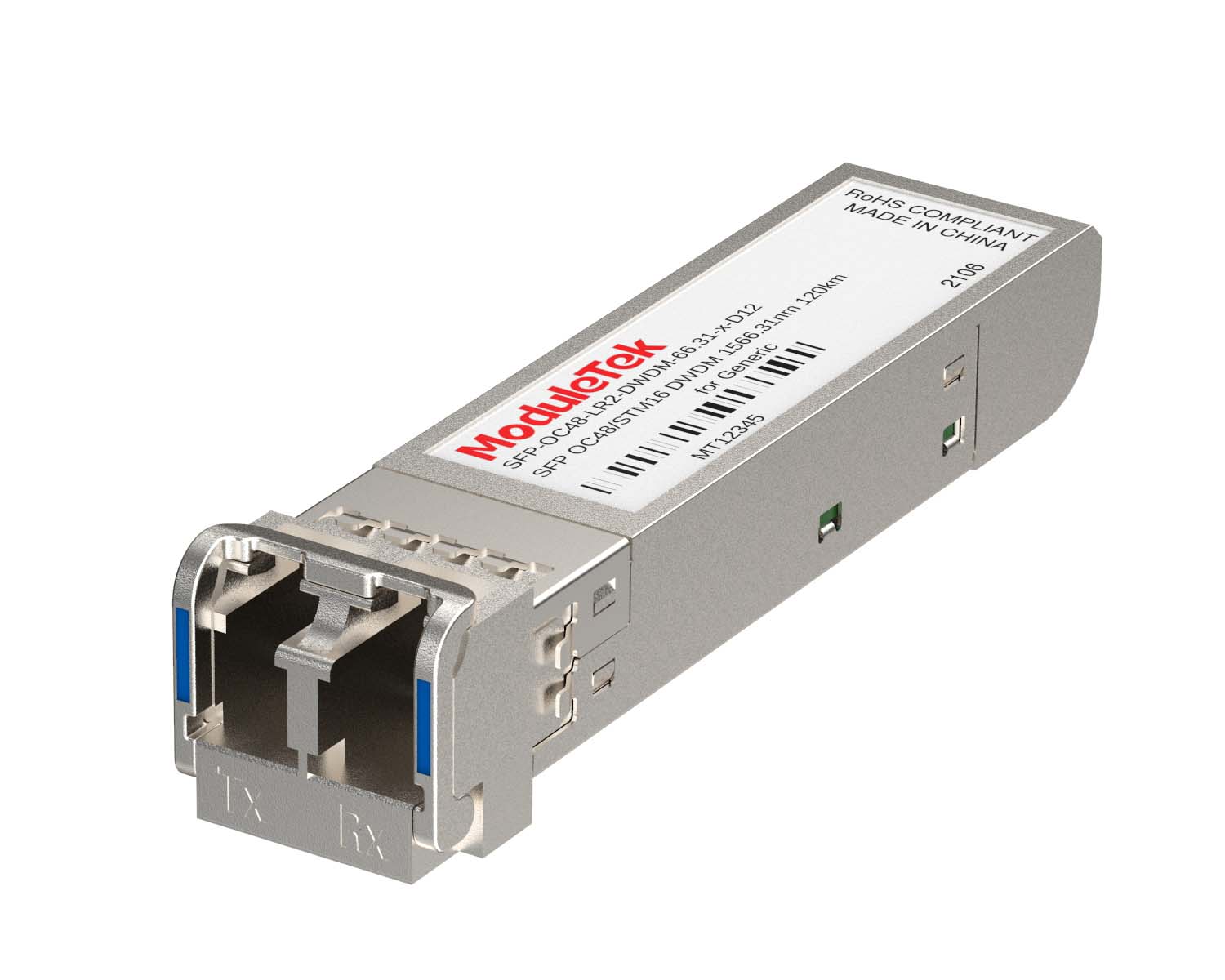 DWDM Optical Transceivers
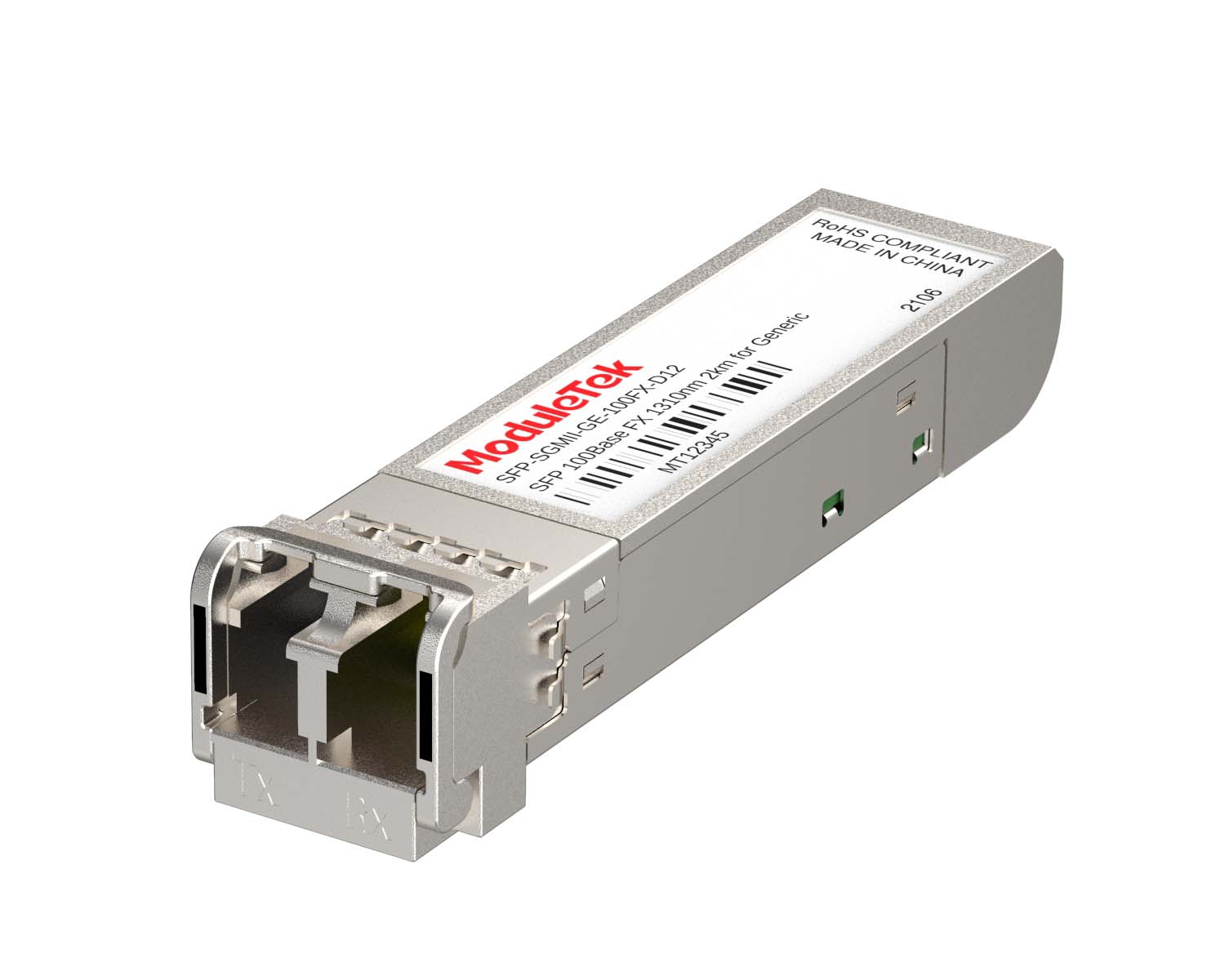 SGMII Port Optical Transceivers
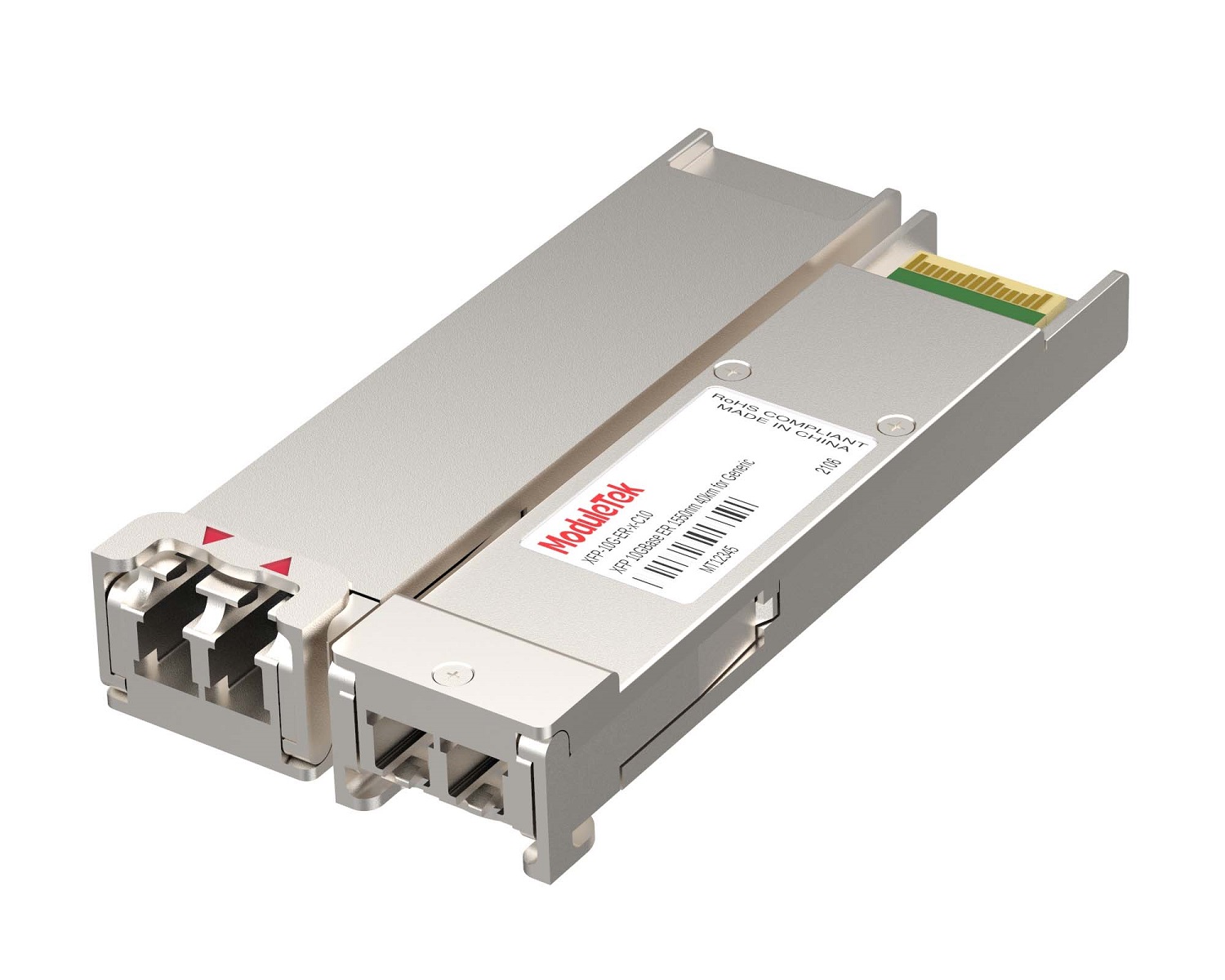 XFP Optical Transceivers
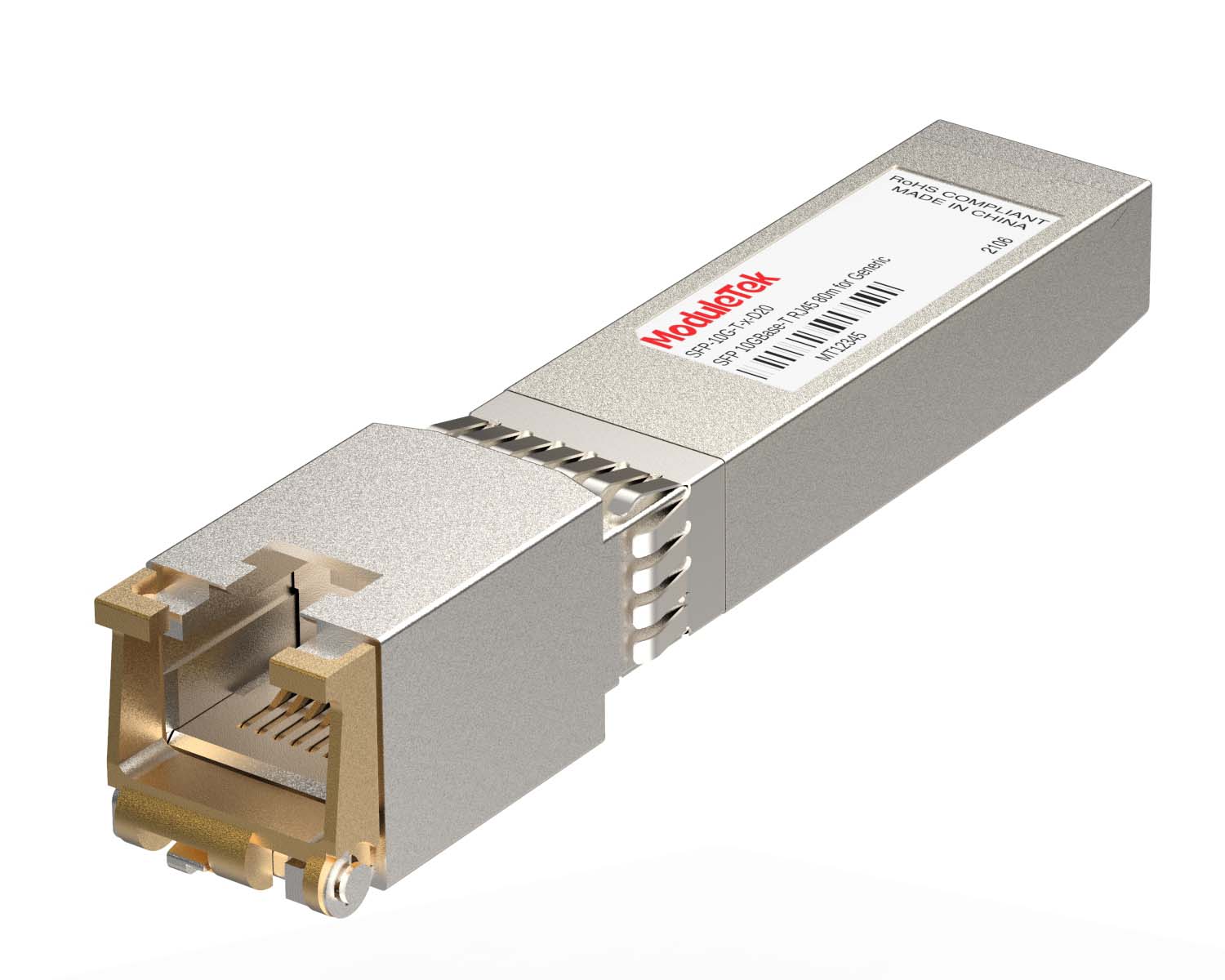 100M/1G/10G Coppers
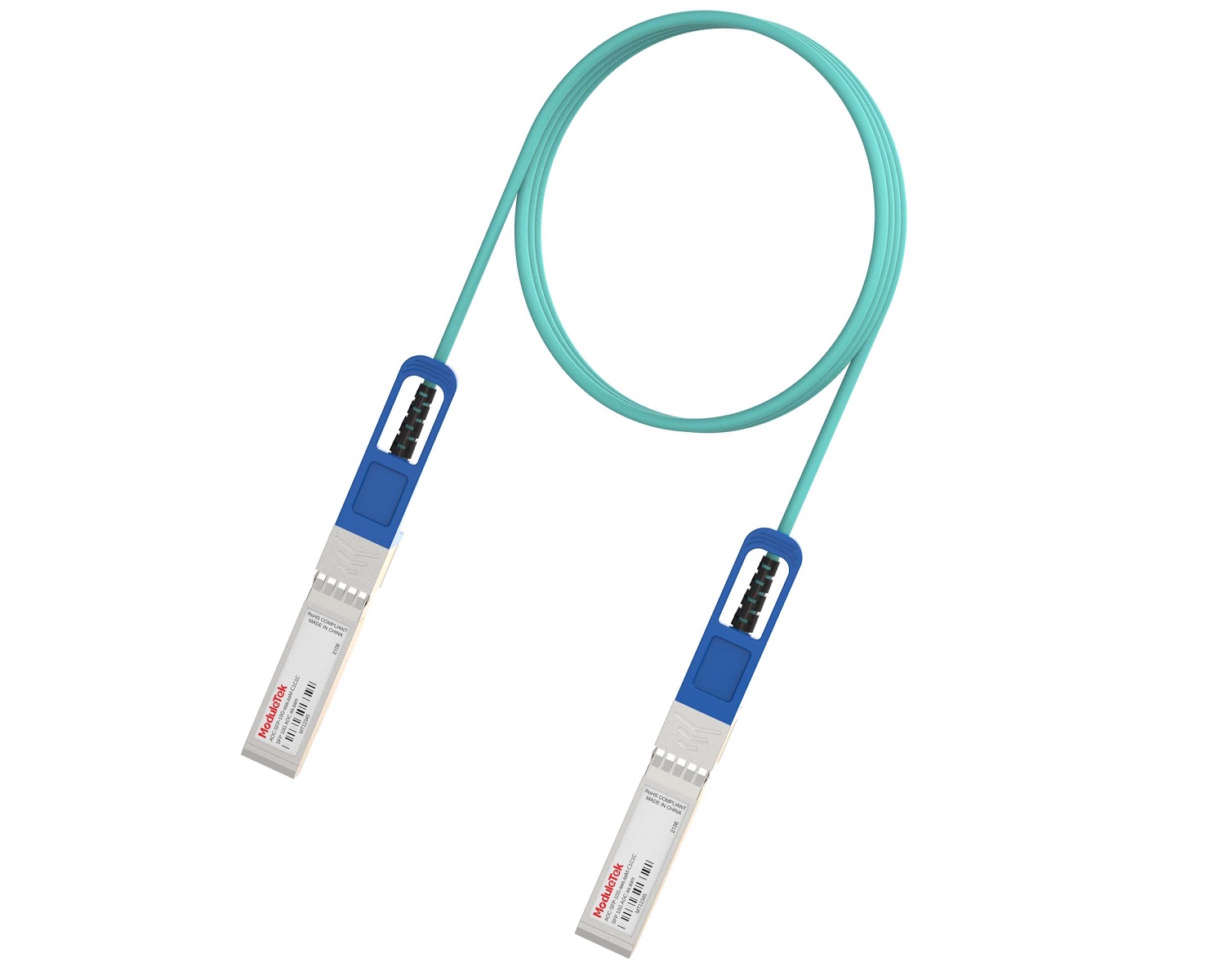 Full-Rate AOC & Breakout Series
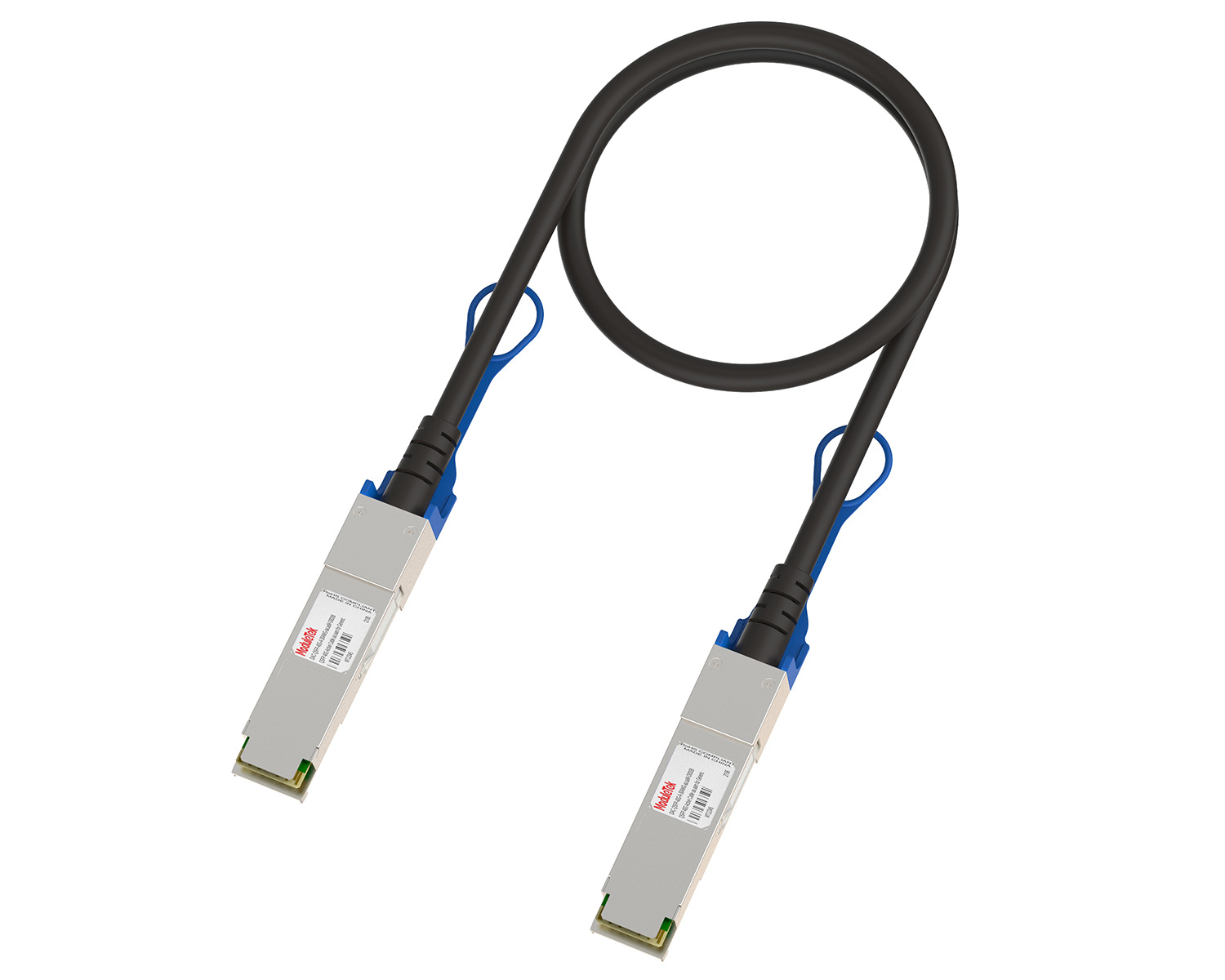 10G/40G Active DAC Series
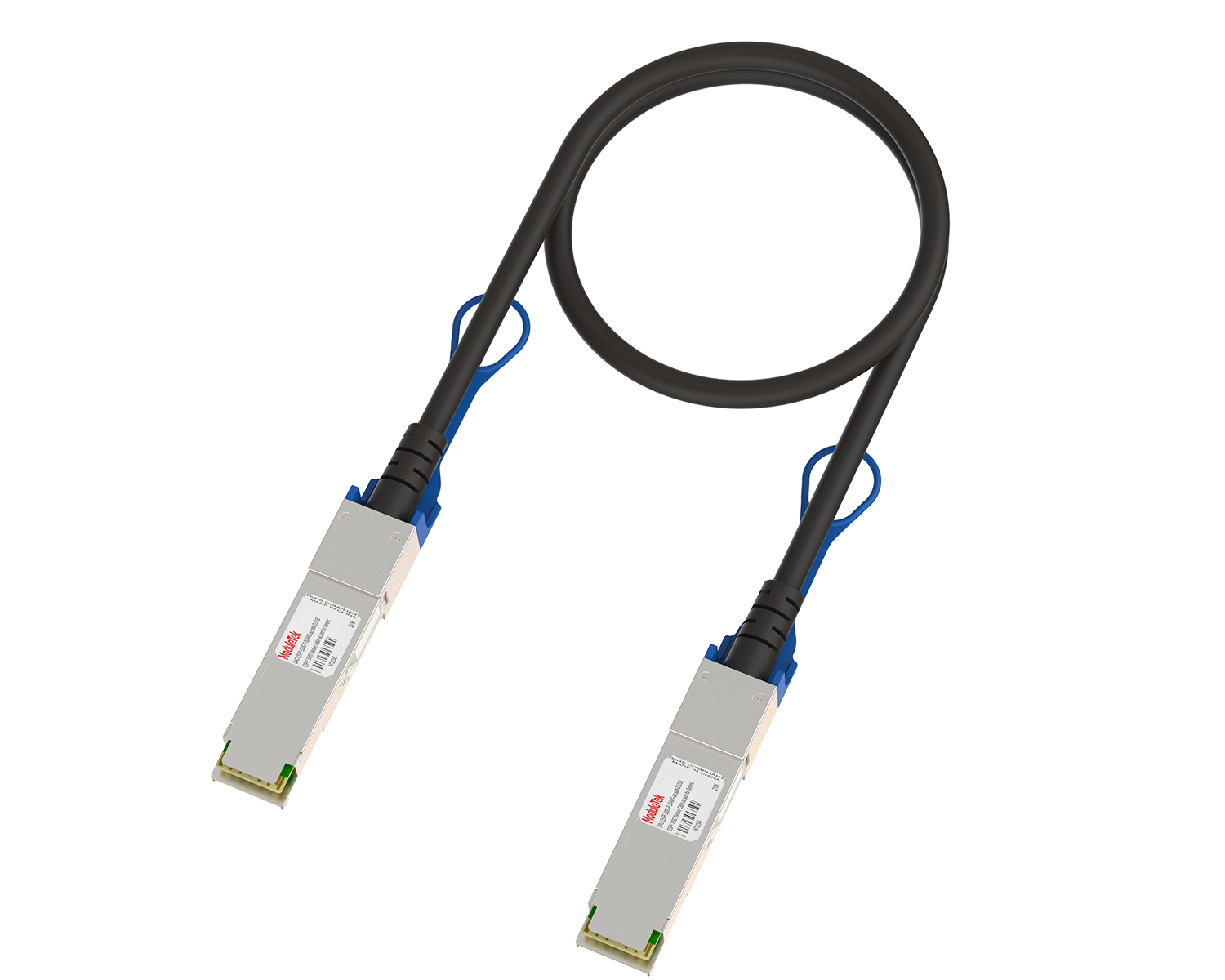 Full-Rate Passive DAC Series
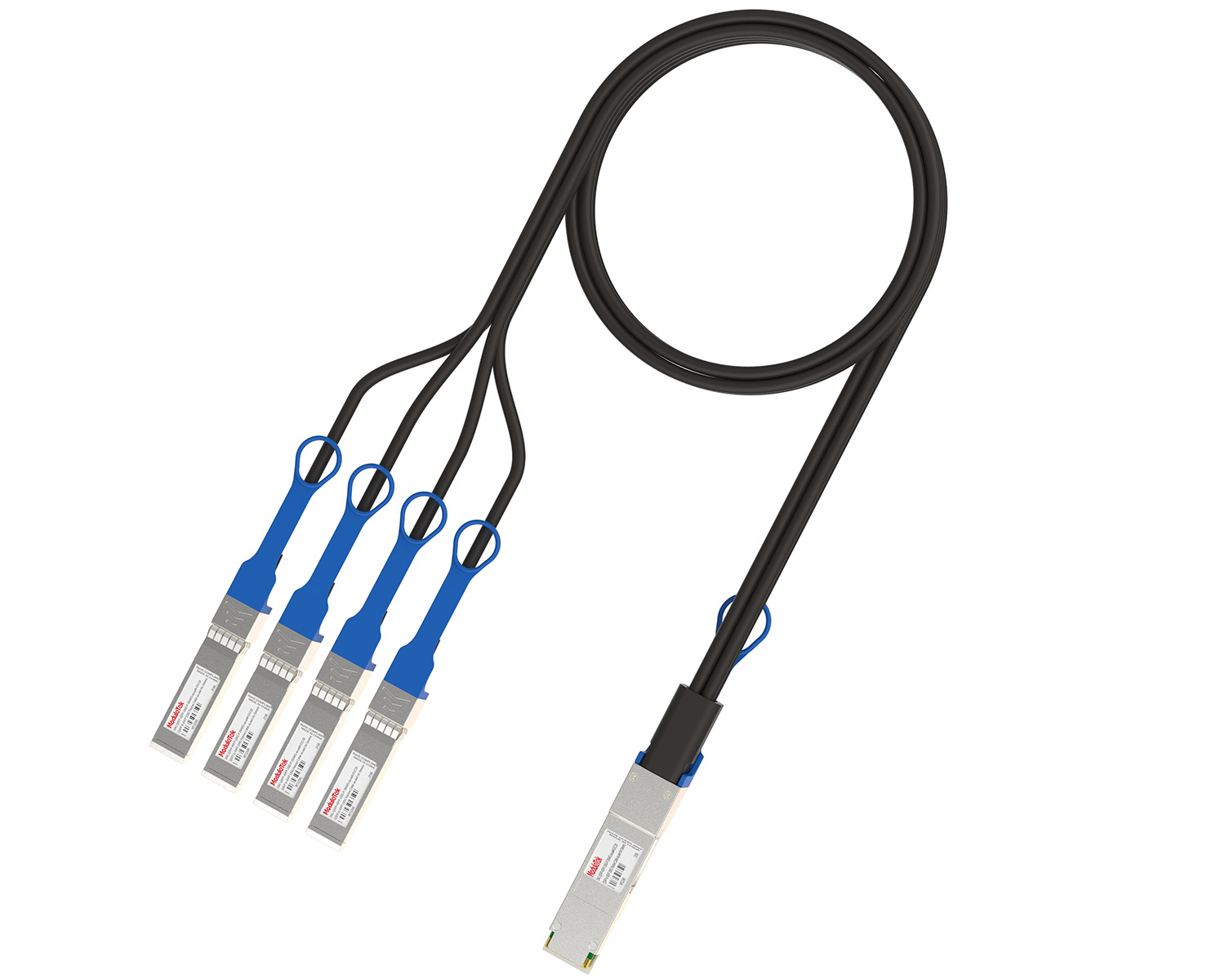 40G/100G Passive Breakout DAC Series
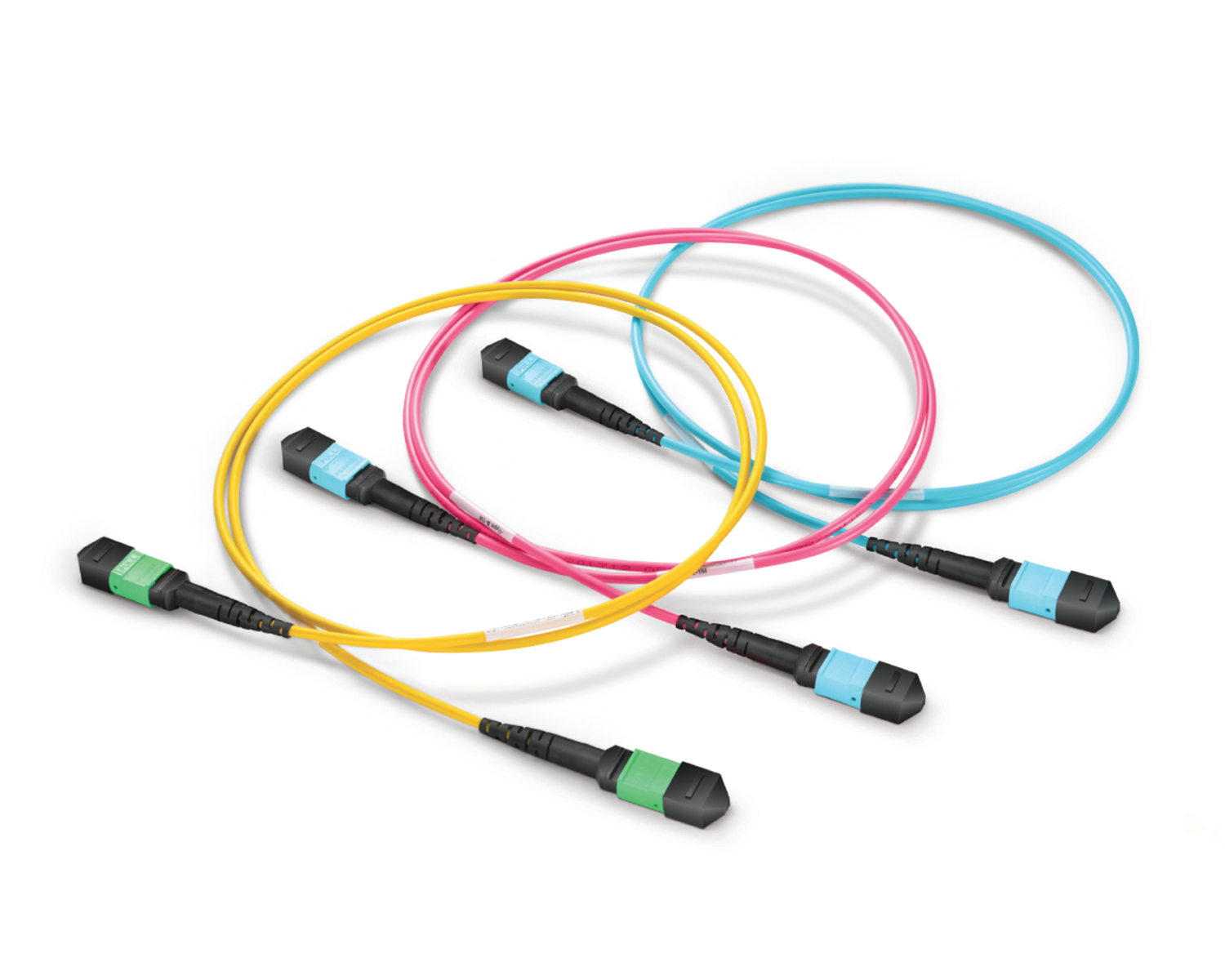 Regular/MTP-MPO Fiber Patch Cords
 MT2011
 MT2010
 CodingBox
 QSFP to SFP Adapter
How To Choose Between DAC And AOC
Time: 2020-03-29
In data centers, high-speed and high-reliability interconnection transmission is required between equipment such as high-performance computers and large-capacity storage devices. DAC and AOC are commonly used for this purpose. Moduletek produces both DAC and AOC products. Many people are unclear about the differences between them and thus do not know how to choose. Today, we will elaborate on DAC and AOC to help you better understand and select the right product.
What is DAC?
DAC, short for Direct Attach Cable, is generally translated as direct-attach cable or direct-attach copper cable. It is divided into Passive DAC (Passive Copper Cable) and Active DAC (Active Copper Cable). DAC transmits electrical signals in the middle, without involving electrical-to-optical or optical-to-electrical conversion.
Passive DAC: It uses shielded high-speed differential copper cables, with no chips on the circuit boards at either end. No signal processing is performed during the entire signal transmission process (see Figure 1). Passive DAC is the preferred solution for short-distance applications, commonly used for data transmission between the same cabinet or adjacent cabinets in data centers. Its key features are low cost, ultra-low power consumption (less than 0.1 watts), and high reliability.

Figure 1 Passive Copper Cable (Passive DAC)
Active DAC: Similar to passive DAC, it also uses shielded high-speed differential copper cables. However, it is equipped with internal high-speed electrical signal compensation chips (such as pre-emphasis and equalization chips) to compensate for the attenuation of electrical signals during transmission. This enables longer data transmission distances between devices like switches without compensation functions (see Figure 2). Compared with passive DAC, its biggest advantages are thinner cables and longer transmission distance.

Figure 2 Active Copper Cable (Active DAC)
What is AOC?
AOC, short for Active Optical Cable, is translated as active optical cable. It consists of two modules at both ends and a section of optical fiber in the middle (see Figure 3). The circuit boards in the modules at both ends are equipped with optical transmitters and receivers. Their function is to convert electrical signals into optical signals at the transmitter end for transmission over the optical fiber, and then convert the optical signals back into electrical signals at the receiver end. Thanks to optical signal transmission, AOC has a longer transmission distance than DAC. However, the involvement of optoelectronic conversion makes its design and processing more complex, resulting in higher cost and power consumption.

Figure 3 Active Optical Cable (AOC)
Parameter Comparison Between DAC and AOC
Table 1 Parameter Comparison of DAC and AOC
|
|
Transmission Medium
|
Wire Diameter
|
Transmission Distance
|
Power Consumption
|
Cost
|
|
Passive Copper DAC
|
Copper Wire
|
Thick
|
Short (≤10m)
|
Ultra-low
|
Low
|
|
Active Copper DAC
|
Copper Wire
|
Medium
|
Medium(≤15m)
|
Medium
|
Medium
|
|
Active Optical Cable AOC
|
Optical Fiber
|
Fine
|
Long(≤30m)
|
High
|
High
|
Selection Summary
Based on the above introduction to the differences and connections between AOC and DAC, how to choose the right product for practical applications?
• Passive DAC: Features low cost and low power consumption but short transmission distance, mainly used in scenarios with 1m to 5m transmission requirements. It has a simple structure, few components, and high reliability, making it suitable for low-cost, low-power, short-distance applications.
• AOC: Offers long transmission distance, with common lengths ranging from 1m to 30m (customized products over 300m are also available). However, it has higher cost and power consumption, making it suitable for scenarios requiring convenient alignment or longer transmission distances.
• Active DAC: Generally used in 5m to 10m scenarios. Since copper cable costs are much higher than optical cable costs, and optical device costs are declining rapidly, active DAC has no obvious price advantage over AOC in this distance range. Additionally, active DAC is bulkier and heavier, leading to higher transportation costs. Thus, its market share is much lower than that of passive DAC and AOC.
Moduletek can provide a full range of passive copper cables, active copper cables, and active optical cables. Welcome to place your orders!
For further inquiries about the above content, please contact us at: sales@moduletek.com