 40G/100G Optical Transceivers
 25G Optical Transceivers
 10G Optical Transceivers
 155M/2.5G Optical Transceivers
 1G Optical Transceivers
 1G BIDI Optical Transceivers
 Dual-Rate Optical Transceivers
 FC 16G/32G Optical Transceivers
 CWDM Optical Transceivers
 DWDM Optical Transceivers
 SGMII Port Optical Transceivers
 XFP Optical Transceivers
 100M/1G/10G Coppers
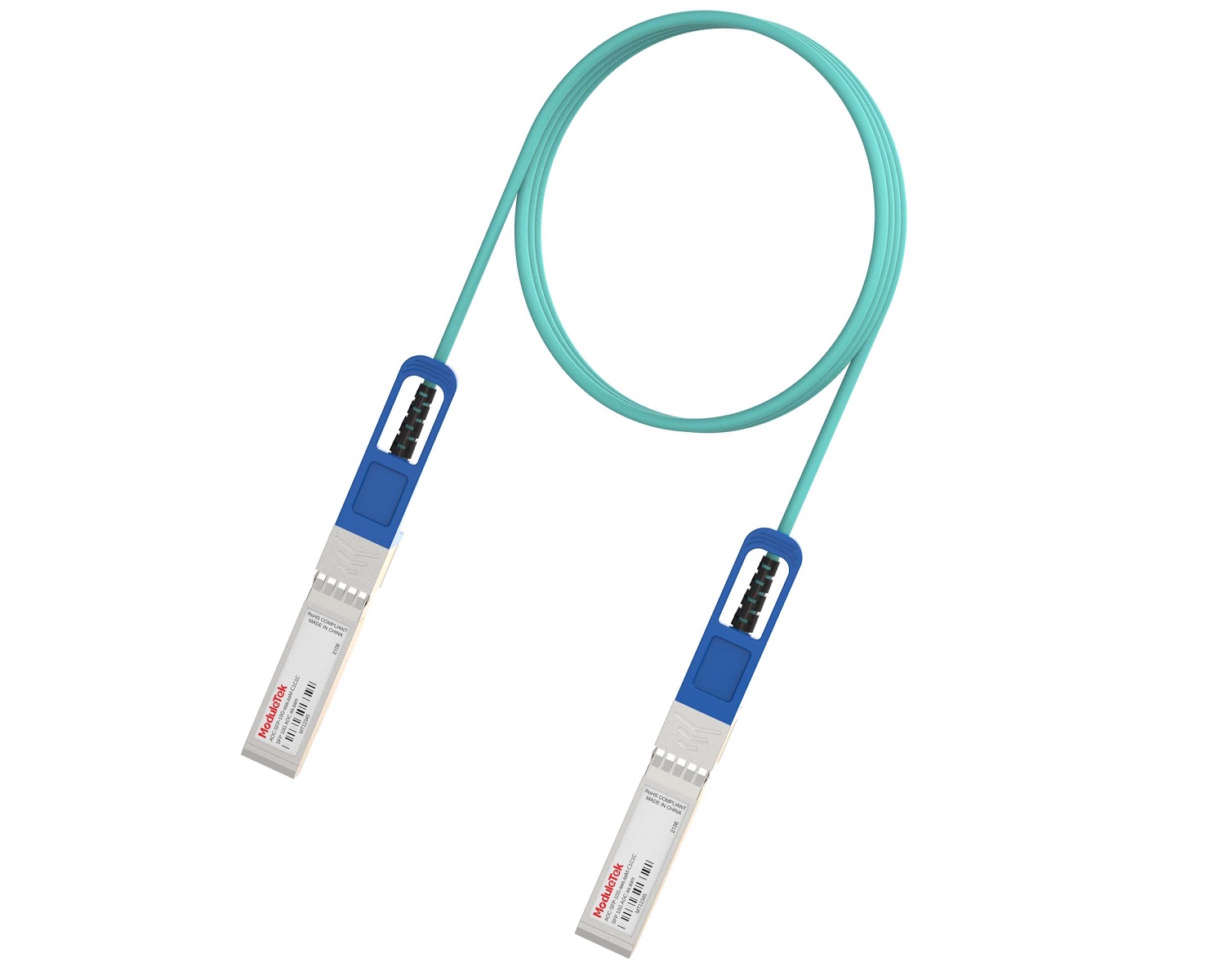 Full-Rate AOC & Breakout Series
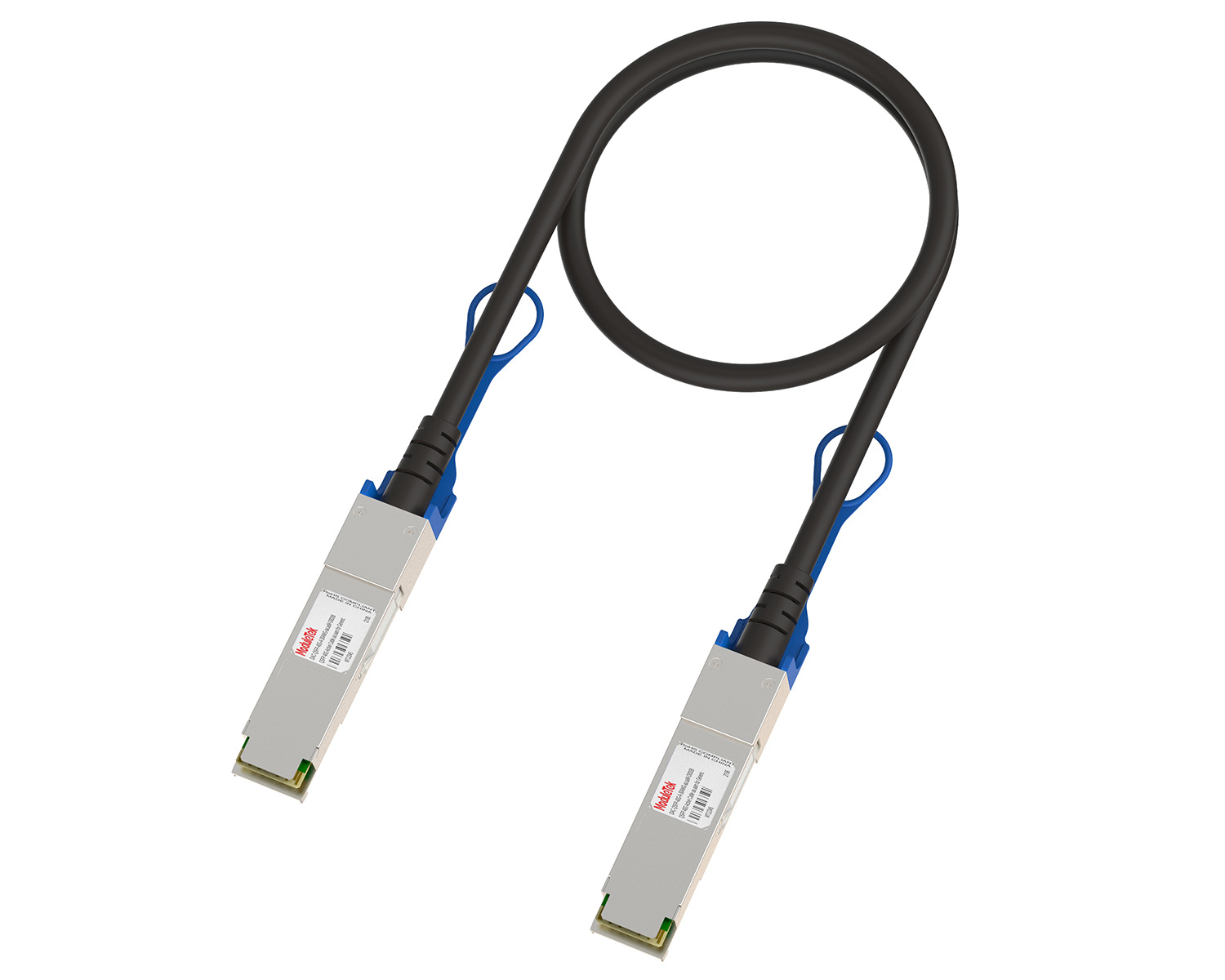 10G/40G Active DAC Series
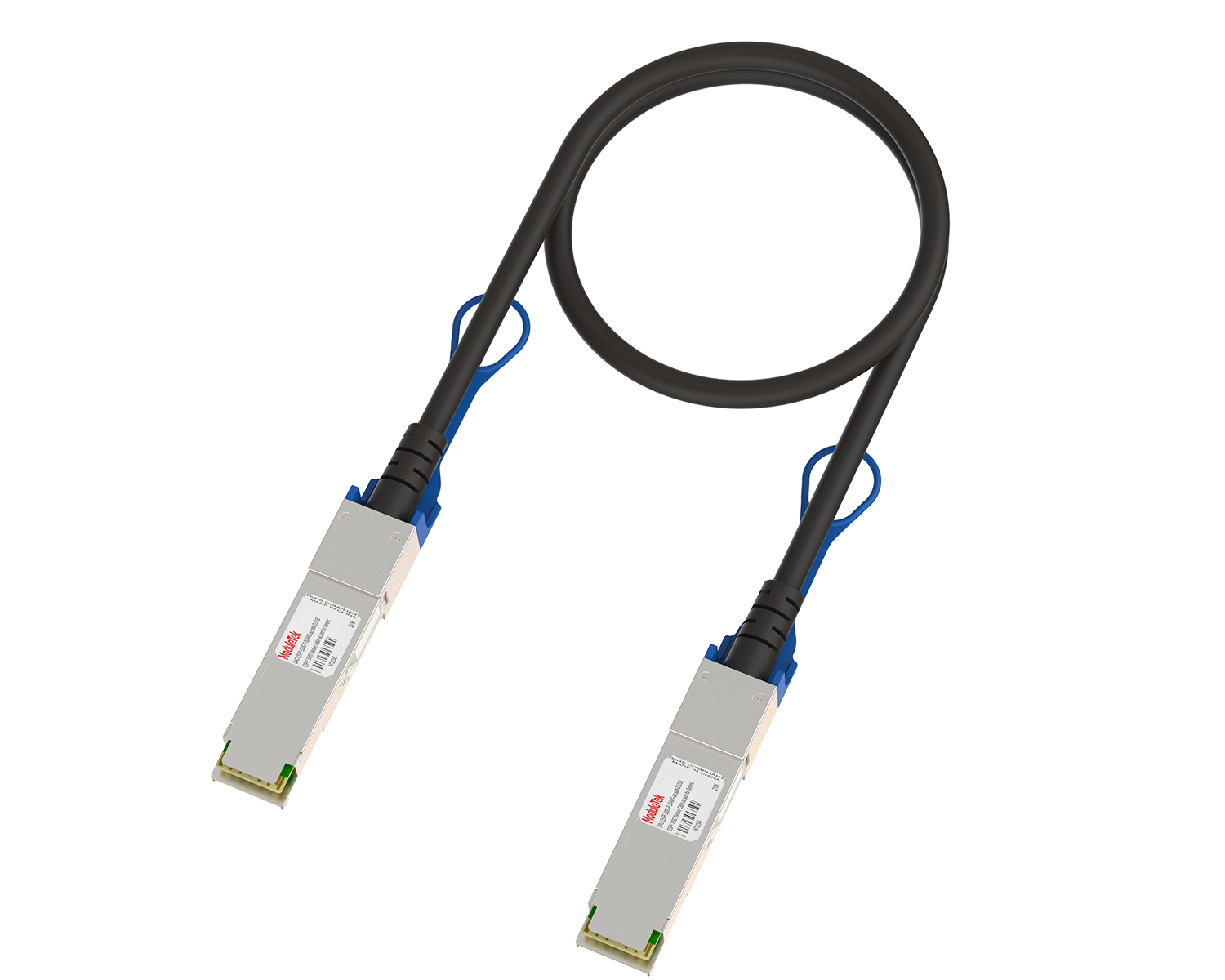 Full-Rate Passive DAC Series
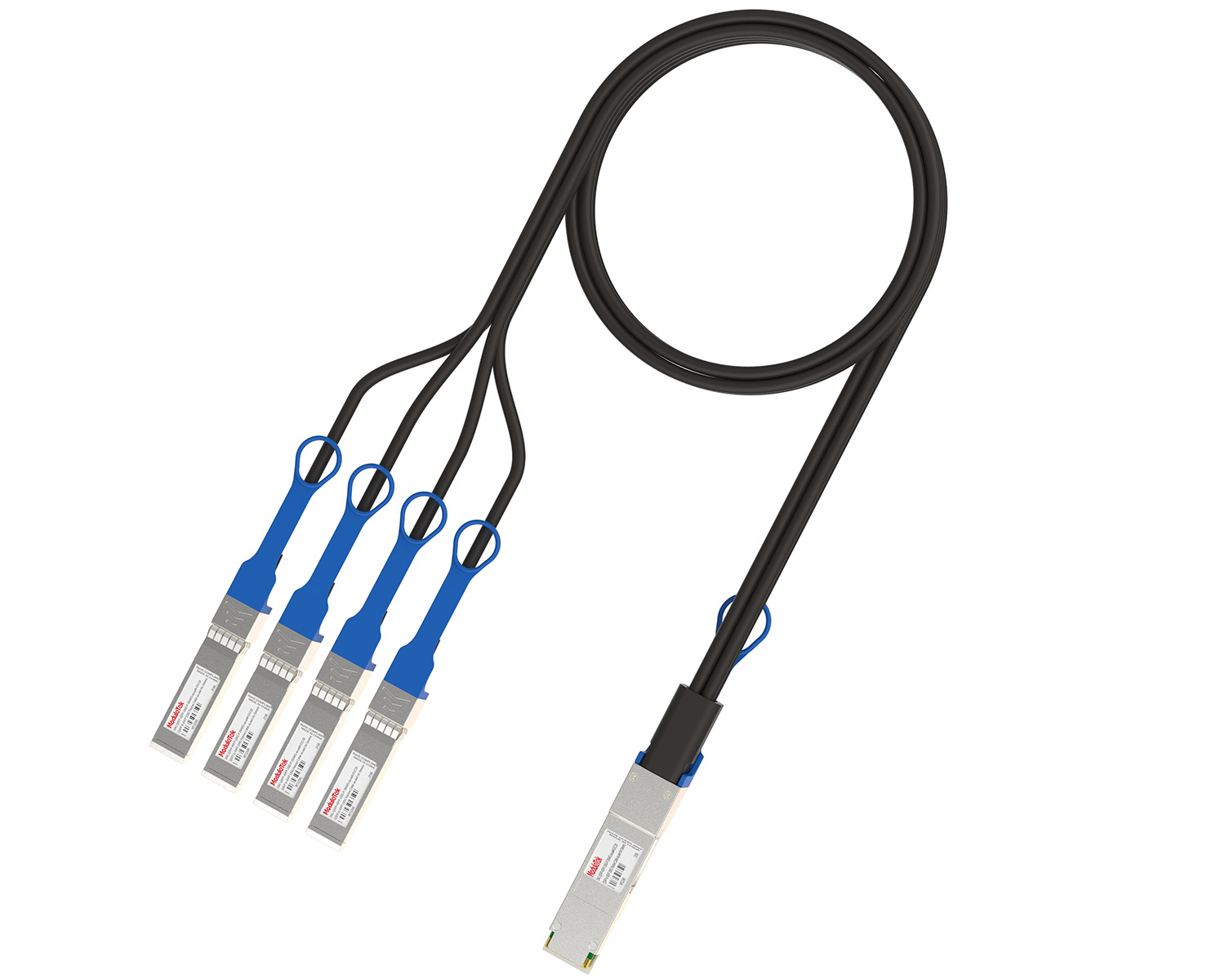 40G/100G Passive Breakout DAC Series
 Regular/MTP-MPO Fiber Patch Cords
 MT2011
 MT2010
 CodingBox
 QSFP to SFP Adapter
 首页 > Home > Application Notes > Typical SAN (STorage Area Network)-Introduction To FC SAN Network Architecture
Typical SAN (STorage Area Network)-Introduction To FC SAN Network Architecture
Time: 2023-06-27
SAN (Storage Area Network) is a block-level storage network that uses a high-speed architecture to connect servers, disk arrays, and other storage devices. In this network, all servers can access storage devices for read and write operations, featuring high throughput and low latency.
Common SAN architectures include FC SAN (based on Fibre Channel) and IP SAN (based on iSCSI). This article focuses on the FC SAN network architecture.
Fibre Channel (FC) is mainly used to build high-speed transmission storage networks. Optical cables are typically used as the transmission medium in FC SANs. Current Fibre Channel transmission speeds have reached up to 128 Gb/s.
A typical FC SAN network topology is shown below.
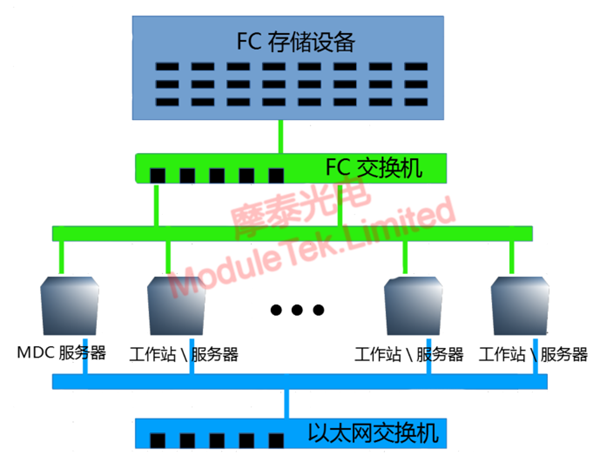
Figure 1 Typical FC SAN Network Topology
Key Components of FC SAN
• FC storage devices
Mainly include disk arrays, tape libraries, and other data storage carriers, similar to the "hard disk" of a PC but with extremely large capacity, which can be expanded according to actual requirements.
• FC switches
Used to interconnect storage devices, MDC servers, workstations, and application servers. They undertake high-bandwidth, low-latency data transmission between storage devices and host devices. Mainstream FC switch vendors include Brocade and Cisco.
• MDC server (Meta Data Controller)
Acts as a "scheduler" in the storage network. Before workstations or servers access data on FC storage devices, they query the MDC for the location of the target data, then directly access the corresponding storage location.
• Workstations / Servers
Serve as the front-end hosts that initiate data access requests.
• Ethernet switches
Used to connect the MDC server with workstations and servers, responsible for transmitting and exchanging metadata information between the MDC and host devices.
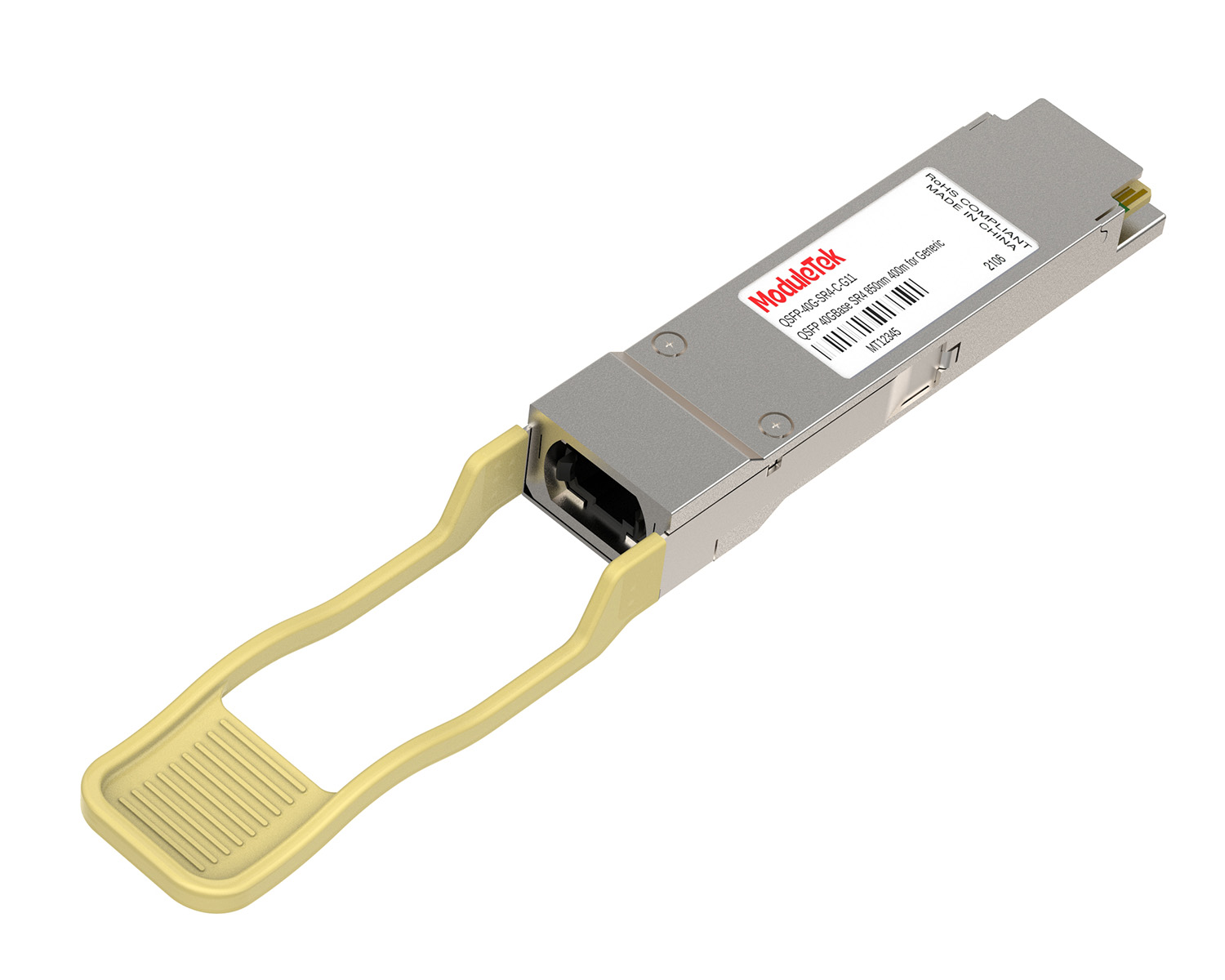
Moduletek provides FC optical modules compatible with Brocade and Cisco switches, including FC8G, FC16G, FC32G and other rates.
For further inquiries about the above content, please contact us at: sales@moduletek.com