
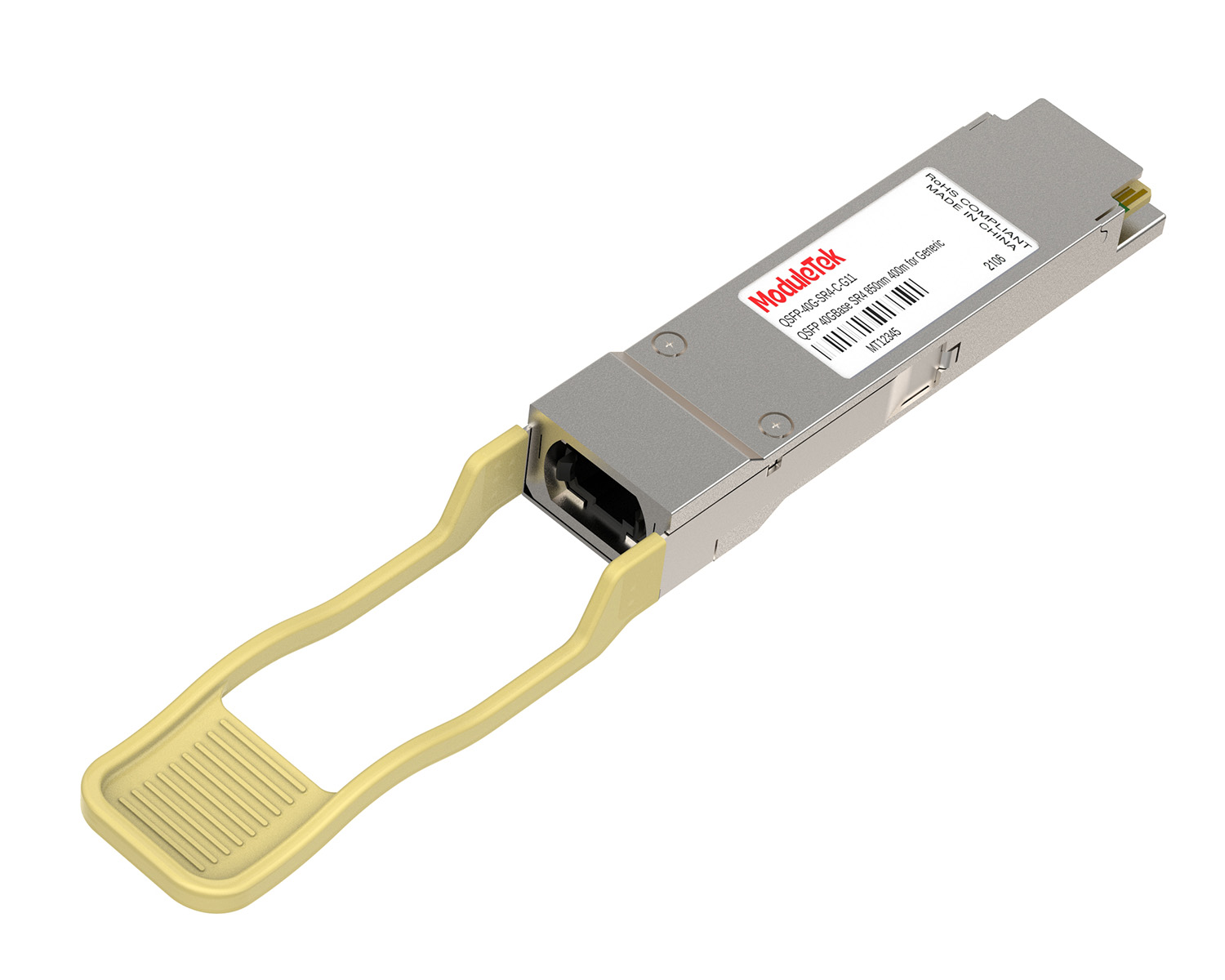
 40G/100G Optical Transceivers
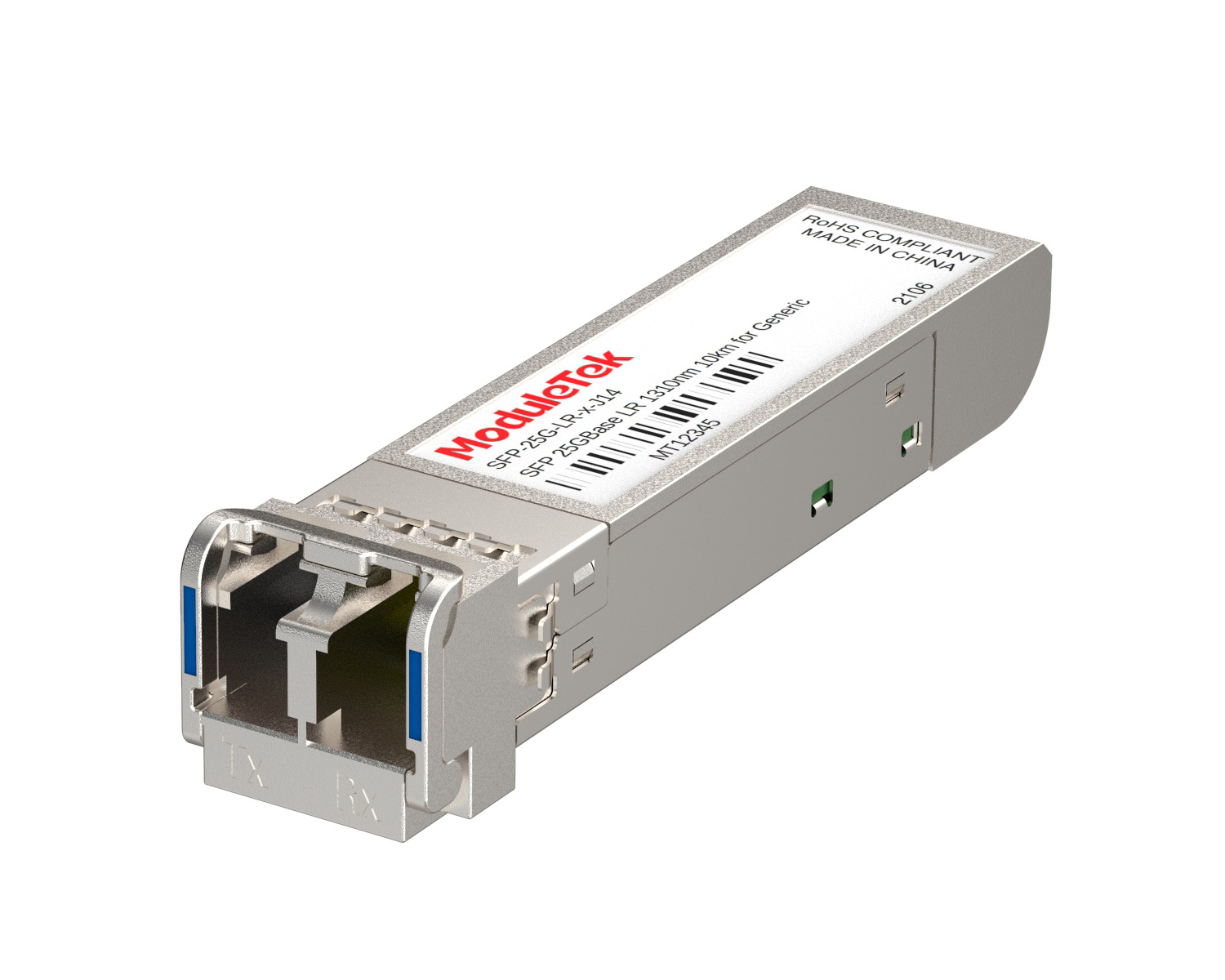 25G Optical Transceivers
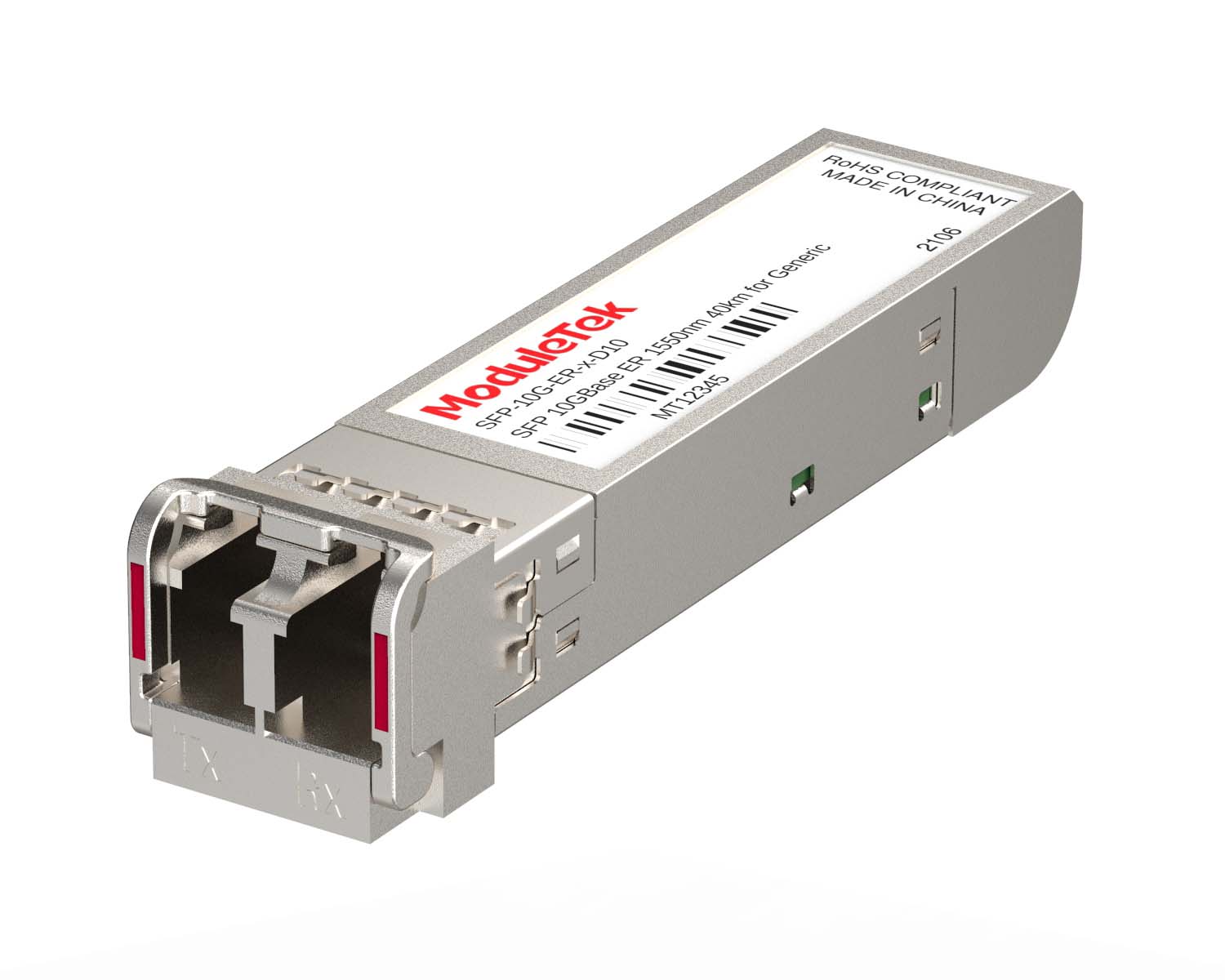 10G Optical Transceivers
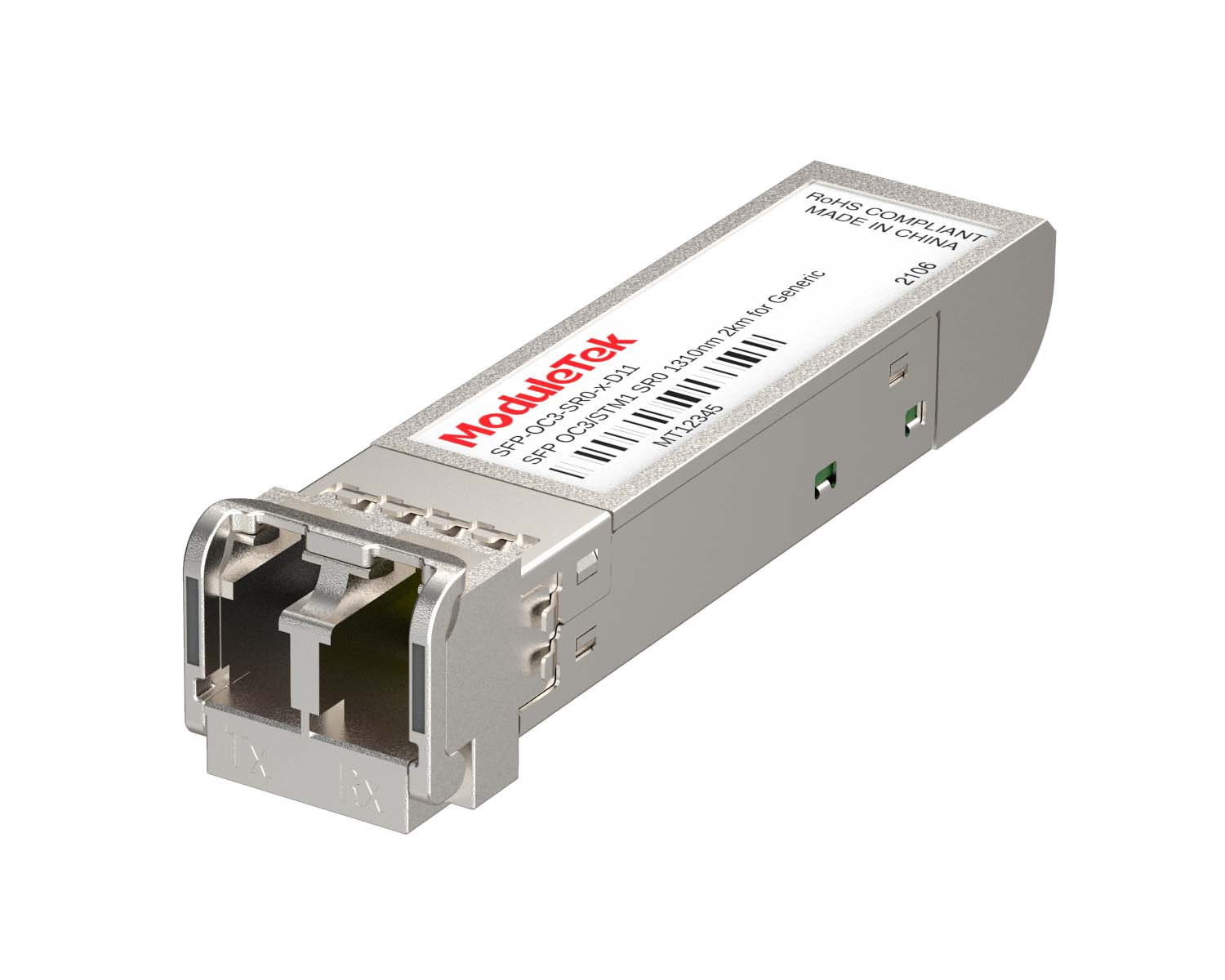 155M/2.5G Optical Transceivers
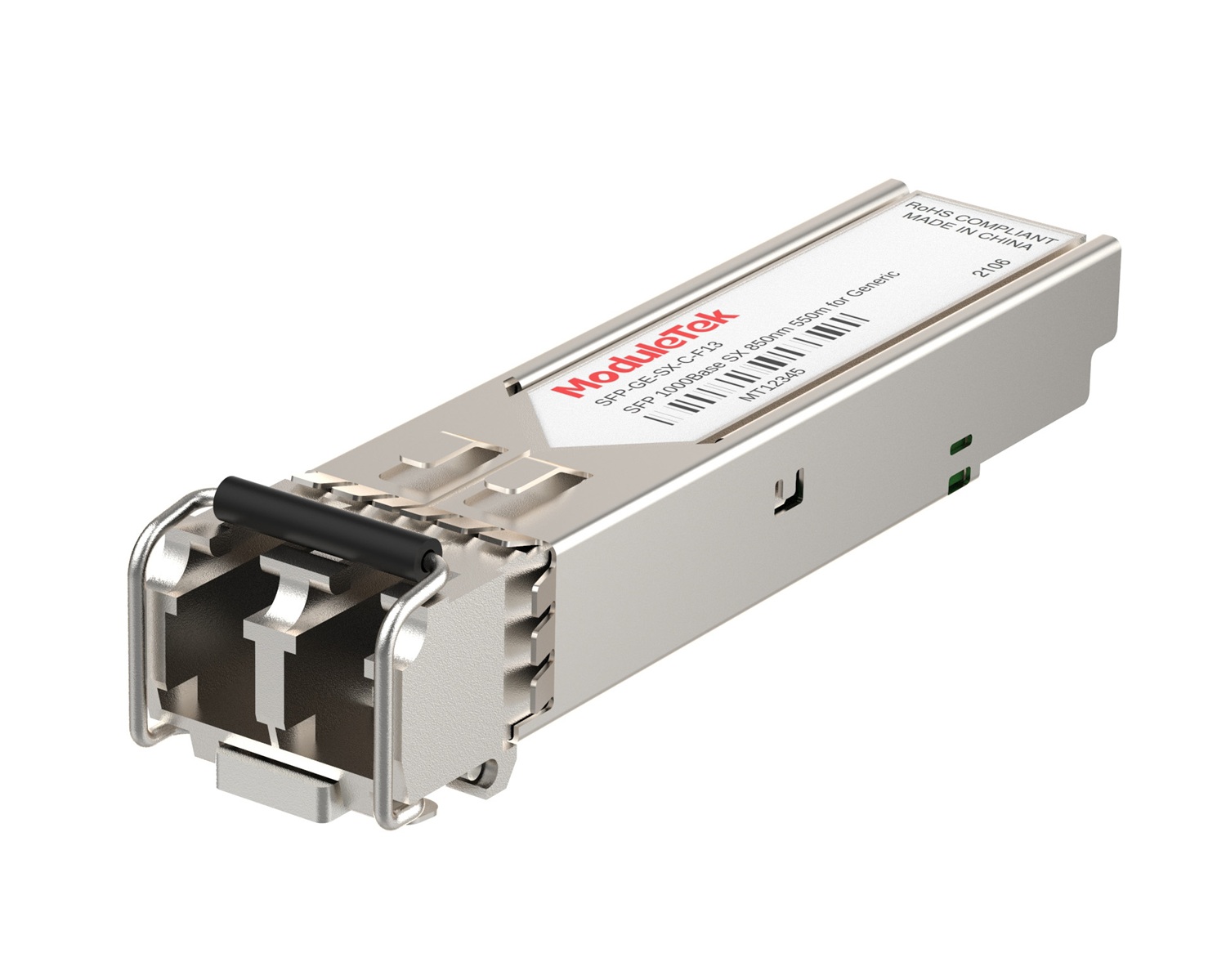 1G Optical Transceivers
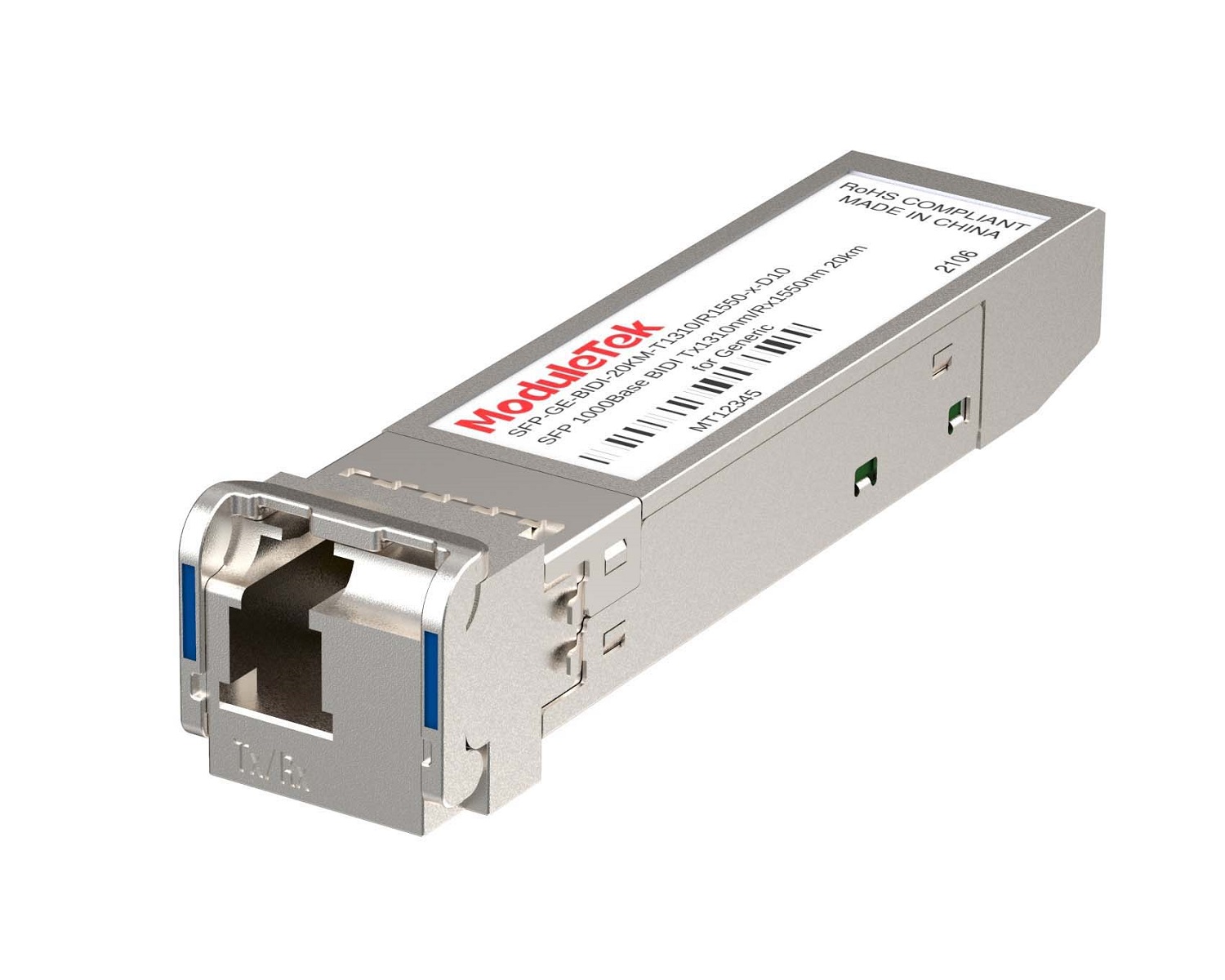 1G BIDI Optical Transceivers
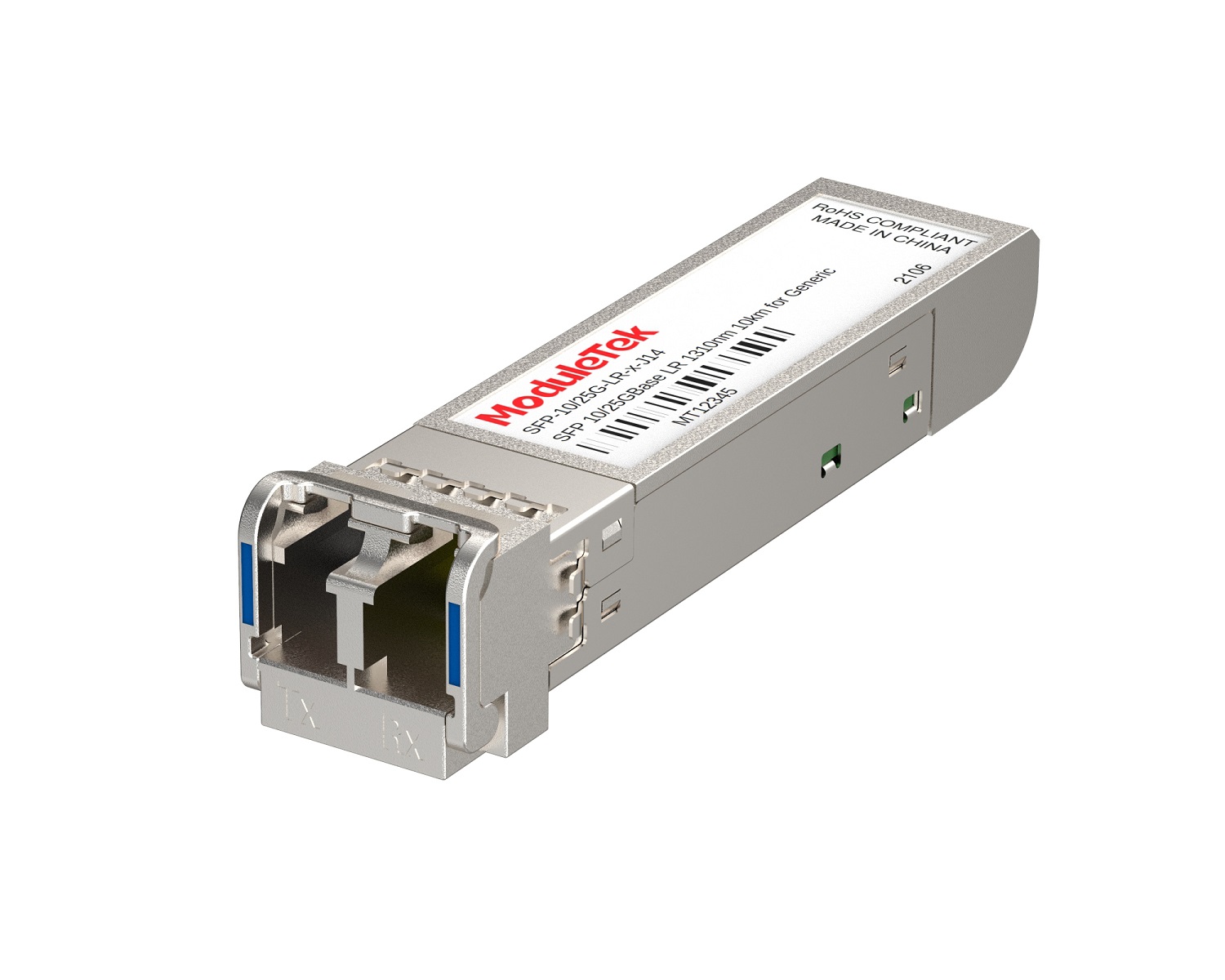 Dual-Rate Optical Transceivers
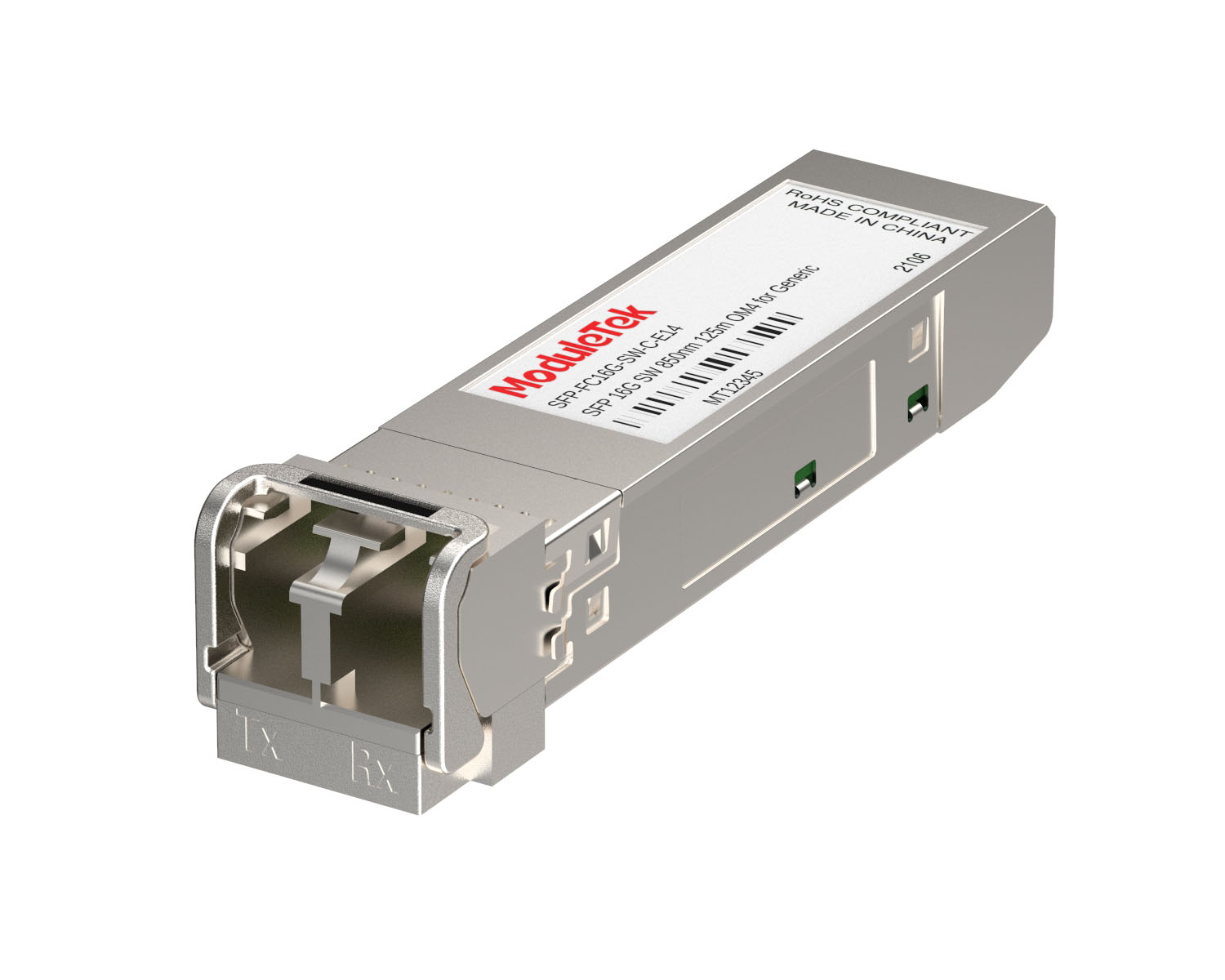 FC 16G/32G Optical Transceivers
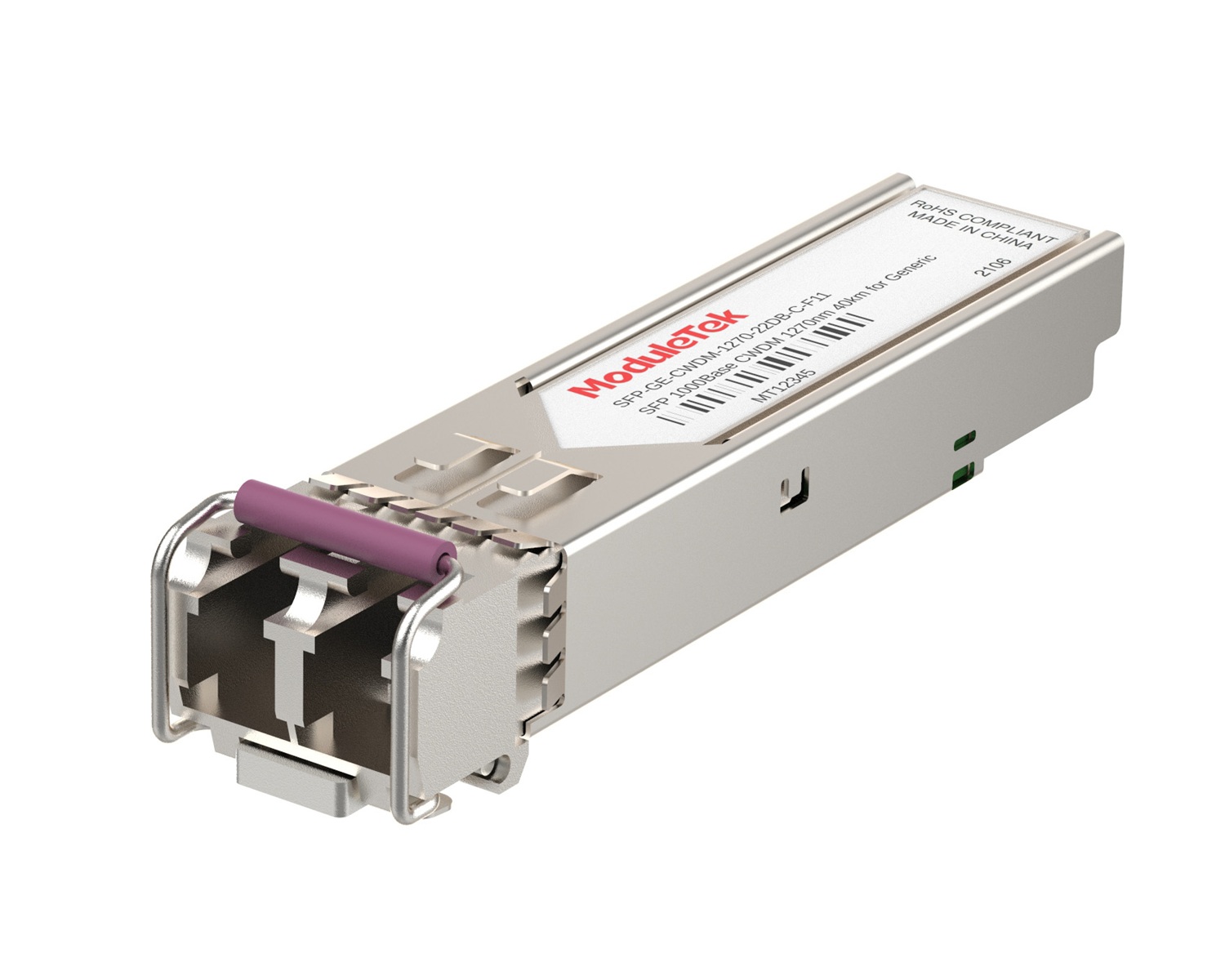 CWDM Optical Transceivers
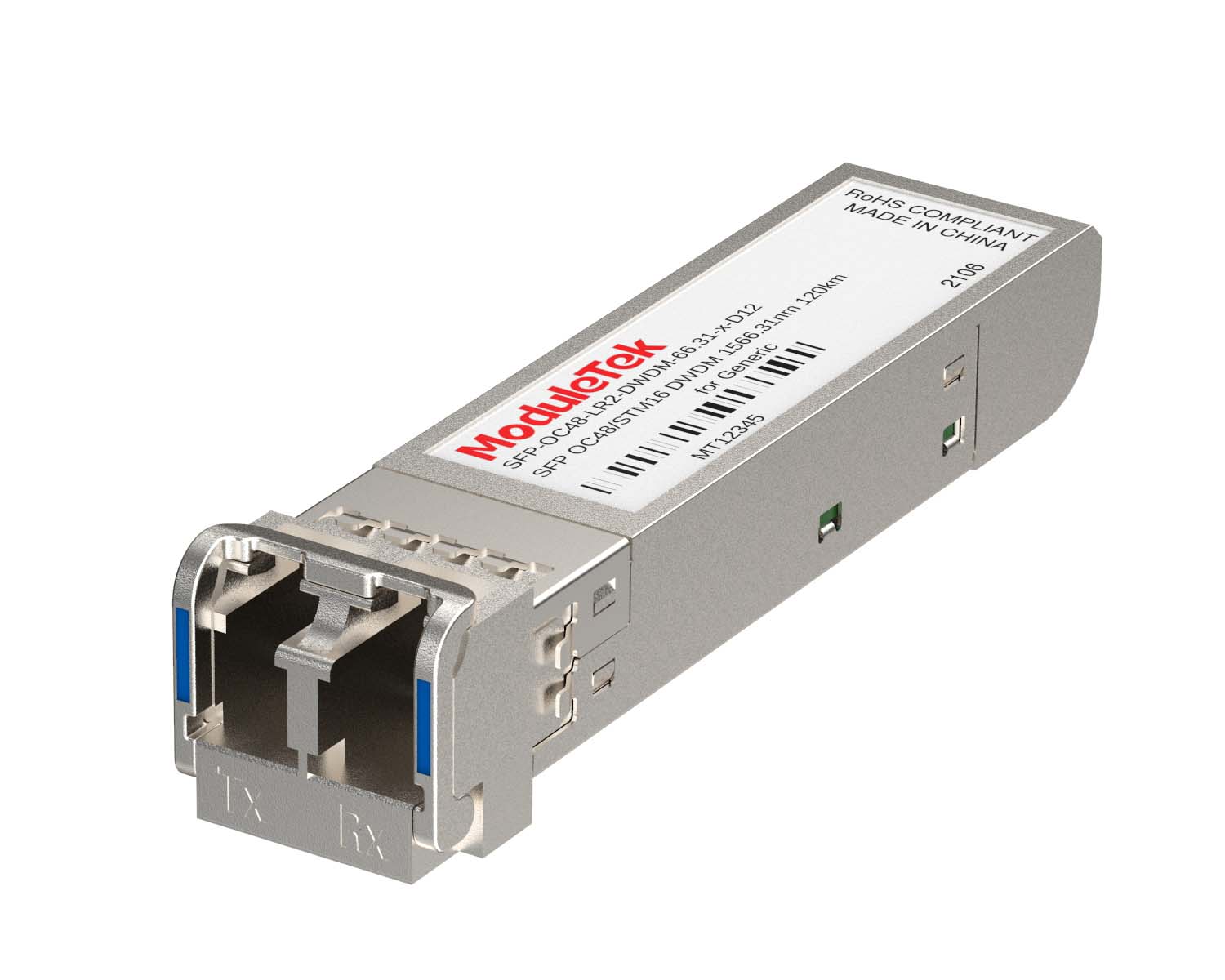 DWDM Optical Transceivers
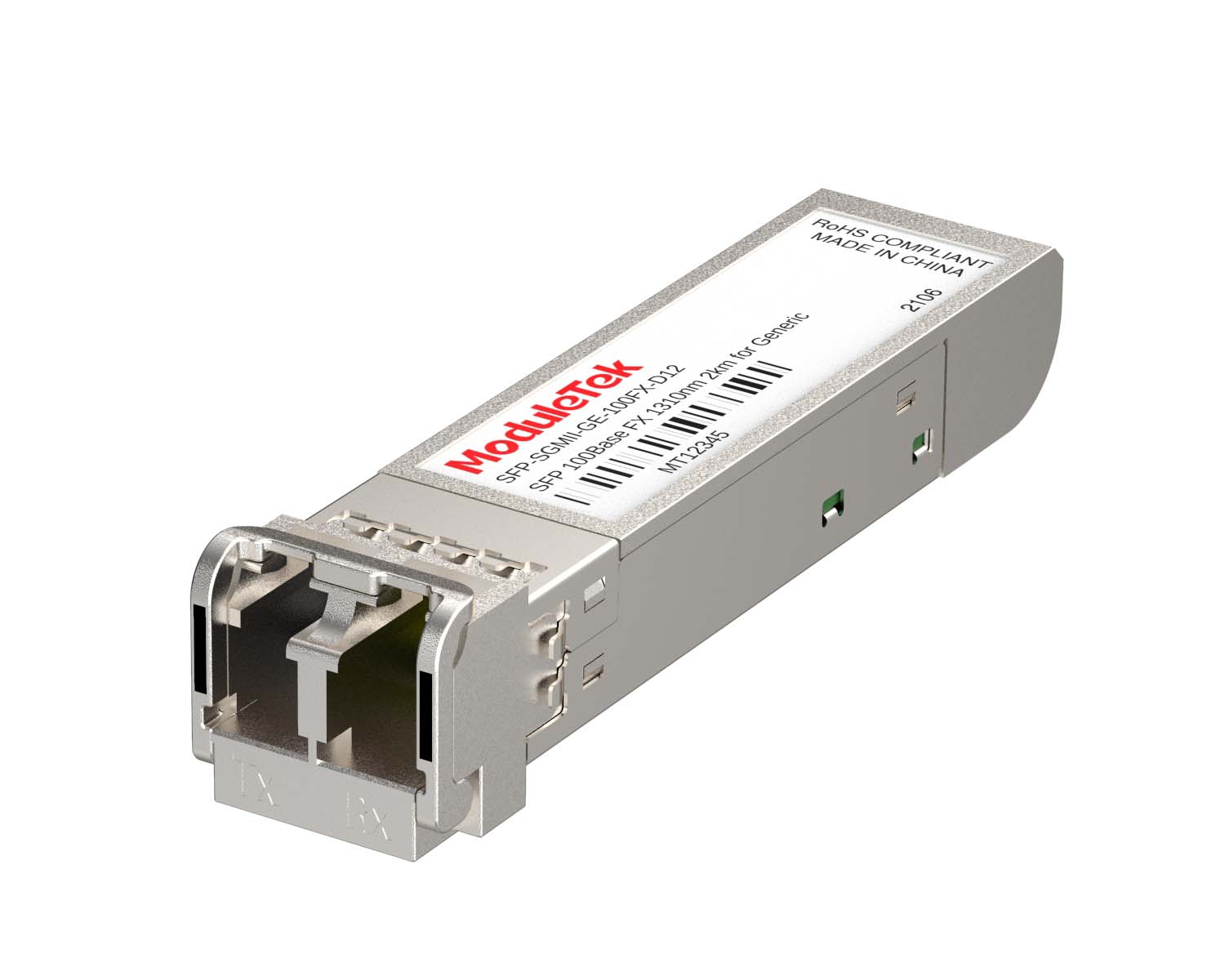 SGMII Port Optical Transceivers
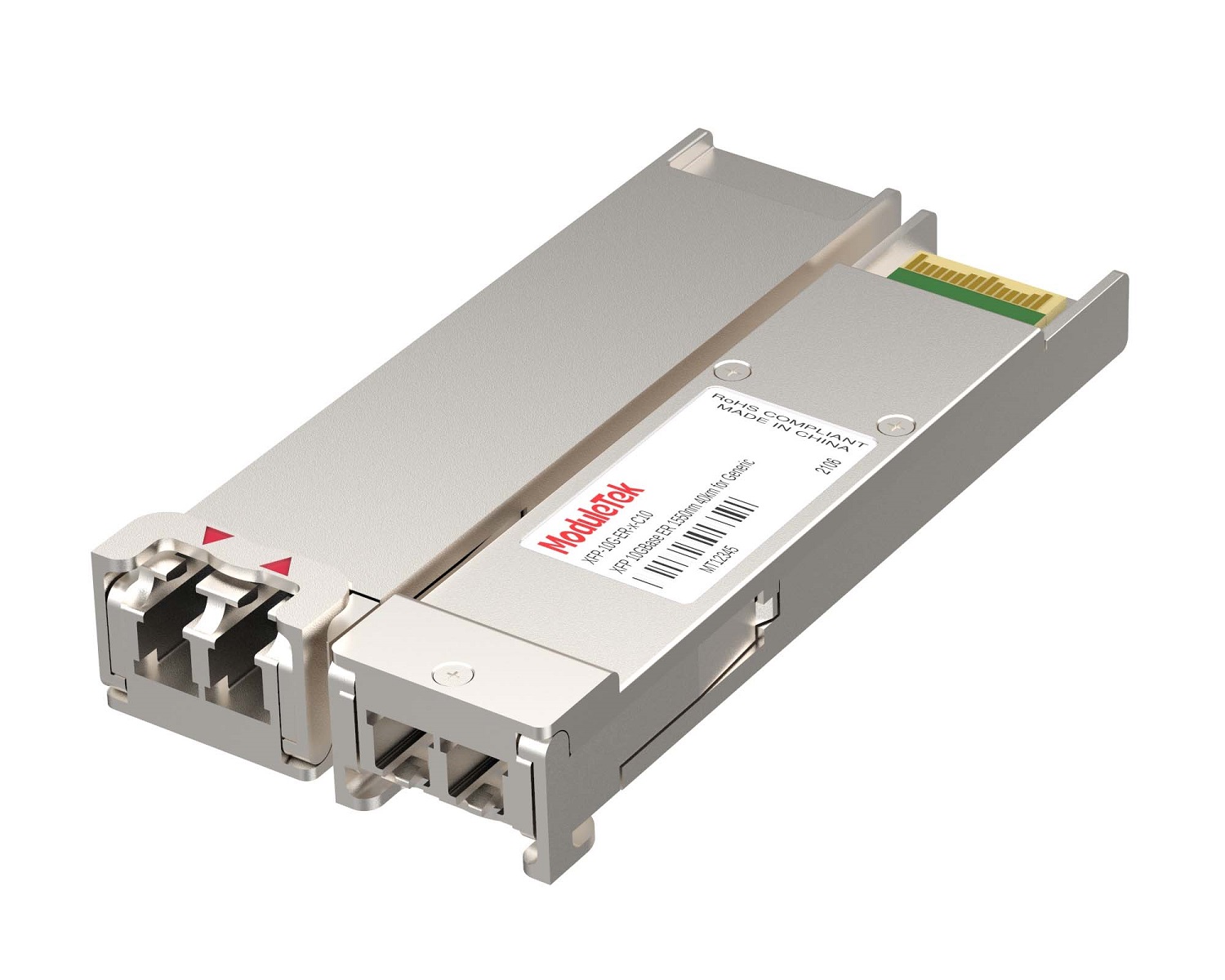 XFP Optical Transceivers
 100M/1G/10G Coppers
 Full-Rate AOC & Breakout Series
 10G/40G Active DAC Series
 Full-Rate Passive DAC Series
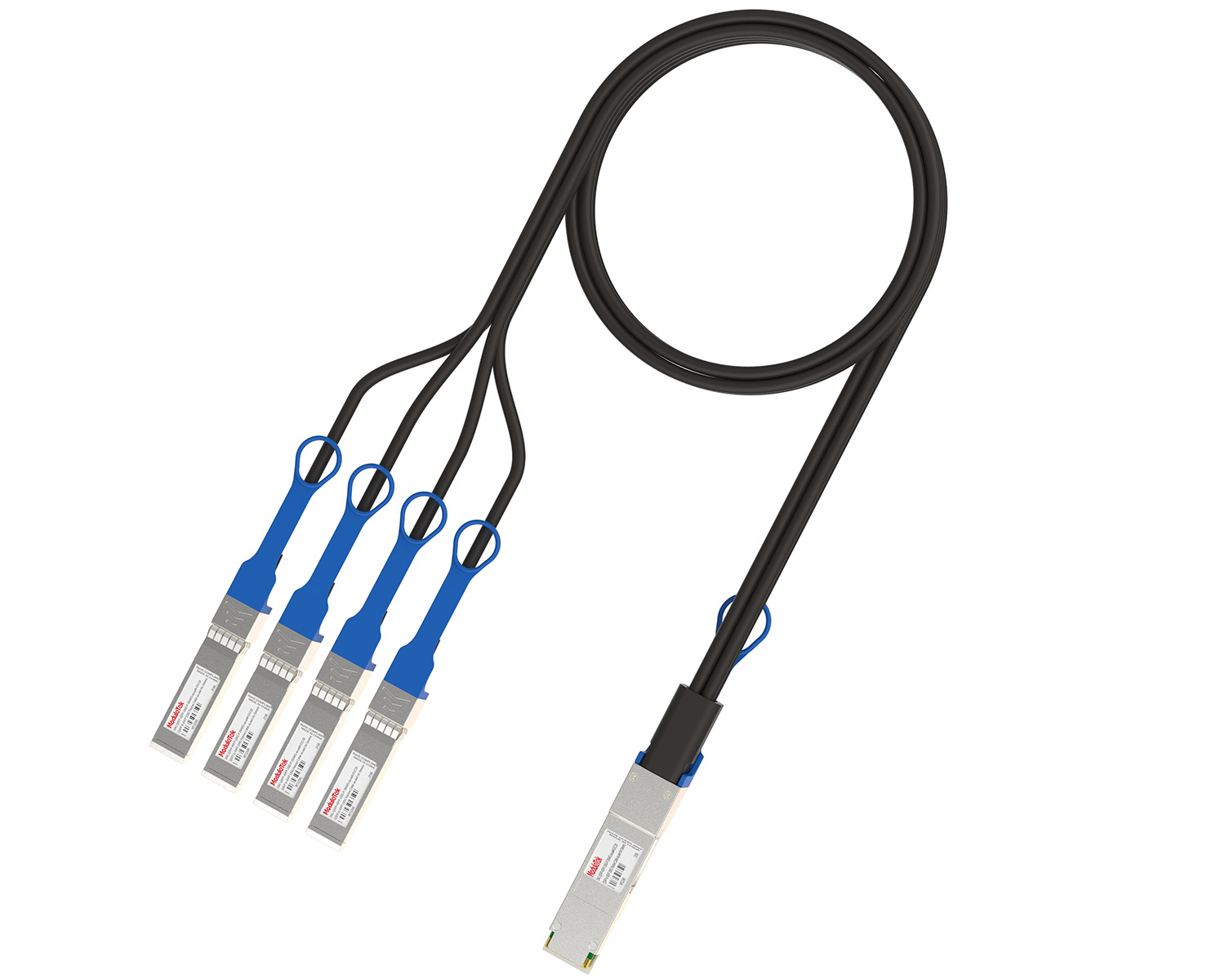 40G/100G Passive Breakout DAC Series
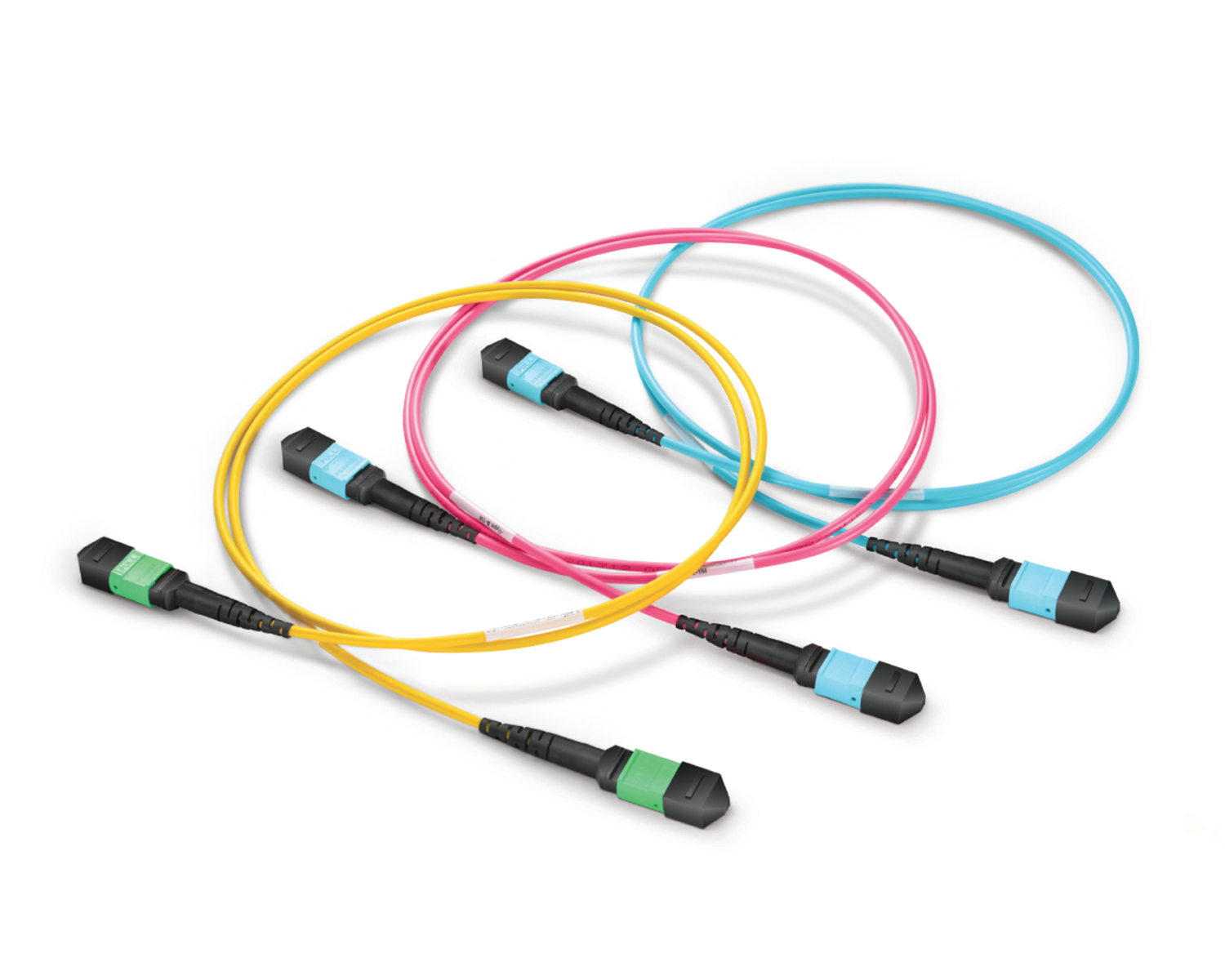 Regular/MTP-MPO Fiber Patch Cords
 MT2011
 MT2010
 CodingBox
 QSFP to SFP Adapter
Introduction To SWDM Technology
Time: 2023-07-14
• What is SWDM Technology
SWDM (Short Wavelength Division Multiplexing), or short-wave wavelength division multiplexing, draws on WDM (Wavelength Division Multiplexing) technology for single-mode optical fibers. It expands the transmission wavelength range of conventional multimode fiber—originally limited to 850 nm—to the 850 nm–950 nm band.
SWDM adopts cost-effective VCSEL (Vertical-Cavity Surface-Emitting Laser) light sources and optimized WBMMF (Wideband Multimode Fiber). It supports simultaneous data transmission over four wavelengths on a single multimode fiber, cutting the required fiber core count to one-fourth of the original demand.
• How SWDM Works
SWDM technology uses operating wavelengths starting at 850 nm with a 30 nm channel spacing: 850 nm, 880 nm, 910 nm, and 940 nm.
In an SWDM transceiver module, four VCSELs emit optical signals at these four distinct wavelengths, which are then multiplexed onto a single optical fiber—all VCSEL integration and optical coupling are implemented within the module itself. At the receiving end of the transceiver module, the multiplexed optical signal is demultiplexed and converted back into four independent electrical signals.
Dual optical fibers are used for bidirectional data transmission (one fiber for transmission, one for reception) in SWDM systems.
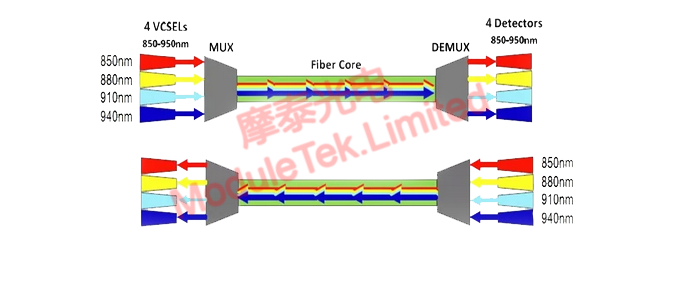
Figure 1 Short Wavelength Division Multiplexing (SWDM) Working Principle
• SWDM Consortium
The SWDM Consortium is the industry body responsible for developing and standardizing SWDM technical specifications. Its core members include Compaq, Finisar, Hisense, Lumentum, OFS, and Prysmian.
• SWDM Transmission Rates
The SWDM Consortium has released two official technical standards for 40G and 100G SWDM transmission (specifications available for download at: https://swdm.org/msa/). These standards define SWDM optical interfaces for transceivers supporting 4×10 Gbps and 4×25 Gbps transmission schemes, with key parameters as follows:
40G SWDM (4×10 Gbps): One-way signal rate of 10.3125 Gbps per channel, with a multimode fiber transmission distance ranging from 2 m to 440 m between two transceivers.
100G SWDM (4×25 Gbps): One-way signal rate of 25.78125 Gbps per channel, with a multimode fiber transmission distance ranging from 2 m to 150 m between two transceivers. FEC (Forward Error Correction) must be enabled on transceivers for this rate.
• SWDM Transmission Distances
SWDM transmission distances vary by fiber type and rate. The specific values for mainstream multimode fiber grades (OM3/OM4/OM5) are shown in the table below.
Table 1 SWDM Transmission Distances Over Different Multimode Fiber Types
|
Multimode Fiber Type
|
40G Transmission Distance (m)
|
100G Transmission Distance (m)
|
|
OM3
|
240
|
75
|
|
OM4
|
350
|
100
|
|
OM5
|
440
|
150
|
Moduletek Limited is at your service.
For further inquiries about the above content, please contact us at: sales@moduletek.com