
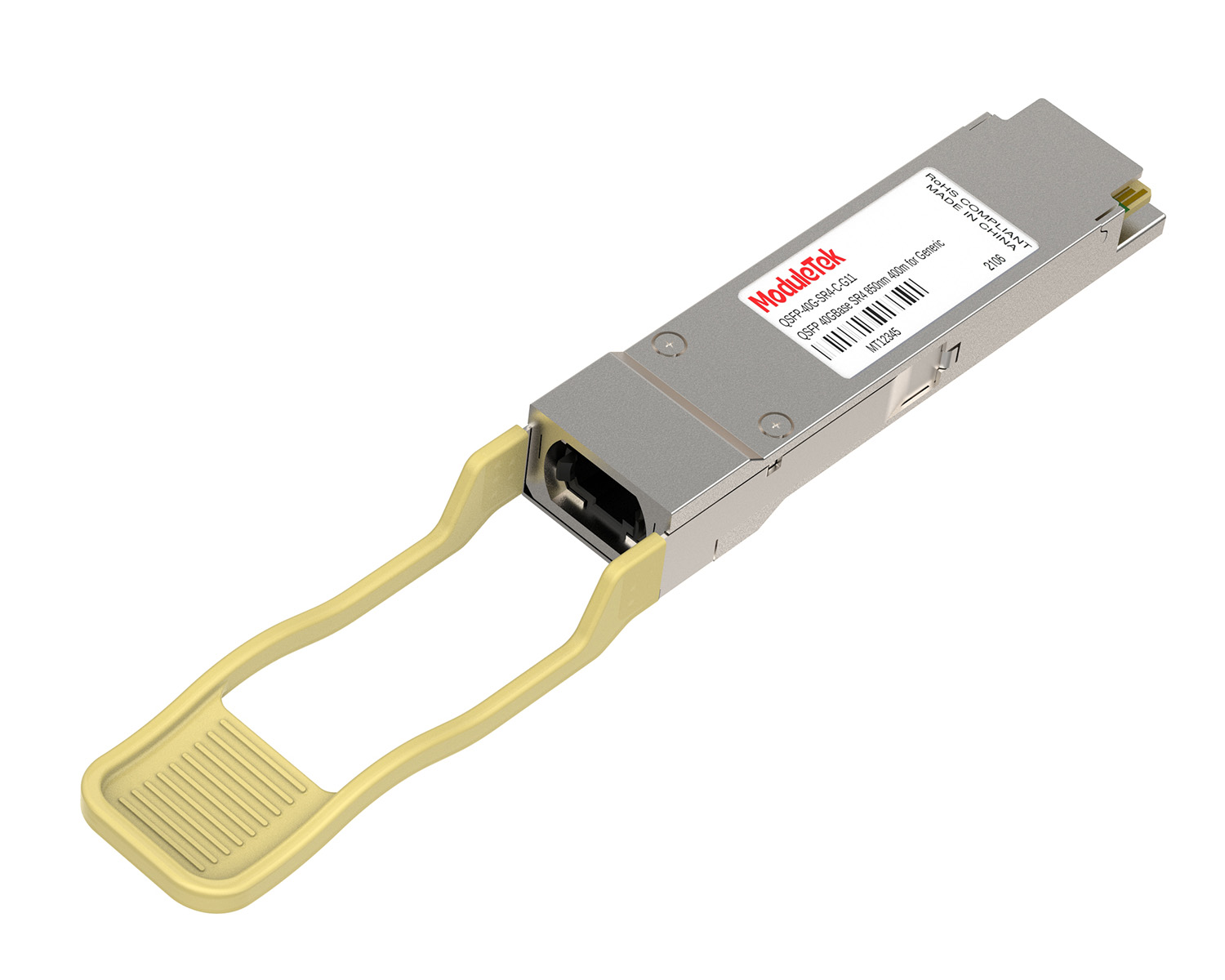
 40G/100G Optical Transceivers
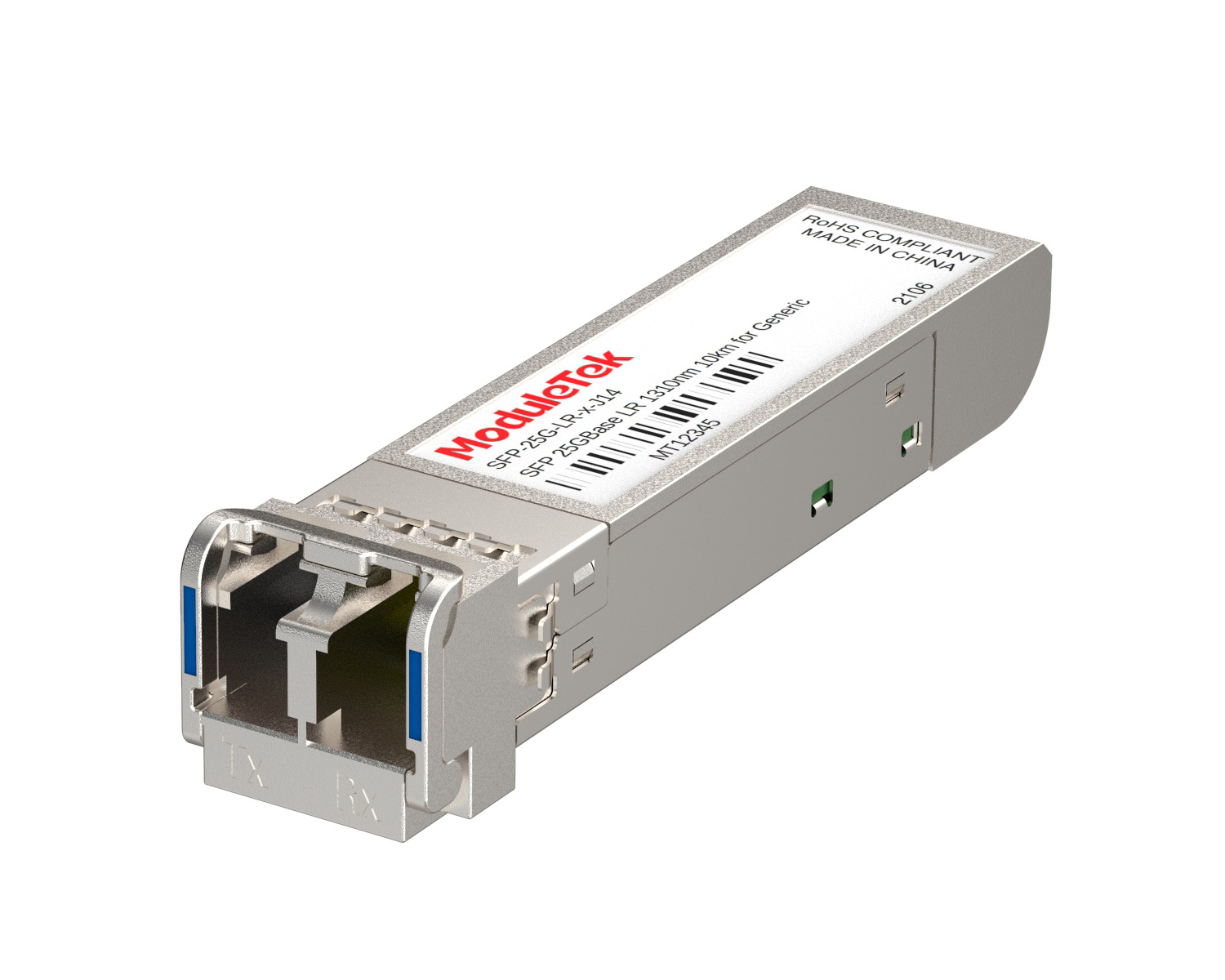 25G Optical Transceivers
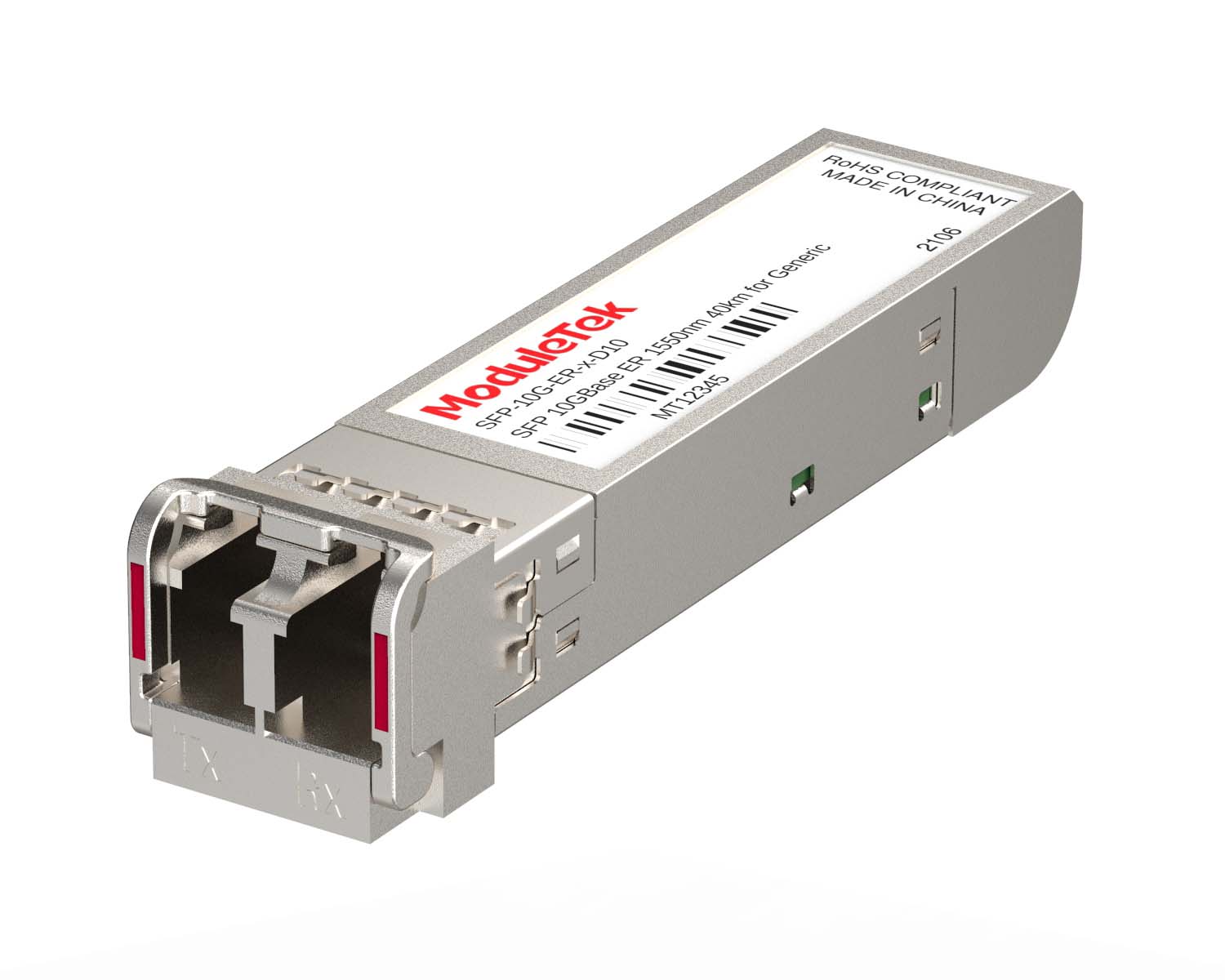 10G Optical Transceivers
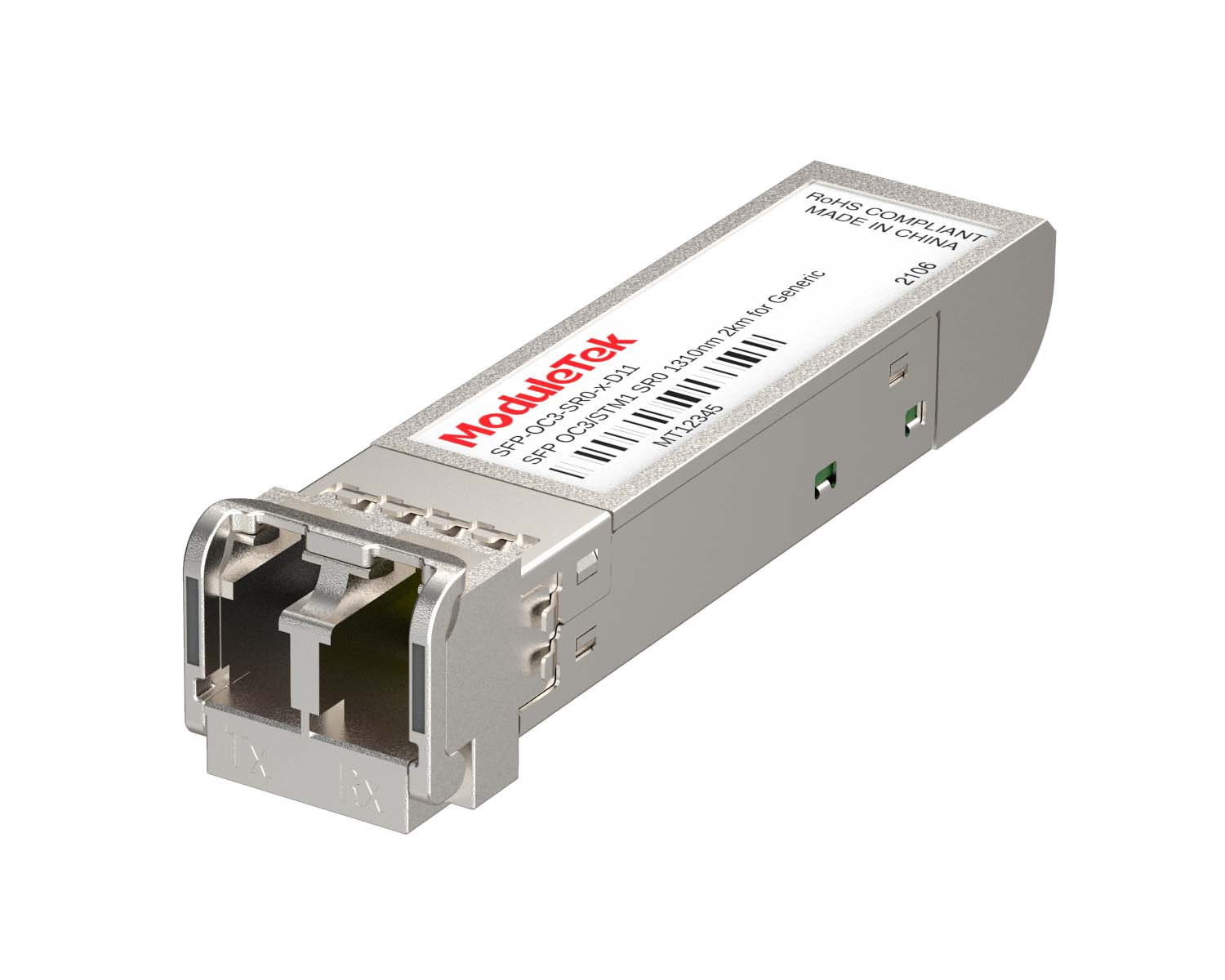 155M/2.5G Optical Transceivers
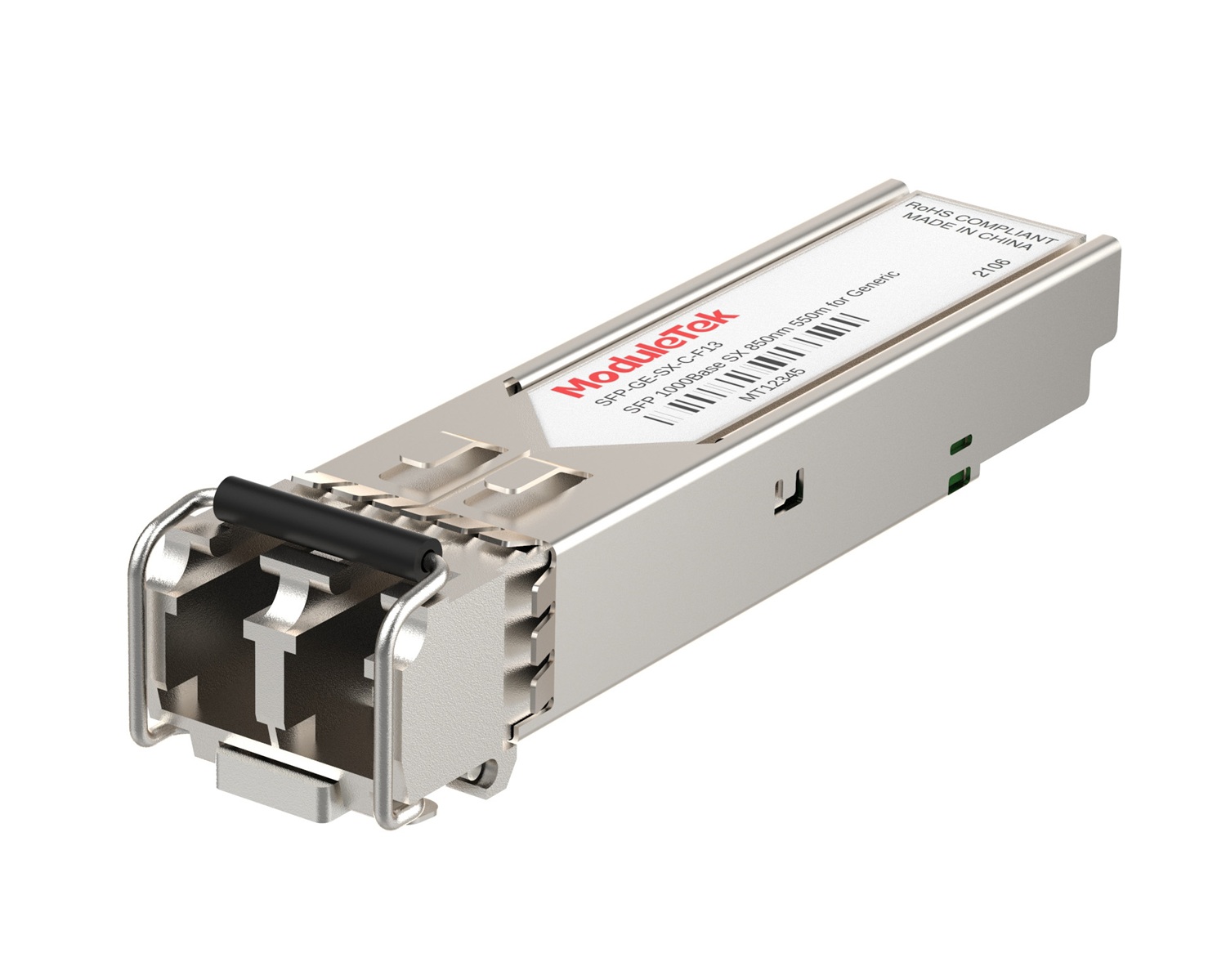 1G Optical Transceivers
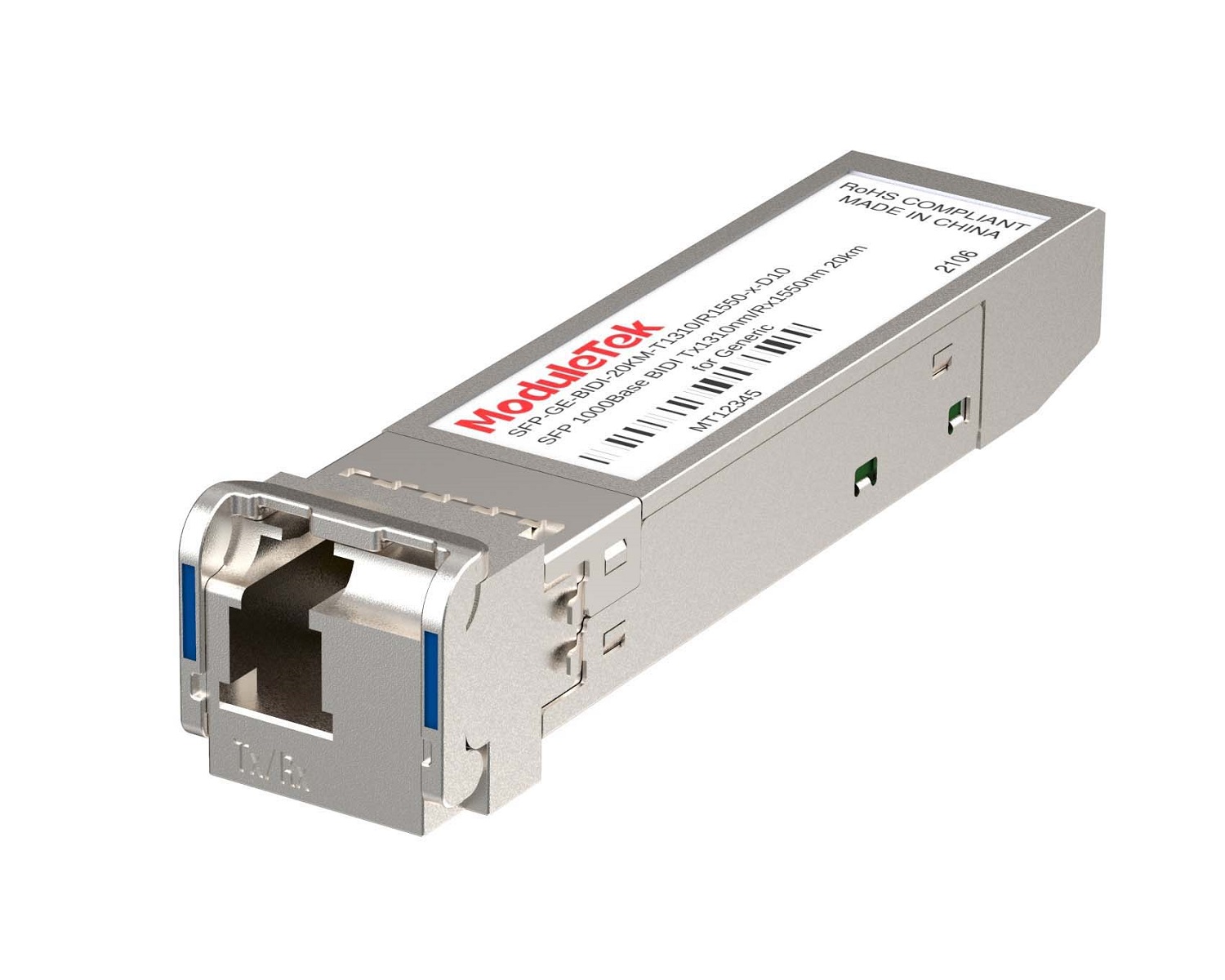 1G BIDI Optical Transceivers
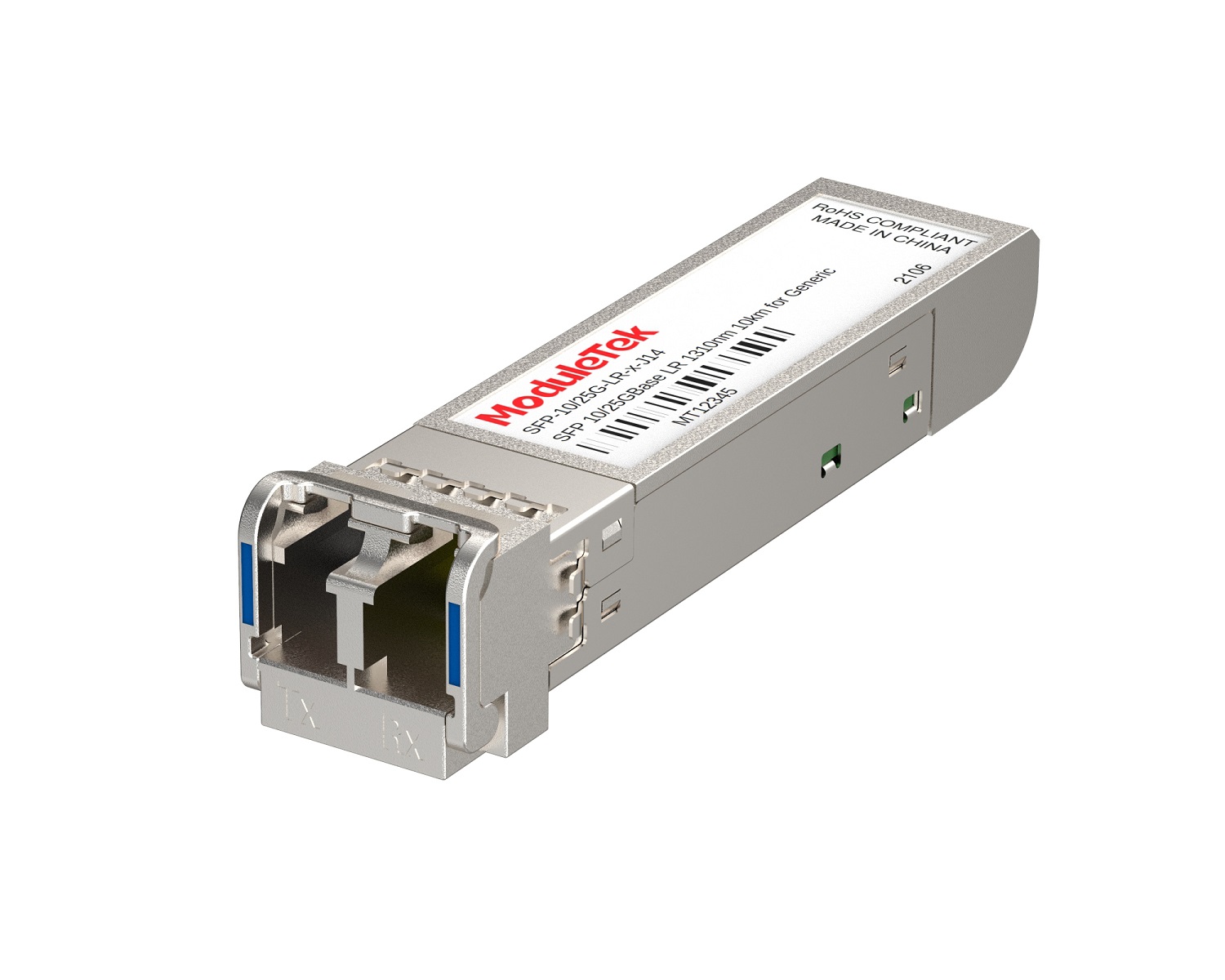 Dual-Rate Optical Transceivers
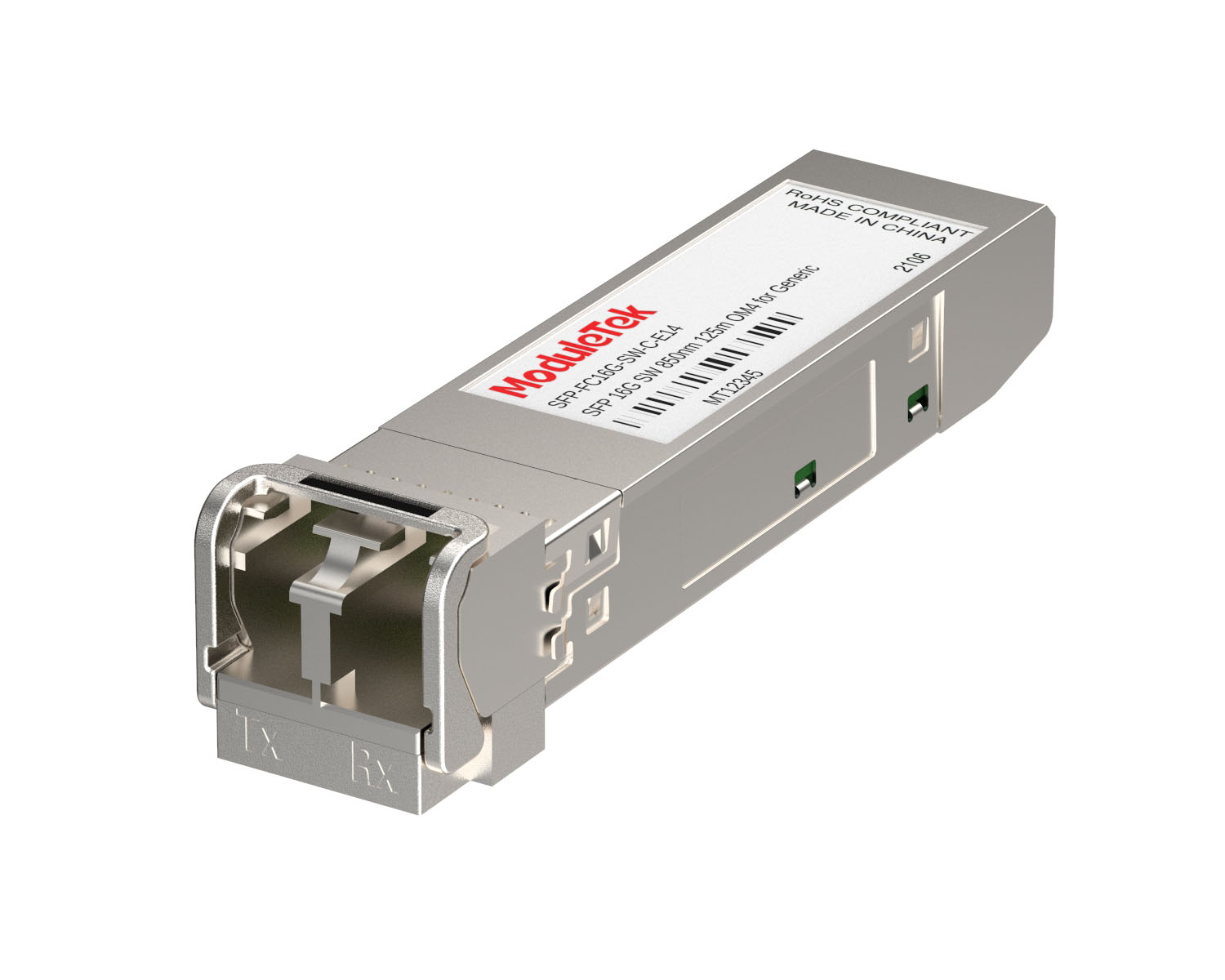 FC 16G/32G Optical Transceivers
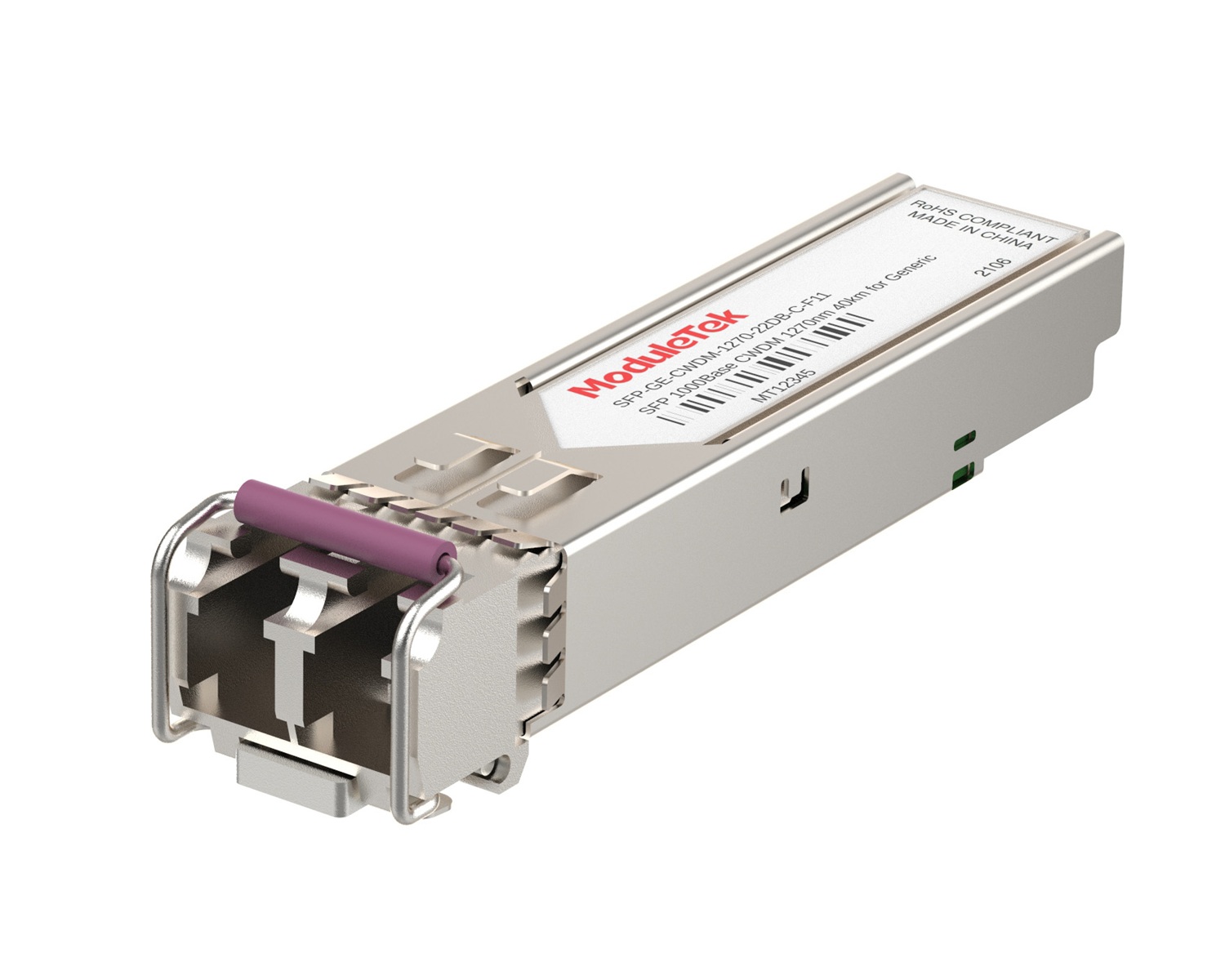 CWDM Optical Transceivers
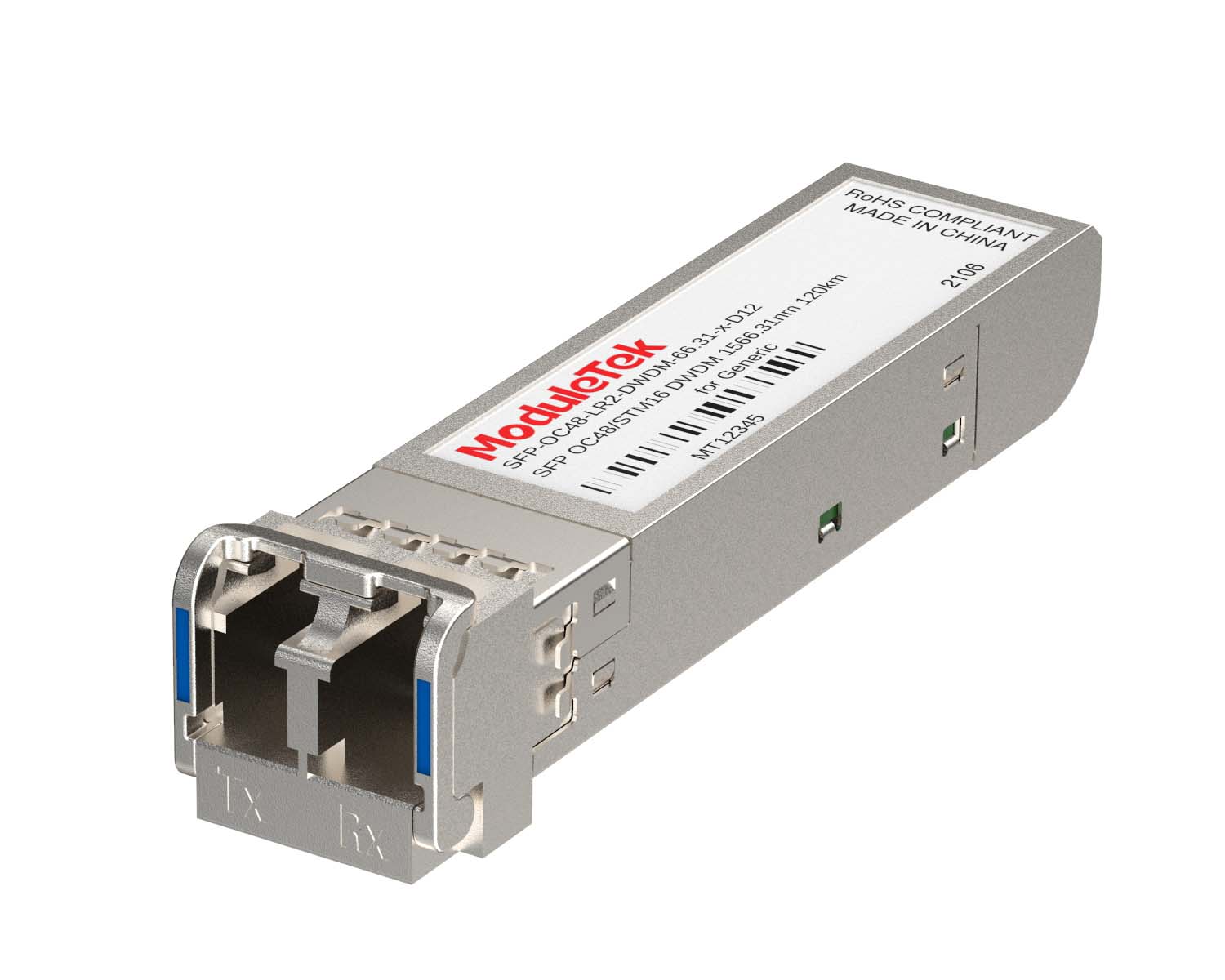 DWDM Optical Transceivers
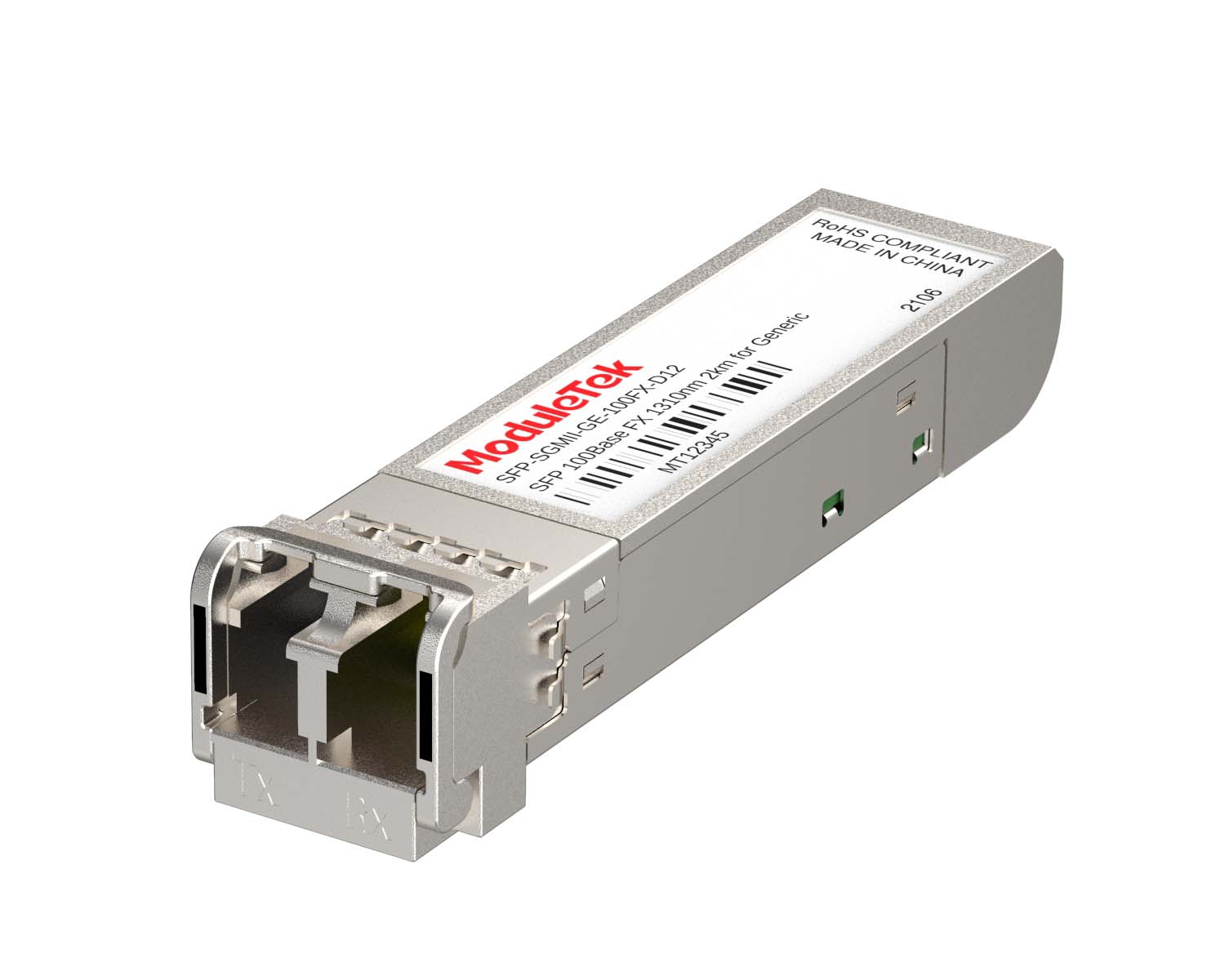 SGMII Port Optical Transceivers
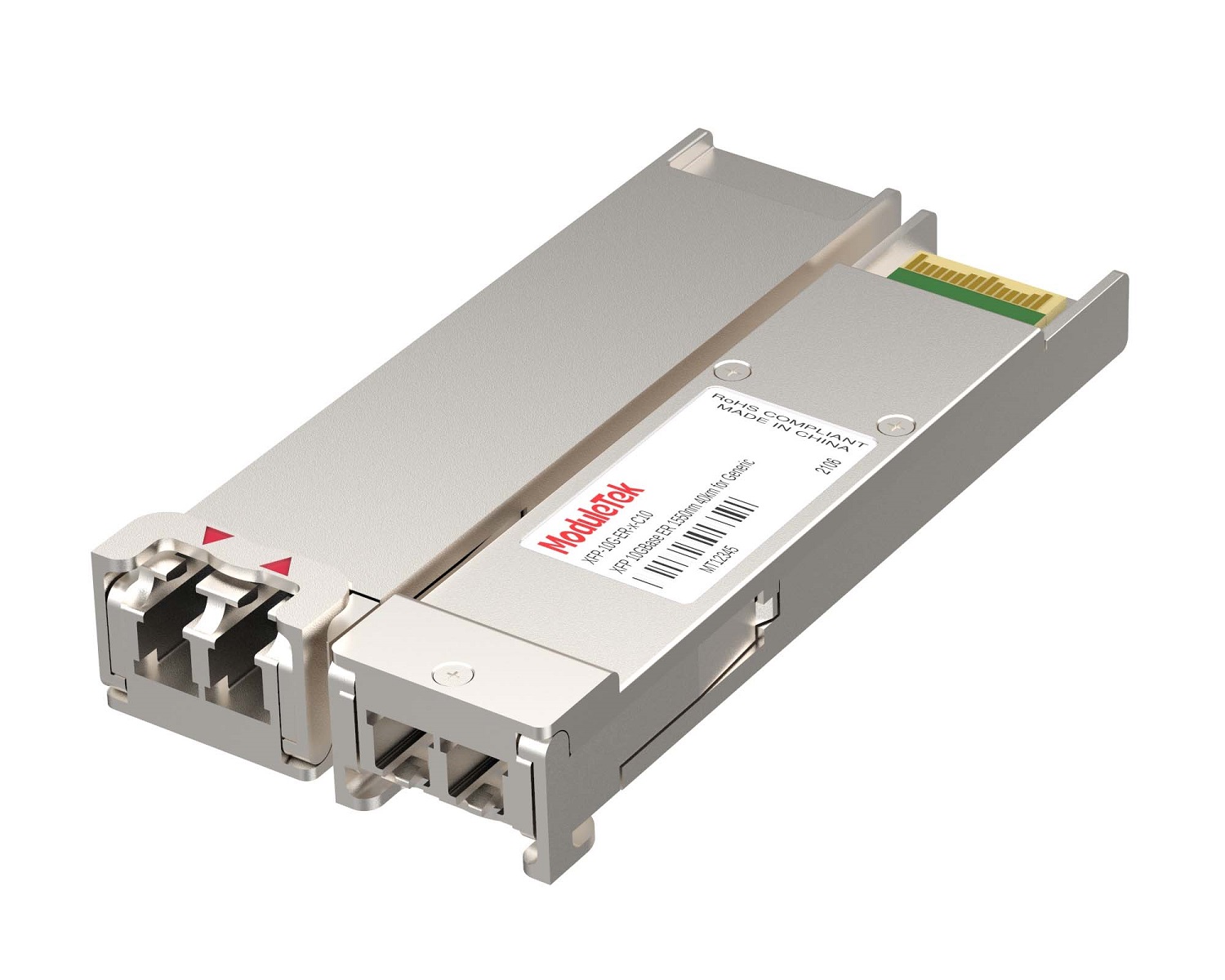 XFP Optical Transceivers
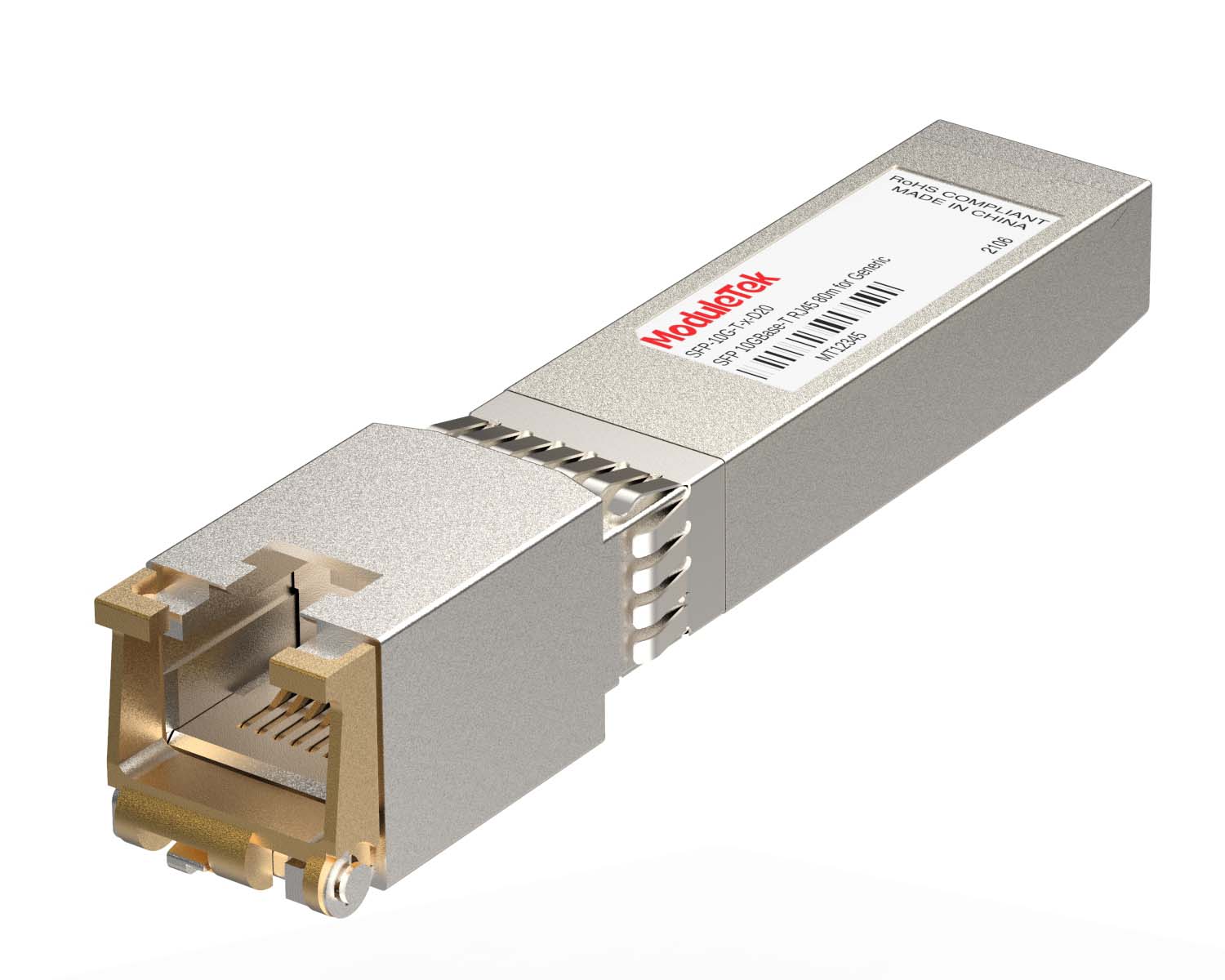 100M/1G/10G Coppers
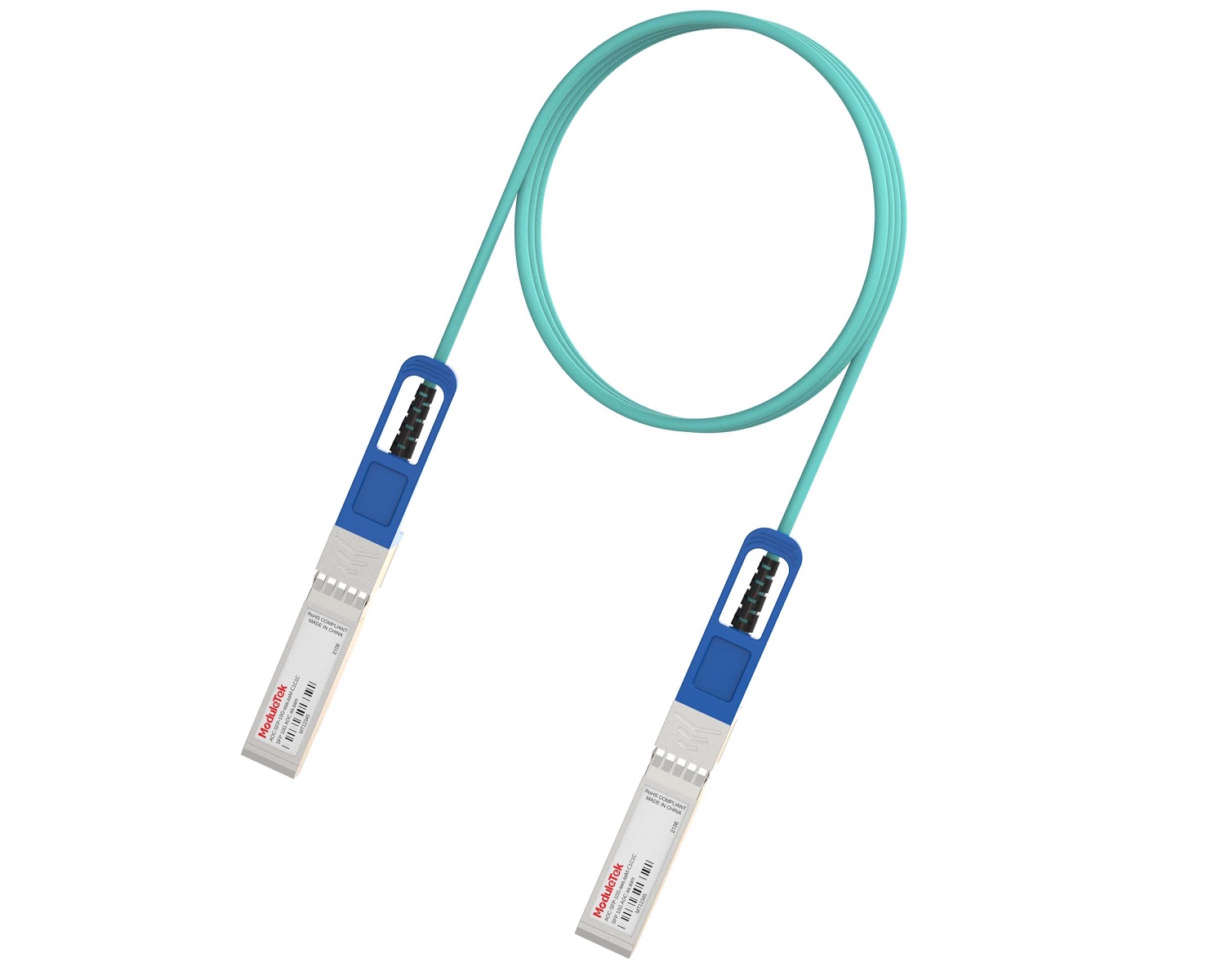 Full-Rate AOC & Breakout Series
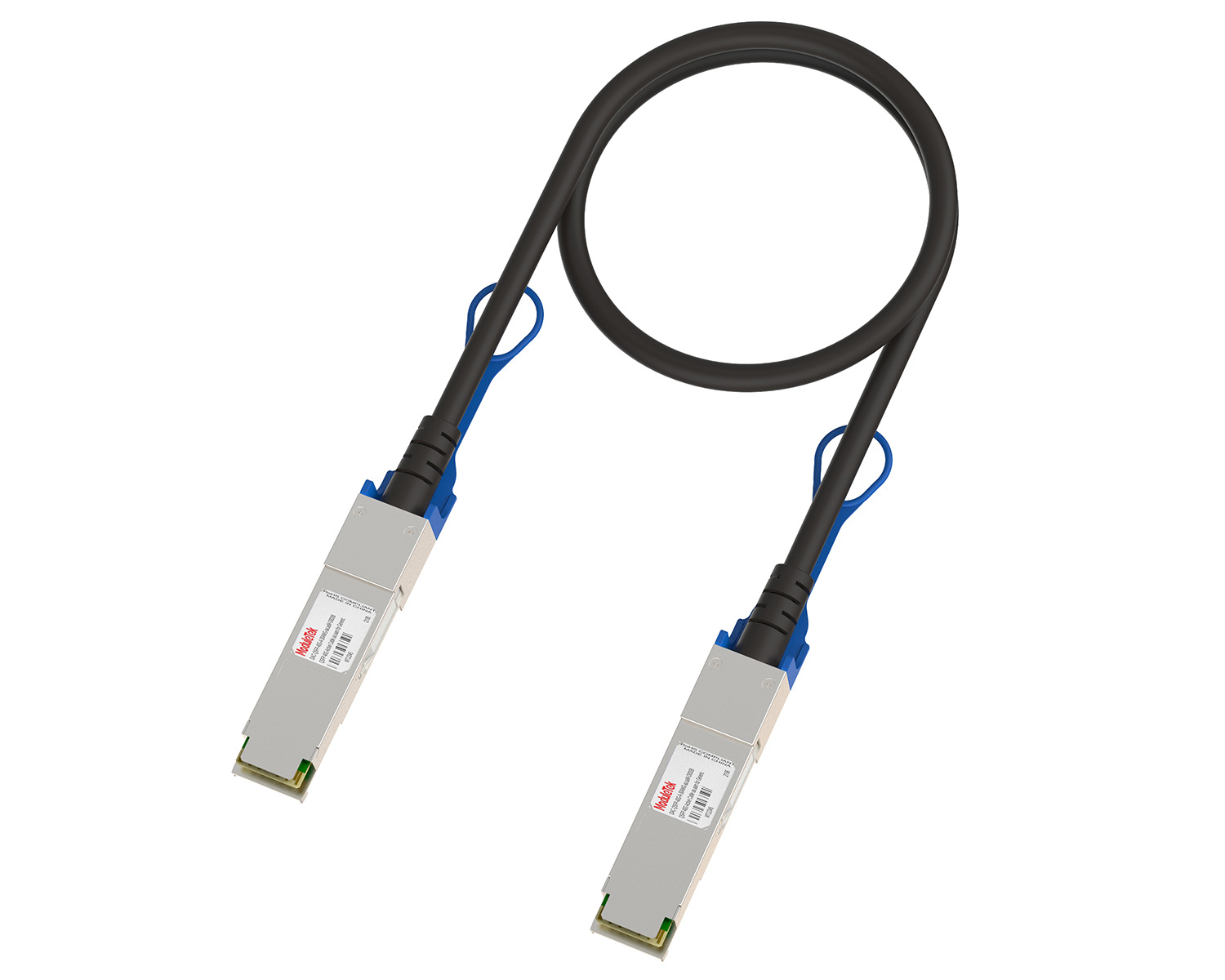 10G/40G Active DAC Series
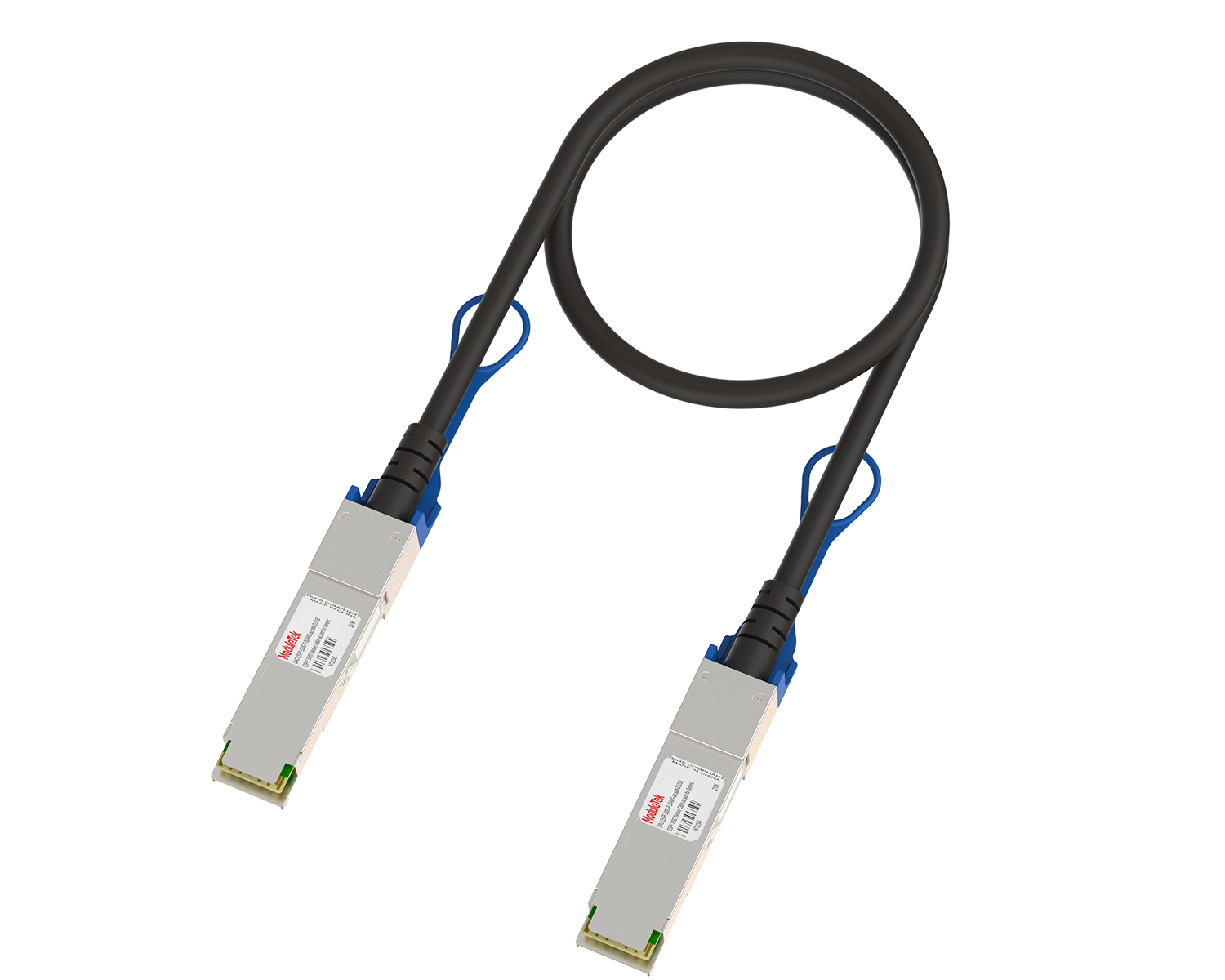 Full-Rate Passive DAC Series
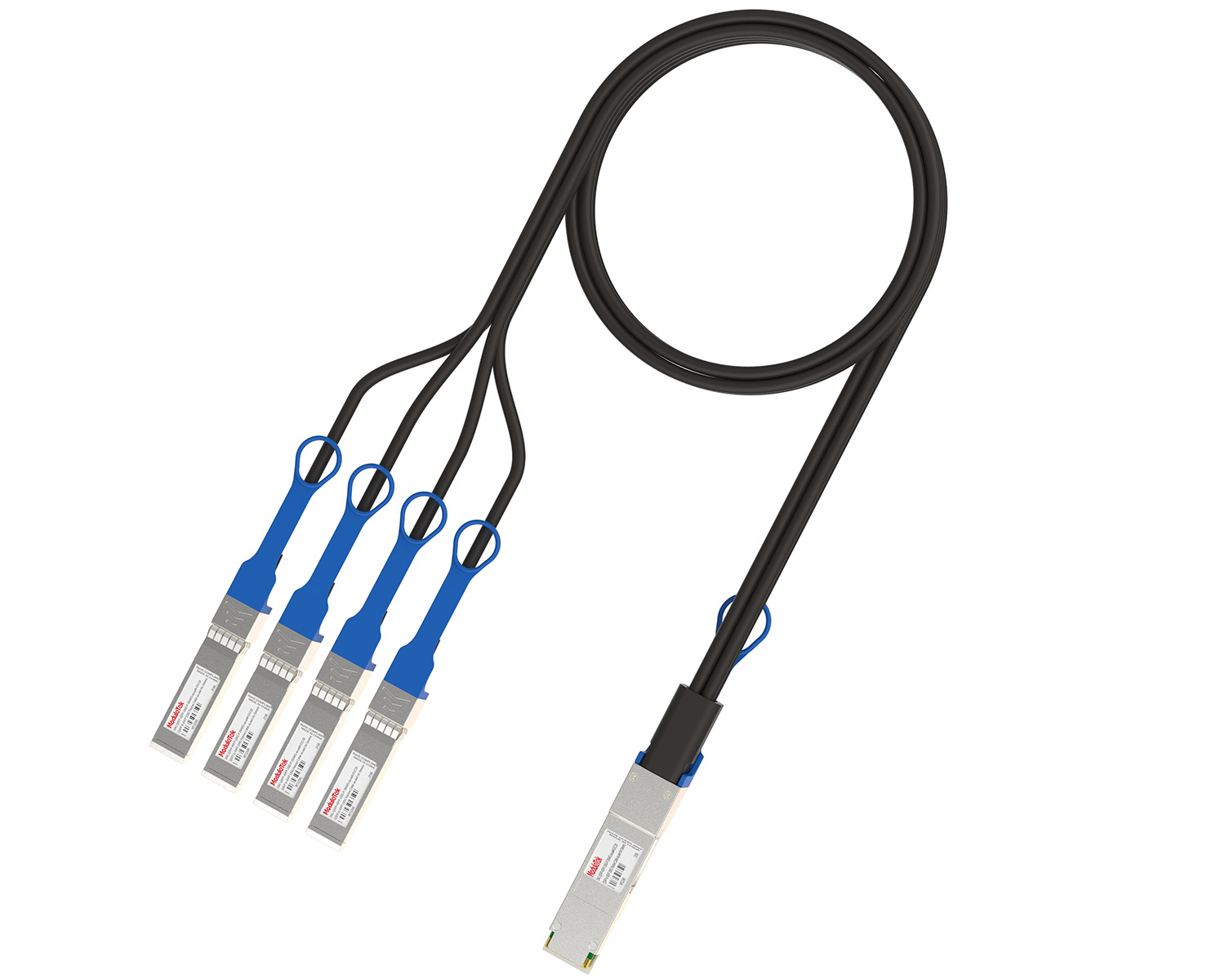 40G/100G Passive Breakout DAC Series
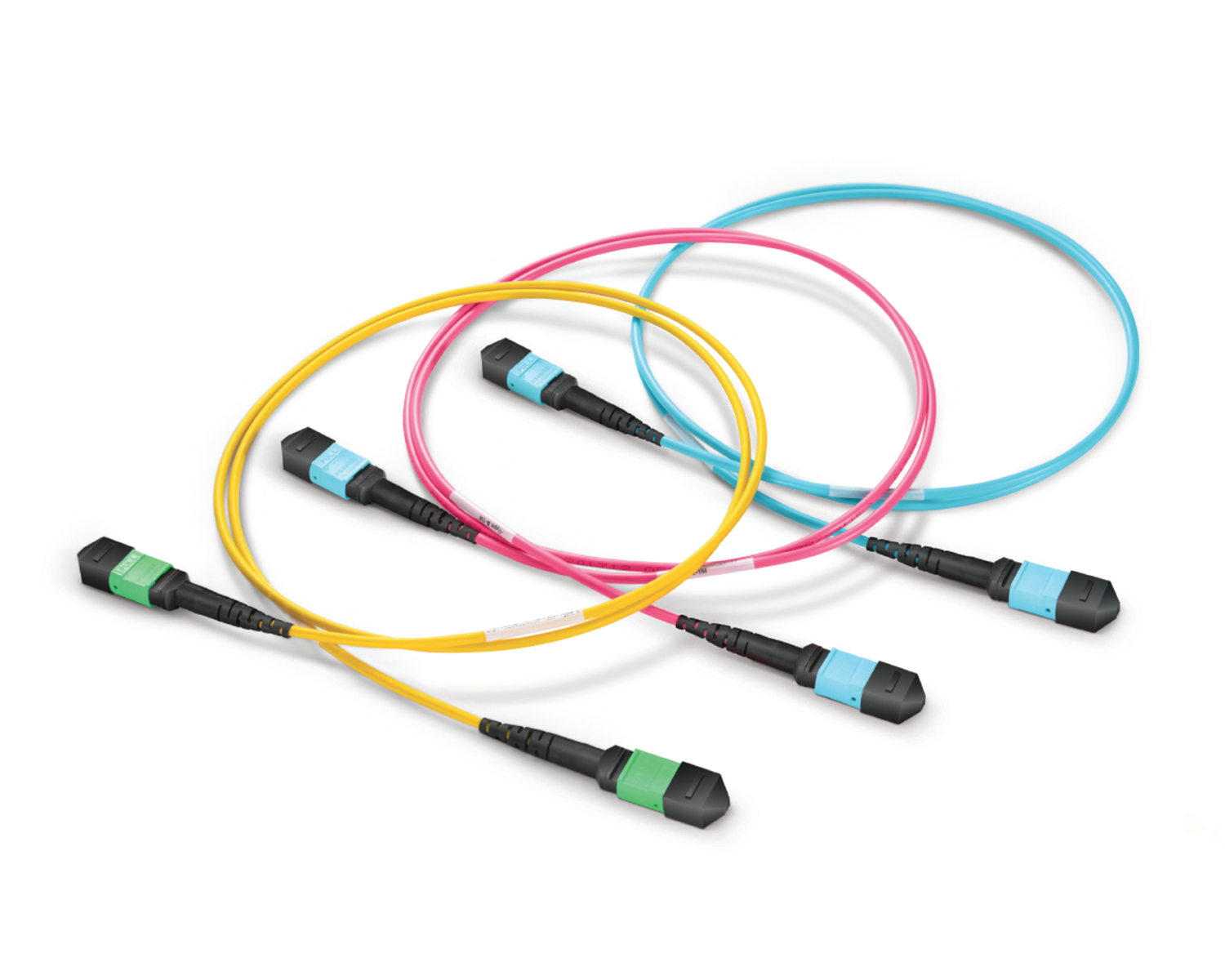 Regular/MTP-MPO Fiber Patch Cords
 MT2011
 MT2010
 CodingBox
 QSFP to SFP Adapter
Differences Between DAC Cables For InfiniBand And Ethernet
Time: 2023-10-07
DAC datasheets typically mark compatibility with either InfiniBand or Ethernet. However, no visible difference can be observed from the appearance of DAC cables, as they share identical packaging and materials. This often raises the question of whether they can be used interchangeably. This document briefly explains the key differences.
1. Application Environment
InfiniBand and Ethernet are two distinct network protocols, which means DAC cables are used in different hardware and software environments. These environmental differences are the root cause of the varying performance requirements for DACs.
Ethernet standards are defined in IEEE 802.3, developed by the Institute of Electrical and Electronics Engineers (IEEE).
InfiniBand standards are specified in the InfiniBand Architecture Specification, published by the InfiniBand Trade Association (IBTA).
2. Data Rates
Taking typical 4‑channel QSFP DAC products as an example:
InfiniBand Rates
• SDR (Single Data Rate): 8 Gb/s
• DDR (Double Data Rate): 16 Gb/s
• QDR (Quad Data Rate): 32 Gb/s
• FDR (Fourteen Data Rate): 56 Gb/s
• EDR (Enhanced Data Rate): 100 Gb/s
• HDR (High Data Rate): 200 Gb/s
Main Ethernet Rates
• SFP: 1 Gb/s (1G Ethernet)
• SFP+: 10 Gb/s (10G Ethernet)
• SFP28: 25 Gb/s (25G Ethernet)
• QSFP: 40 Gb/s (40G Ethernet)
• QSFP28: 100 Gb/s (100G Ethernet)
• QSFP28-DD: 200 Gb/s (200G Ethernet)
3. Insertion Loss
Taking 100G Ethernet as an example, its insertion loss requirements follow Clause 92.10.2 of IEEE 802.3-2022, which specifies insertion loss ≤ 22.48 dB at 12.89 GHz (see Figure 1).
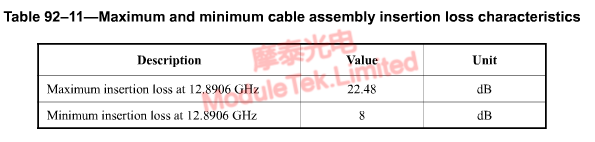
Figure 1 Insertion Loss Specification for 100G Ethernet
InfiniBand EDR (also 100G) follows Section 6.8.8 of the InfiniBand Architecture Specification, requiring insertion loss ≤ 16.74 dB at 12.89 GHz (see Figure 2).

Figure 2 Insertion Loss Specification for InfiniBand EDR
As shown in the comparison, InfiniBand EDR uses the same test method and center frequency as 100G Ethernet, but imposes much stricter insertion loss limits — meaning higher performance requirements for the DAC cable.
4. Default CDR (Clock and Data Retiming) State
In InfiniBand host devices, CDR is bypassed or disabled by default to ensure backward compatibility. For example, an EDR device can operate in FDR mode.
For 100G Ethernet, CDR is enabled by default. To use lower rates, CDR must first be disabled.
5. Bit Error Rate (BER)
IEEE defines a raw BER of 1E-5 for Ethernet, which is corrected to 1E-12 by FEC (Forward Error Correction) in the host. The required effective BER for Ethernet is therefore 1E-12.
InfiniBand assumes no FEC is used in the host and requires a native BER of 1E-15, which is significantly more stringent than Ethernet.
6. Summary
From the above comparison, InfiniBand imposes higher performance specifications on DAC cables than Ethernet at the same data rate. Therefore, DAC cables designed for InfiniBand deliver superior performance compared to equivalent-rate Ethernet products.
7. Moduletek Product Models
Moduletek offers 56G FDR and 100G EDR passive DAC products compliant with InfiniBand standards. Available models are listed below.
Table 1 InfiniBand DAC Products
|
Part Number
|
Description
|
AWG
|
Max Length
|
|
QSFP-FDR-P-30AWG-aa.aaM
|
QSFP 56G FDR Passive
|
30AWG
|
≤ 2 m
|
|
QSFP-FDR-P-28AWG-aa.aaM
|
QSFP 56G FDR Passive
|
28AWG
|
≤ 3 m
|
|
QSFP-FDR-P-26AWG-aa.aaM
|
QSFP 56G FDR Passive
|
26AWG
|
≤5 m
|
|
QSFP-EDR-P-30AWG-aa.aaM
|
QSFP 100G EDR Passive
|
30AWG
|
≤1 m
|
|
QSFP-EDR-P-28AWG-aa.aaM
|
QSFP 100G EDR Passive
|
28AWG
|
≤2 m
|
|
QSFP-EDR-P-26AWG-aa.aaM
|
QSFP 100G EDR Passive
|
26AWG
|
≤ 3 m
|
Welcome to purchase.
For further inquiries about the above content, please contact us at: sales@moduletek.com