 40G/100G Optical Transceivers
 25G Optical Transceivers
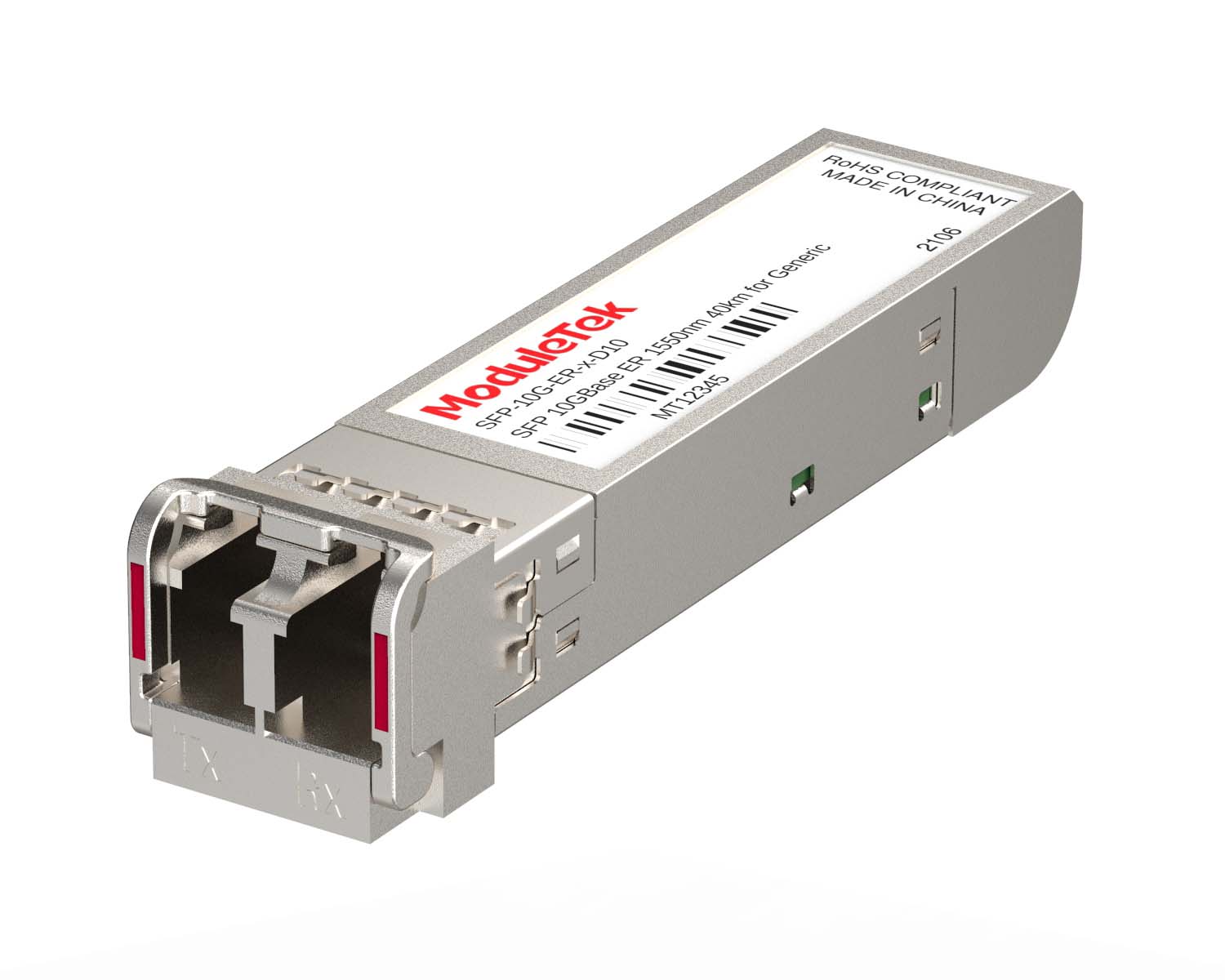 10G Optical Transceivers
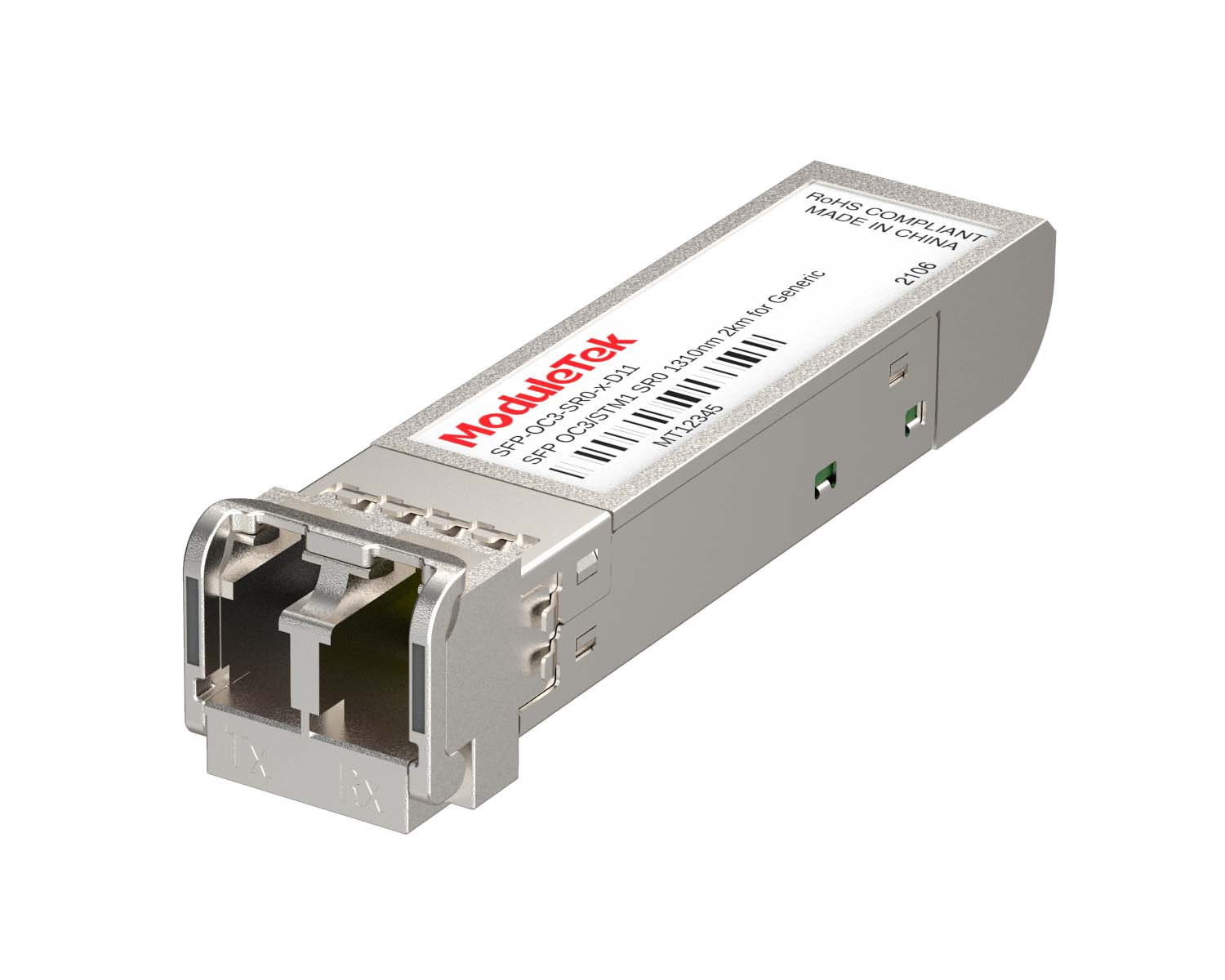 155M/2.5G Optical Transceivers
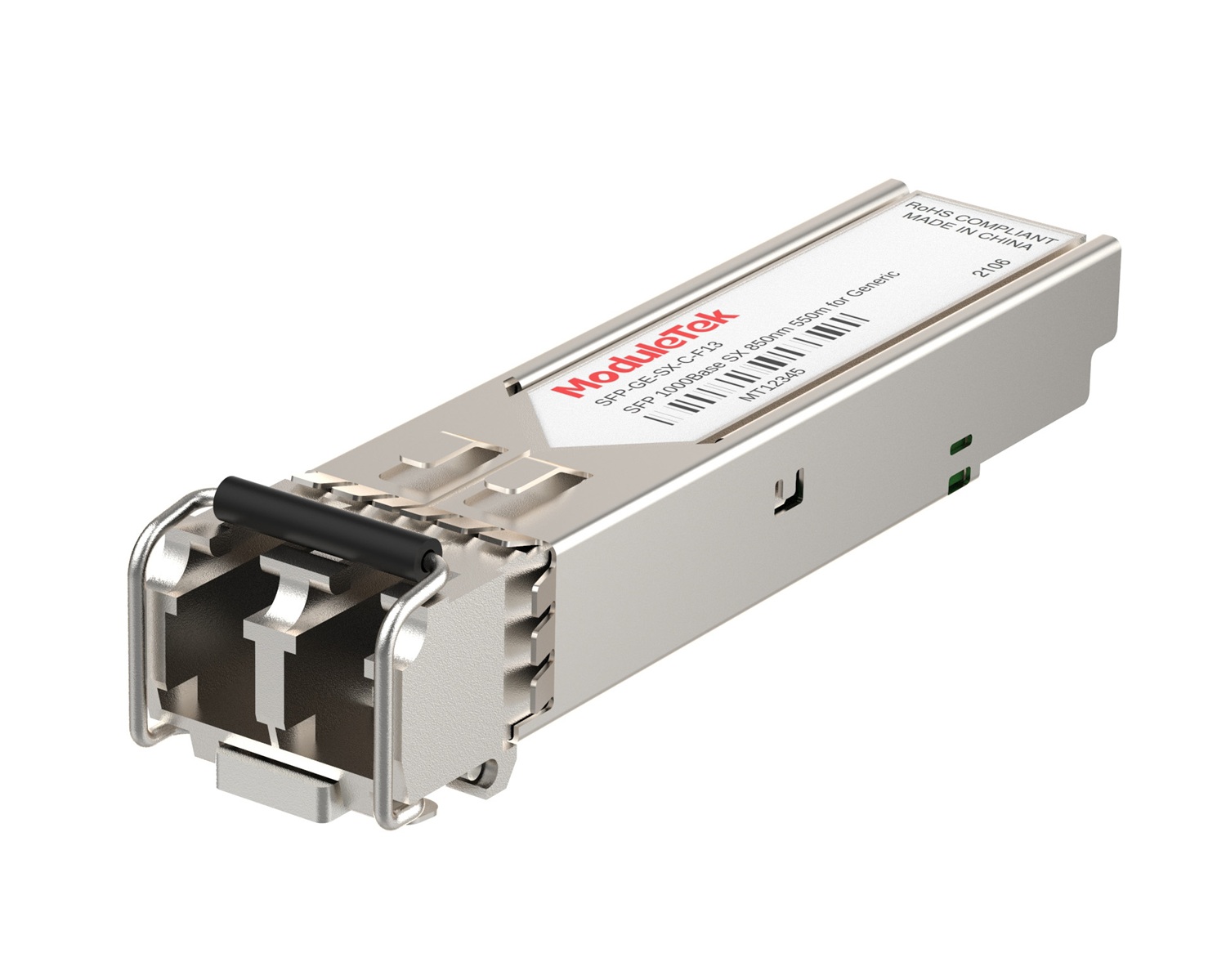 1G Optical Transceivers
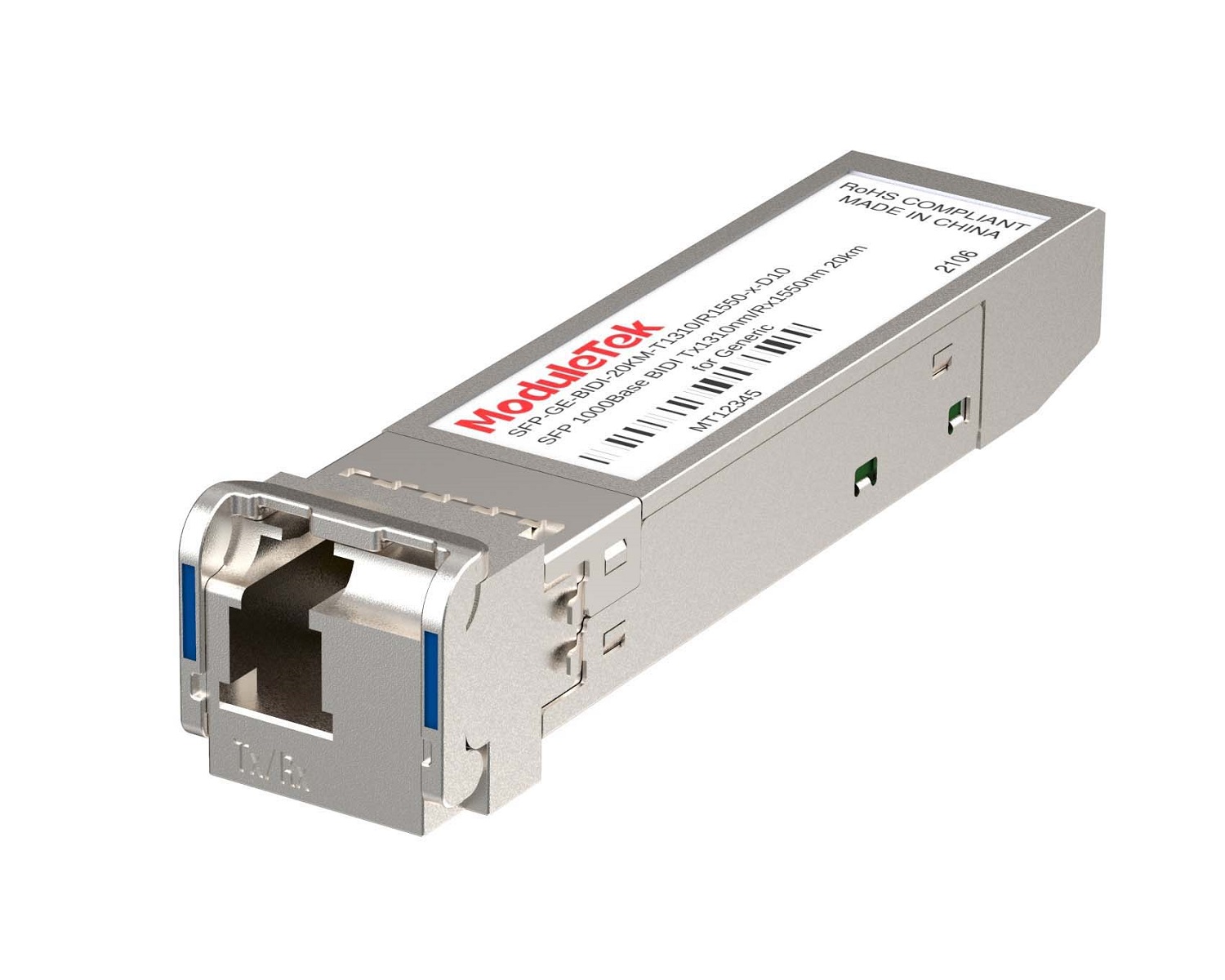 1G BIDI Optical Transceivers
 Dual-Rate Optical Transceivers
 FC 16G/32G Optical Transceivers
 CWDM Optical Transceivers
 DWDM Optical Transceivers
 SGMII Port Optical Transceivers
 XFP Optical Transceivers
 100M/1G/10G Coppers
 Full-Rate AOC & Breakout Series
 10G/40G Active DAC Series
 Full-Rate Passive DAC Series
 40G/100G Passive Breakout DAC Series
 Regular/MTP-MPO Fiber Patch Cords
 MT2011
 MT2010
 CodingBox
 QSFP to SFP Adapter
What Are 5G Fronthaul, Midhaul And Backhaul
Time: 2023-10-07
• Logical Architecture of 5G Mobile Communication
Before understanding 5G fronthaul, midhaul and backhaul, we first clarify the logical architecture of 5G mobile communication.
The 5G network consists of three parts: the access network, the bearer network, and the core network.
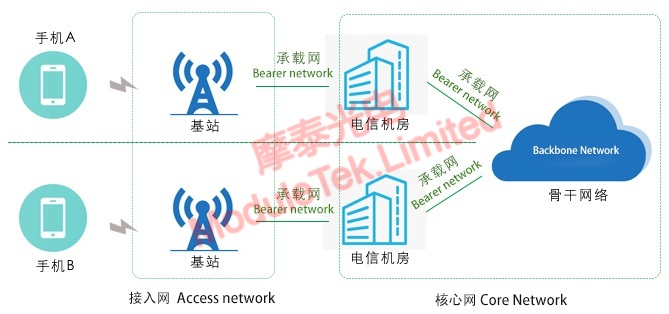
Figure 1 Logical Architecture of 5G Mobile Communication
ake a call between two mobile phones as an example. The communication data goes through the following links:
Mobile Phone A → Access Network (Base Station) → Bearer Network → Core Network (Telecom Equipment Room – Bearer Network – Backbone Network) → Bearer Network → Access Network (Base Station) → Mobile Phone B.
The access network generally refers to the Radio Access Network (RAN), which connects all mobile terminals to the network.
A base station, as commonly referred to, belongs to the RAN. The concepts of 5G fronthaul, midhaul and backhaul are all defined relative to the base station.
• Base Station Composition
In 4G communication, a base station typically consists of a BBU (BaseBand Unit) (mainly for signal modulation), an RRU (Remote Radio Unit) (mainly for radio frequency processing), feeders (connecting the RRU and antenna), and the antenna itself.
Each 4G base station has one BBU, which connects directly to the core network.
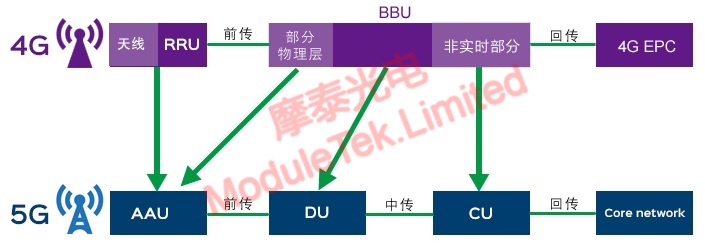
Figure 2 Comparison of 4G and 5G Base Station Architectures
In the 5G network, the base station is rearchitected into three functional entities: the CU (Centralized Unit), the DU (Distributed Unit), and the AAU (Active Antenna Unit).
• CU: The non-real-time part of the original BBU is separated and redefined as the CU, responsible for non-real-time protocols and services.
• AAU: Partial physical-layer processing functions of the BBU are combined with the original RRU and passive antenna to form the AAU.
• DU: The remaining functions of the BBU are redefined as the DU, responsible for physical-layer protocols and real-time services.
Therefore, the 4G network only has fronthaul and backhaul, while the 5G network has evolved into three segments:
• The link between AAU and DU is called fronthaul.
• The link between DU and CU is called midhaul.
• The communication bearer between the CU and the core network is called backhaul.
Note: According to 5G standards, the CU, DU and AAU can be deployed separately or in an integrated manner. As a result, a base station may not always support all three types of links (fronthaul, midhaul and backhaul) simultaneously.
Moduletek provides optical module solutions for 5G fronthaul, midhaul and backhaul.
For further inquiries about the above content, please contact us at: sales@moduletek.com