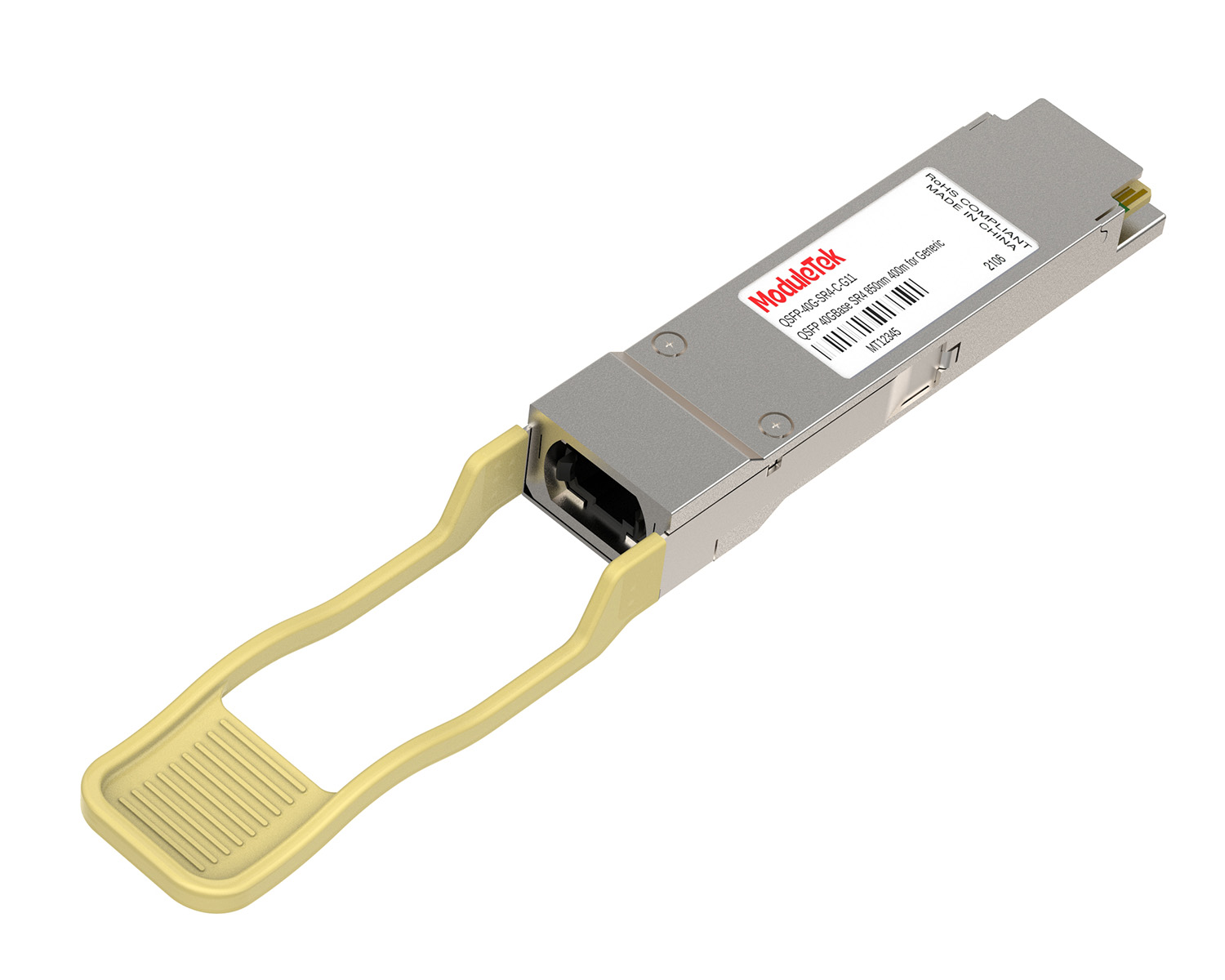
 40G/100G Optical Transceivers
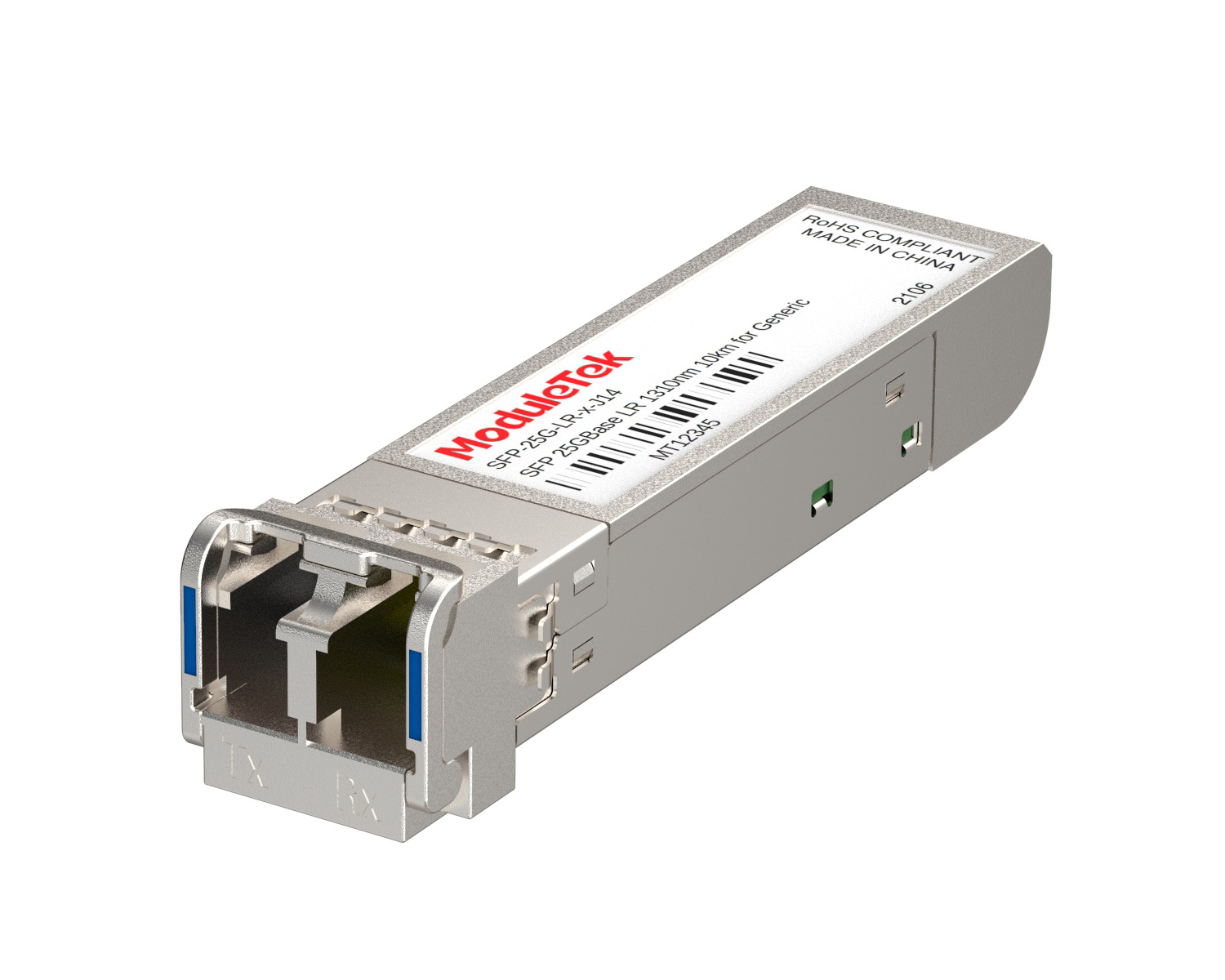 25G Optical Transceivers
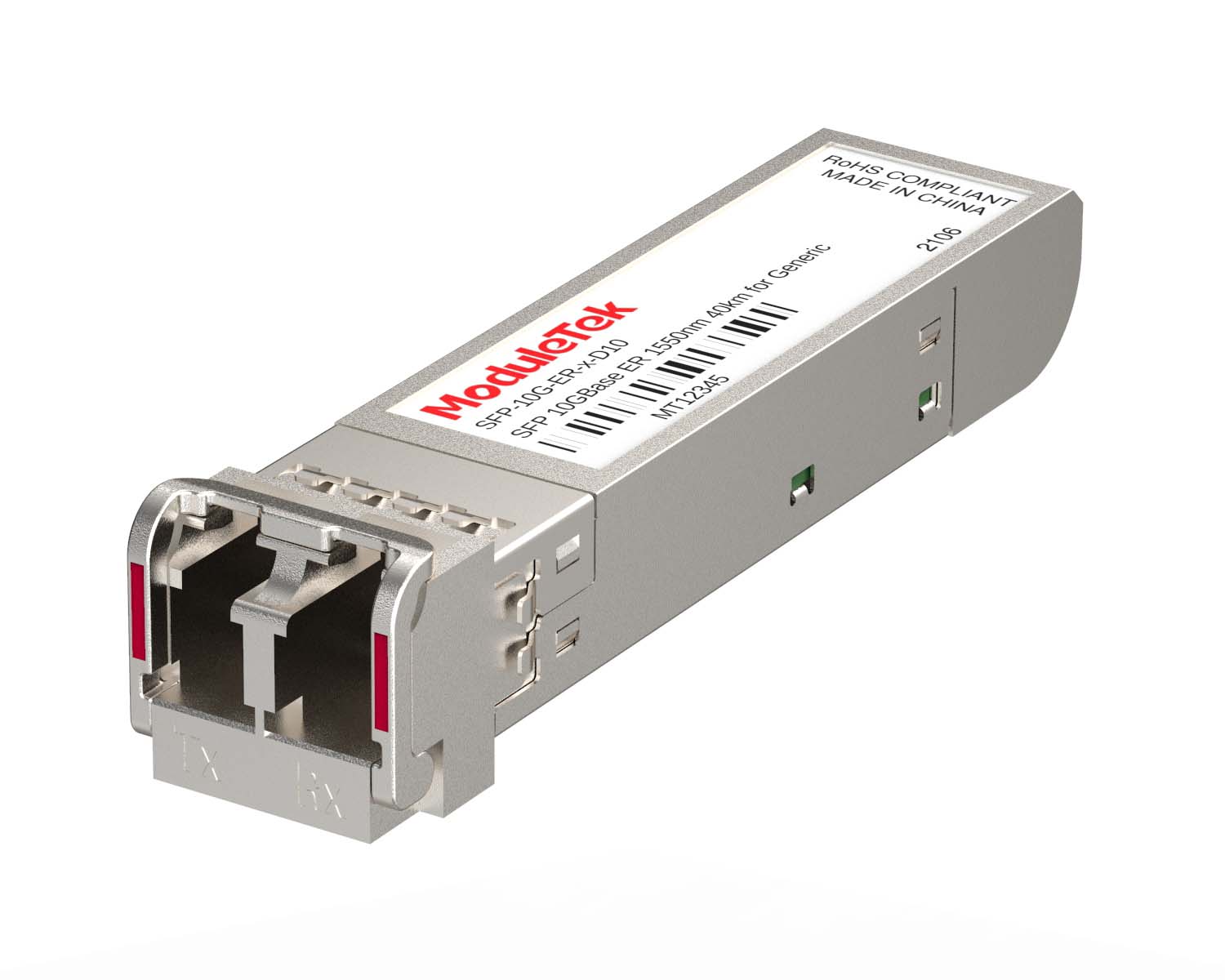 10G Optical Transceivers
 155M/2.5G Optical Transceivers
 1G Optical Transceivers
 1G BIDI Optical Transceivers
 Dual-Rate Optical Transceivers
 FC 16G/32G Optical Transceivers
 CWDM Optical Transceivers
 DWDM Optical Transceivers
 SGMII Port Optical Transceivers
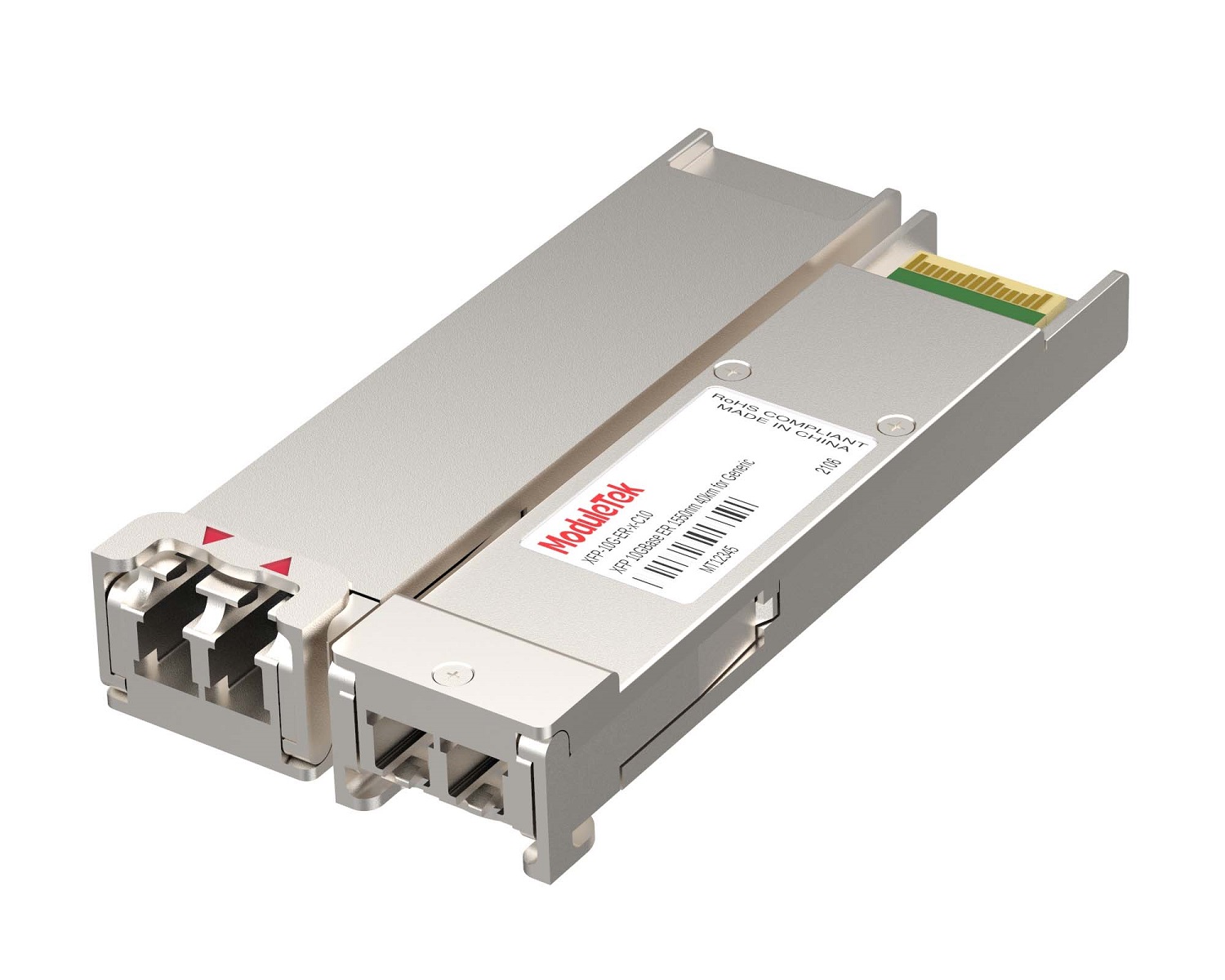 XFP Optical Transceivers
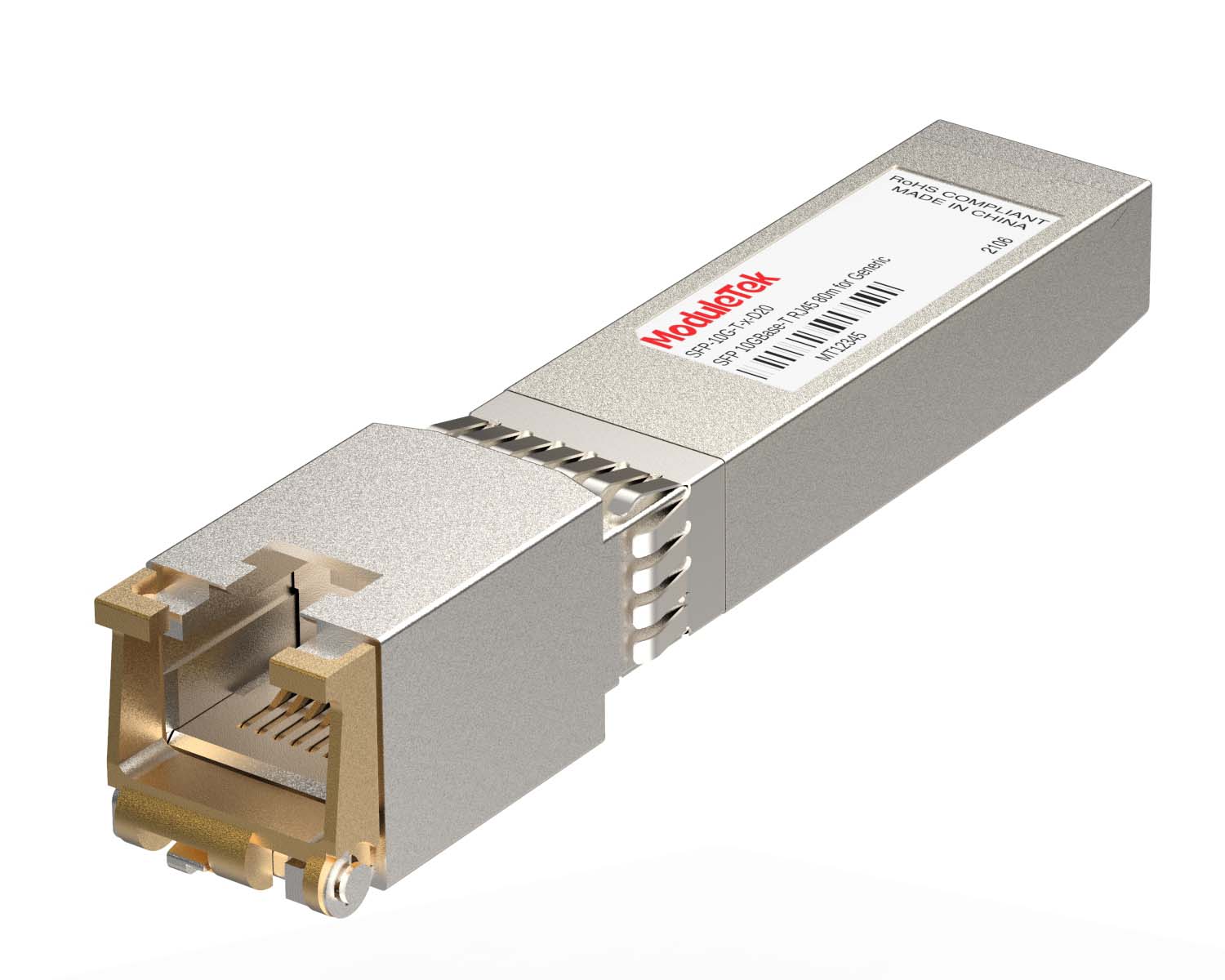 100M/1G/10G Coppers
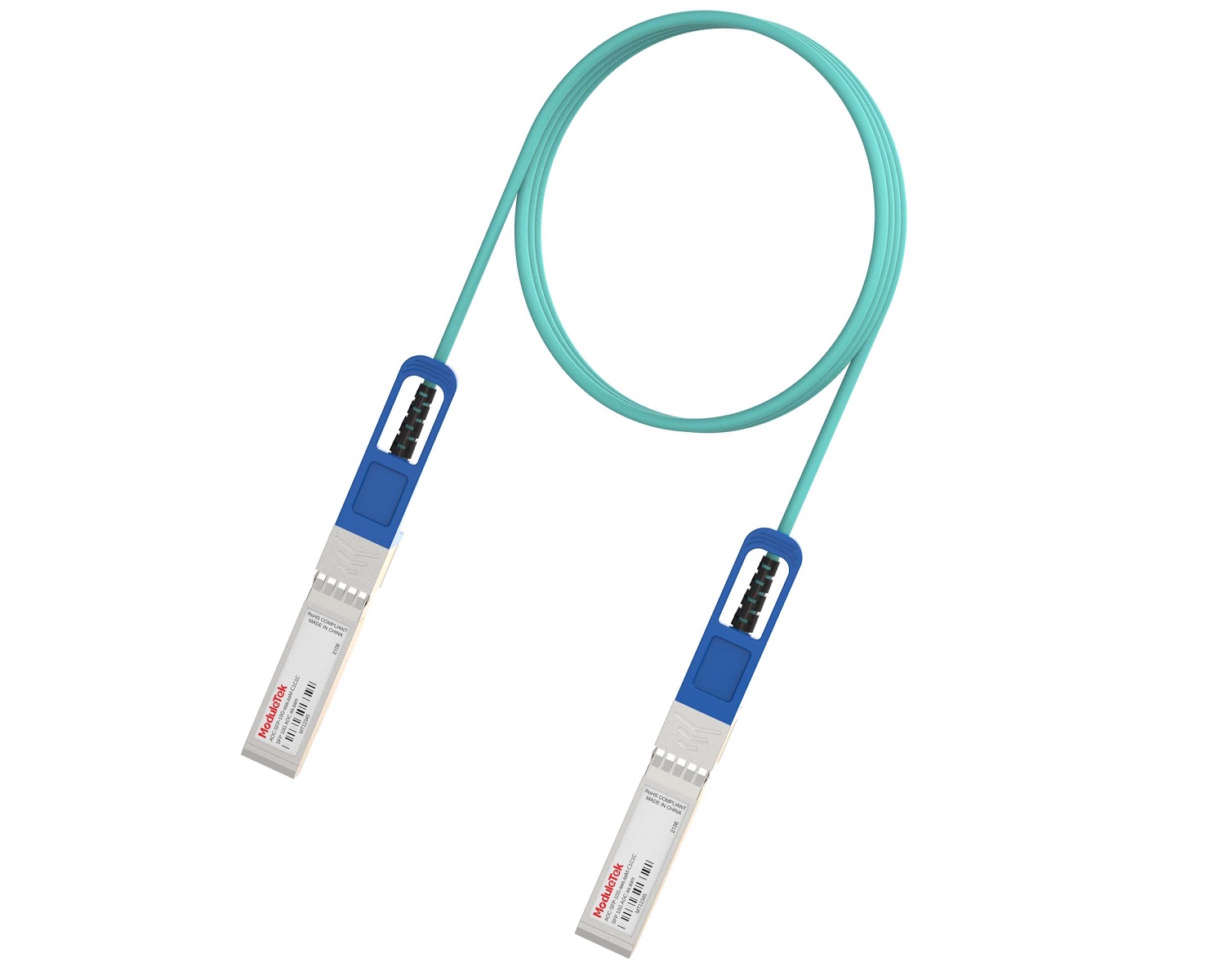 Full-Rate AOC & Breakout Series
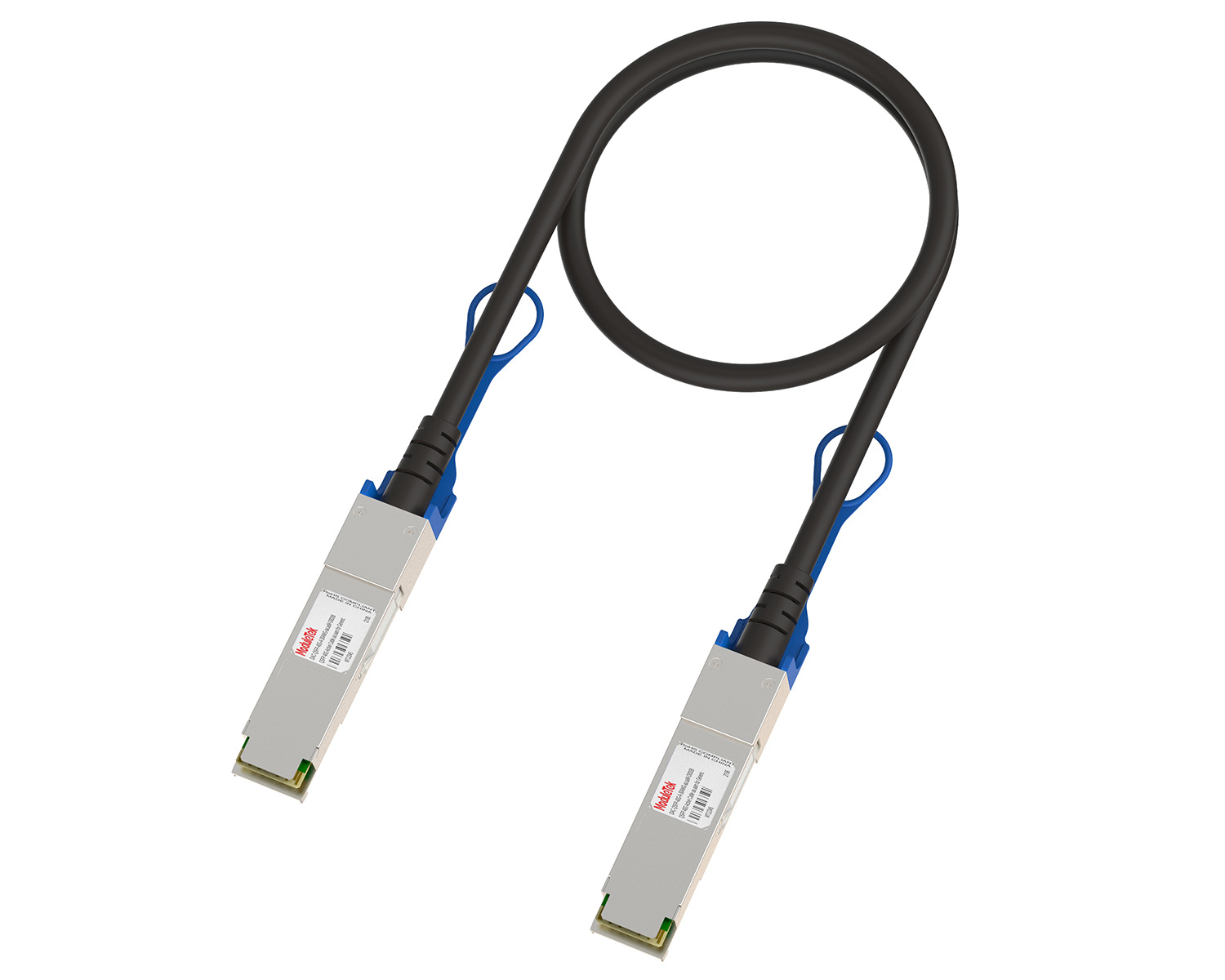 10G/40G Active DAC Series
 Full-Rate Passive DAC Series
 40G/100G Passive Breakout DAC Series
 Regular/MTP-MPO Fiber Patch Cords
 MT2011
 MT2010
 CodingBox
 QSFP to SFP Adapter
Recognizing Category 5 And Category 6 Network Cables
Time: 2023-12-07
Network cables, also known as twisted-pair cables, are assigned different performance grades under ISO/IEC 11801, such as Category 3, 4, 5, 6, 7, 8 and so on.
A higher category number means a newer standard, better electrical performance and stronger transmission capability.
At present, Cat3 and Cat4 cables have been phased out and replaced by Cat5 cables, while Cat7 and Cat8 are not yet widely used.
This article therefore focuses on the identification and characteristics of Category 5 and Category 6 network cables.
1. Category 5 Cable
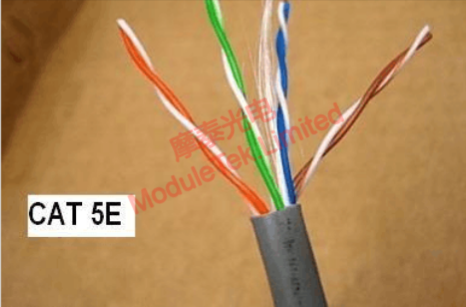
Figure 1 Category 5 Cable
The most commonly used Category 5 cable today is marked CAT5e (Enhanced Category 5), with a bandwidth of 155 MHz, supporting both 100M and Gigabit Ethernet data transmission.
It consists of 4 twisted wire pairs plus one tensile strength member.
The EIA/TIA cabling standards define two twisted-pair wiring schemes: T568A and T568B, of which T568B is the mainstream choice.
It has a bare copper conductor diameter of 0.51 mm (24 AWG), insulation diameter of 0.92 mm, and overall cable diameter of 5 mm.
• T568A wiring sequence: white-green, green, white-orange, blue, white-blue, orange, white-brown, brown.
• Application of T568A: used for crossover interconnection between network devices.
A crossover cable uses T568A at one end and T568B at the other, with partial wire positions crossed before crimping into RJ45 plugs.
Typical scenarios:
• Peer-to-peer connection between two computers;
• Hub to hub;
• Switch to switch.
• T568B wiring sequence: white-orange, orange, white-green, blue, white-blue, green, white-brown, brown.
• Application of T568B: used for straight-through interconnection, with both ends wired to T568B.
Typical scenarios:
• Computer to ADSL modem;
• ADSL modem to the WAN port of an ADSL router;
• Computer to the LAN port of an ADSL router;
• Computer to hub or switch.
2. Category 6 Network Cable
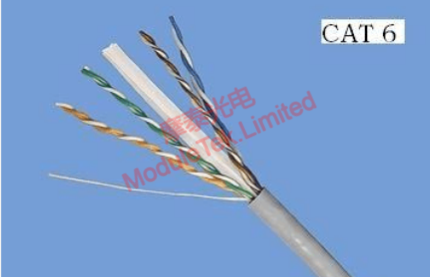
Figure 2 Category 6 Network Cable
Category 6 cables include two specifications: CAT6 and CAT6A (Augmented Category 6), with CAT6A delivering higher performance.
CAT6 offers a bandwidth of 250 MHz, designed for Gigabit Ethernet.
It provides better electrical signal compensation at connected devices and can also transmit 2.5G, 5G or even 10Gbps signals,
although the maximum distance for 10Gbps transmission is generally less than 50 meters.
CAT6 differs from CAT5e in both form and structure:
it adds an insulating cross-shaped spline that separates the four twisted pairs into four independent slots, and has a thicker overall diameter.
The central cross spline stabilizes the relative position of the twisted pairs, improving impedance balance and crosstalk attenuation performance.
Unshielded CAT6 twisted-pair cable has a bare copper conductor diameter of 0.57 mm (23 AWG), insulation diameter of 1.02 mm, and overall cable diameter of 6.53 mm.
CAT6A supports a bandwidth of 500 MHz and a transmission rate of 10 Gbps, dedicated to 10 Gigabit Ethernet.
When used with 10G Ethernet ports such as the SFP-10GE-T module, it can extend 10Gbps signal transmission to 100 meters.
As networks continue to upgrade, CAT6A cables will be deployed in more and more scenarios.
3. Summary
Different cable categories differ greatly in specifications, cost and application scenarios, so they should be selected carefully according to actual needs.
If future network upgrades are taken into account, higher-grade cables are recommended to avoid re-laying and extra costs during upgrades.
Moduletek Limited is at your service!
For further inquiries about the above content, please contact us at: sales@moduletek.com