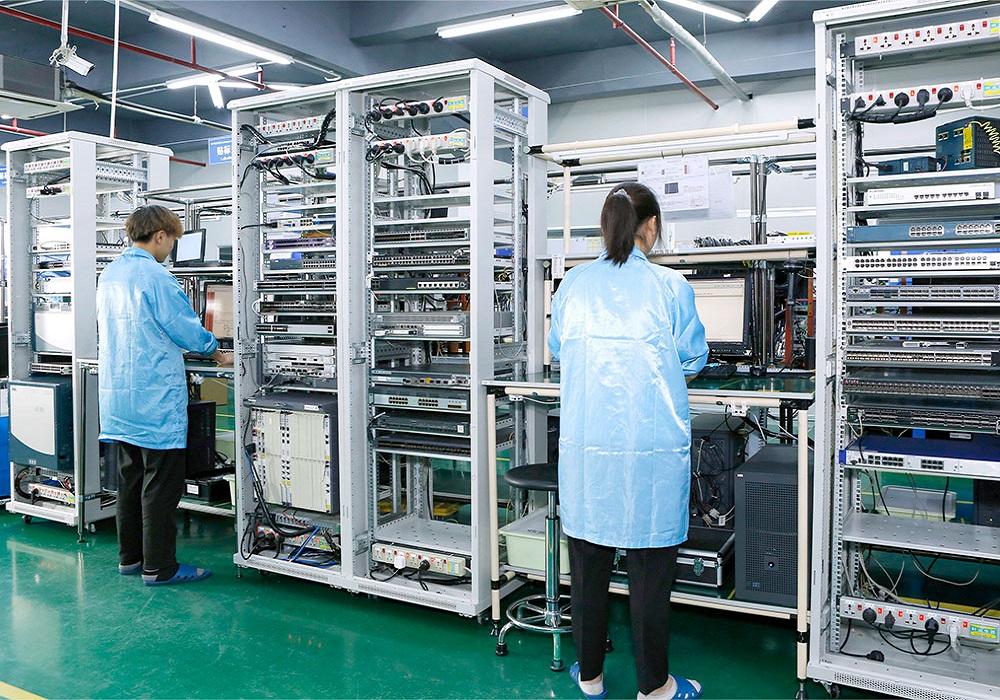
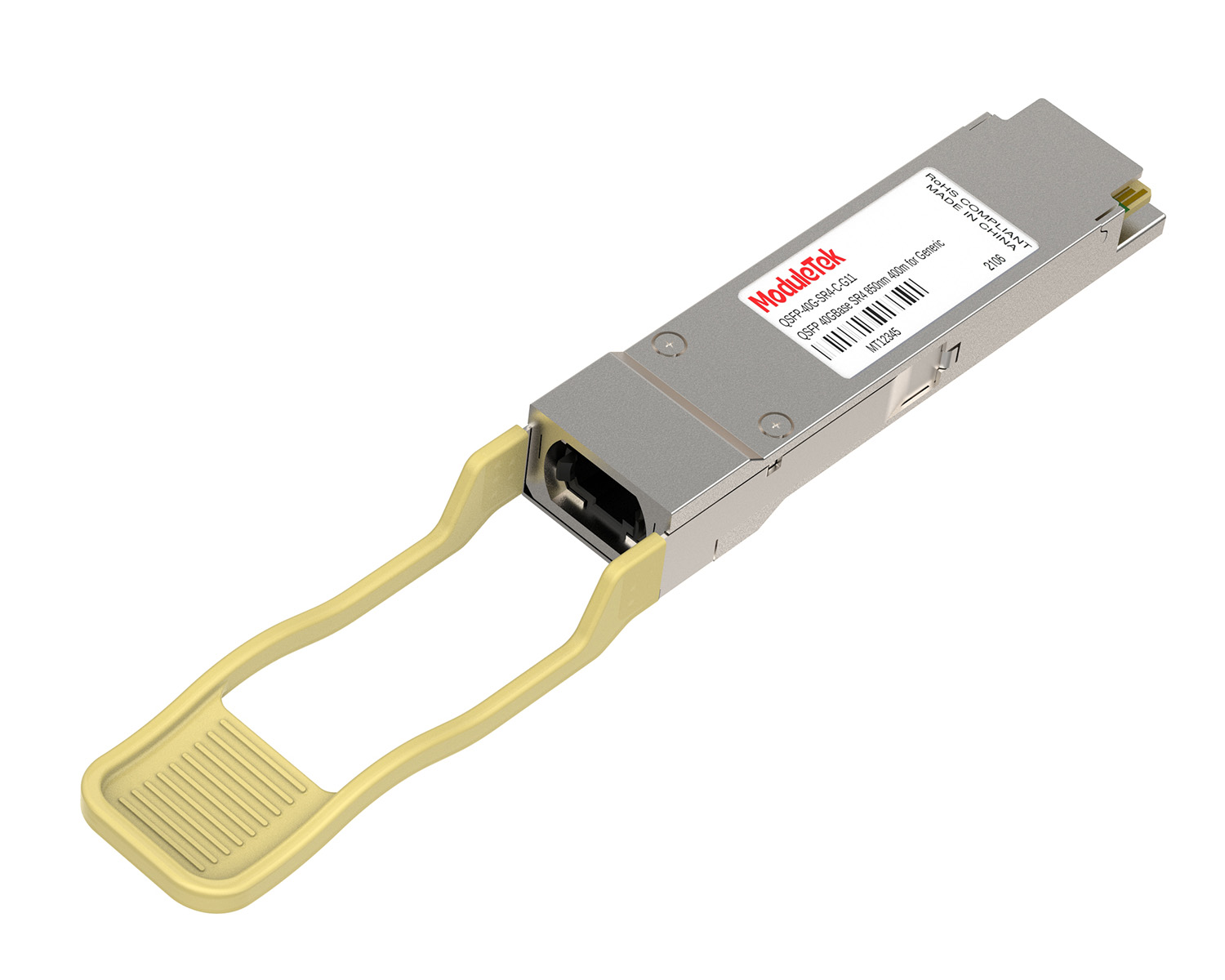
 40G/100G Optical Transceivers
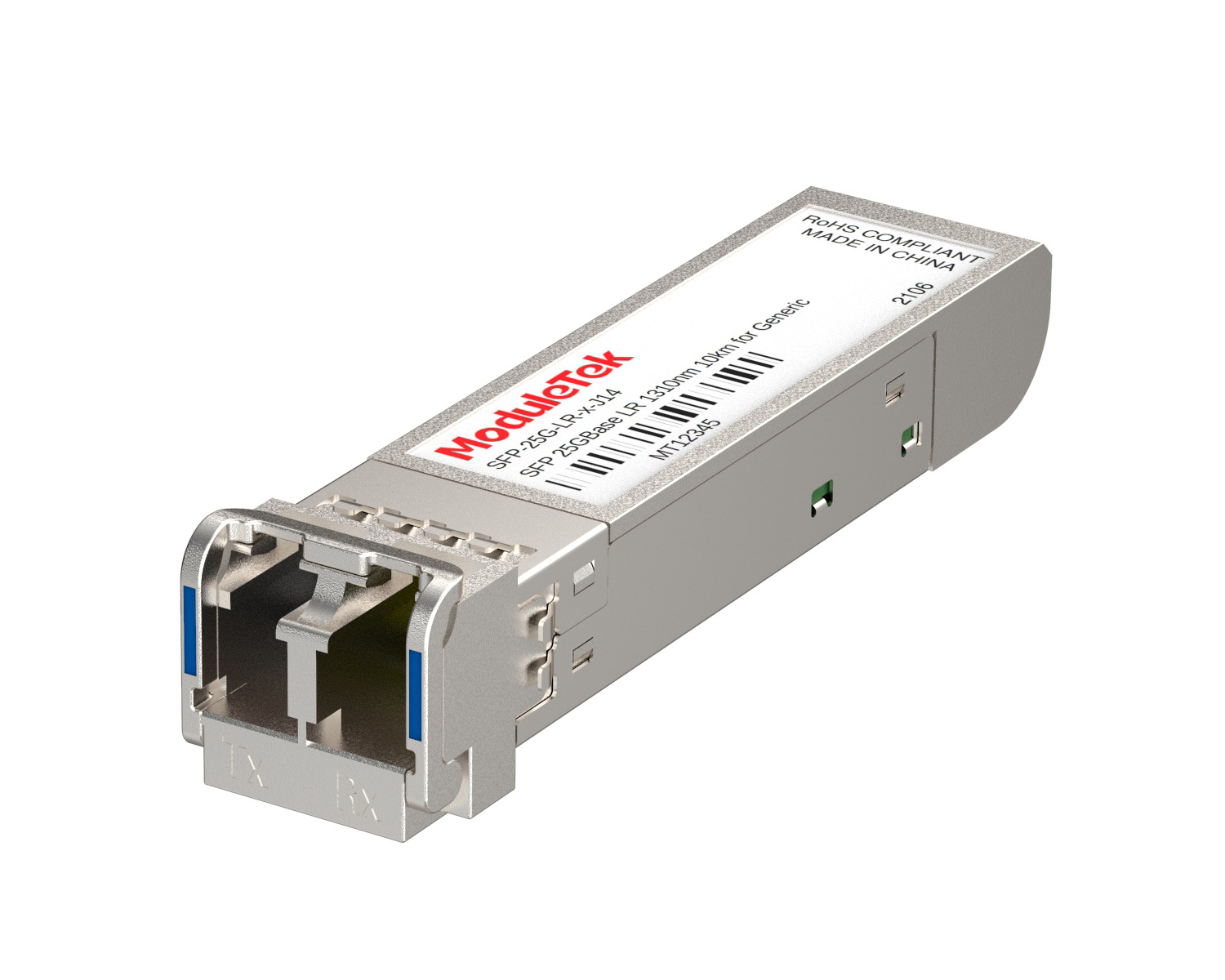 25G Optical Transceivers
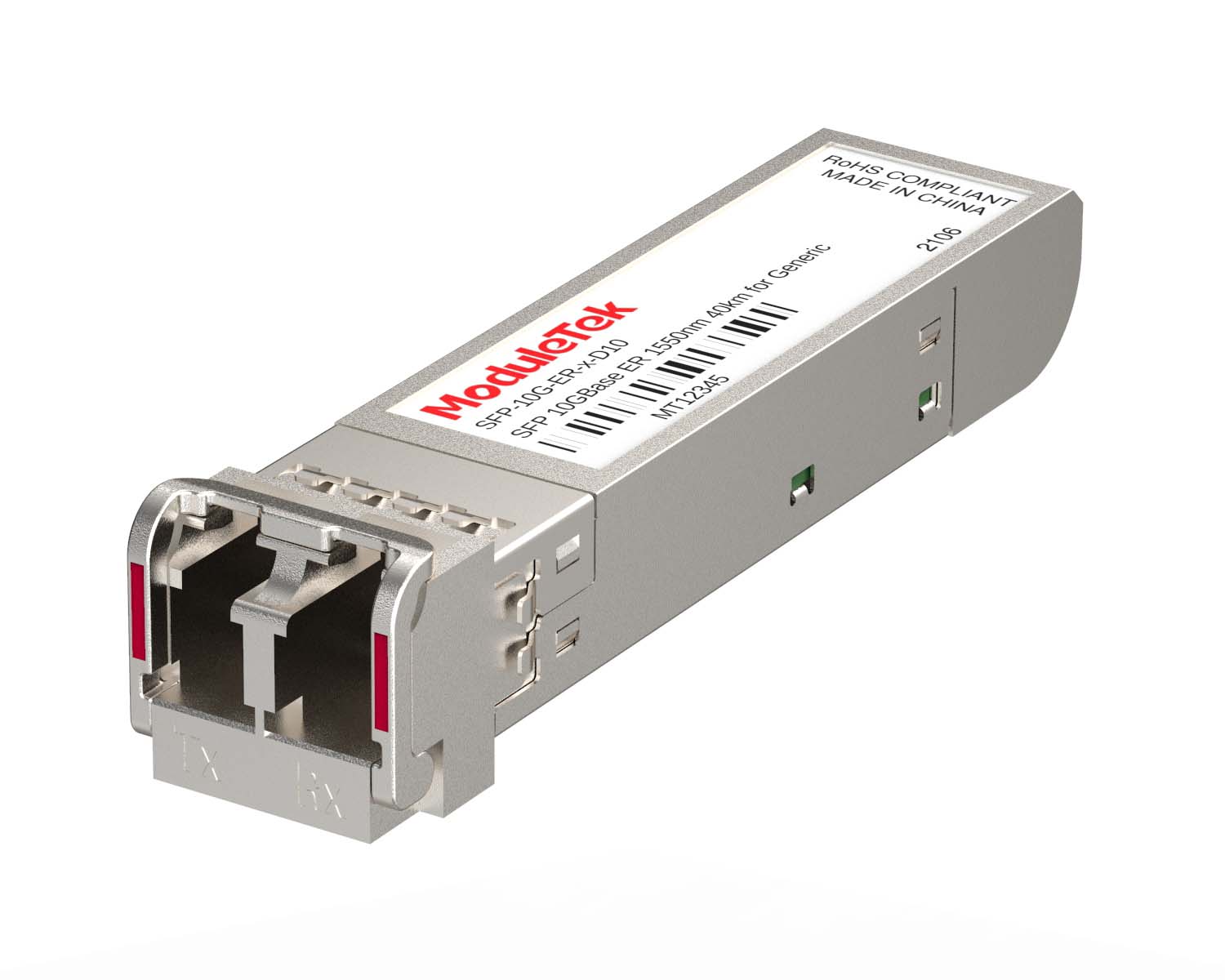 10G Optical Transceivers
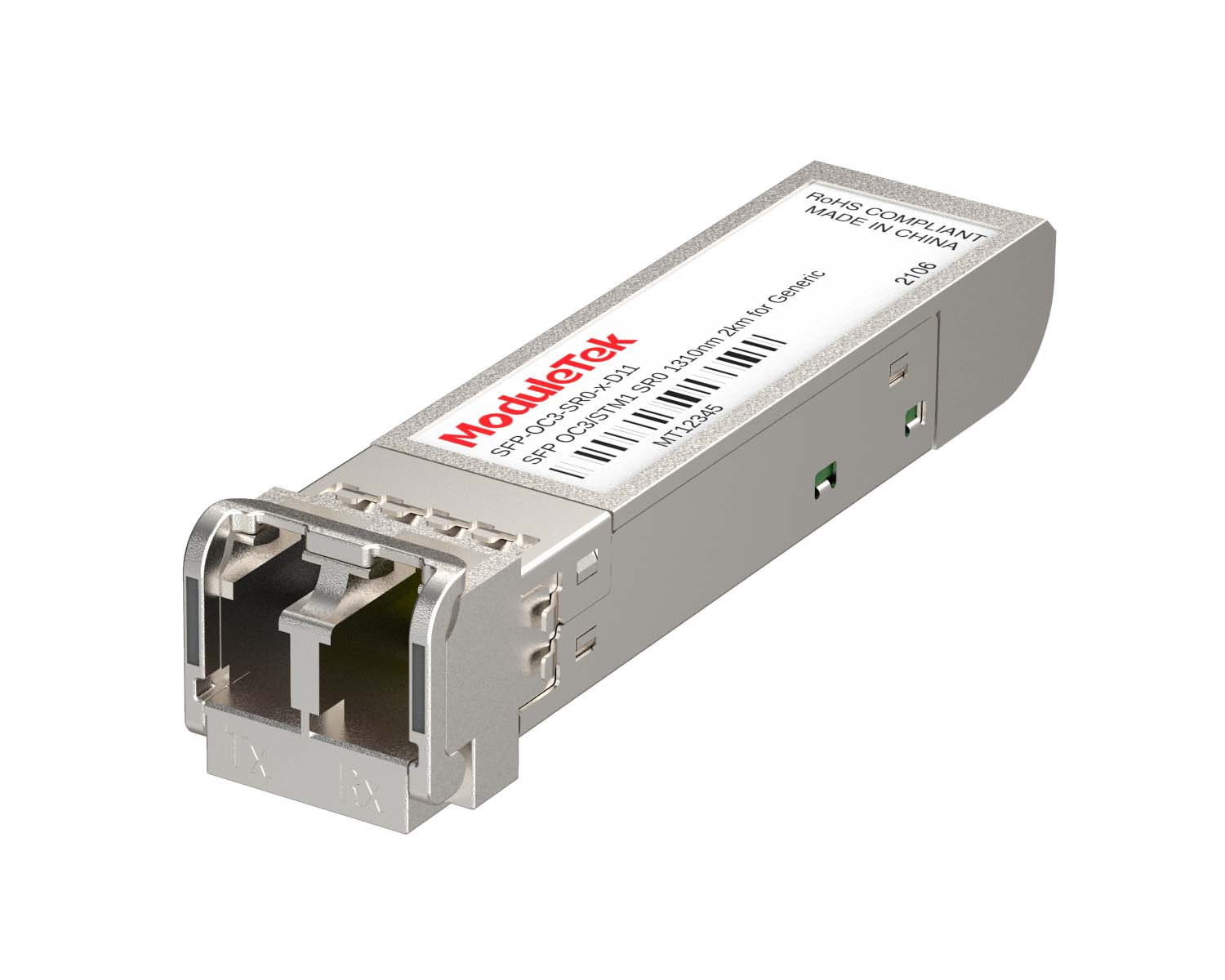 155M/2.5G Optical Transceivers
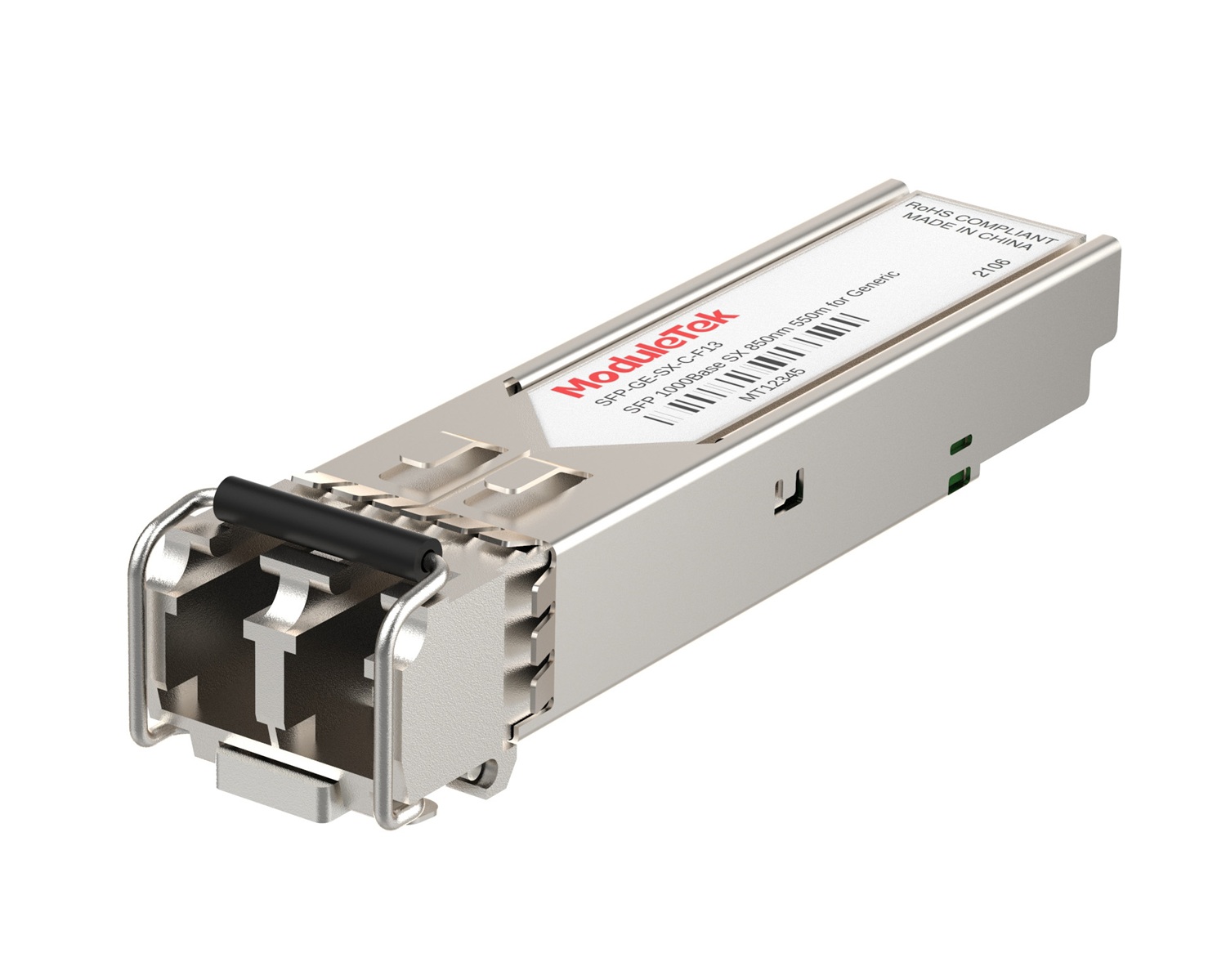 1G Optical Transceivers
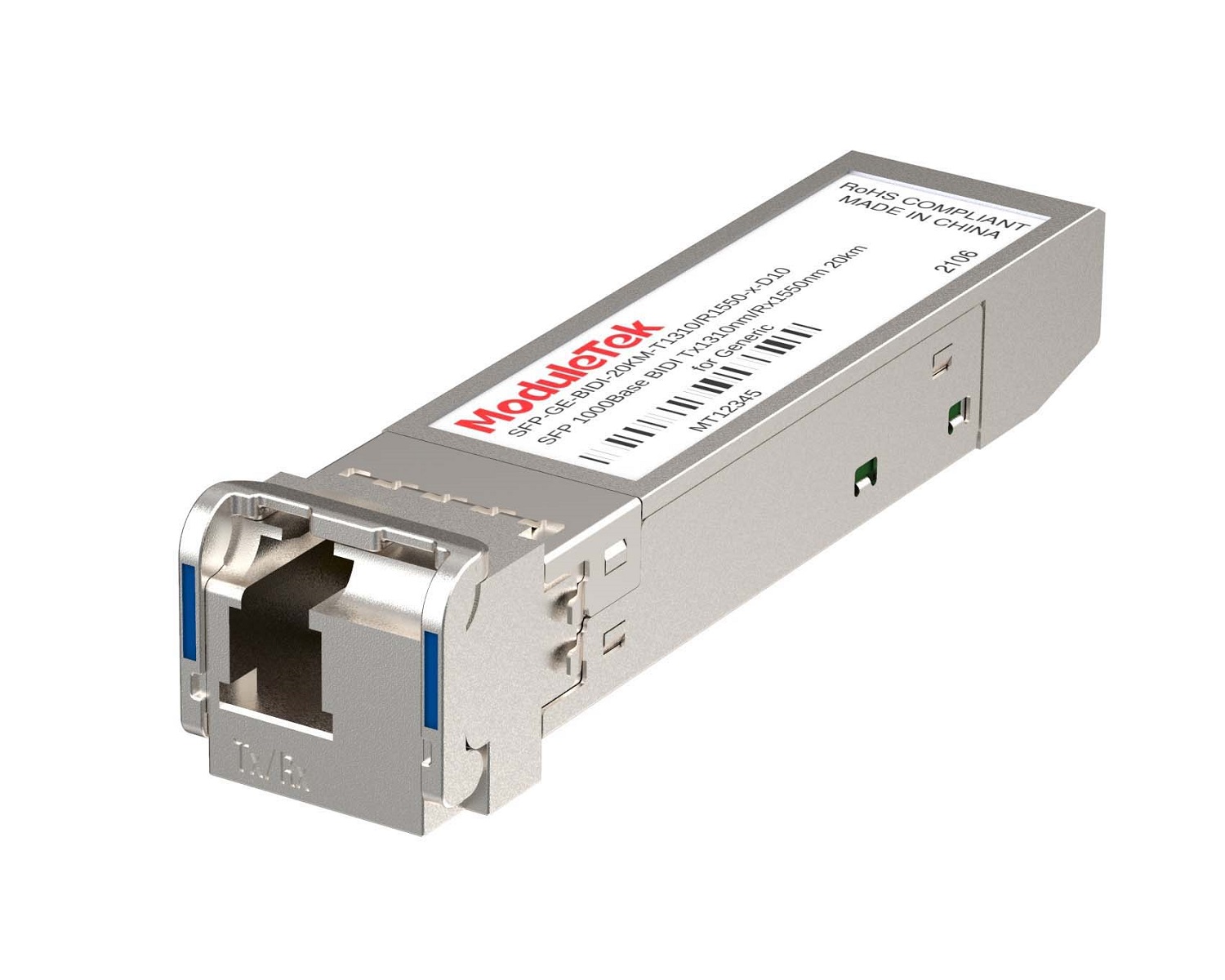 1G BIDI Optical Transceivers
 Dual-Rate Optical Transceivers
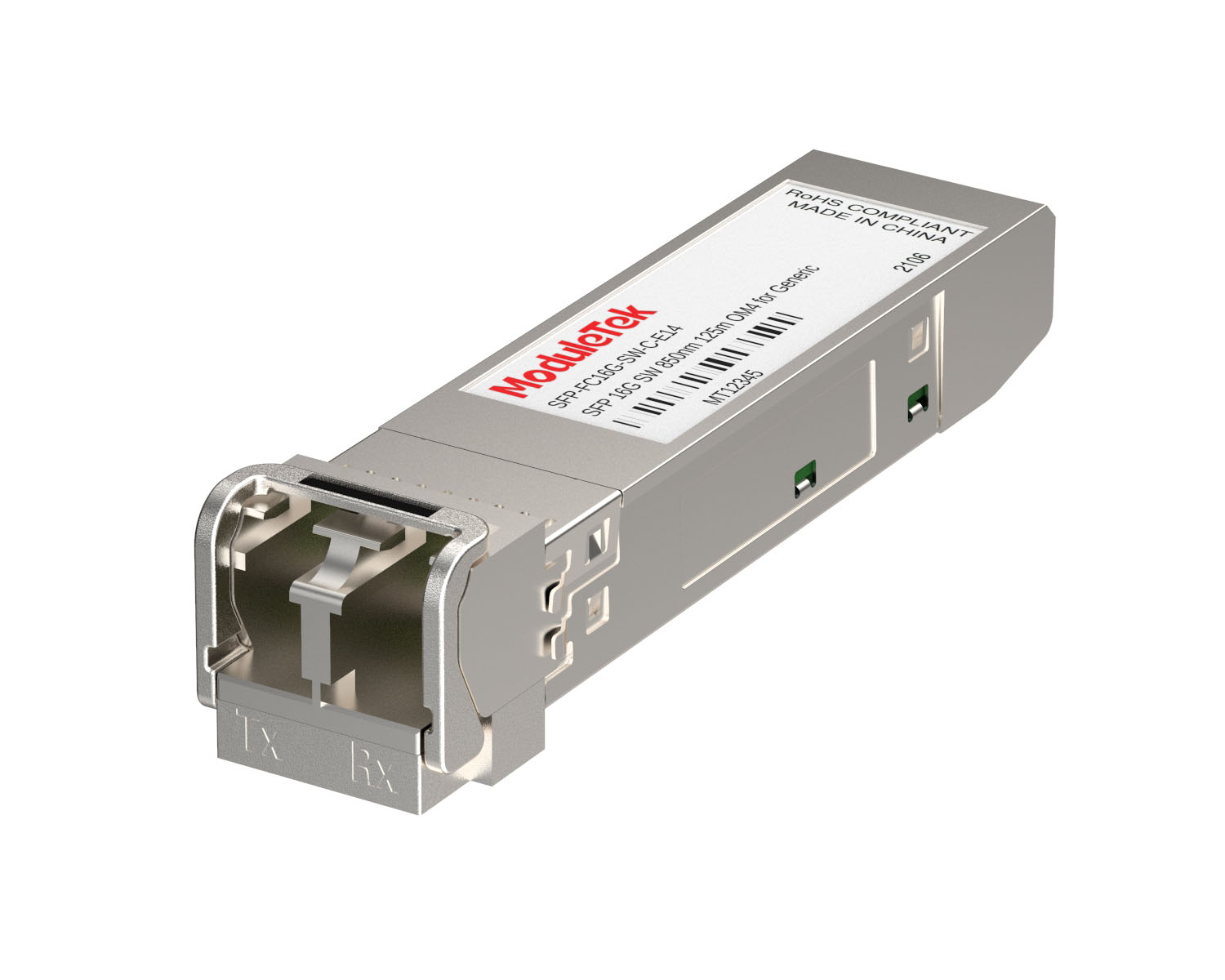 FC 16G/32G Optical Transceivers
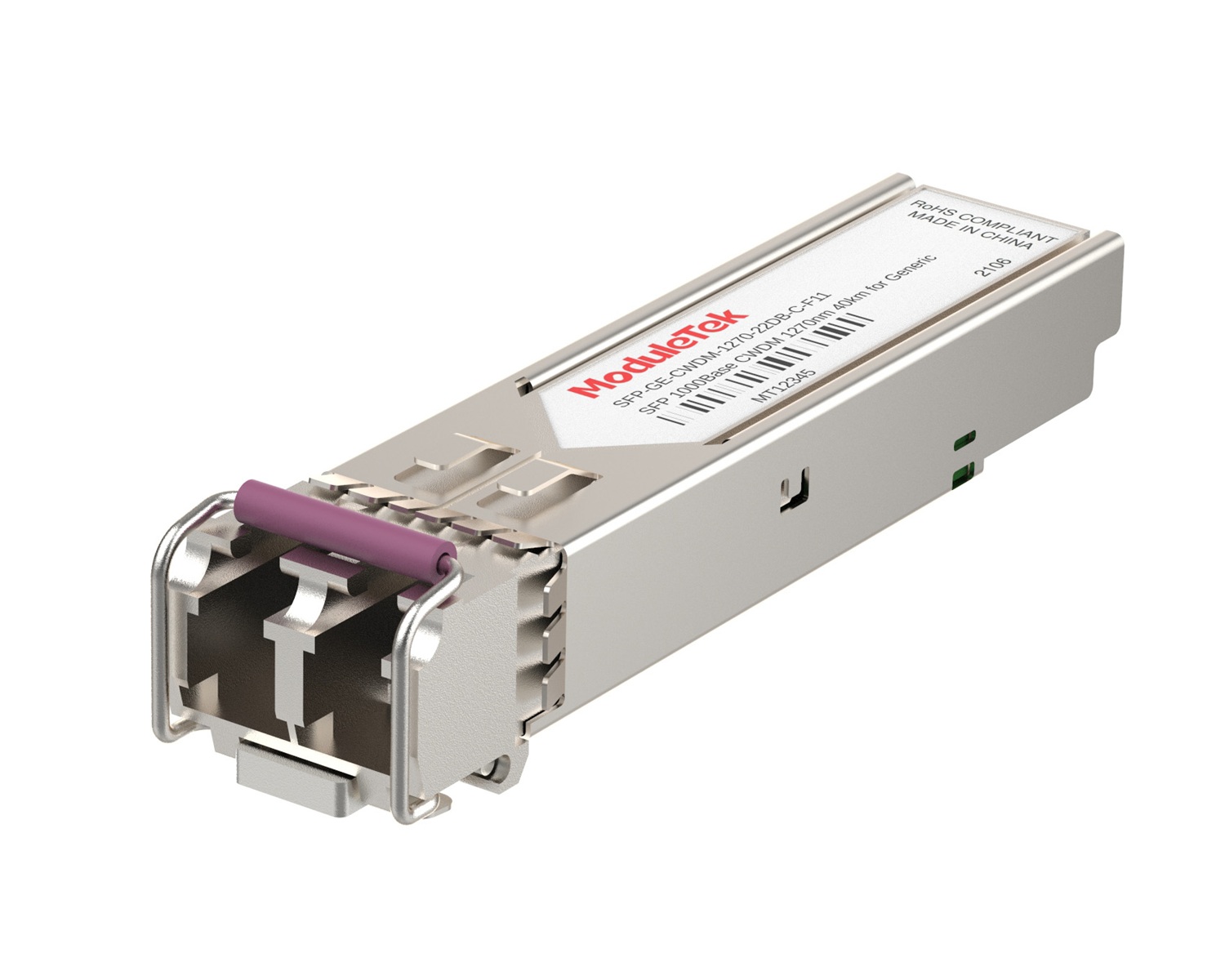 CWDM Optical Transceivers
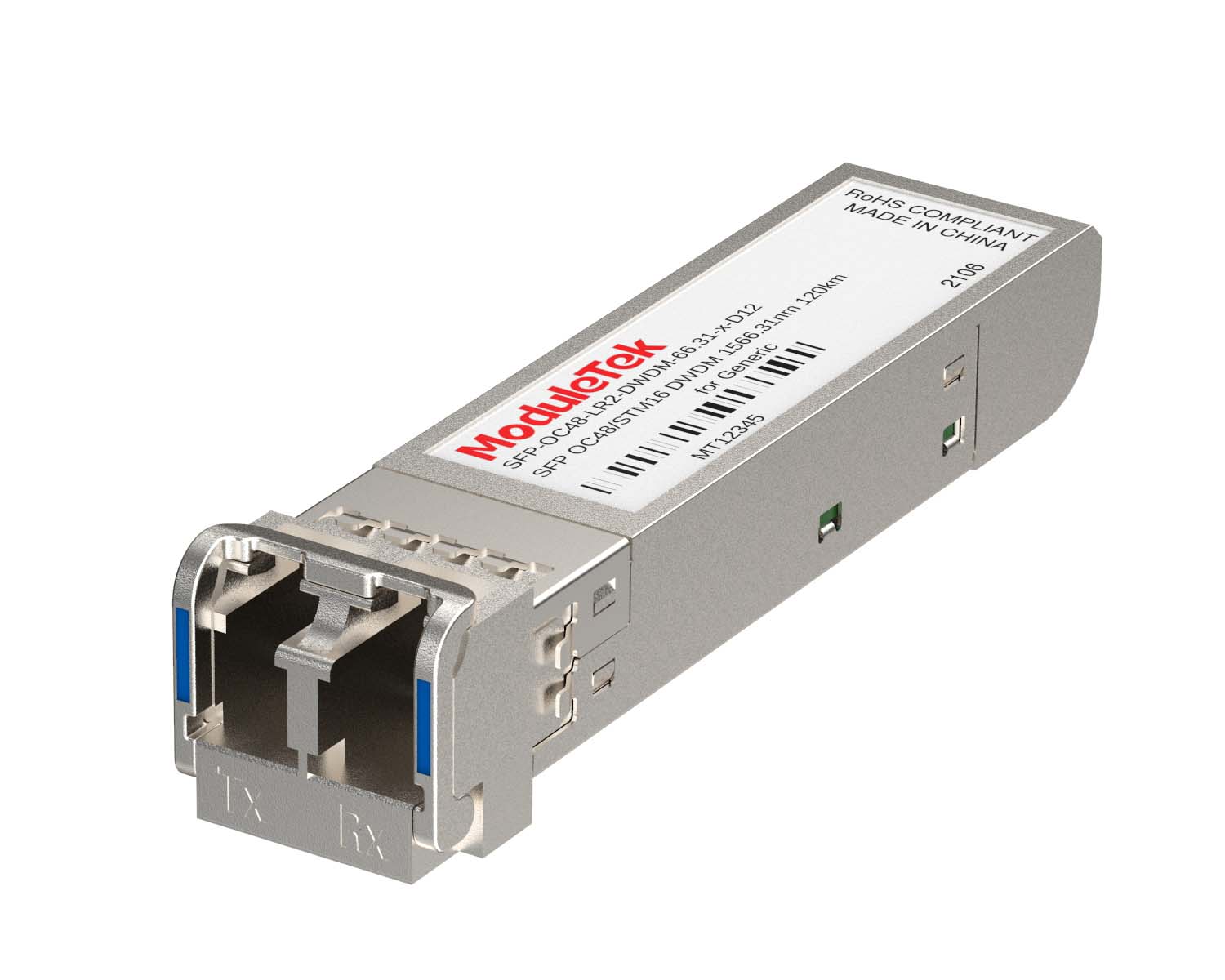 DWDM Optical Transceivers
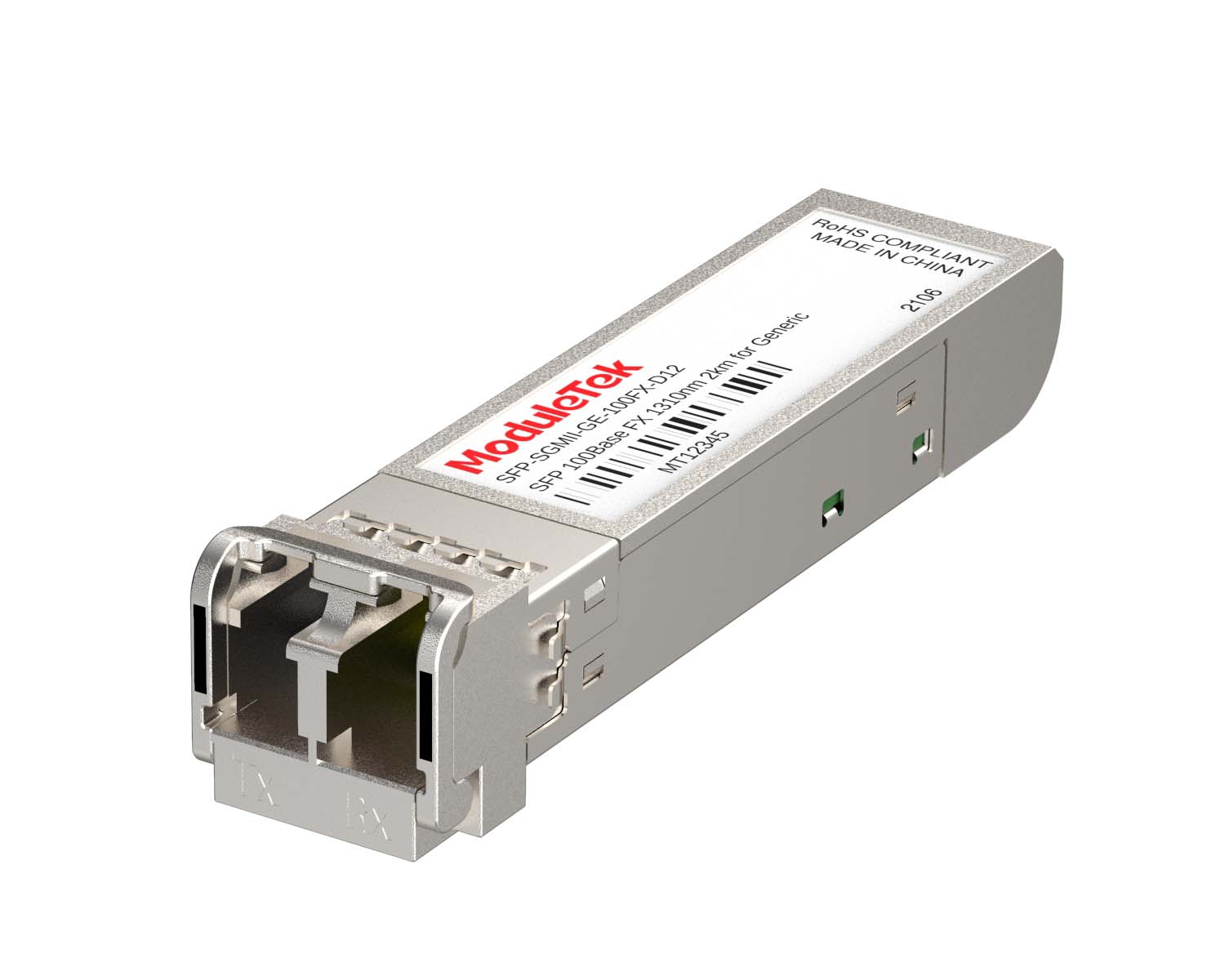 SGMII Port Optical Transceivers
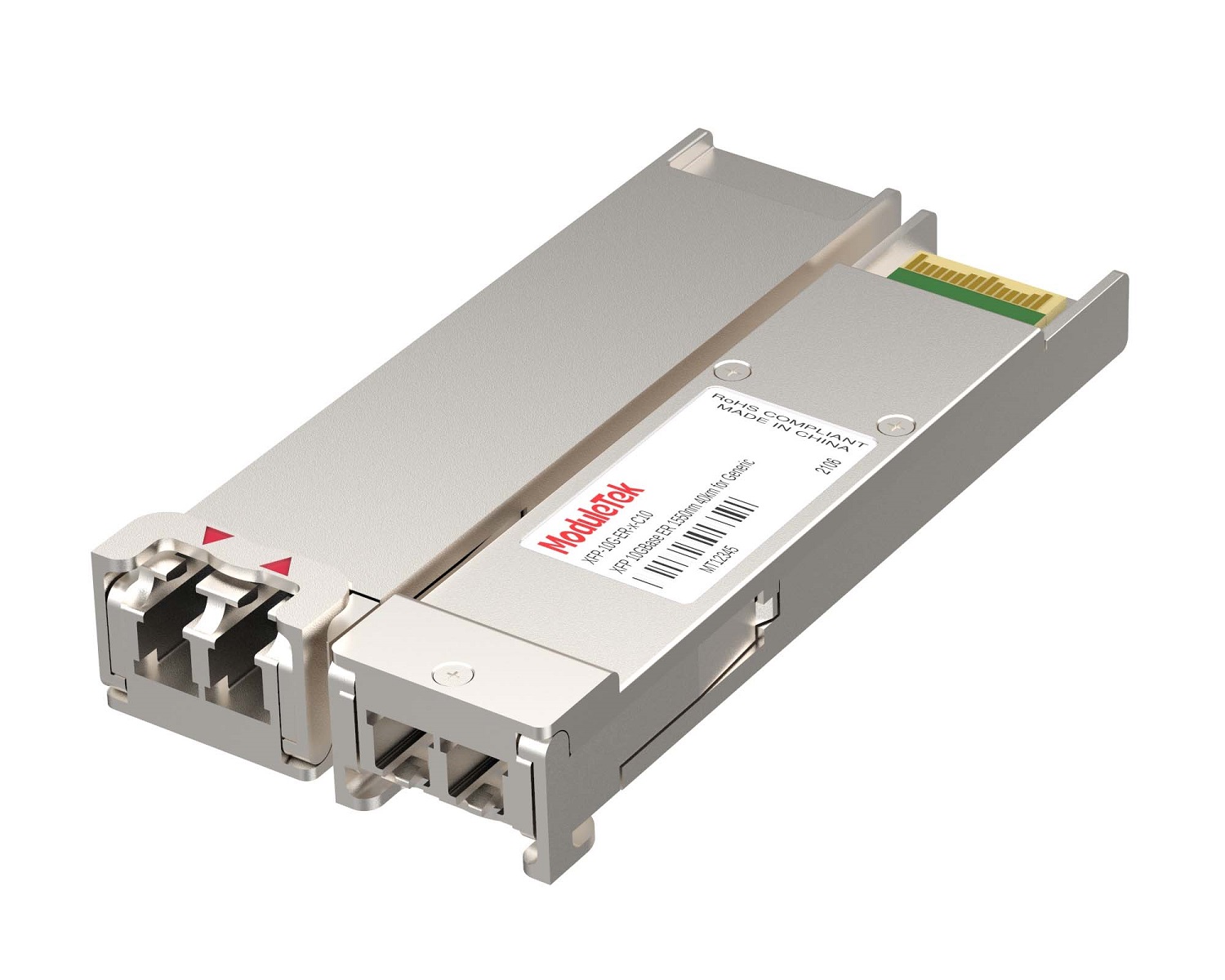 XFP Optical Transceivers
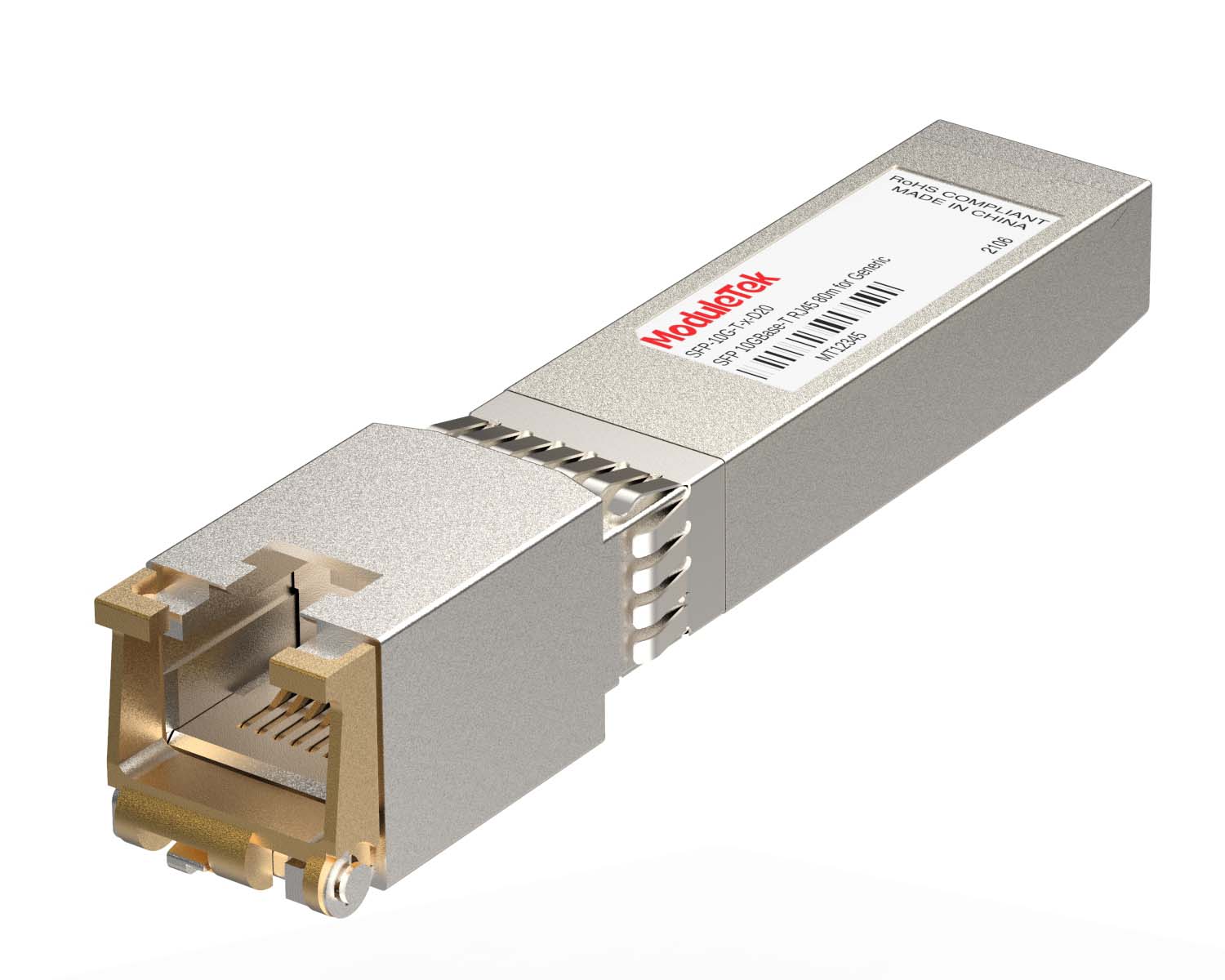 100M/1G/10G Coppers
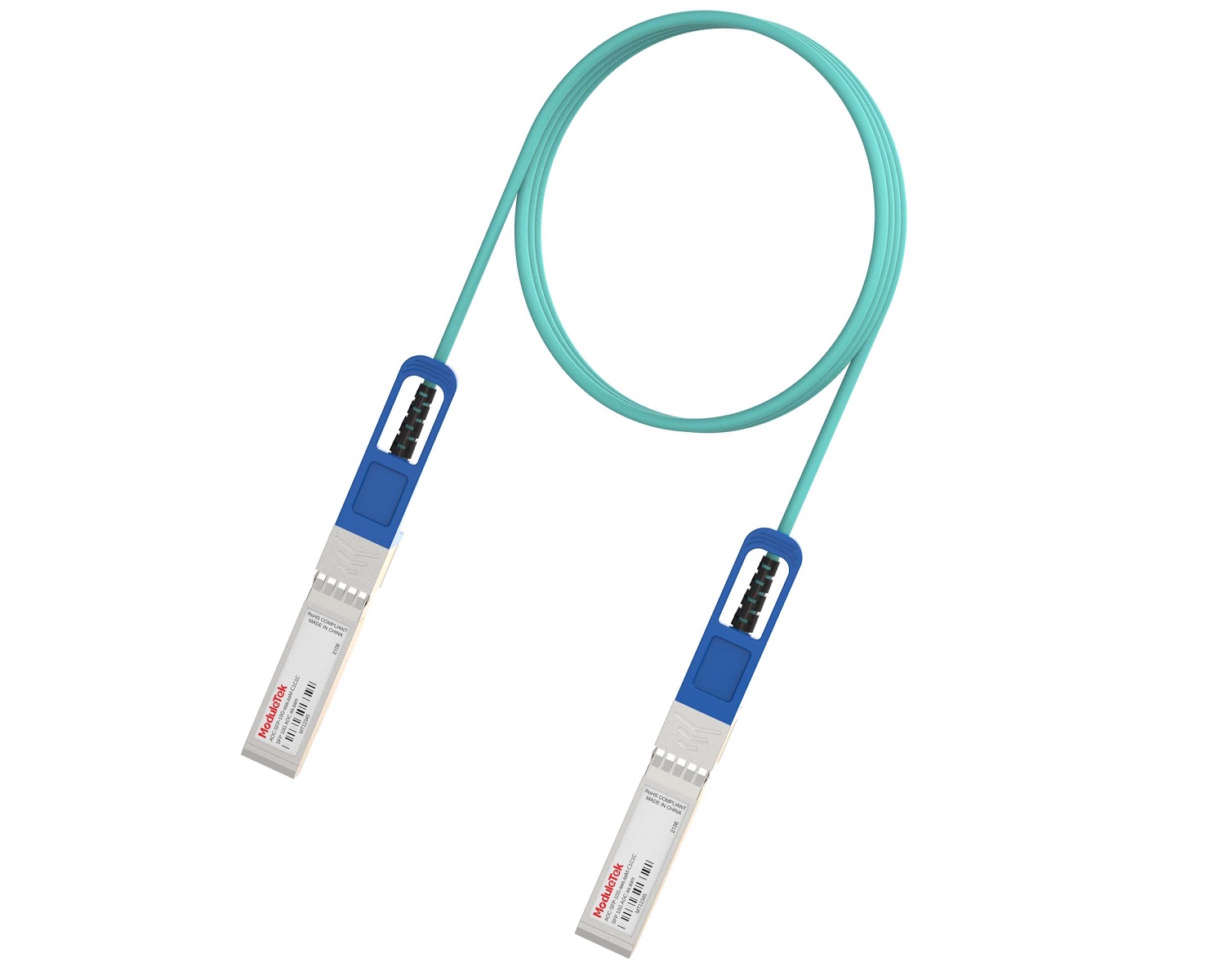 Full-Rate AOC & Breakout Series
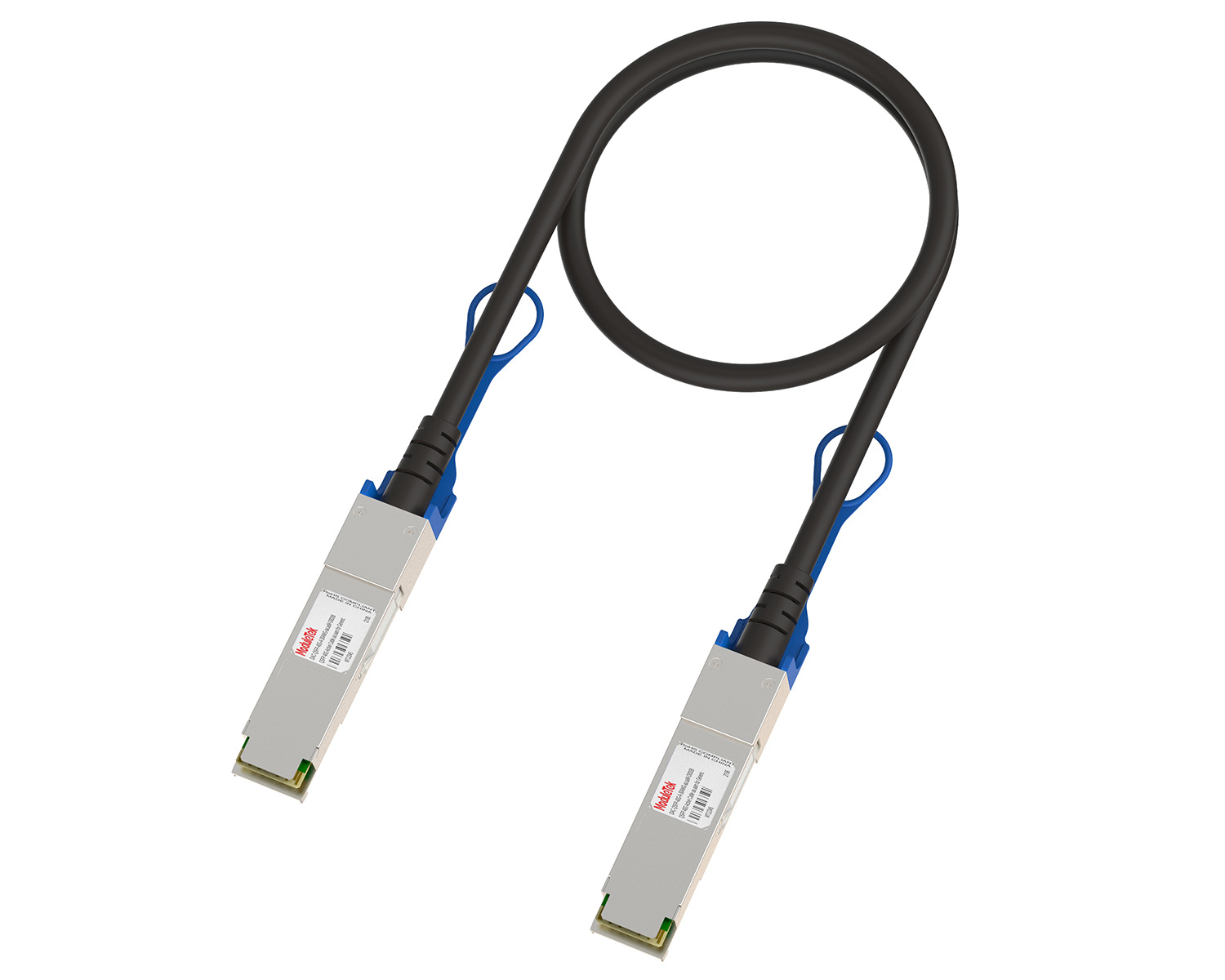 10G/40G Active DAC Series
 Full-Rate Passive DAC Series
 40G/100G Passive Breakout DAC Series
 Regular/MTP-MPO Fiber Patch Cords
 MT2011
 MT2010
 CodingBox
 QSFP to SFP Adapter
Introduction To DML And EML Modulation Methods For Optical Modules
Time: 2024-03-13
• Background
When discussing optical transceiver parameters, modulation schemes are a key consideration, and the transmitter modulation method is specified in the datasheet of some optical modules, as shown in the figures below:
• The transmitter laser modulation mode is marked as EML in the Moduletek 25G ER optical transceiver datasheet
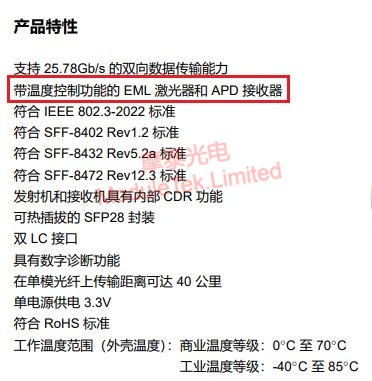
Figure 1 Moduletek 25G ER Optical Transceiver Datasheet (EML Marked)
• The transmitter laser modulation mode is marked as EML in the Moduletek 10G ZR optical transceiver datasheet
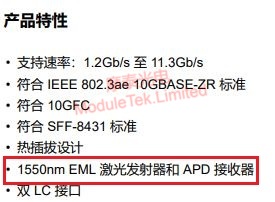
Figure 2 Moduletek 10G ZR Optical Transceiver Datasheet (EML Marked)
Optical transceivers primarily adopt two mainstream modulation technologies: DML and EML. This article provides a brief introduction to both.
Basic Principle of Optical Transceivers
The core function of an optical transceiver is to achieve optical-electrical conversion. Below is a simplified working principle diagram:
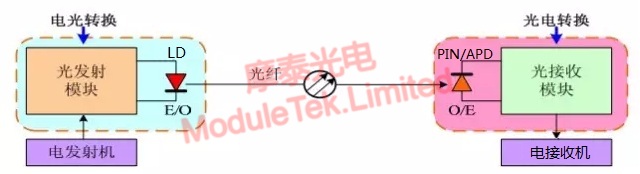
Figure 3 Working Principle Diagram of Optical Transceiver
The optical signal transmitted through optical fibers is not constant; instead, it is a modulated signal with varying intensity. The characteristics and application differences between DML and EML modulation technologies are explained below.
• DML Modulation
DML stands for Directly Modulated Laser.
Its basic principle is to directly control the current passing through the laser diode (LD) to generate optical signals of different intensities:
• When the modulation signal is at a high level: Modulation current flows through the LD, and the laser emits light normally.
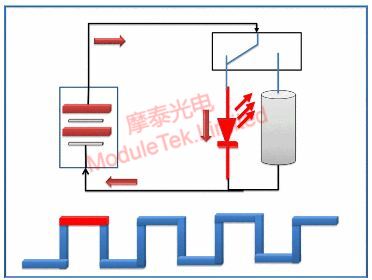
Figure 4 DML Modulation – High Level
• When the modulation signal is at a low level: No modulation current flows through the LD, and the laser stops emitting light.
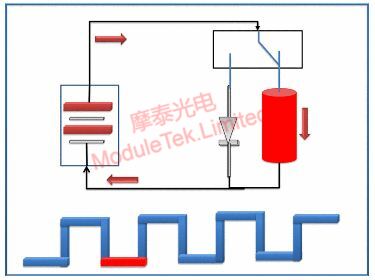
Figure 5 DML Modulation – Low Level
In direct modulation, the laser diode operates under fluctuating bias conditions, leading to various nonlinear effects that degrade the quality of the output optical signal.
• EML Modulation
EML stands for Externally Modulated Laser (corrected from "External Modulated Laser").
Its basic principle is to supply a constant current to the laser diode, ensuring the LD emits continuous, stable light. An external electro-absorption modulator (EAM) then adjusts light transmittance to generate optical signals of different intensities:
• When the modulation signal is at a high level: The electro-absorption modulator barely absorbs light from the LD, allowing most light to pass through.
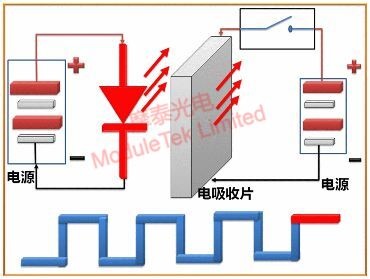
Figure 6 EML Modulation – High Level
• When the modulation signal is at a low level: The electro-absorption modulator absorbs most of the light, leaving only a small amount to pass through.
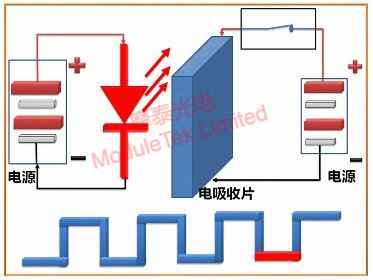
Figure 7 EML Modulation – Low Level
EML technology is commonly used in high-speed (typically above 10 Gbps) and long-haul (typically over 40 km) communication systems (unified "typically" to avoid redundancy).
• Summary
The key difference between DML and EML lies in the operating state of the laser diode:
• In DML, the laser diode operates in an unstable state with fluctuating light intensity.
• In EML, the laser diode maintains a stable, constant continuous light output.
Therefore, EML is more suitable than DML for high-speed and long-distance transmission applications.
Moduletek sincerely serves you.
For further inquiries about the above content, please contact us at: sales@moduletek.com