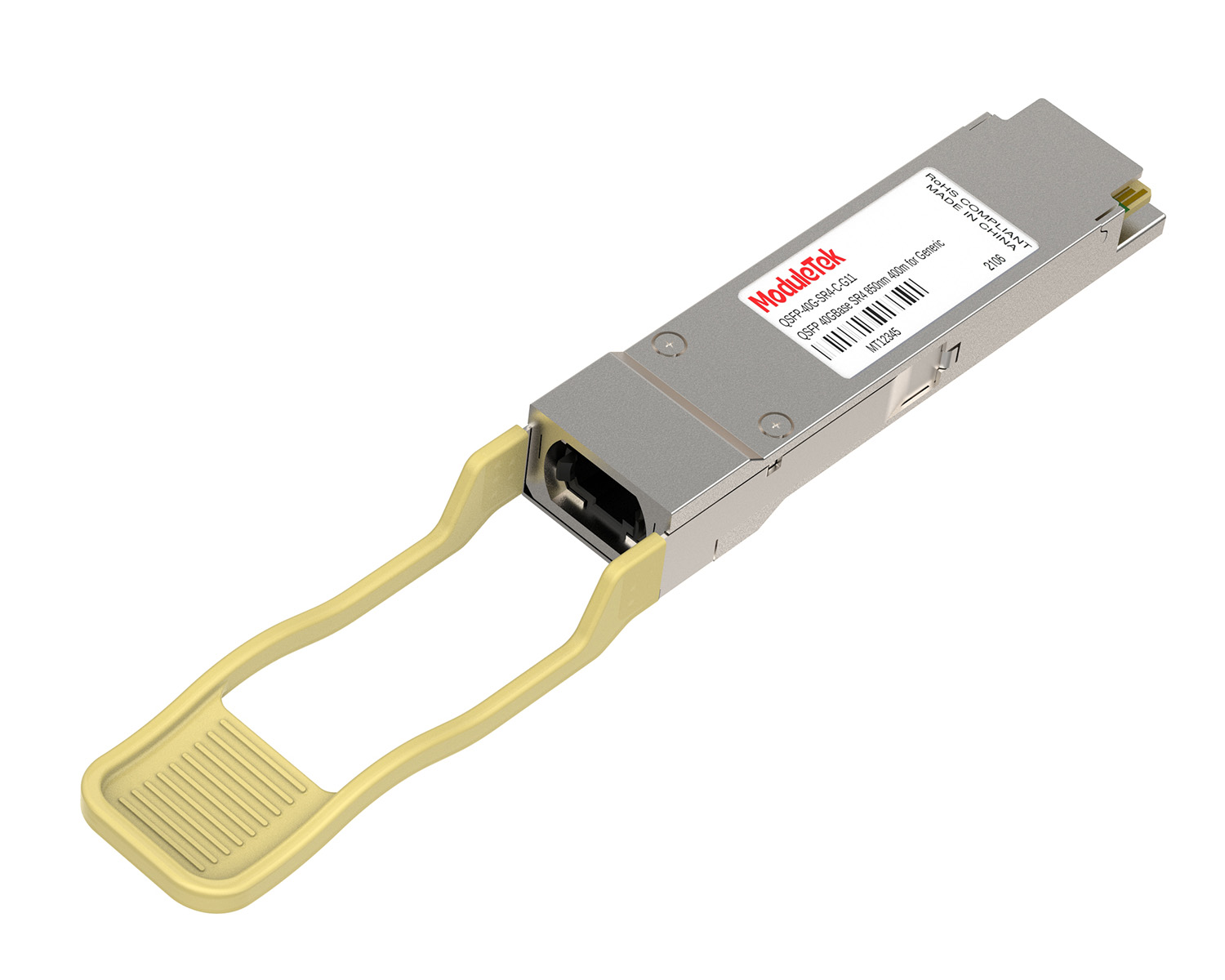
 40G/100G Optical Transceivers
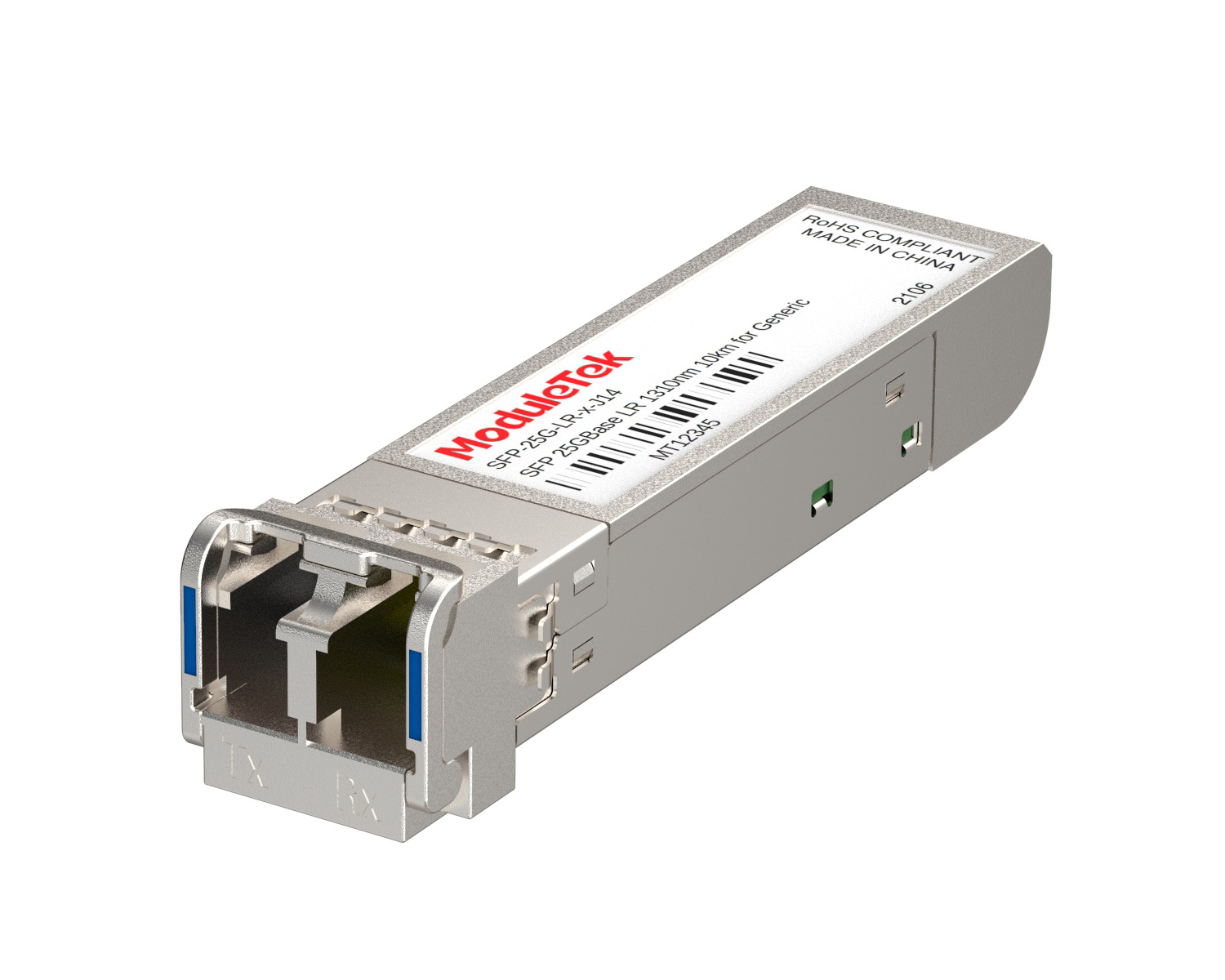 25G Optical Transceivers
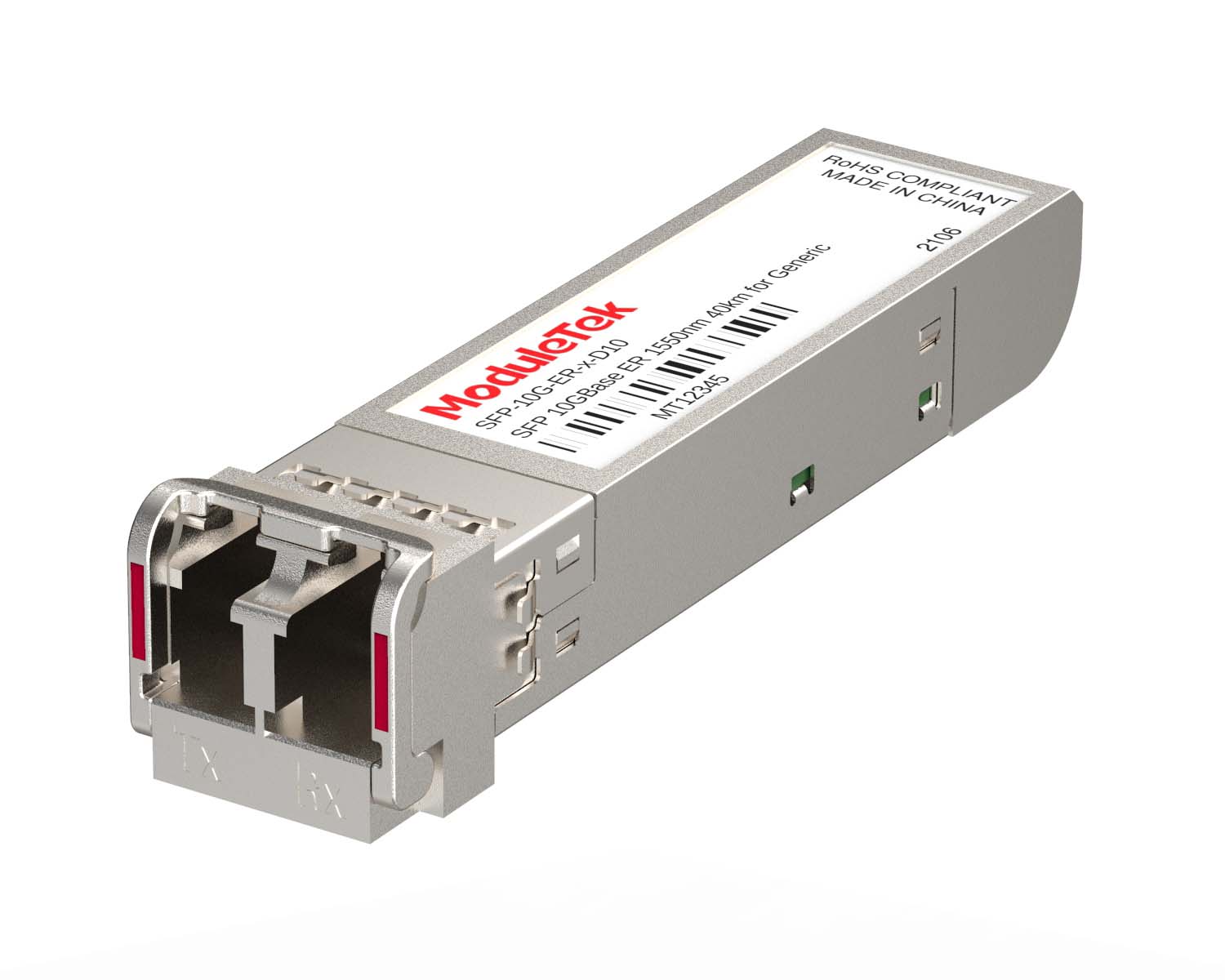 10G Optical Transceivers
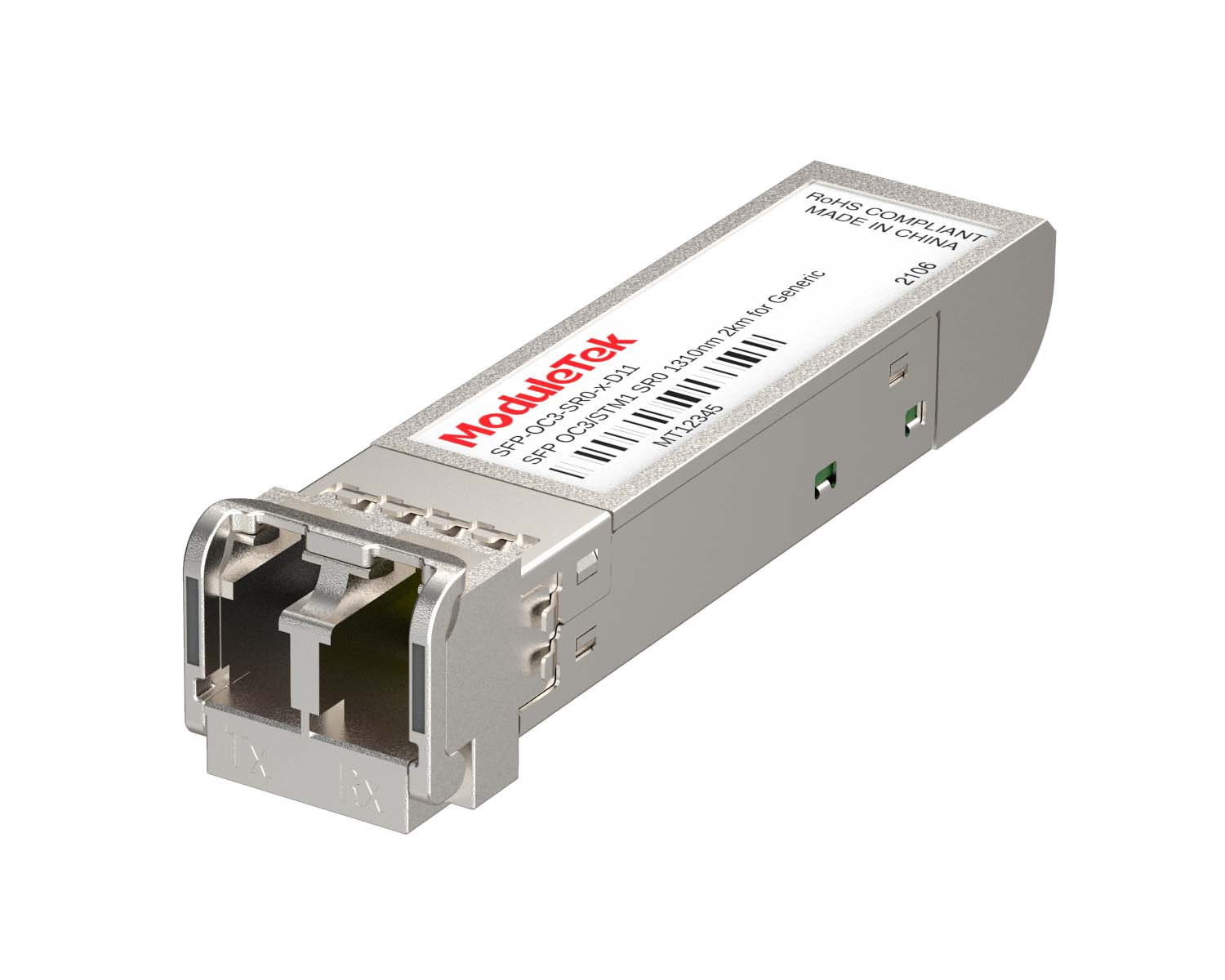 155M/2.5G Optical Transceivers
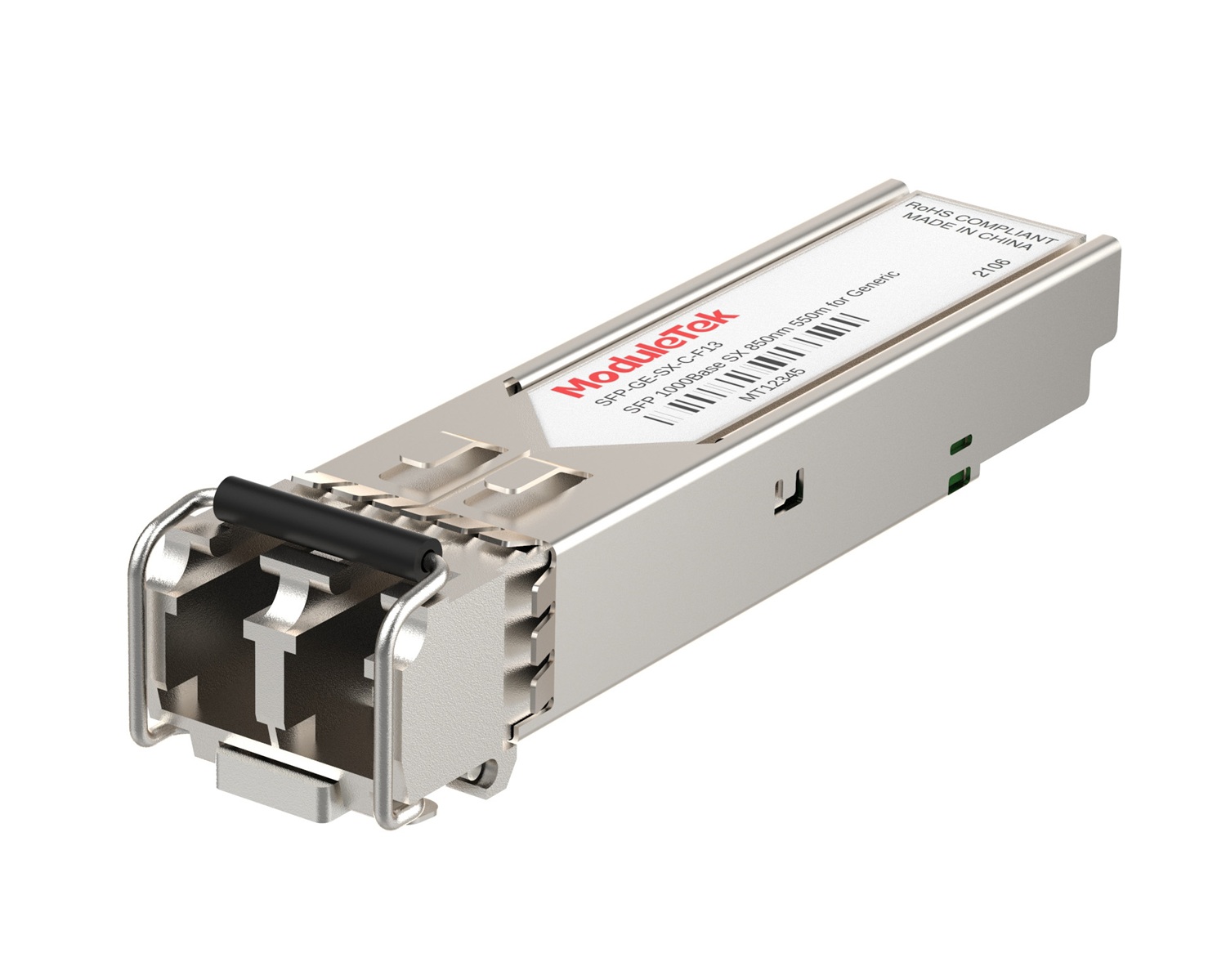 1G Optical Transceivers
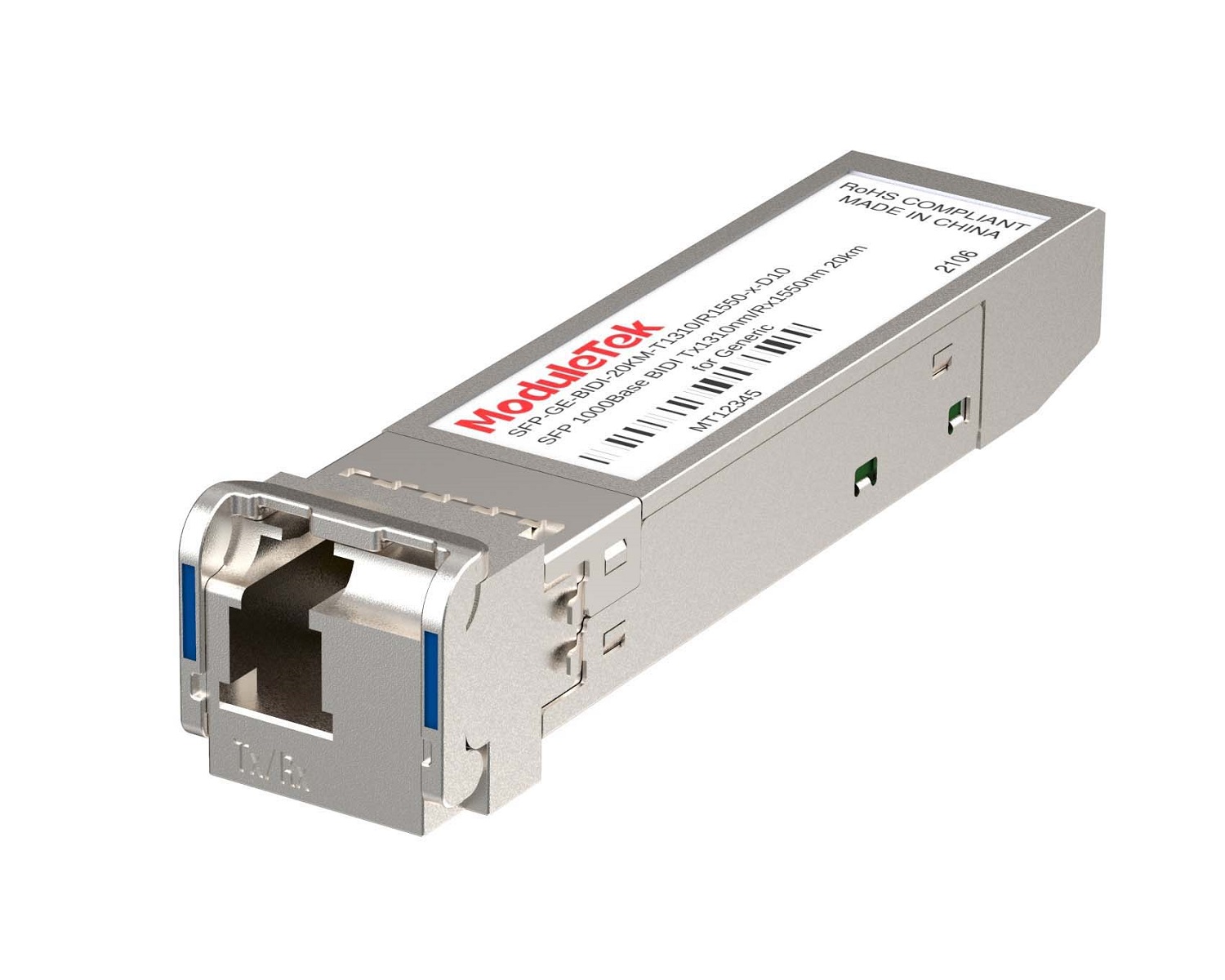 1G BIDI Optical Transceivers
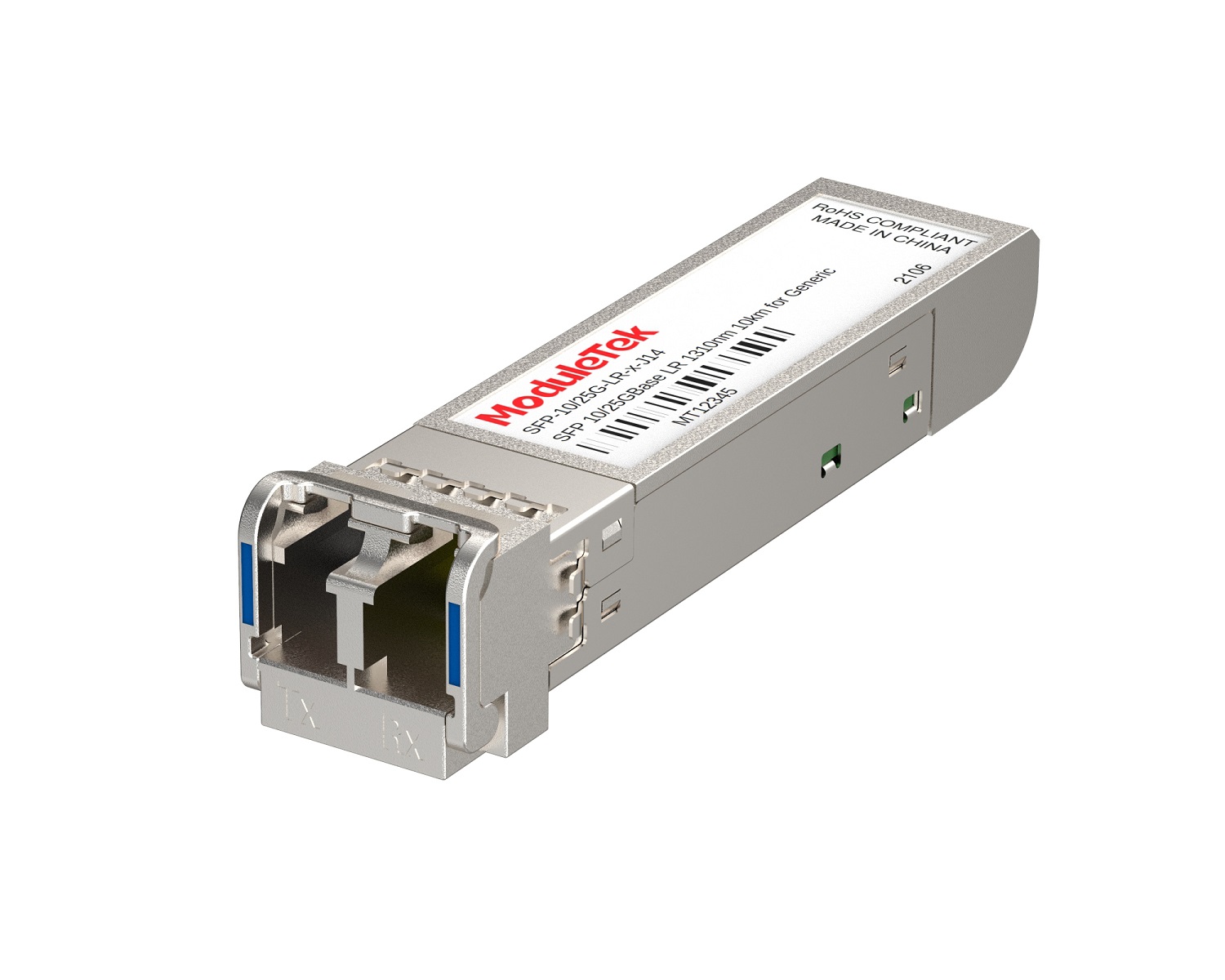 Dual-Rate Optical Transceivers
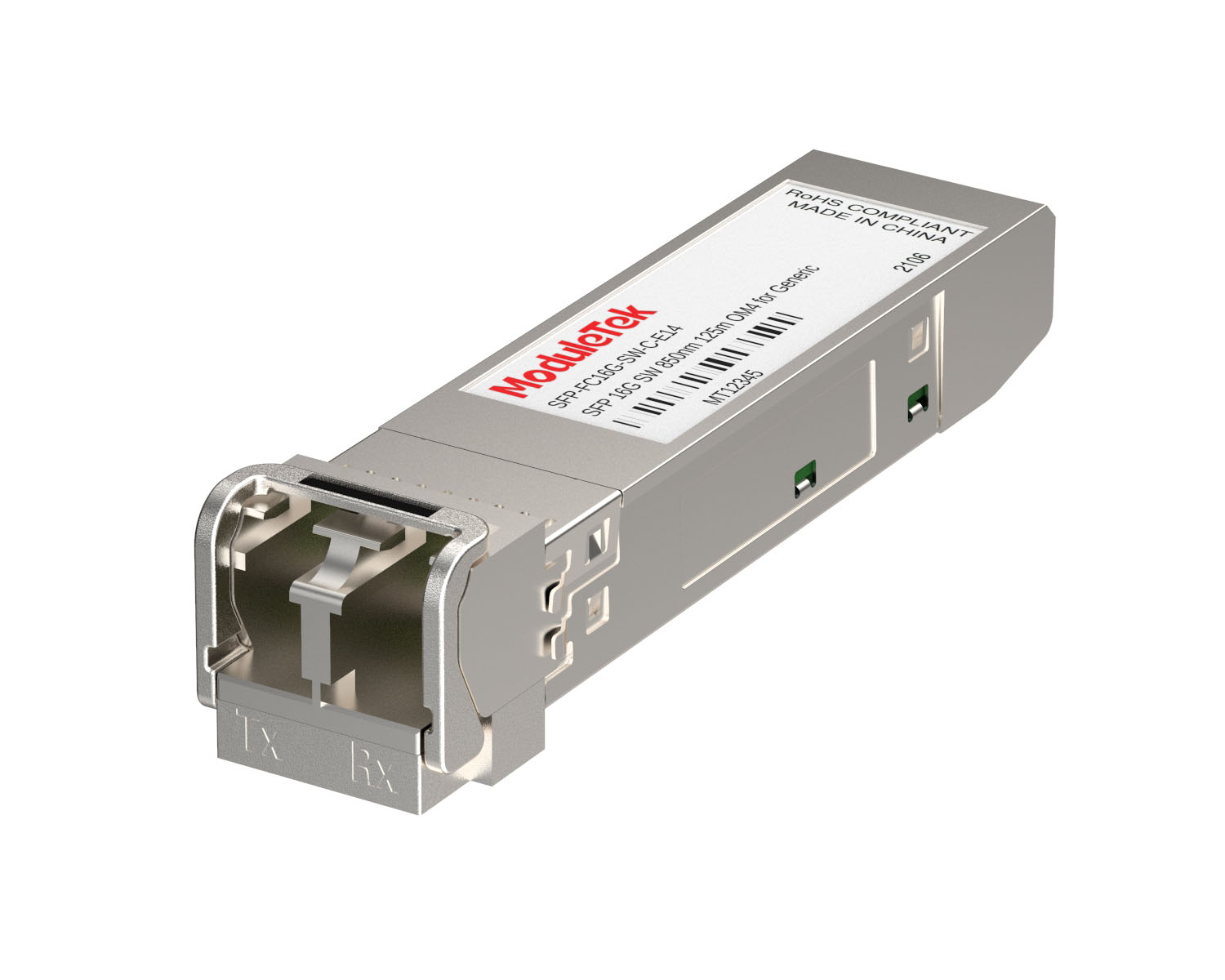 FC 16G/32G Optical Transceivers
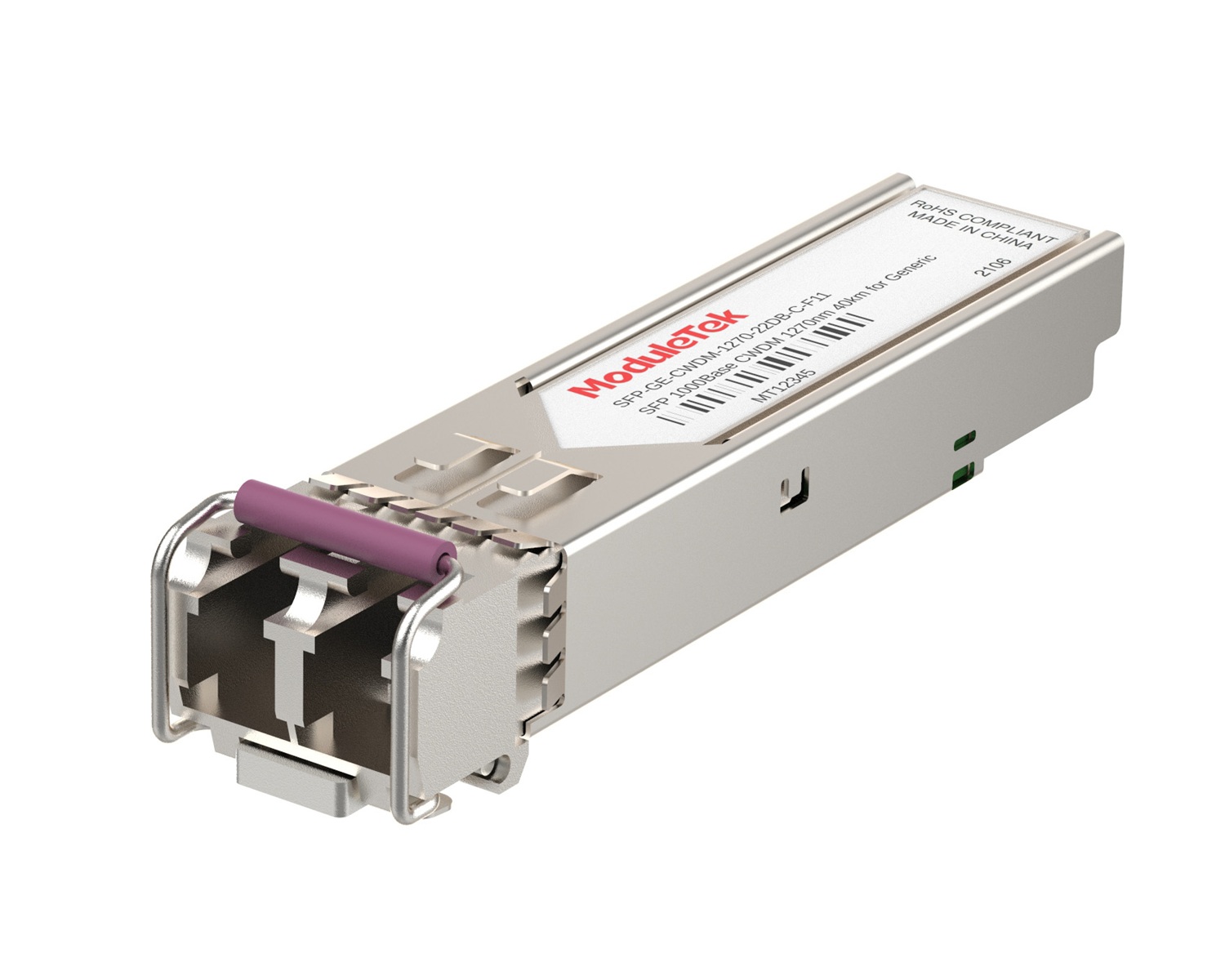 CWDM Optical Transceivers
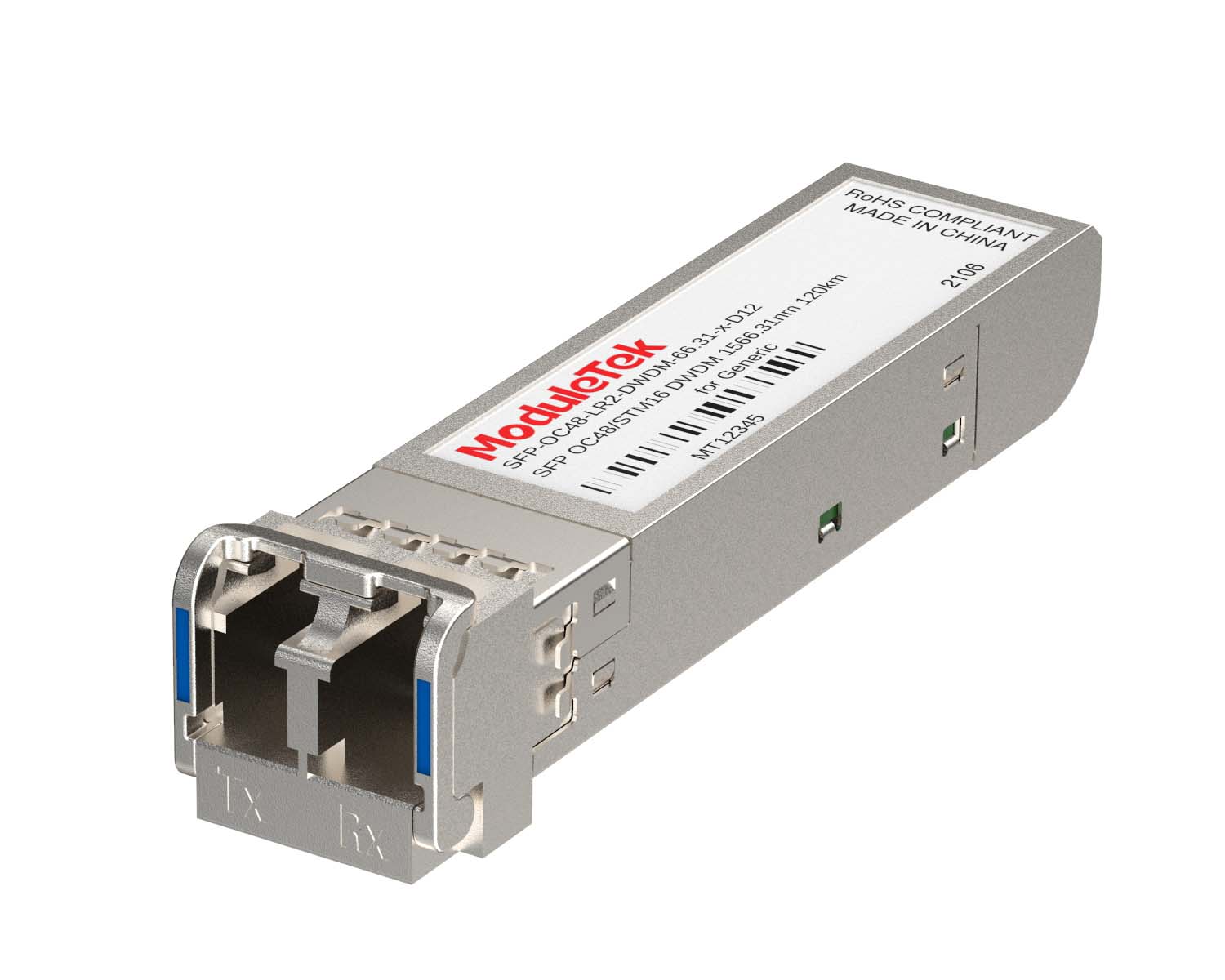 DWDM Optical Transceivers
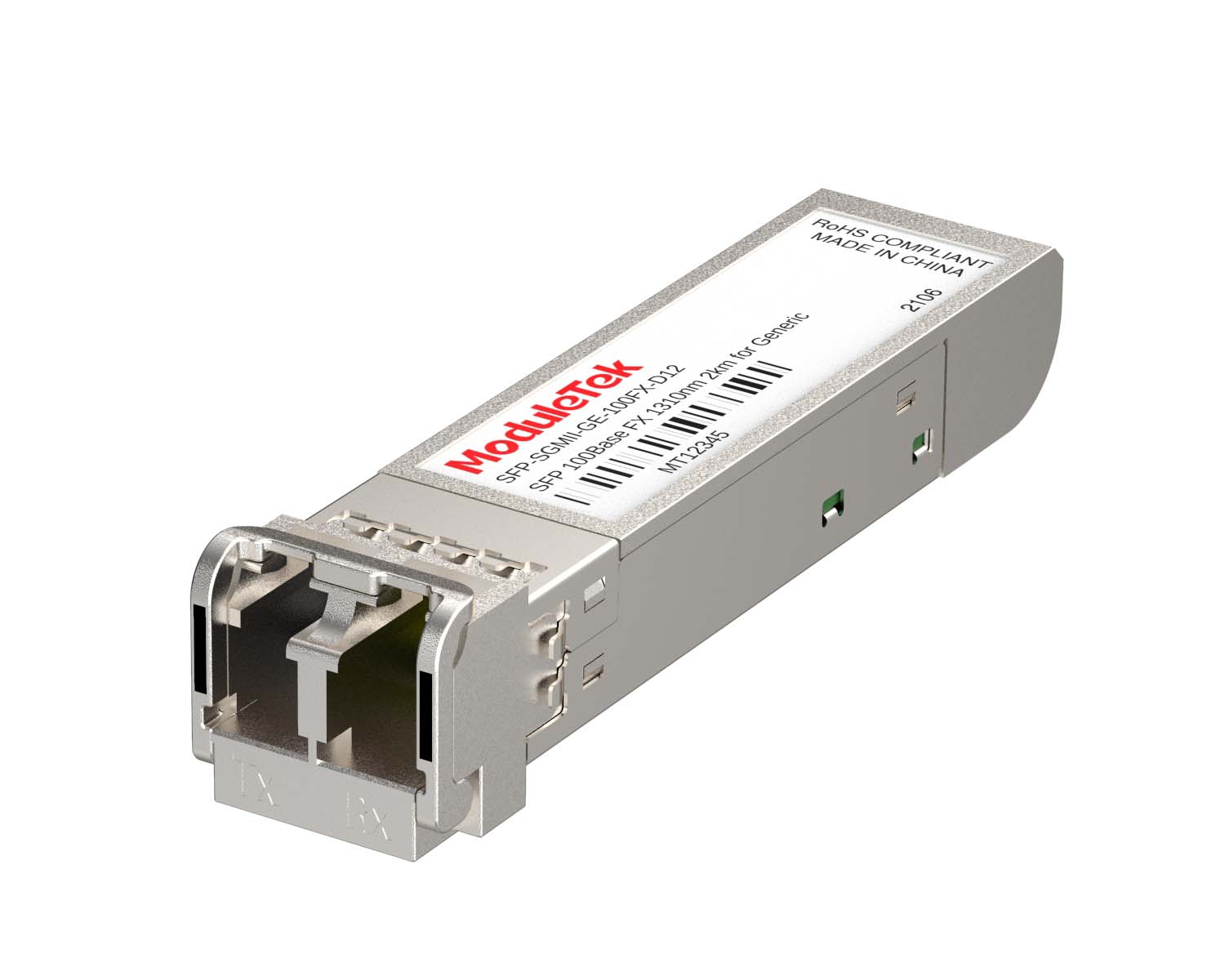 SGMII Port Optical Transceivers
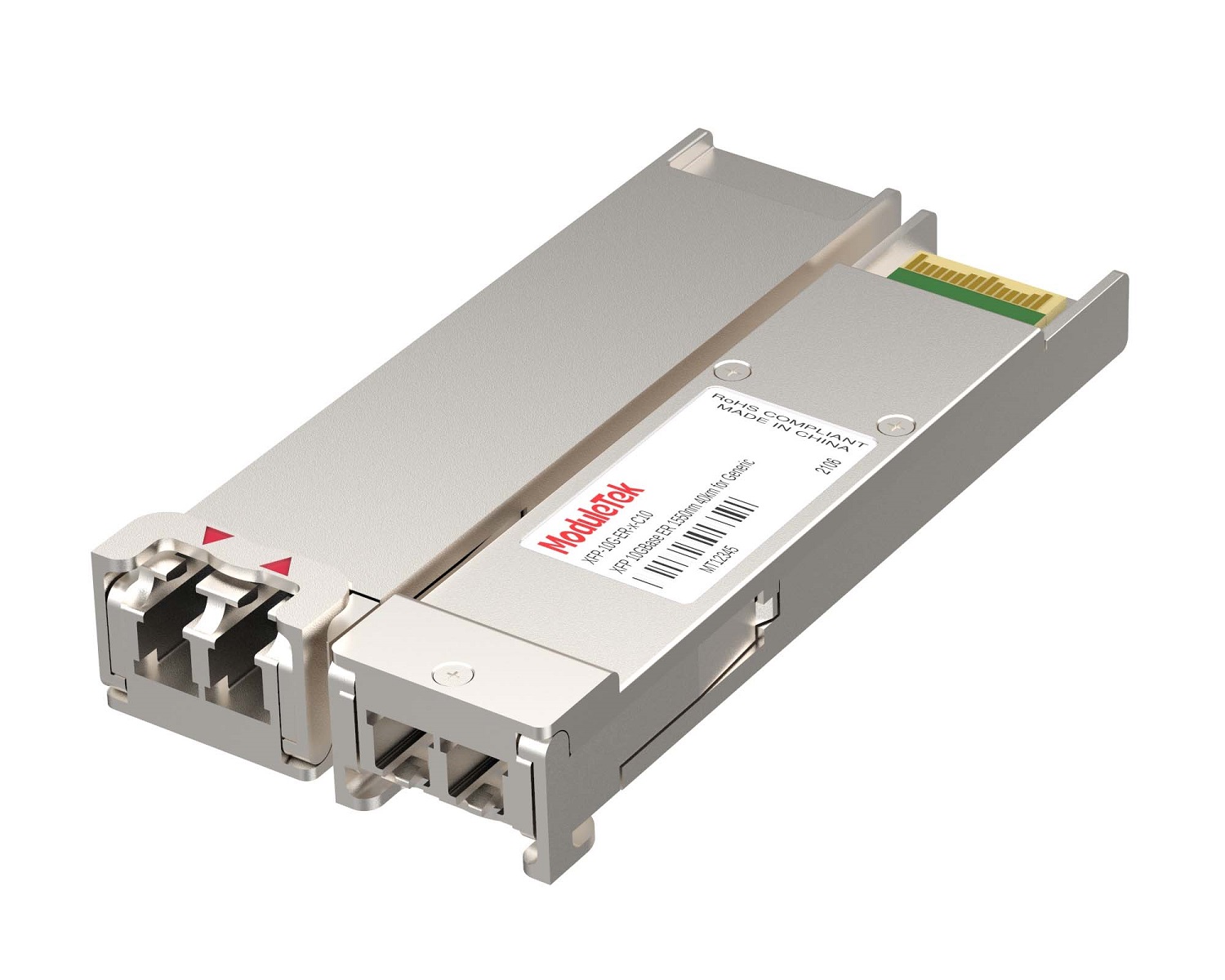 XFP Optical Transceivers
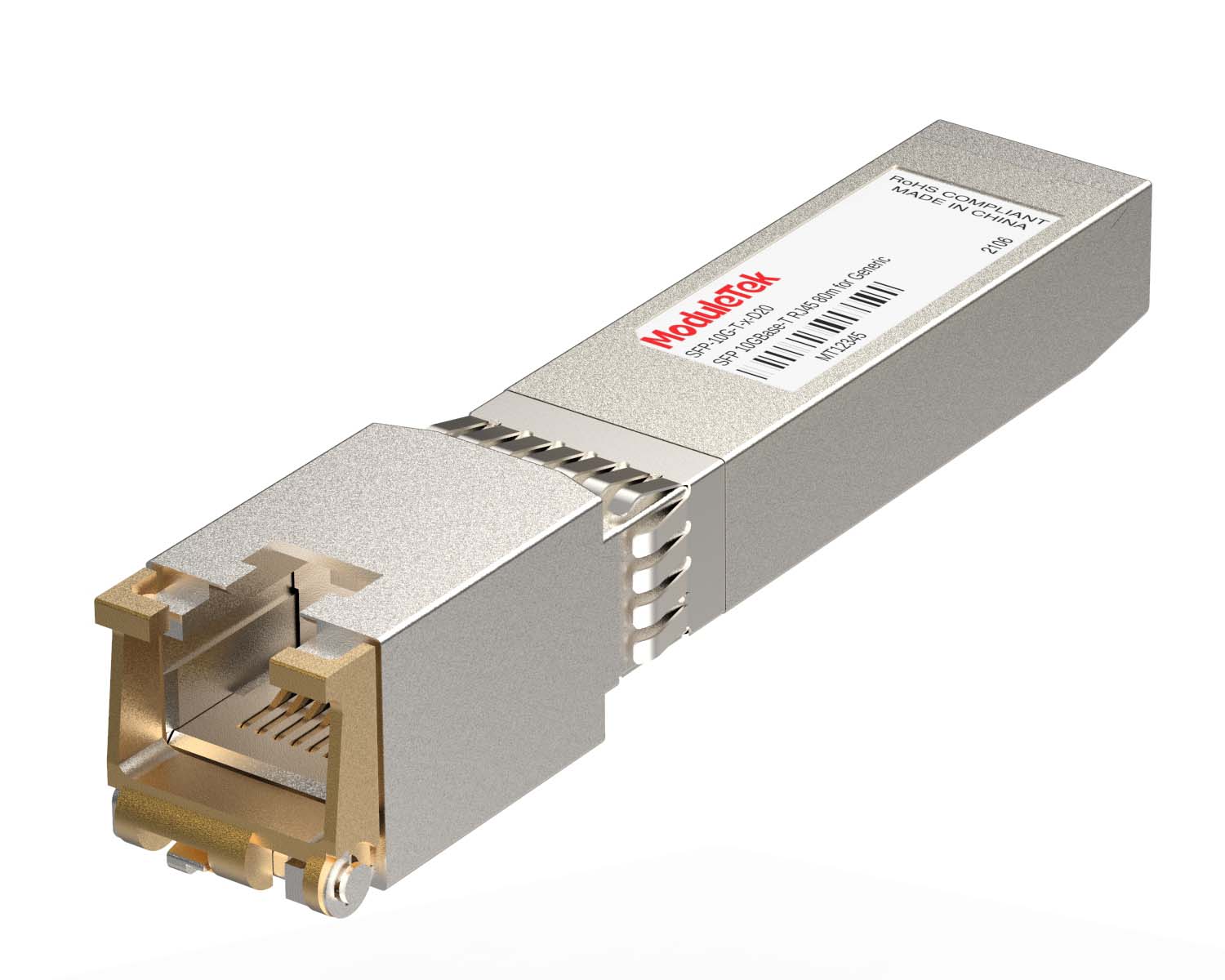 100M/1G/10G Coppers
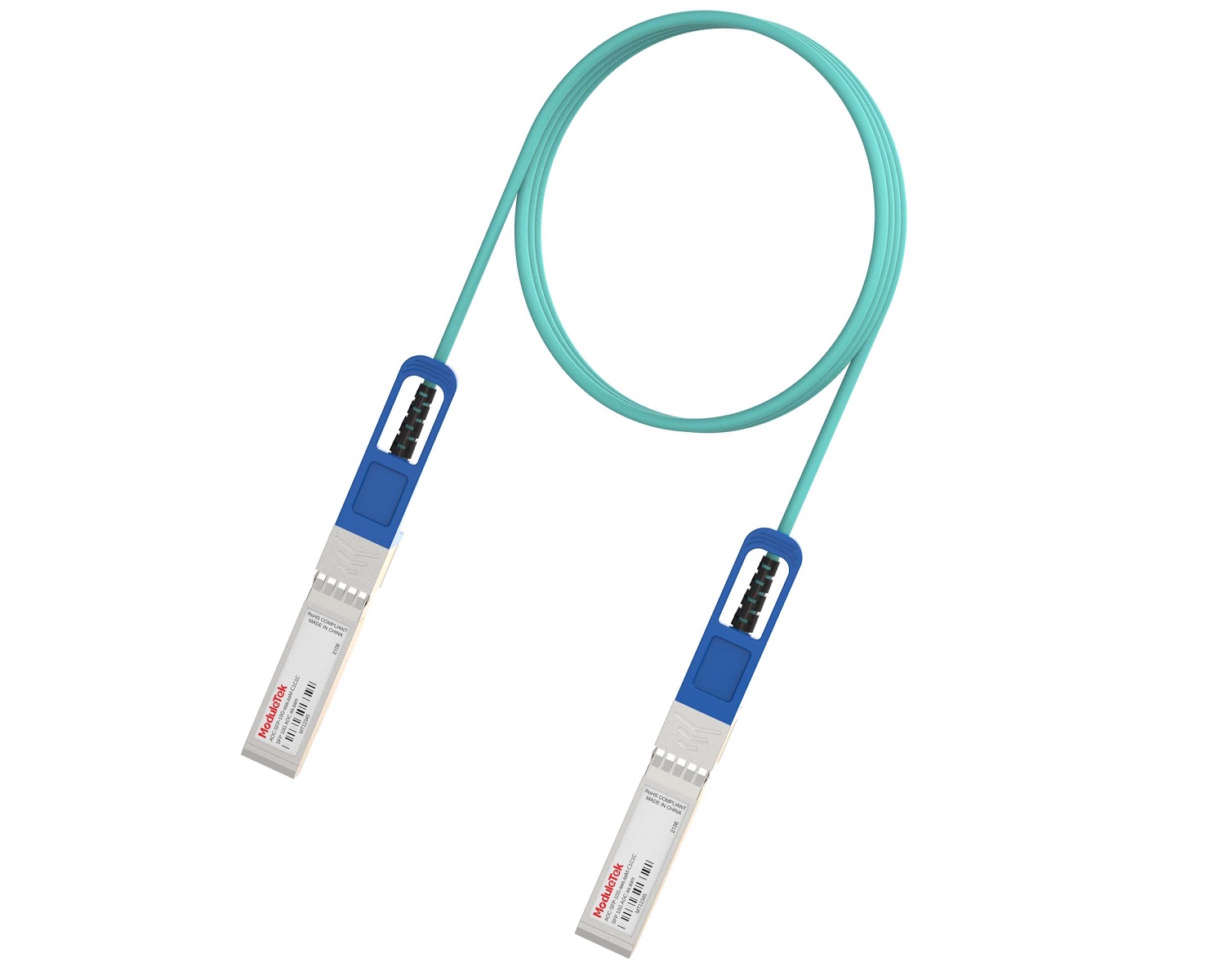 Full-Rate AOC & Breakout Series
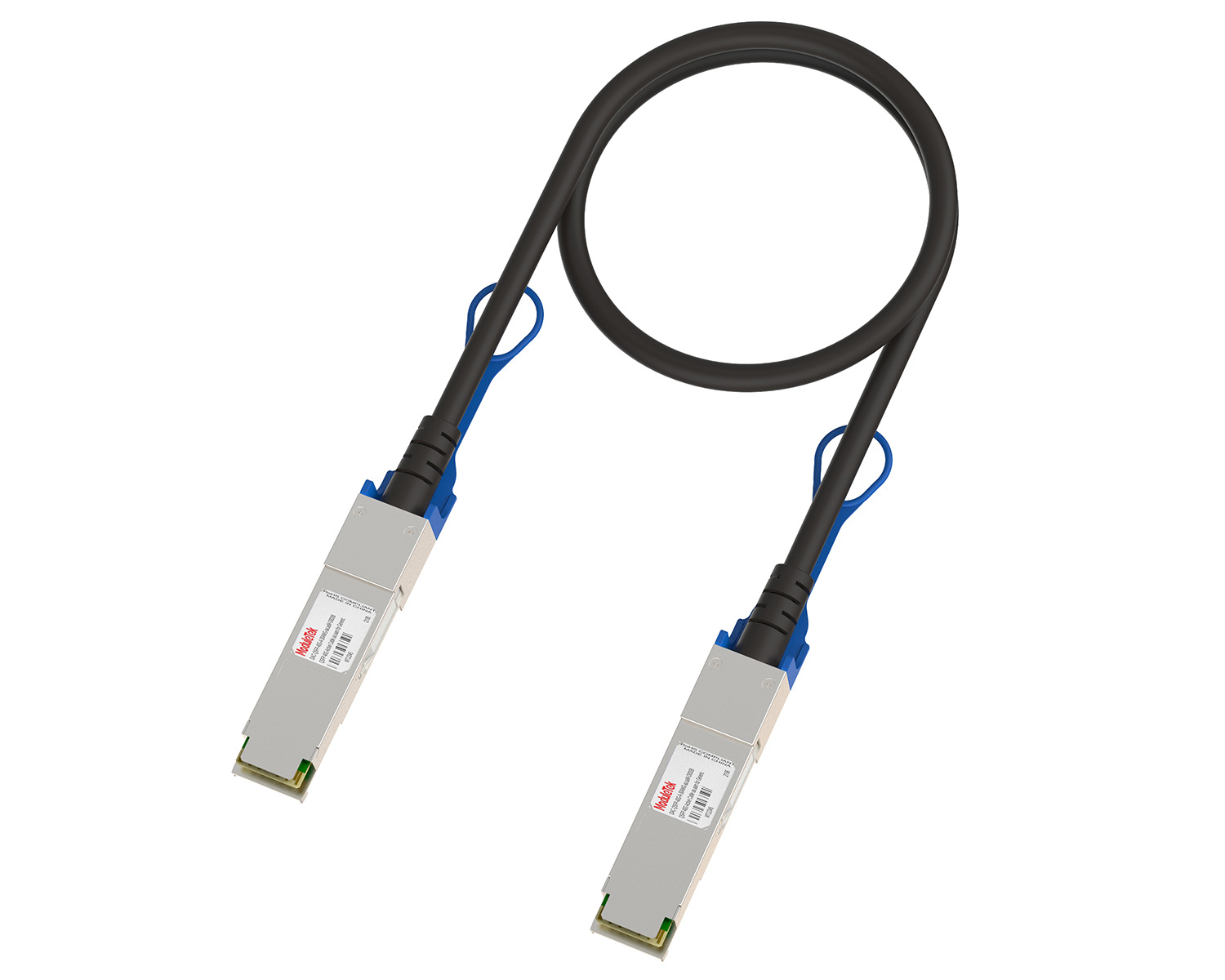 10G/40G Active DAC Series
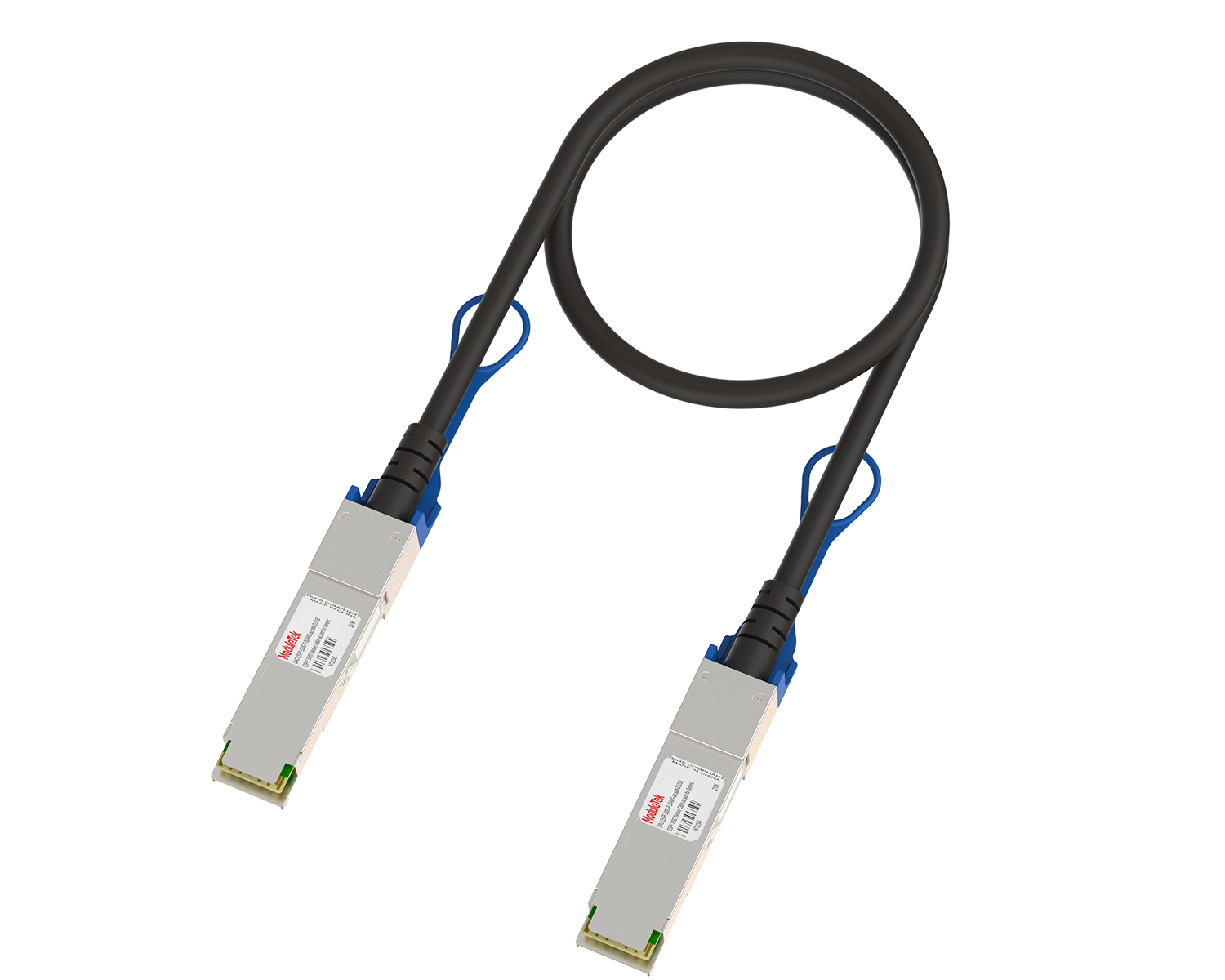 Full-Rate Passive DAC Series
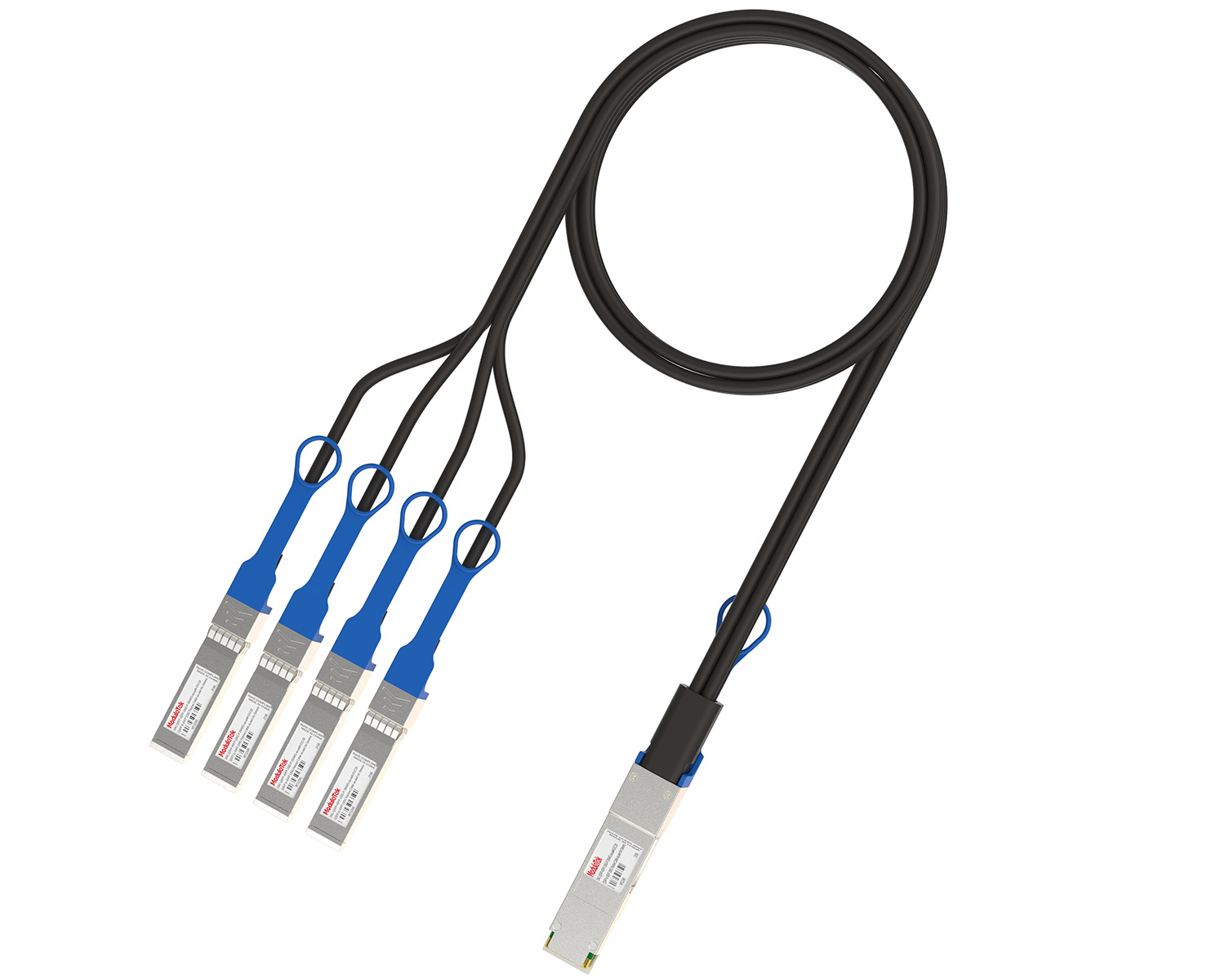 40G/100G Passive Breakout DAC Series
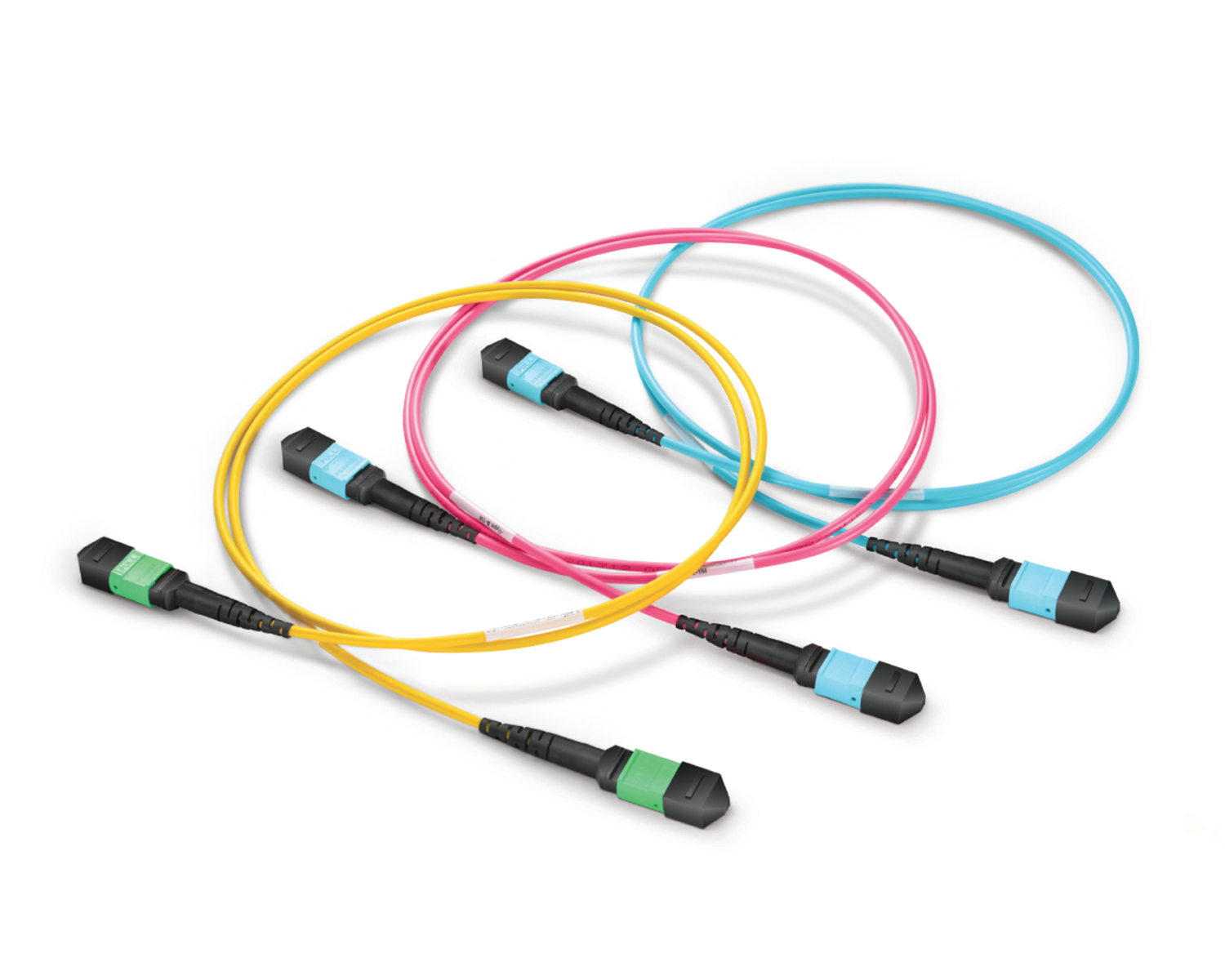 Regular/MTP-MPO Fiber Patch Cords
 MT2011
 MT2010
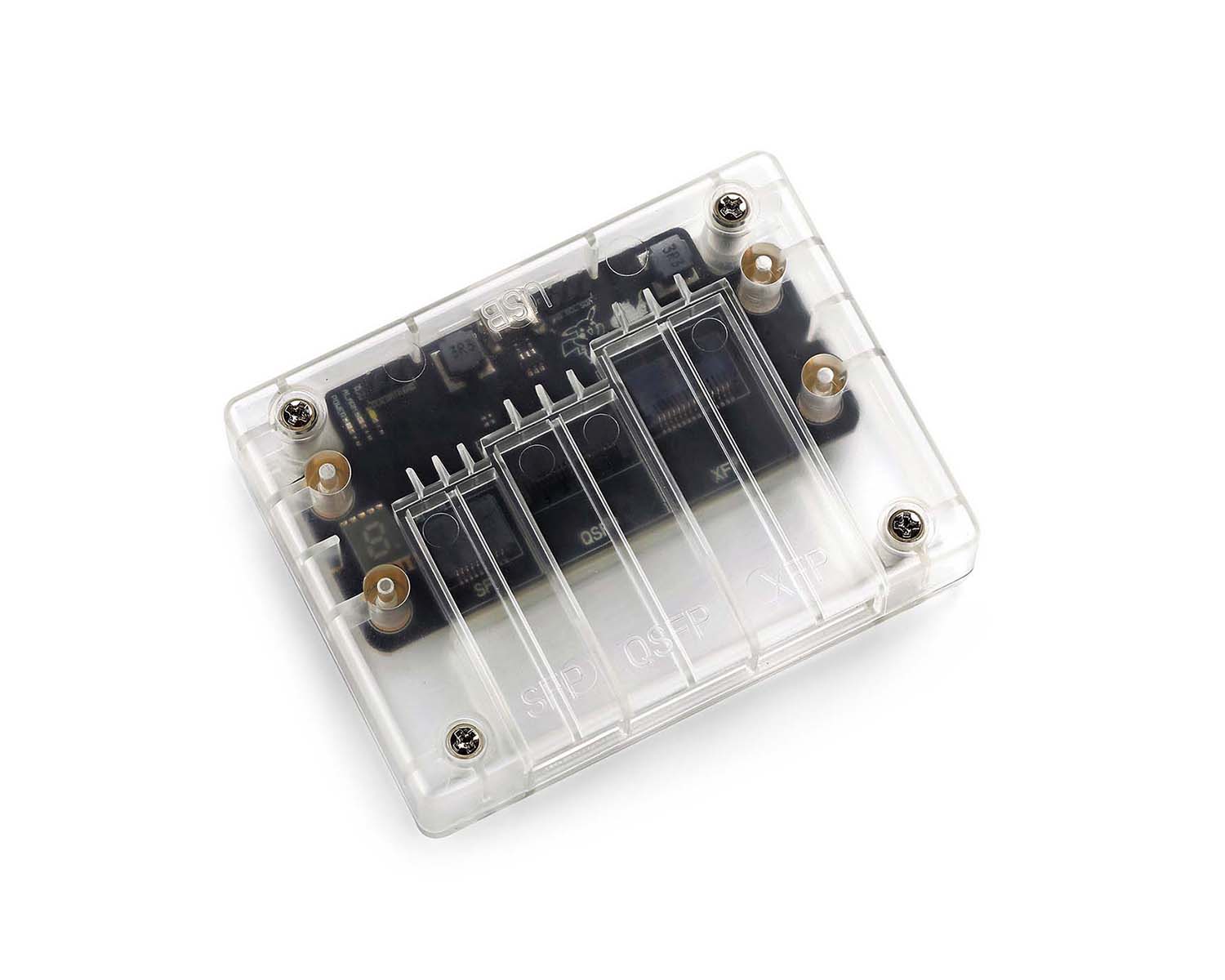 CodingBox
 QSFP to SFP Adapter
Huawei SFP-10G-CU3M High-Speed Copper Cable Sample Test Report
Time: 2024-03-19
High-speed copper cables, also known as Direct Attach Copper (DAC) cables, integrate connectors and copper cables into one unit for easy use. They can be directly connected to the optical ports of devices. The key difference between high-speed copper cables and AOC (Active Optical Cables) is that high-speed copper cables use copper cores for signal transmission, while AOC cables transmit signals through optical fibers.
Huawei offers the SFP-10G-CU3M high-speed copper cable, which supports short-distance 10G Ethernet applications. Moduletek Laboratory has tested this sample product to help you fully understand its performance indicators and actual on-switch application effect.
1. Product Overview
The Huawei SFP-10G-CU3M high-speed copper cable supports a link length of 3 meters for 10G transmission. It is a passive twinax cable with a characteristic impedance of 100Ω, compliant with SFF-8472 and SFF-8431 standards, and designed for indoor in-rack connections. The official key parameters and physical appearance of the cable are as follows:
Table 1 Official Specifications
|
Model
|
Length
|
Electrical Attributes
|
Bend Radius
|
Connector Type
|
Part Code
|
|
SFP-10G-CU3M
|
3m
|
Passive
|
25mm
|
SFP+<->SFP+
|
02310MUP
|
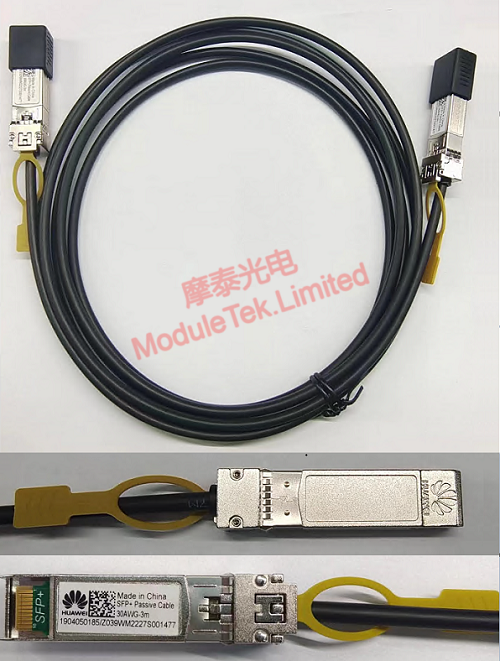
Figure 1 Physical Image
2. On-Switch Identification Test
The SFP-10G-CU3M high-speed copper cable was connected to a Huawei S6700-24-EI switch. The cable achieved normal LINK status with the port indicator illuminated. The switch correctly identified the complete information of the cable at both ends, including cable type, model, manufacturer name, serial number, and transmission distance, with no alarms reported.
Table 2 On-Switch Identification
|
Item
|
Information Read by Switch
|
|
Port Indicator
|
 |
|
LINK
|
|
|
Identification
|
|
3. Key Parameter Testing
All tests were conducted at room temperature (25℃) with standard calibration procedures. The test results are as follows:
3.1 S-Parameter Testing
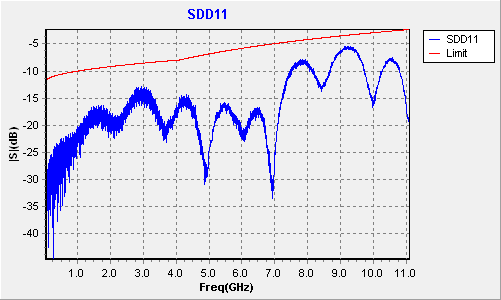
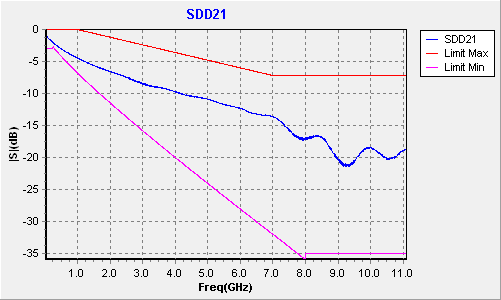
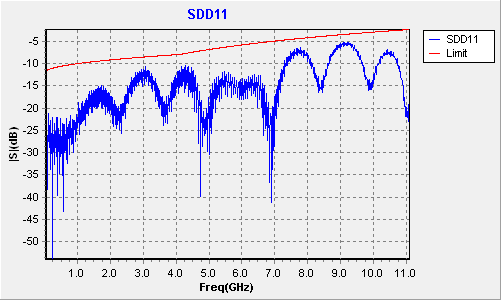
A network analyzer was used to test the S-parameters of the cable at both ends, following IEEE 370-2020 standard with TRL calibration to ensure measurement accuracy. The test results are shown below:
Table 3 S-Parameter Curves
|
Direction
|
Direction Reflection curve (SDD11)
|
Insertion loss curve (SDD21)
|
|
A end to B end
|
 |
 |
|
B end to A end
|
 |
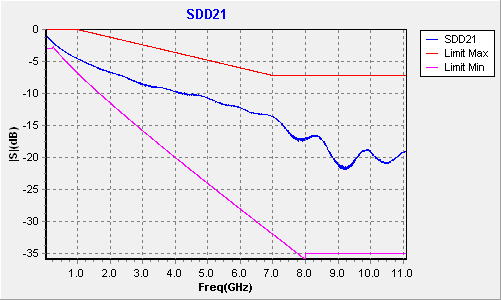 |
Table 4 S-Parameter Data
|
Direction
|
SDD11(dB)
|
IL(dB)
|
|
A to B
|
-20.278
|
9.576
|
|
B to A
|
-16.159
|
9.443
|
3.2 Impedance Testing
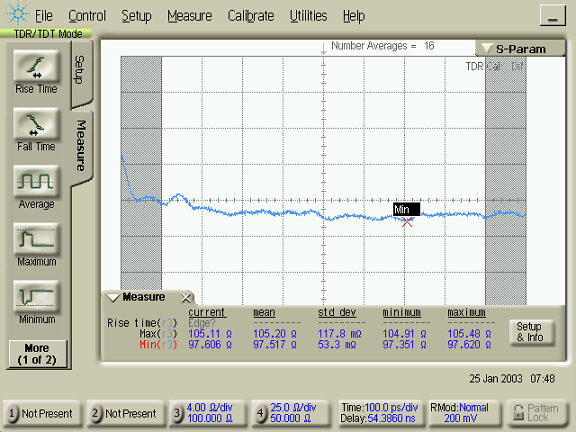
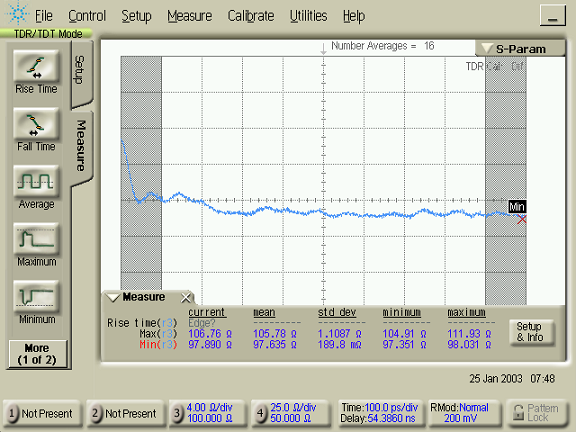
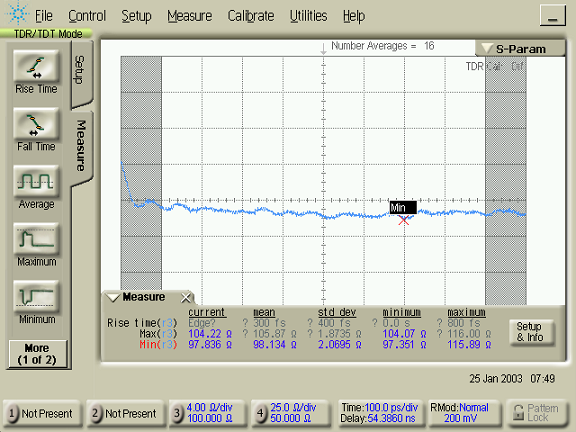
An oscilloscope was used to test the differential impedance of the cable at both ends. The standard differential impedance for 10G SFP+ DAC cables is 100±5Ω, and the test results are shown below:
Table 5 Cable Impedance Diagrams
|
Cable End
|
Differential Signal Direction TX
|
Differential Signal Direction RX
|
|
A Bend
|
 |
 |
|
B Bend
|
 |
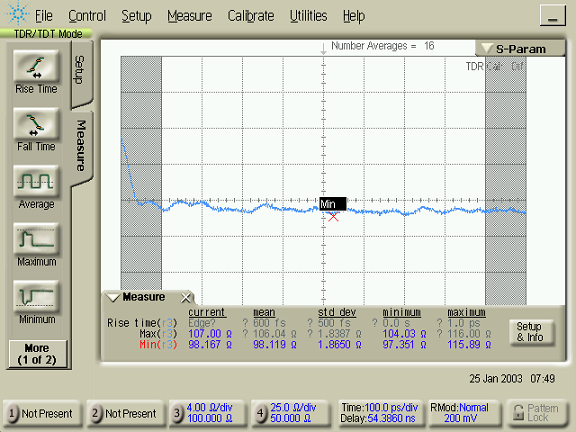 |
Table 6 Cable Impedance Data
|
Cable End
|
Differential Signal Direction
|
Maximum (ohm)
|
Minimum (ohm)
|
Average (ohm)
|
|
A end
|
TX
|
105.11
|
97.61
|
101.36
|
|
RX
|
106.76
|
97.89
|
102.32
|
|
|
B end
|
TX
|
104.22
|
97.84
|
101.03
|
|
RX
|
107.00
|
98.18
|
102.58
|
Actual test results confirm that all key parameters of the SFP-10G-CU3M cable meet Huawei’s official specifications. The differential impedance values are within the standard 100±5Ω range, and the S-parameters comply with IEEE 370-2020 test requirements, ensuring stable 10G transmission performance.
Moduletek sincerely serves you!
For further inquiries about the above content, please contact us at: sales@moduletek.com