
 40G/100G Optical Transceivers
 25G Optical Transceivers
 10G Optical Transceivers
 155M/2.5G Optical Transceivers
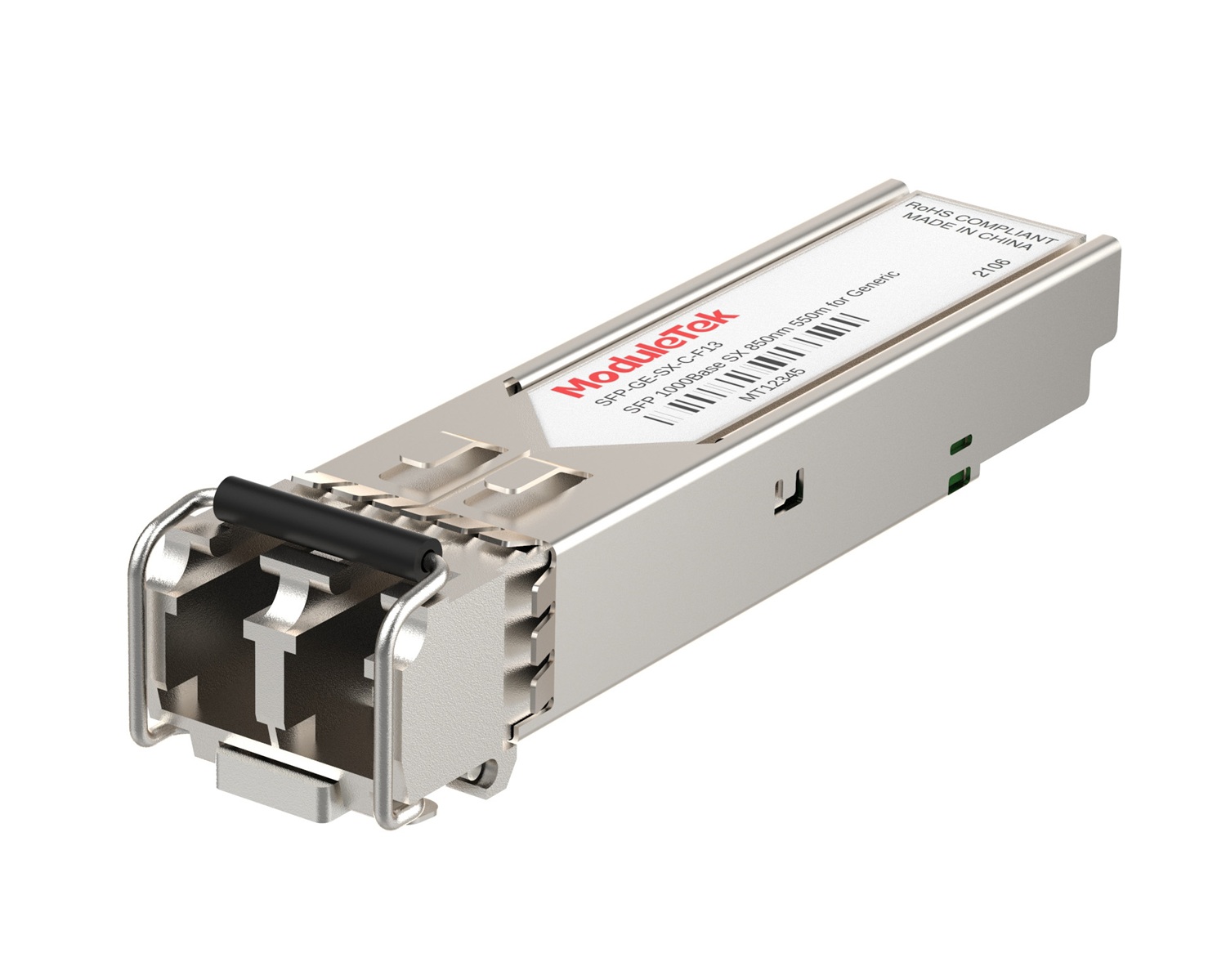 1G Optical Transceivers
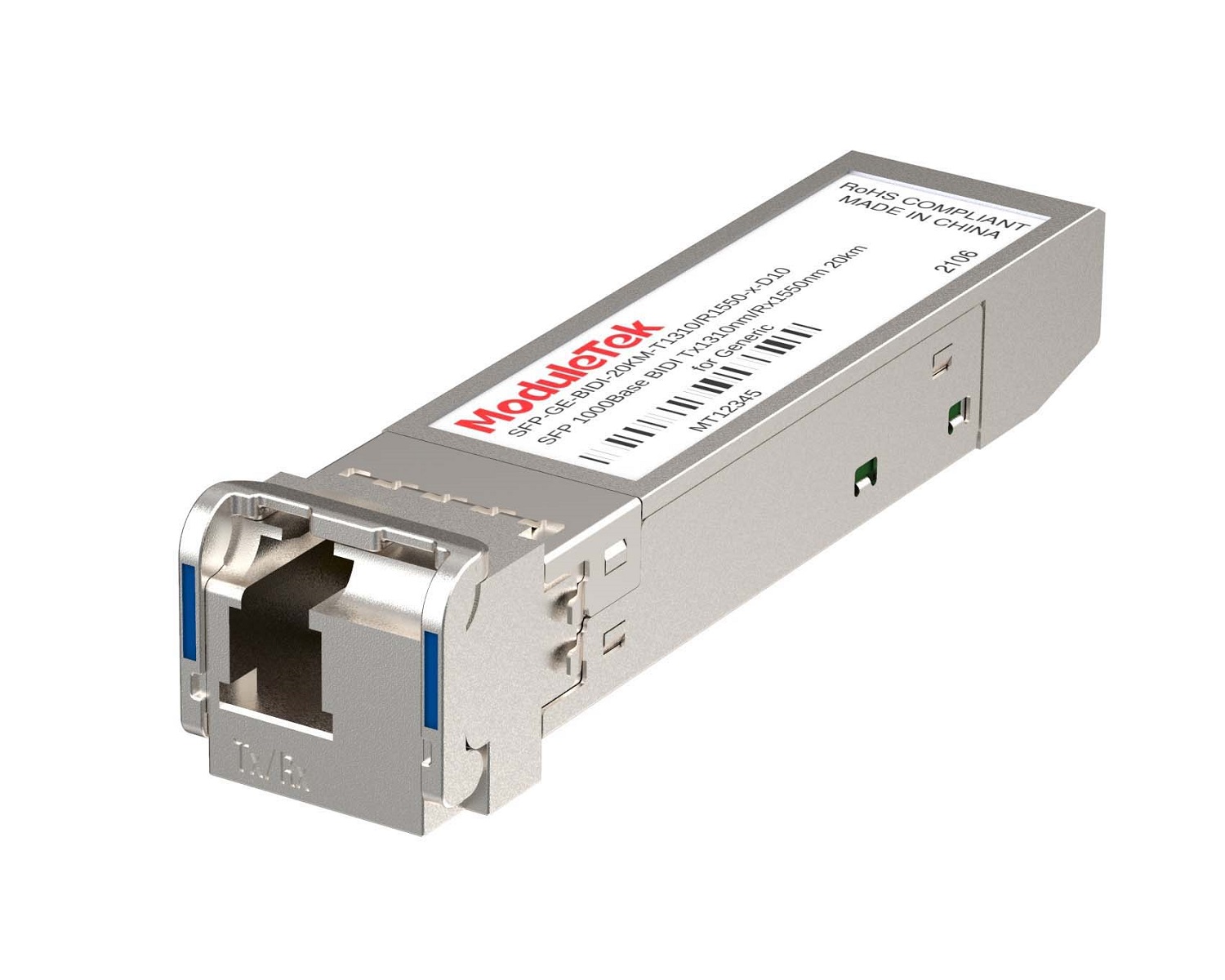 1G BIDI Optical Transceivers
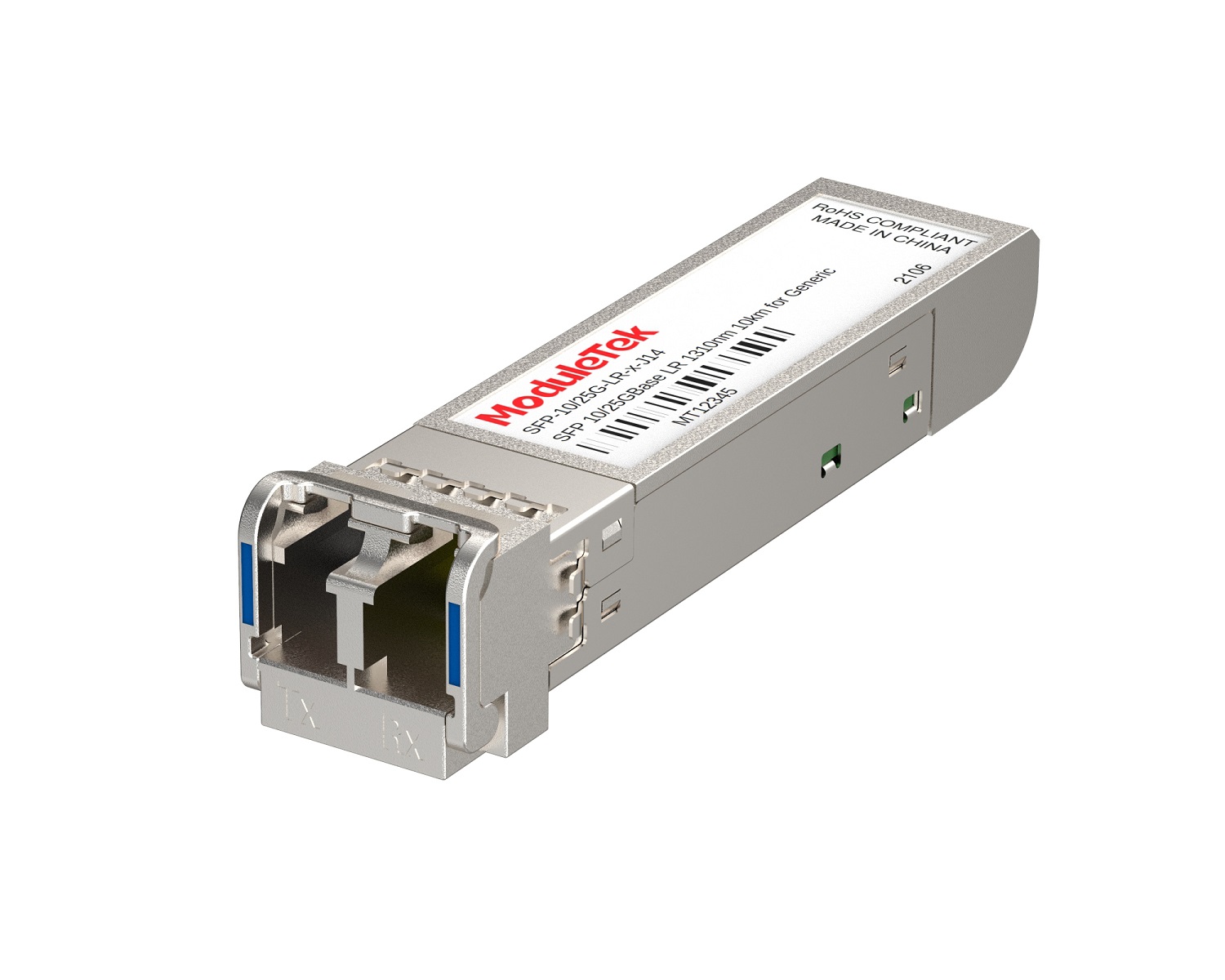 Dual-Rate Optical Transceivers
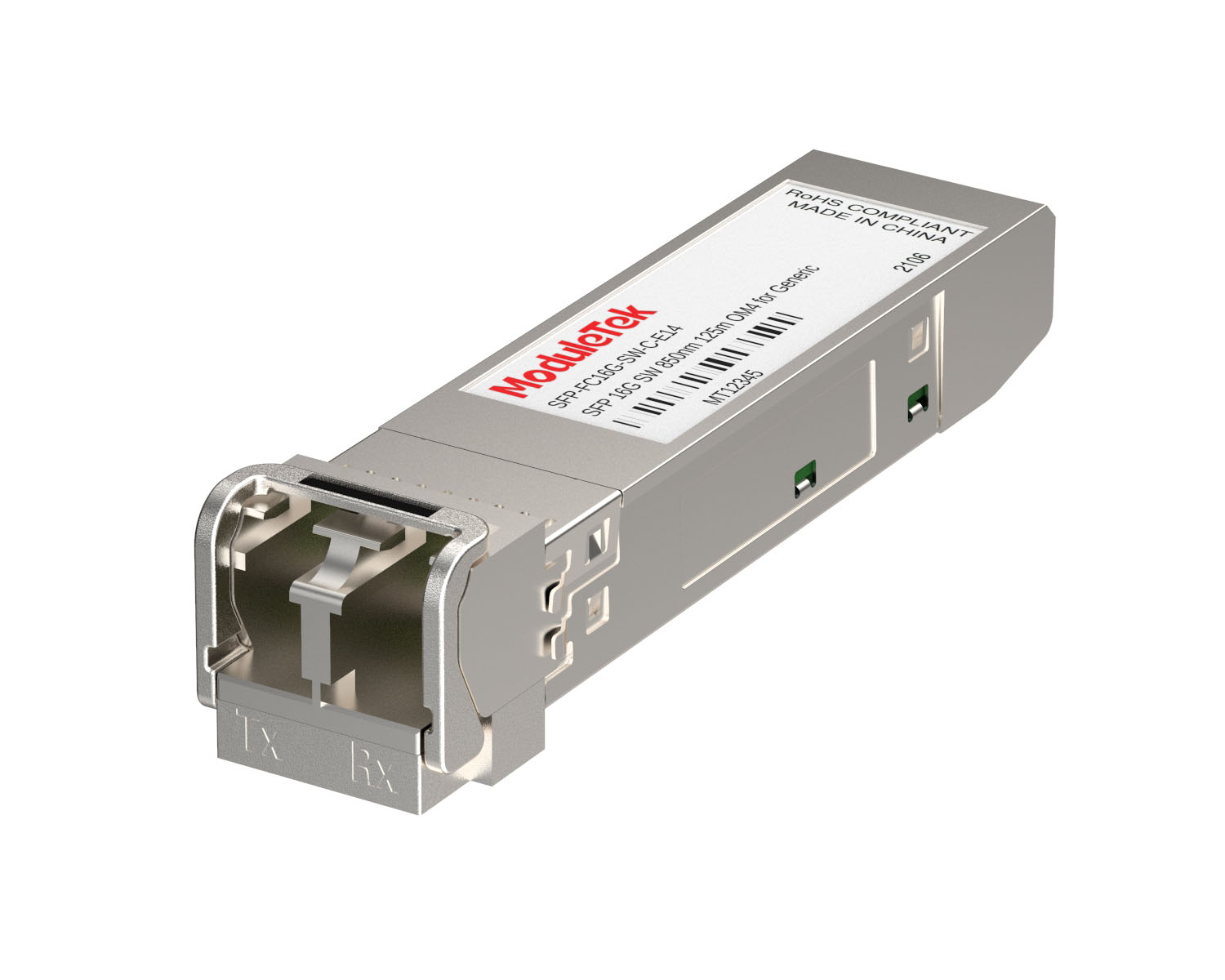 FC 16G/32G Optical Transceivers
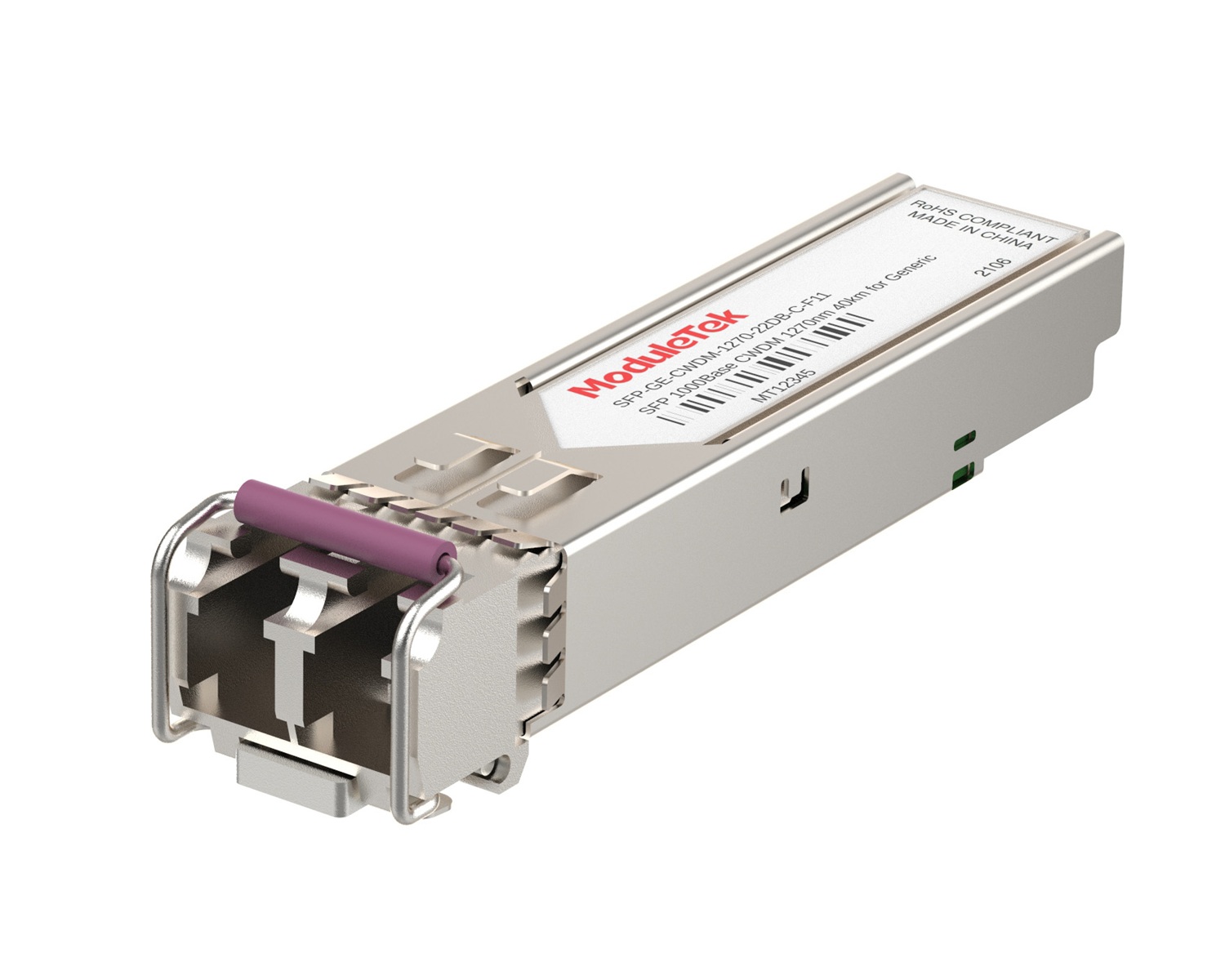 CWDM Optical Transceivers
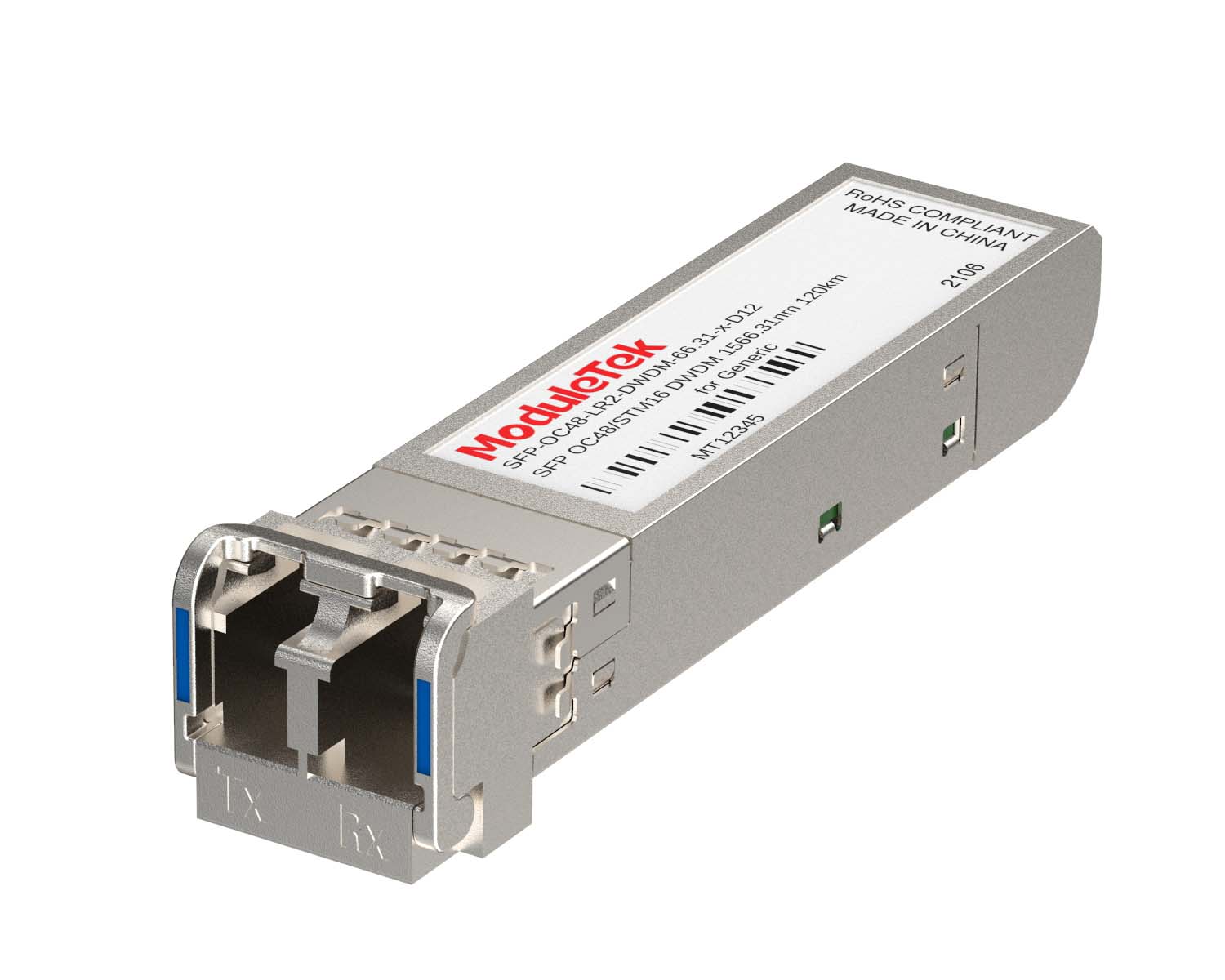 DWDM Optical Transceivers
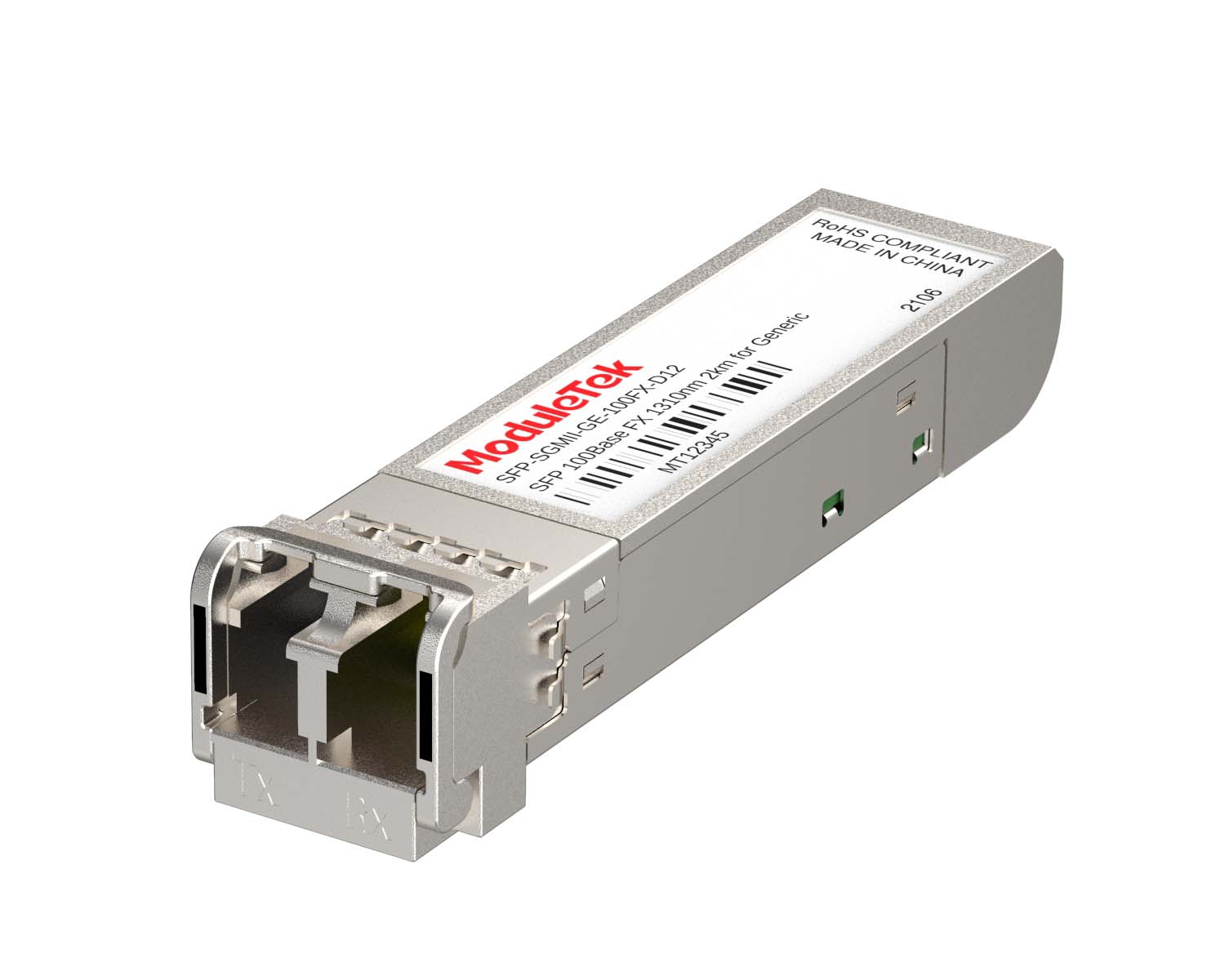 SGMII Port Optical Transceivers
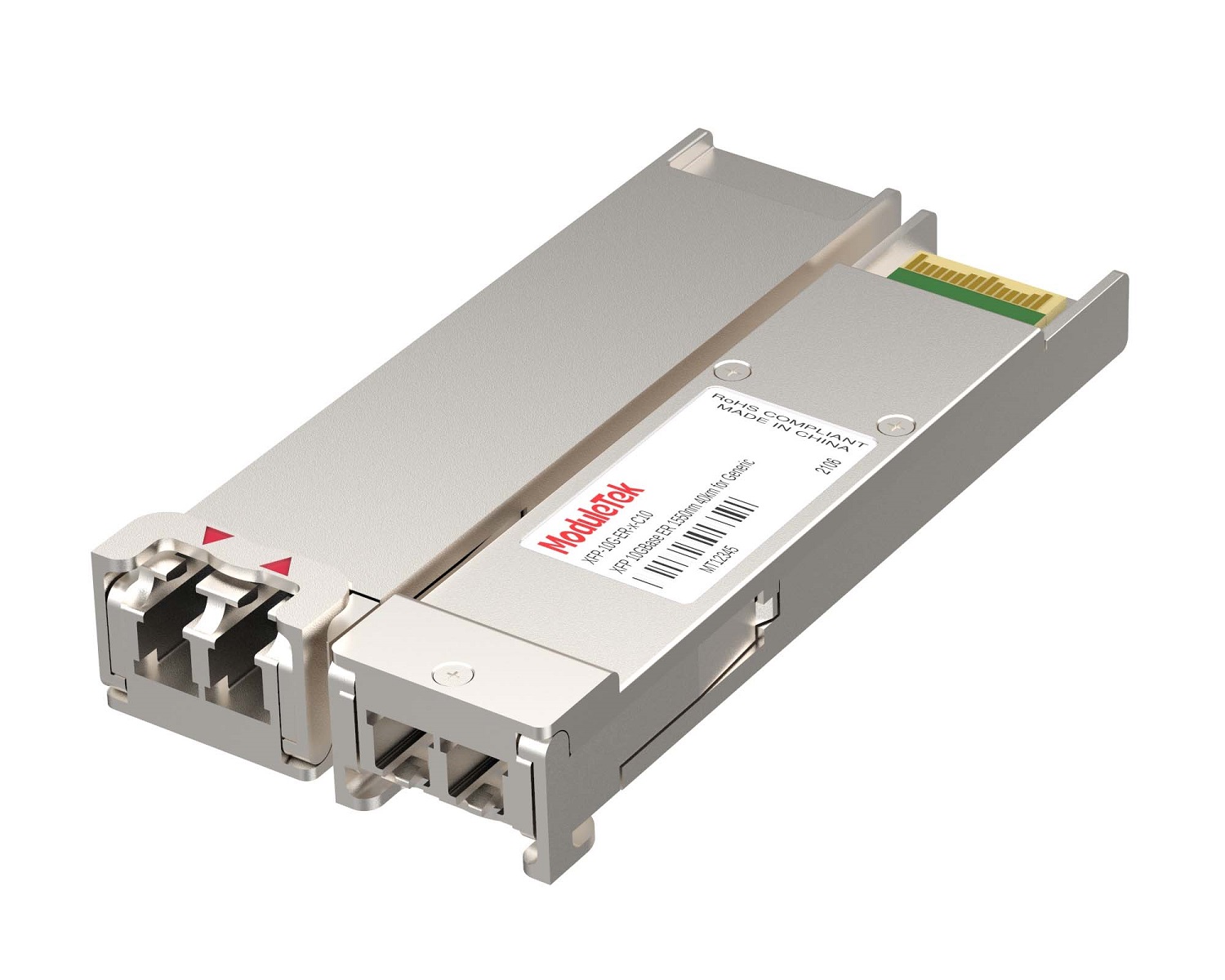 XFP Optical Transceivers
 100M/1G/10G Coppers
 Full-Rate AOC & Breakout Series
 10G/40G Active DAC Series
 Full-Rate Passive DAC Series
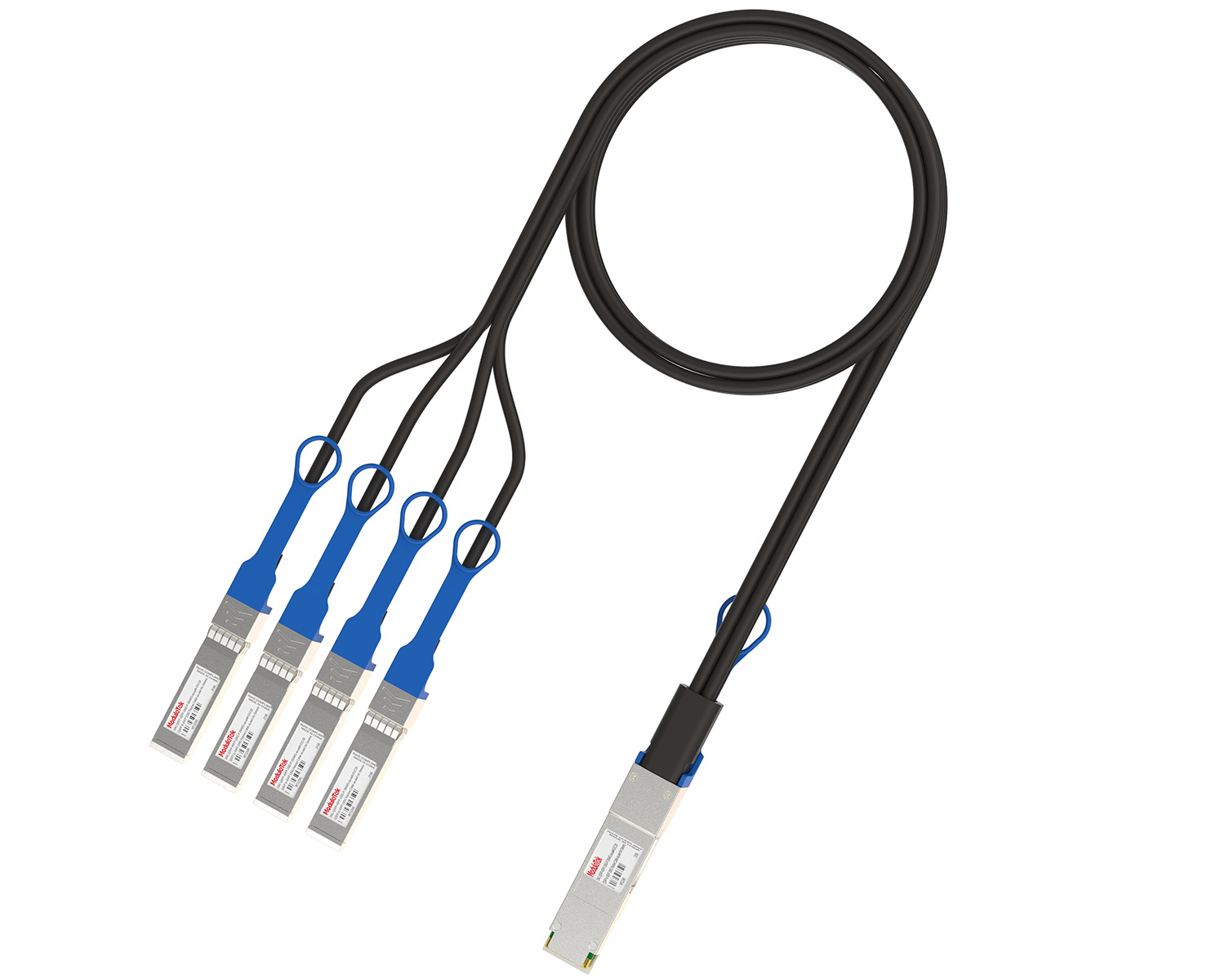 40G/100G Passive Breakout DAC Series
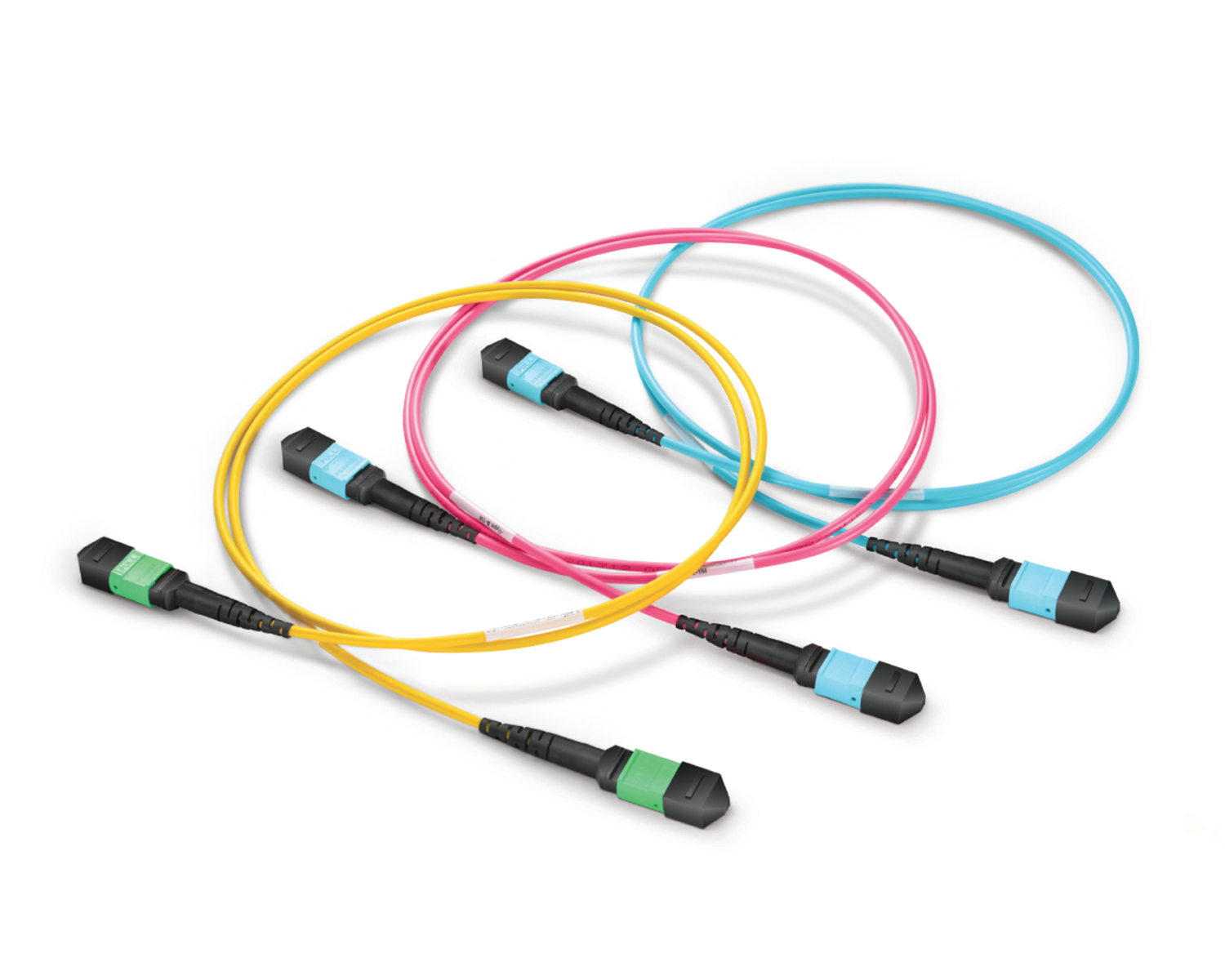 Regular/MTP-MPO Fiber Patch Cords
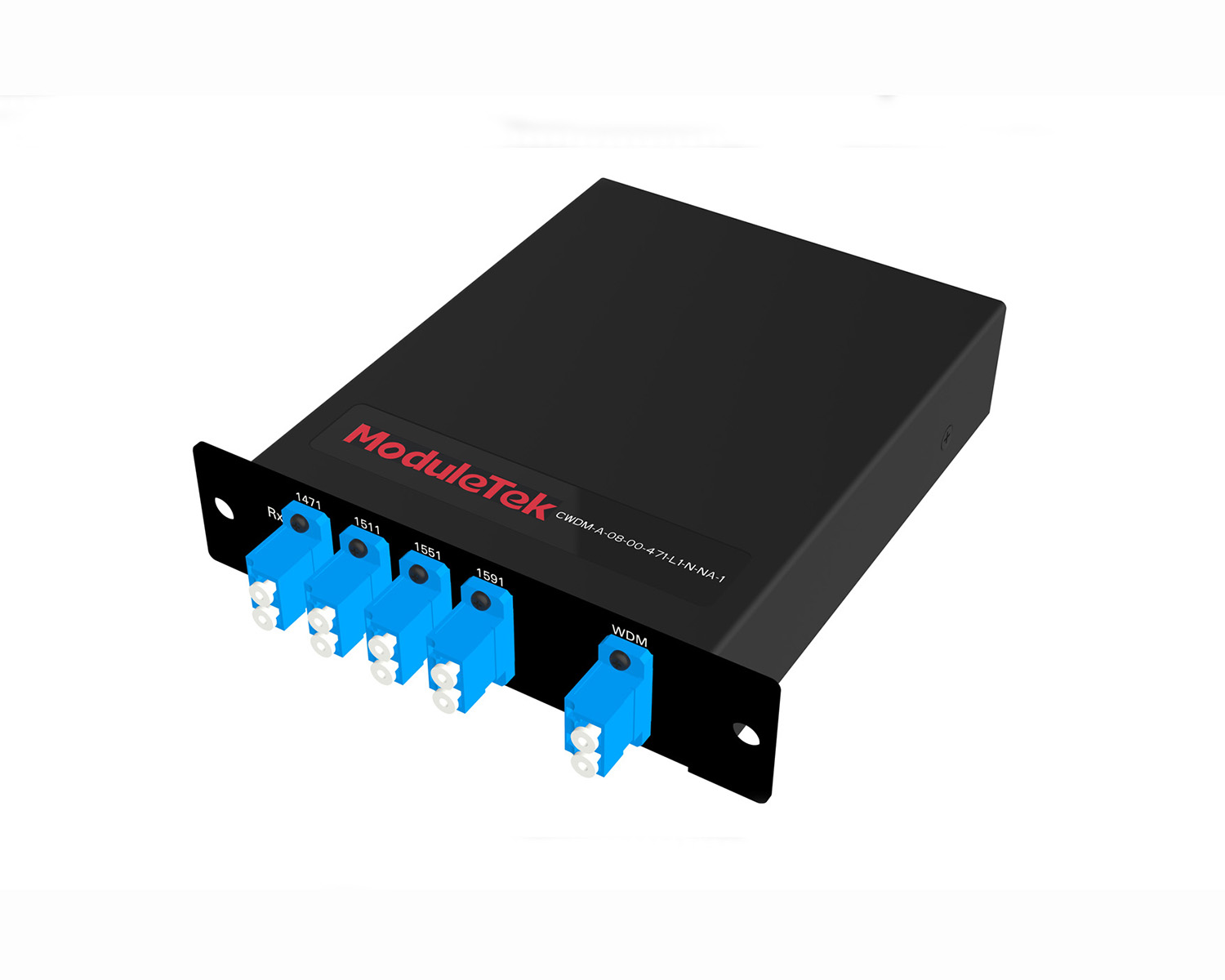 MT2011
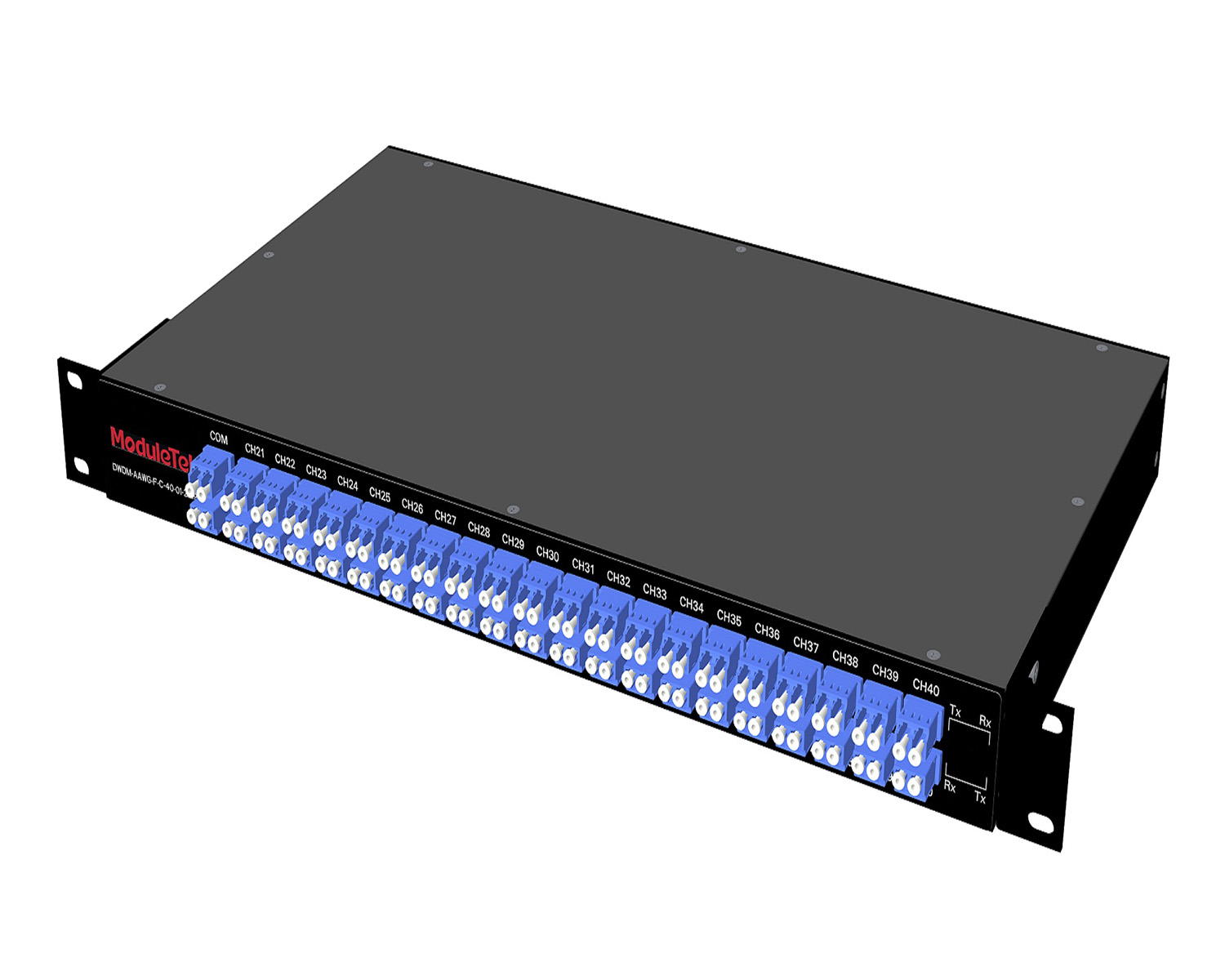 MT2010
 CodingBox
 QSFP to SFP Adapter
Introduction To DWDM Tunable Optical Module
Time: 2024-03-19
With the rapid development of network technology, dense wavelength division multiplexing (DWDM) technology is widely used in optical communication systems—especially for long-distance transmission—to meet the growing demand for high-speed data transmission. The DWDM tunable optical transceiver adopts DWDM technology and supports wavelength adjustment, which can effectively alleviate the need for optical transceiver replacement caused by network structure changes, help adapt to the evolving network, and reduce the inventory of DWDM optical transceivers.
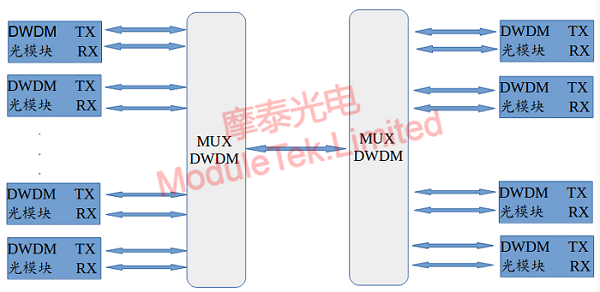
Figure 1 DWDM System Application
1. What is a DWDM Tunable Optical Transceiver?
A DWDM tunable optical transceiver is a special type of optical transceiver that can select the laser emission channel. Simply put, the wavelength of a conventional DWDM optical transceiver is fixed, while a DWDM tunable optical transceiver can be configured to output different DWDM wavelengths, with the flexibility to select operating wavelengths. It has great practical value in applications such as optical wavelength division multiplexing (WDM) systems, optical add-drop multiplexers (OADMs), optical cross-connects, optical switching equipment, and spare light sources. It should be noted that the wavelength adjustment function of the DWDM tunable optical transceiver is only applicable to DWDM systems. Currently, the main types of tunable transceivers on the market include SFP+ 10G DWDM, XFP 10G DWDM, and SFP28 25G DWDM.
2. Differences Between DWDM Tunable Optical Transceiver and Standard DWDM Optical Transceiver
The biggest difference between a DWDM tunable optical transceiver and a standard one lies in wavelength tunability. In addition, they differ in the following three aspects:
2.1 Working Principle
Each standard DWDM optical transceiver has a fixed wavelength and can only be deployed at network nodes matching that wavelength. For example, an SFP+ optical transceiver with C30 wavelength can only be connected to the C30 wavelength port on a DWDM MUX. However, with an SFP+ DWDM tunable optical transceiver, users can connect to any port of the same DWDM MUX using a fiber patch cord, as the wavelength of the tunable transceiver can be adjusted to match different port wavelengths.
2.2 Application Fields
Based on these differences in working principles, standard DWDM optical transceivers are usually deployed in networks where channels rarely need to be changed or added. In contrast, DWDM tunable optical transceivers are often used as spare transceivers in scenarios that require network architecture adjustments, such as business expansion.
2.3 Cost
The material cost of a DWDM tunable optical transceiver is higher than that of a standard DWDM optical transceiver, so its selling price is 3-4 times higher than that of a standard one. However, in the long run, the tunable optical transceiver can effectively reduce operating costs and is a good choice. For example, in a large-scale 10G SFP+ DWDM system with hundreds of nodes of different wavelengths, users must stock up to hundreds of DWDM SFP+ optical transceivers to prevent unnecessary failures, which will greatly increase operating costs. In this case, the tunable optical transceiver helps reduce the demand for DWDM SFP+ optical transceiver inventory, thereby lowering costs and maximizing network flexibility.
Moduletek sincerely serves you!
For further inquiries about the above content, please contact us at: sales@moduletek.com