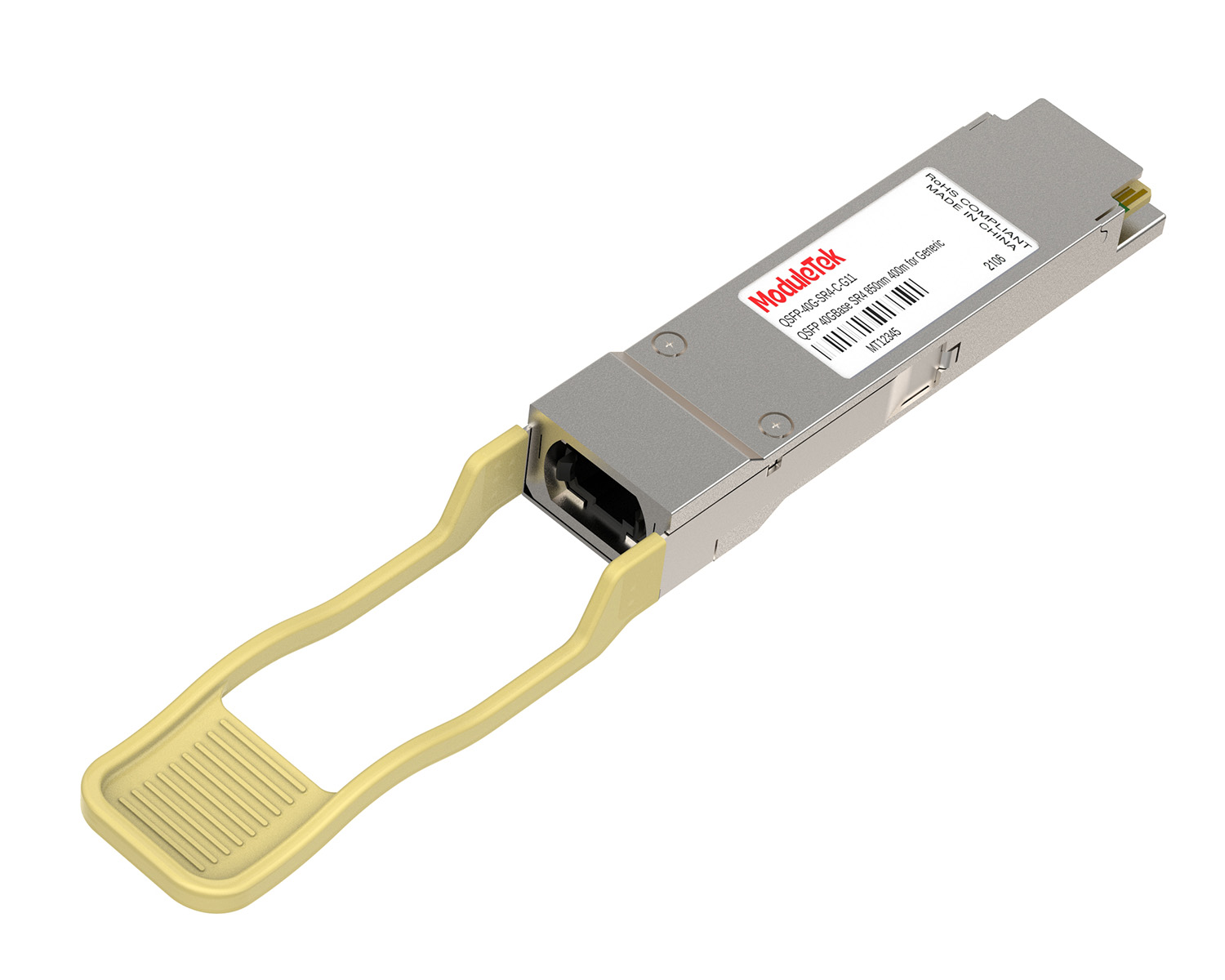
 40G/100G Optical Transceivers
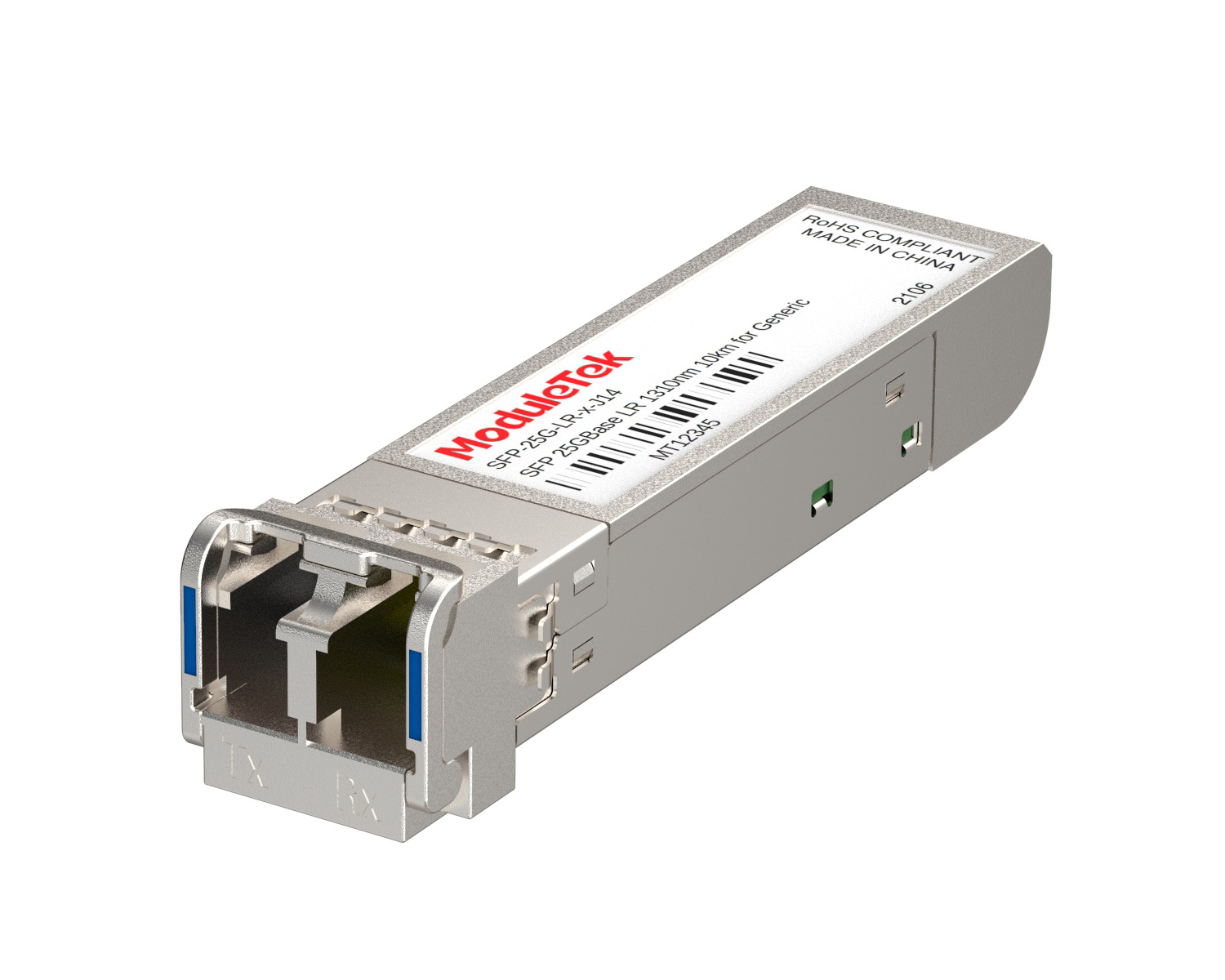 25G Optical Transceivers
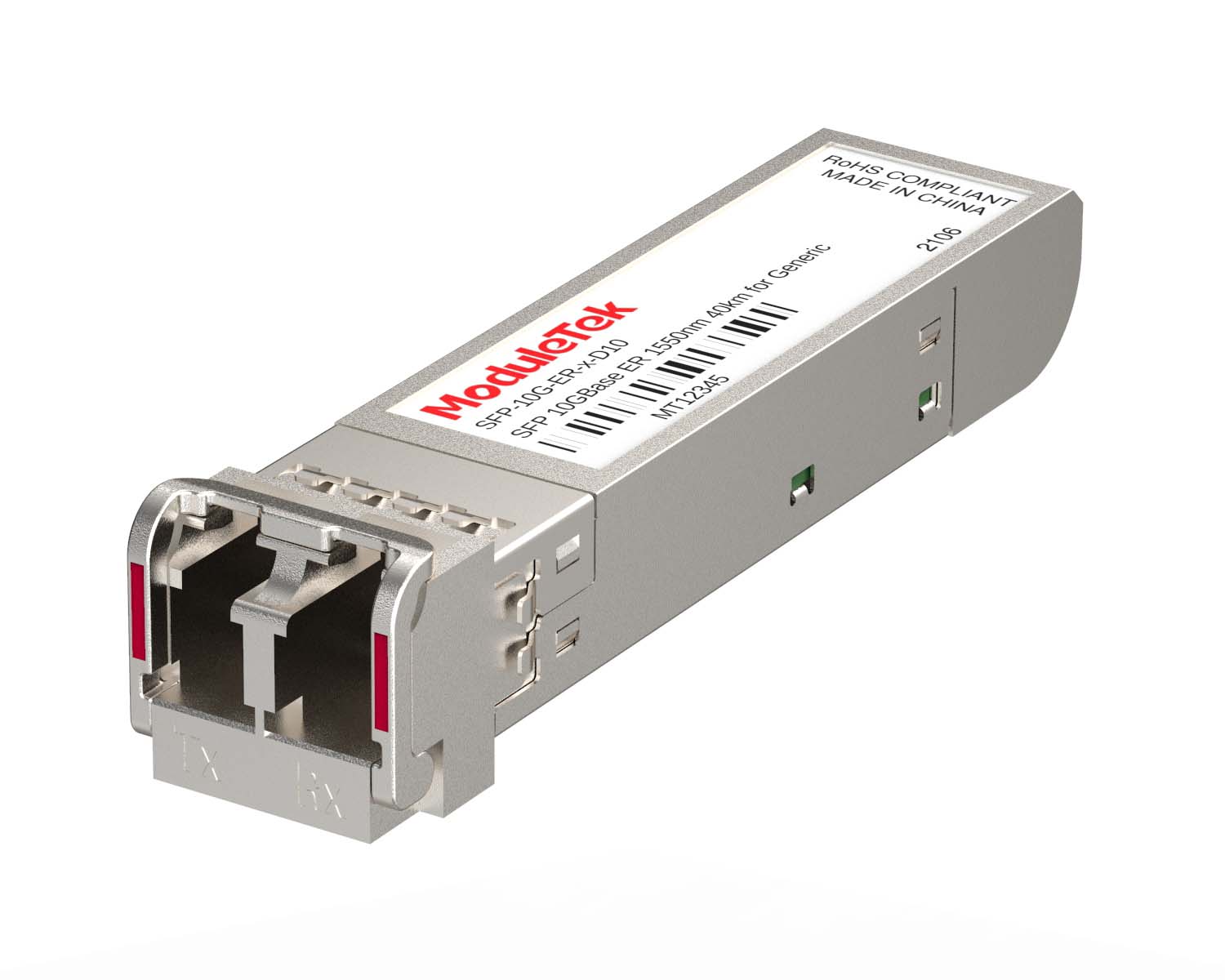 10G Optical Transceivers
 155M/2.5G Optical Transceivers
 1G Optical Transceivers
 1G BIDI Optical Transceivers
 Dual-Rate Optical Transceivers
 FC 16G/32G Optical Transceivers
 CWDM Optical Transceivers
 DWDM Optical Transceivers
 SGMII Port Optical Transceivers
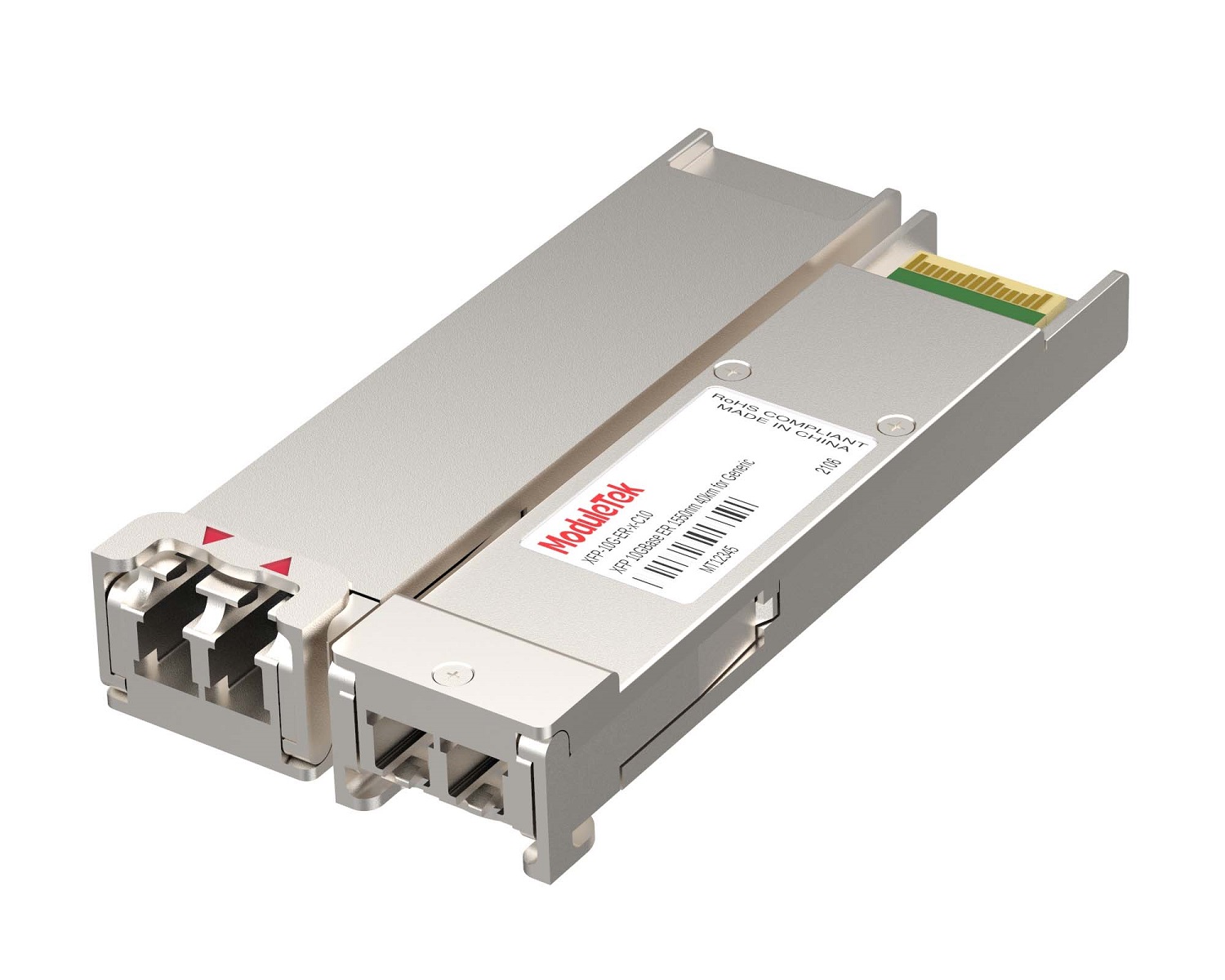 XFP Optical Transceivers
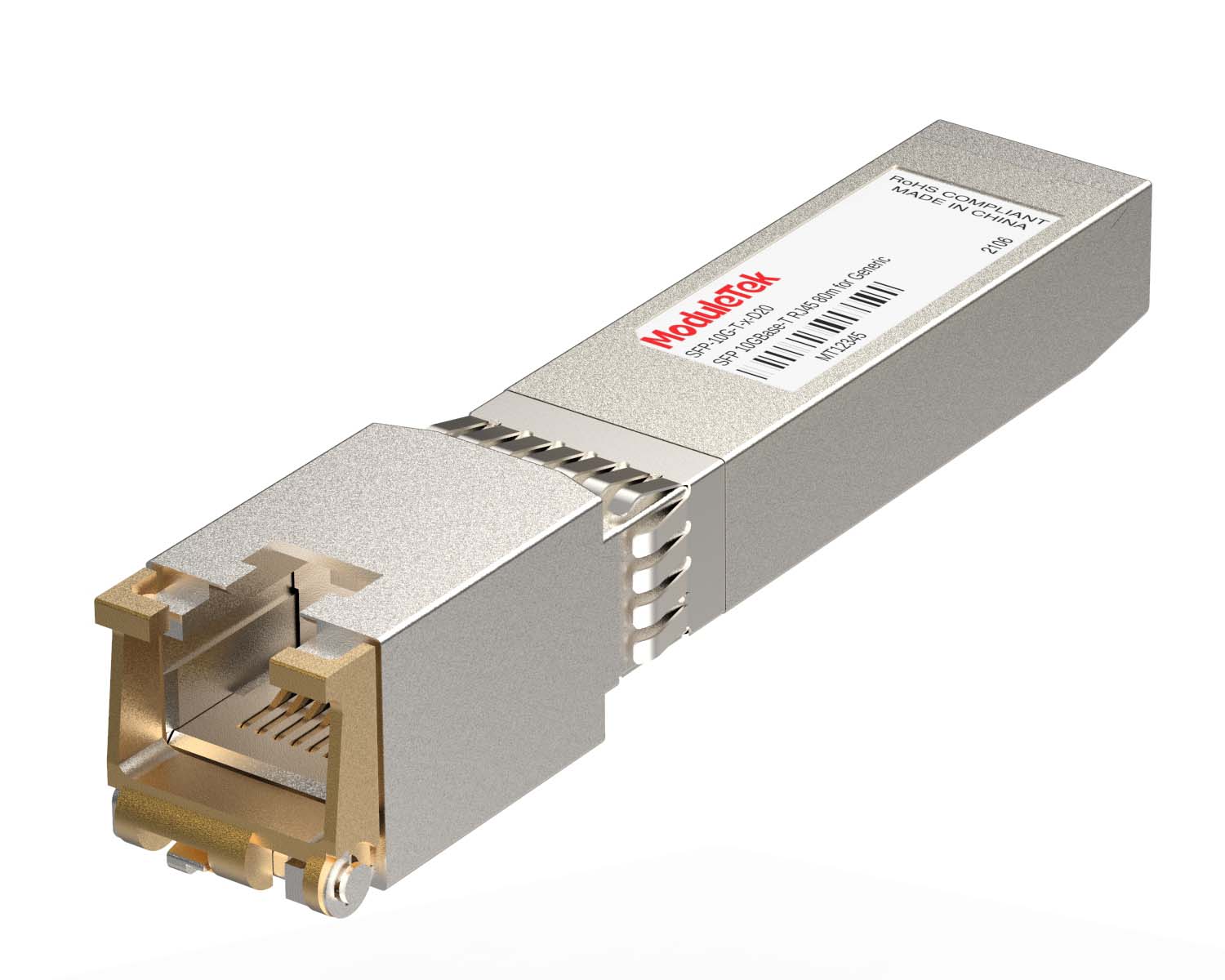 100M/1G/10G Coppers
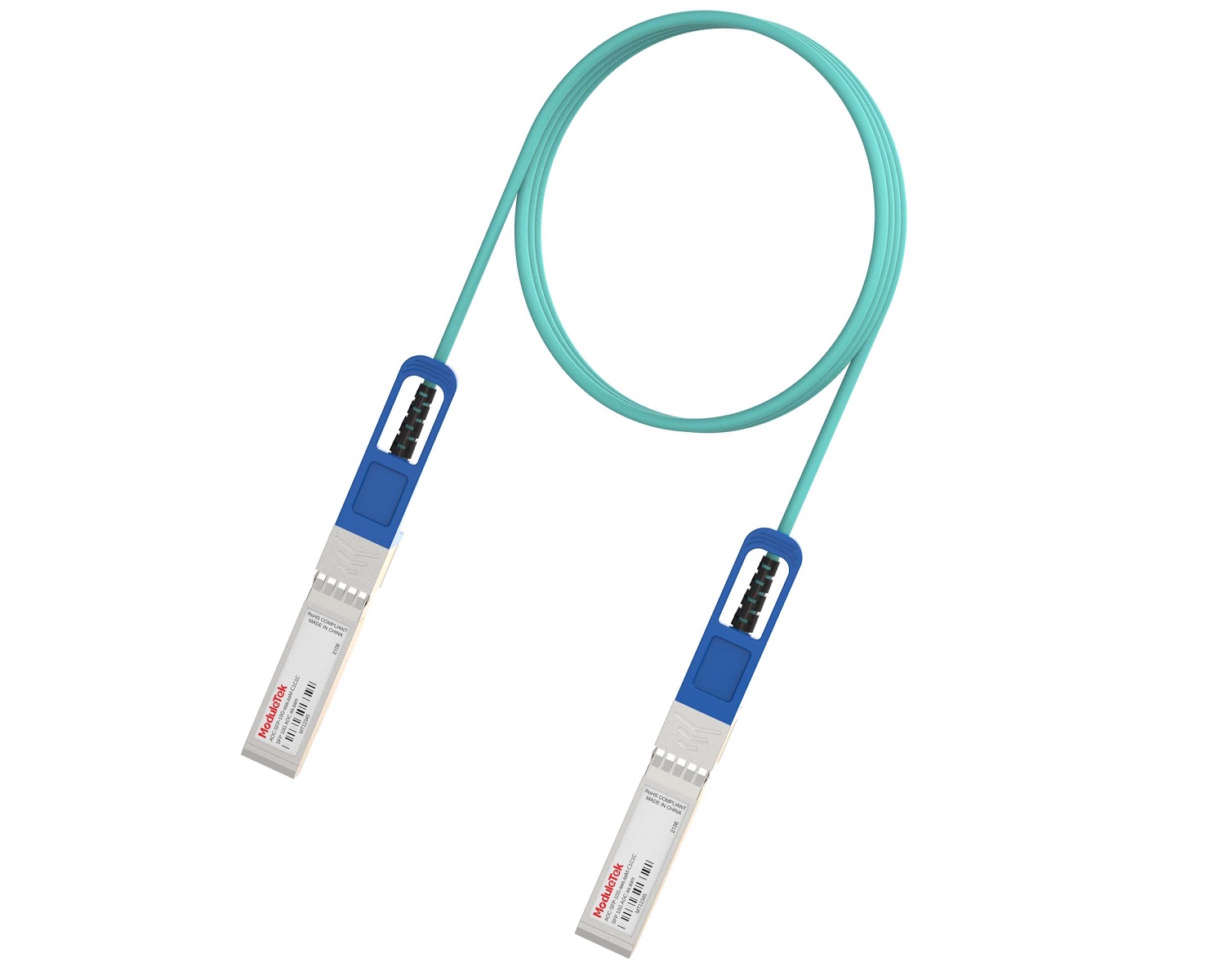 Full-Rate AOC & Breakout Series
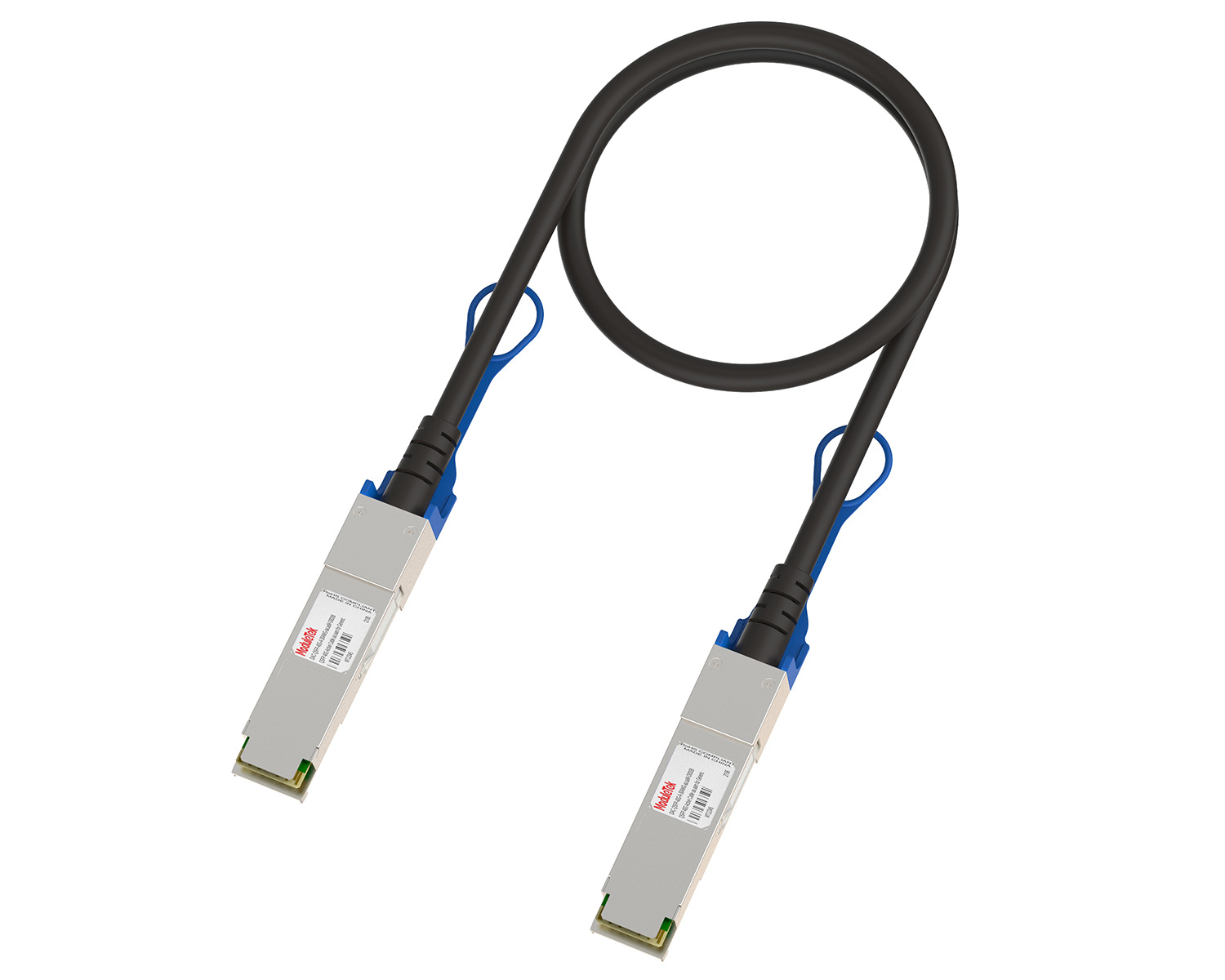 10G/40G Active DAC Series
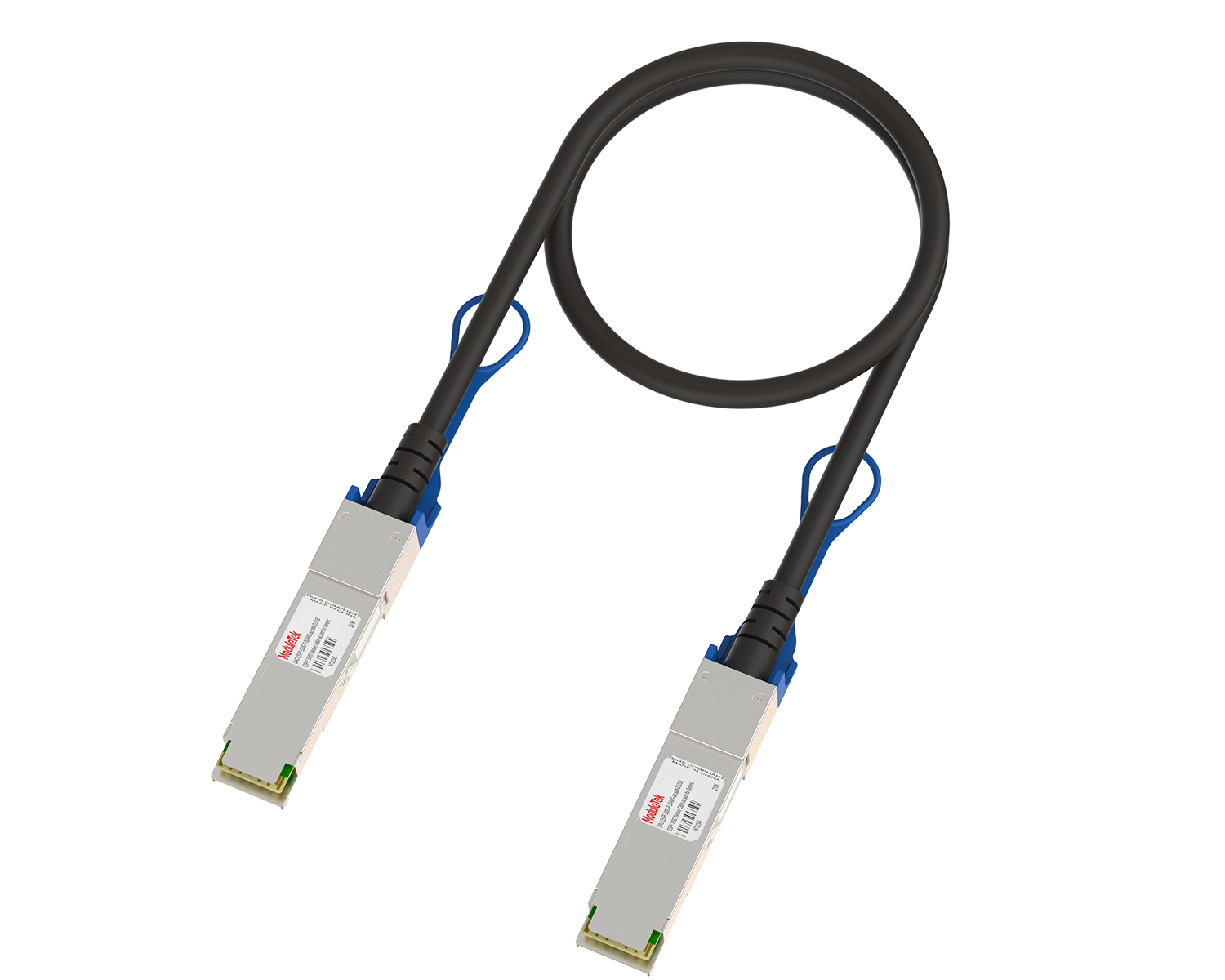 Full-Rate Passive DAC Series
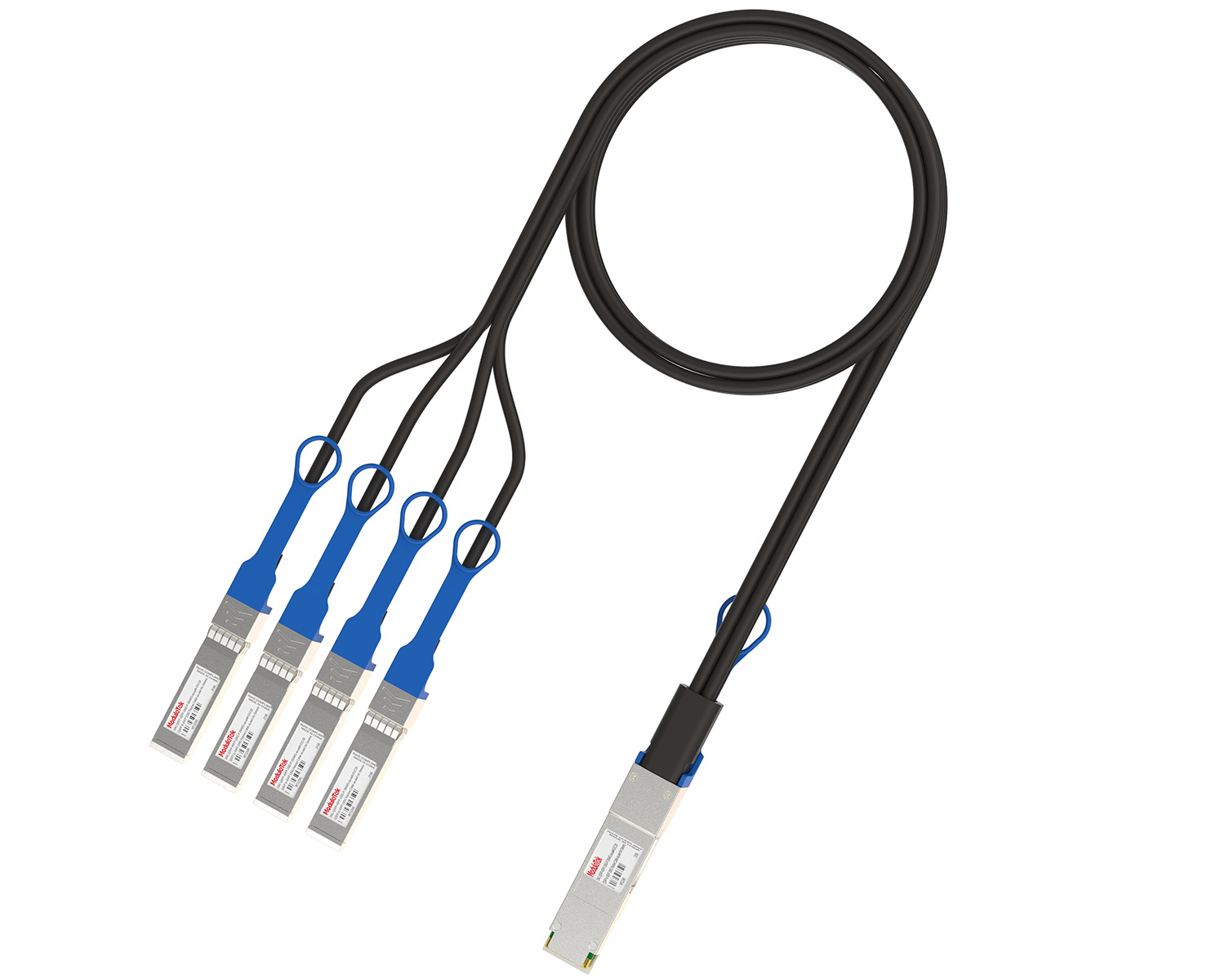 40G/100G Passive Breakout DAC Series
 Regular/MTP-MPO Fiber Patch Cords
 MT2011
 MT2010
 CodingBox
 QSFP to SFP Adapter
 首页 > Home > Application Notes > How To Configure Interface Breakout And Aggregation On The Cisco Nexus 93180YC-EX Switch
How To Configure Interface Breakout And Aggregation On The Cisco Nexus 93180YC-EX Switch
Time: 2025-08-07
We have previously introduced interface breakout and aggregation configurations for Cisco N3K series switches. This guide uses the N9K-C93180YC-EX switch as a test example to explain how to configure QSFP interface breakout and aggregation on the Cisco Nexus 93180YC-EX switch.
1. By default, the QSFP interfaces on the device run in aggregation mode. When checking interface information, only one standalone interface is displayed. It defaults to auto speed and can be manually configured to 40G or 100G.
2. Enter global configuration mode and run the following command:
interface breakout module 1 port <port_number> map <breakout_mode>
This command splits aggregated QSFP interfaces. The N9K-C93180YC-EX supports breakout into three logical interface modes: 4×10G, 4×25G and 2×50G. The command takes effect immediately after execution.
3. After applying the breakout configuration, check the interface status. The original single aggregated interface will be split into four independent 10G interfaces.
4. In global configuration mode, run the command below to disable interface breakout:
no interface breakout module 1 port <port_number> map <breakout_mode>
The interface will revert to aggregation mode and return to the device default state.
Moduletek Limited is at your service.
For further inquiries about the above content, please contact us at: sales@moduletek.com