
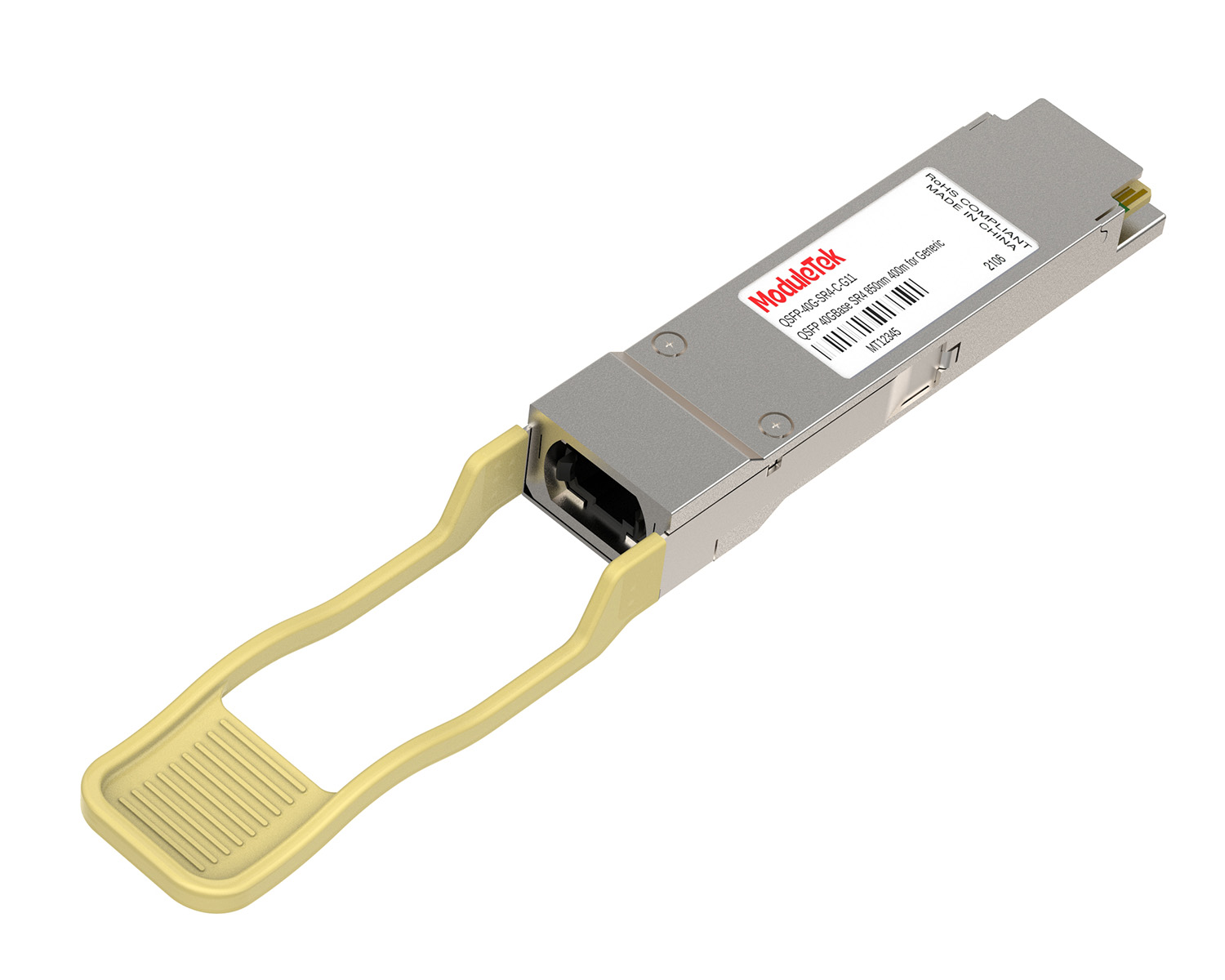
 40G/100G Optical Transceivers
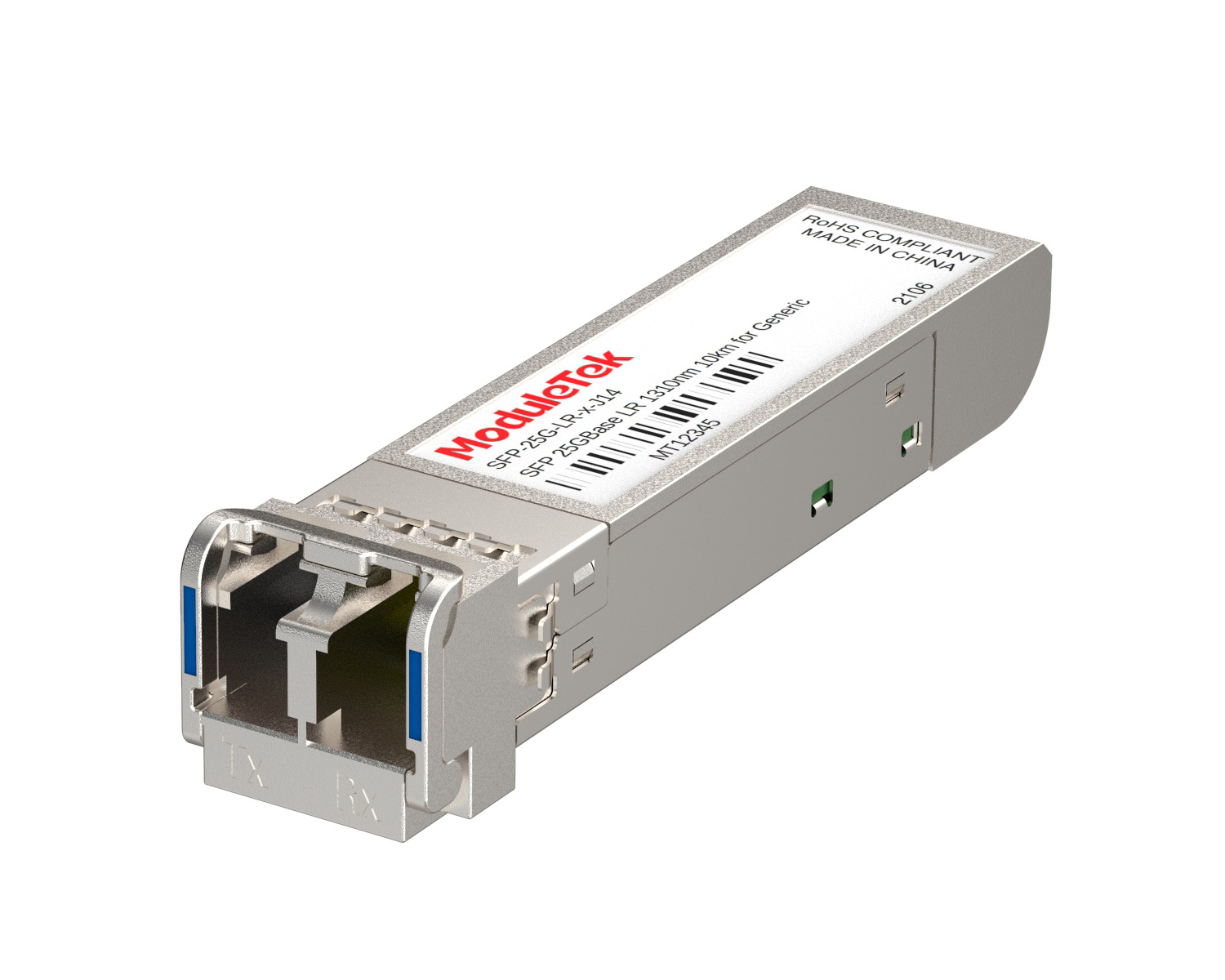 25G Optical Transceivers
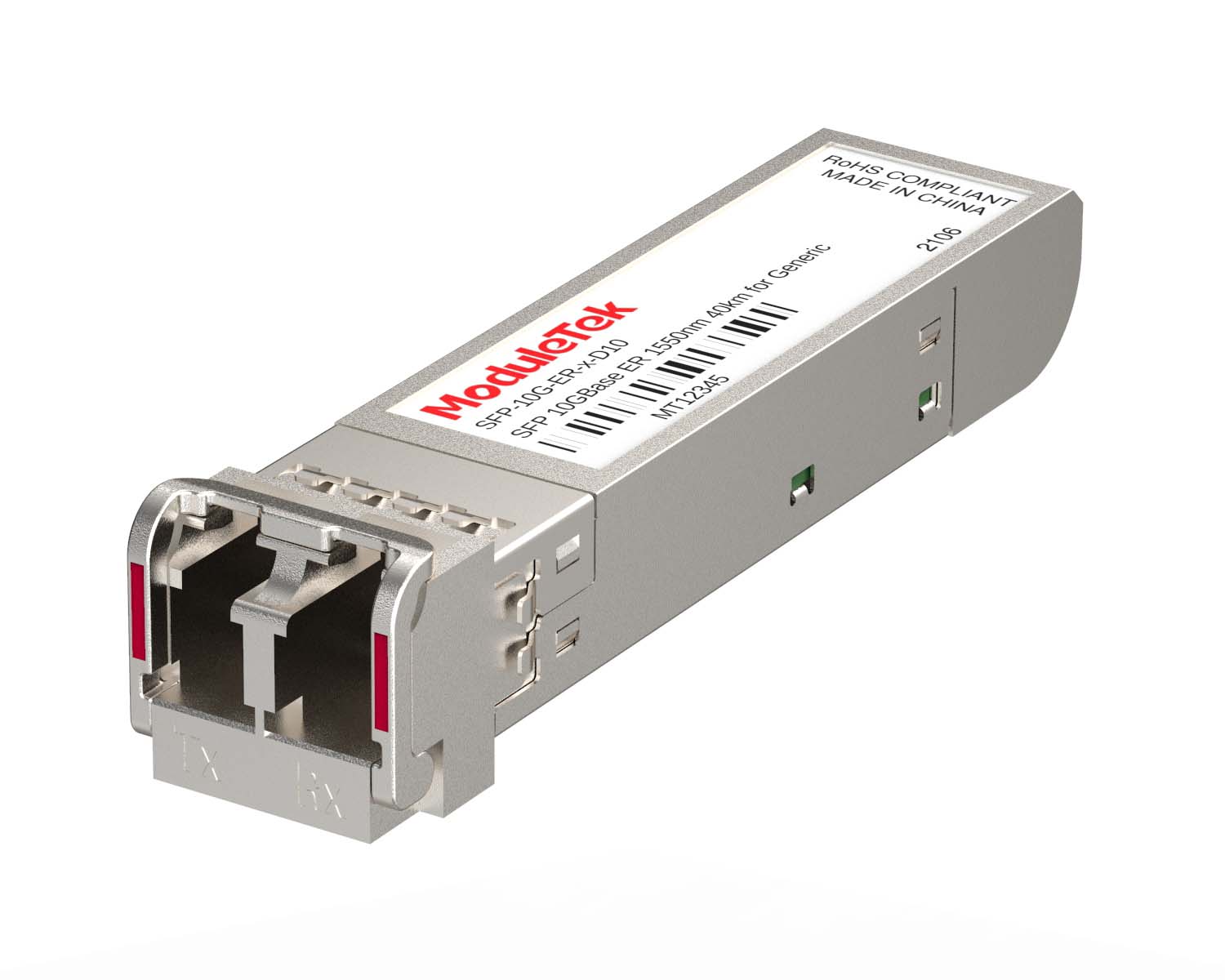 10G Optical Transceivers
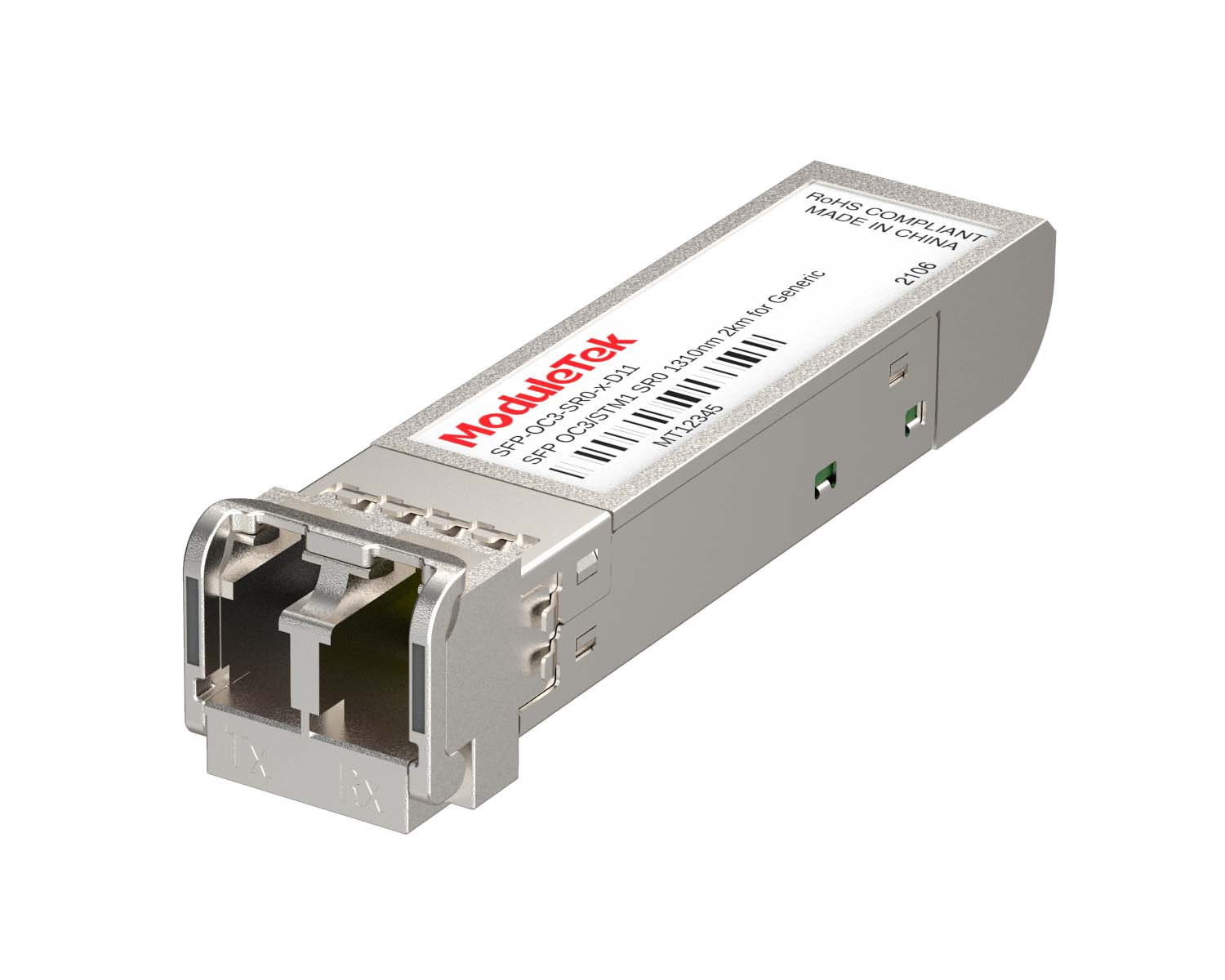 155M/2.5G Optical Transceivers
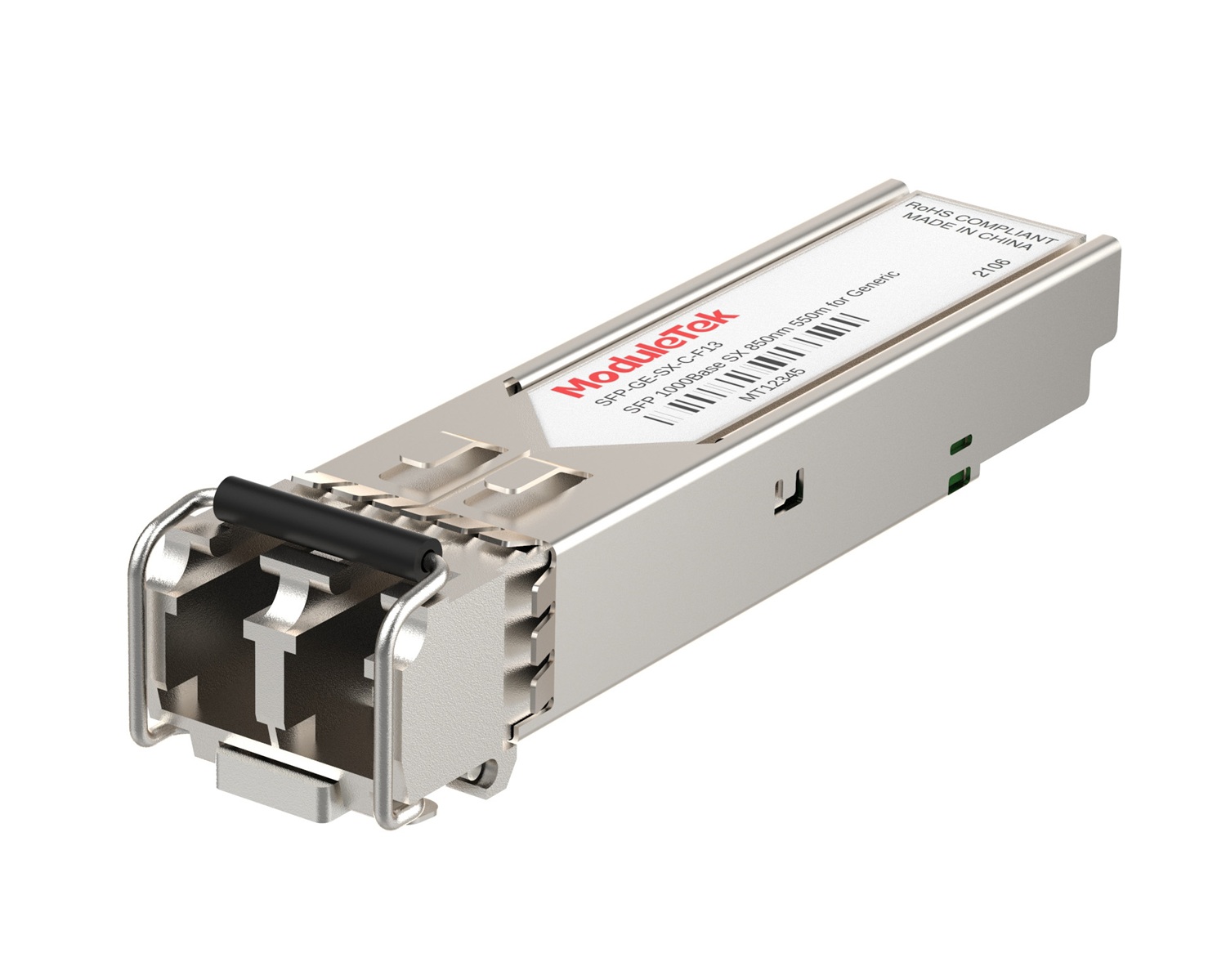 1G Optical Transceivers
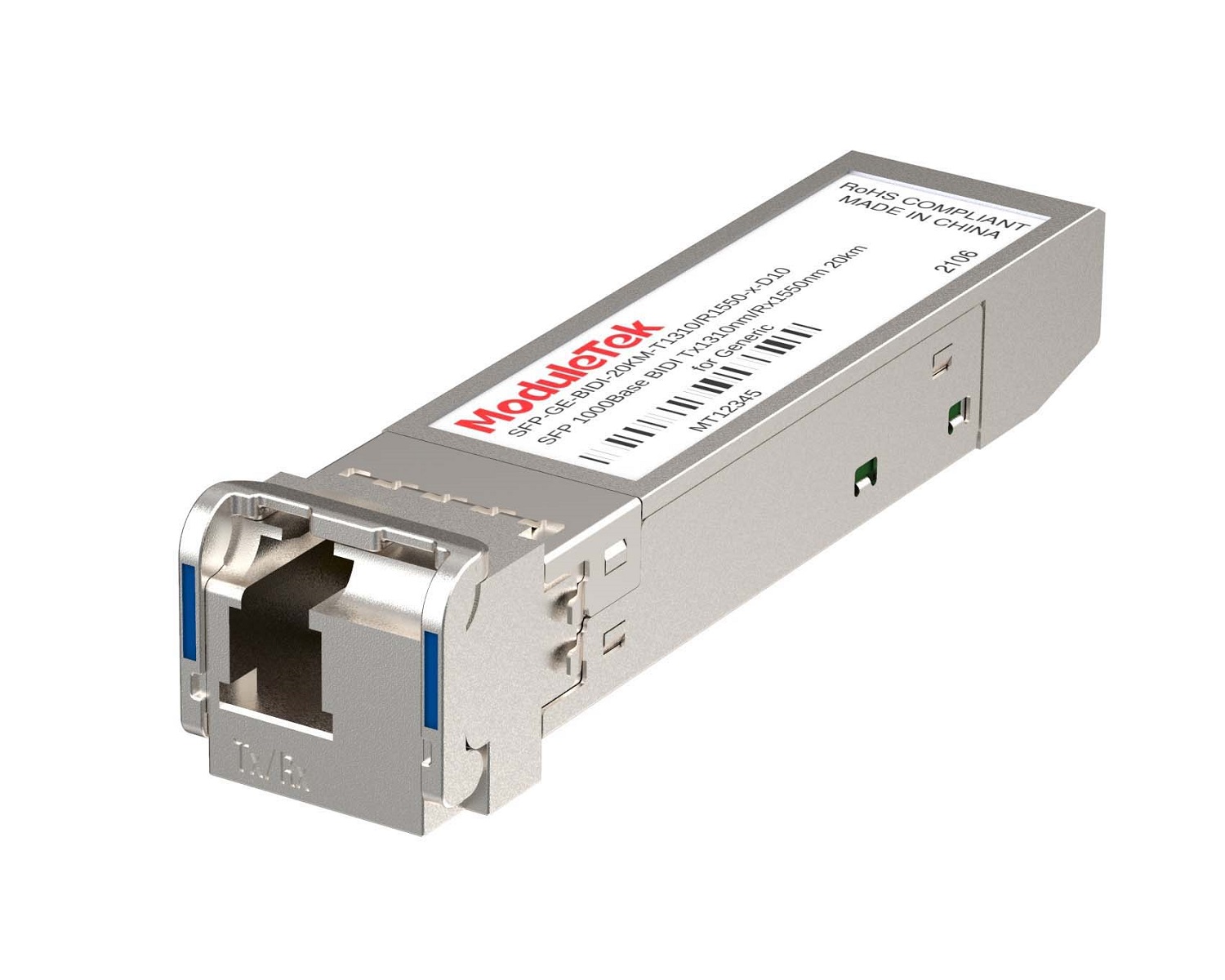 1G BIDI Optical Transceivers
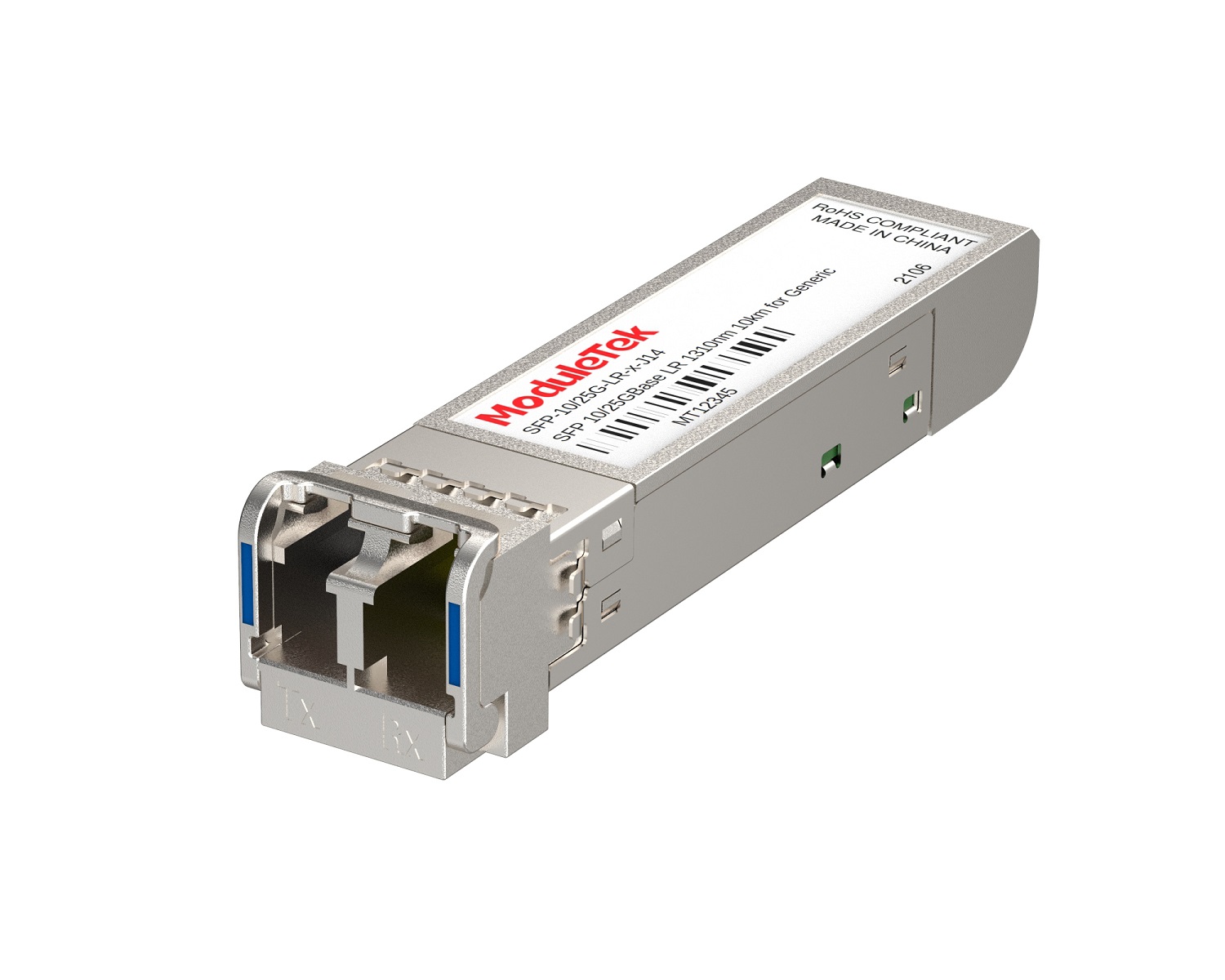 Dual-Rate Optical Transceivers
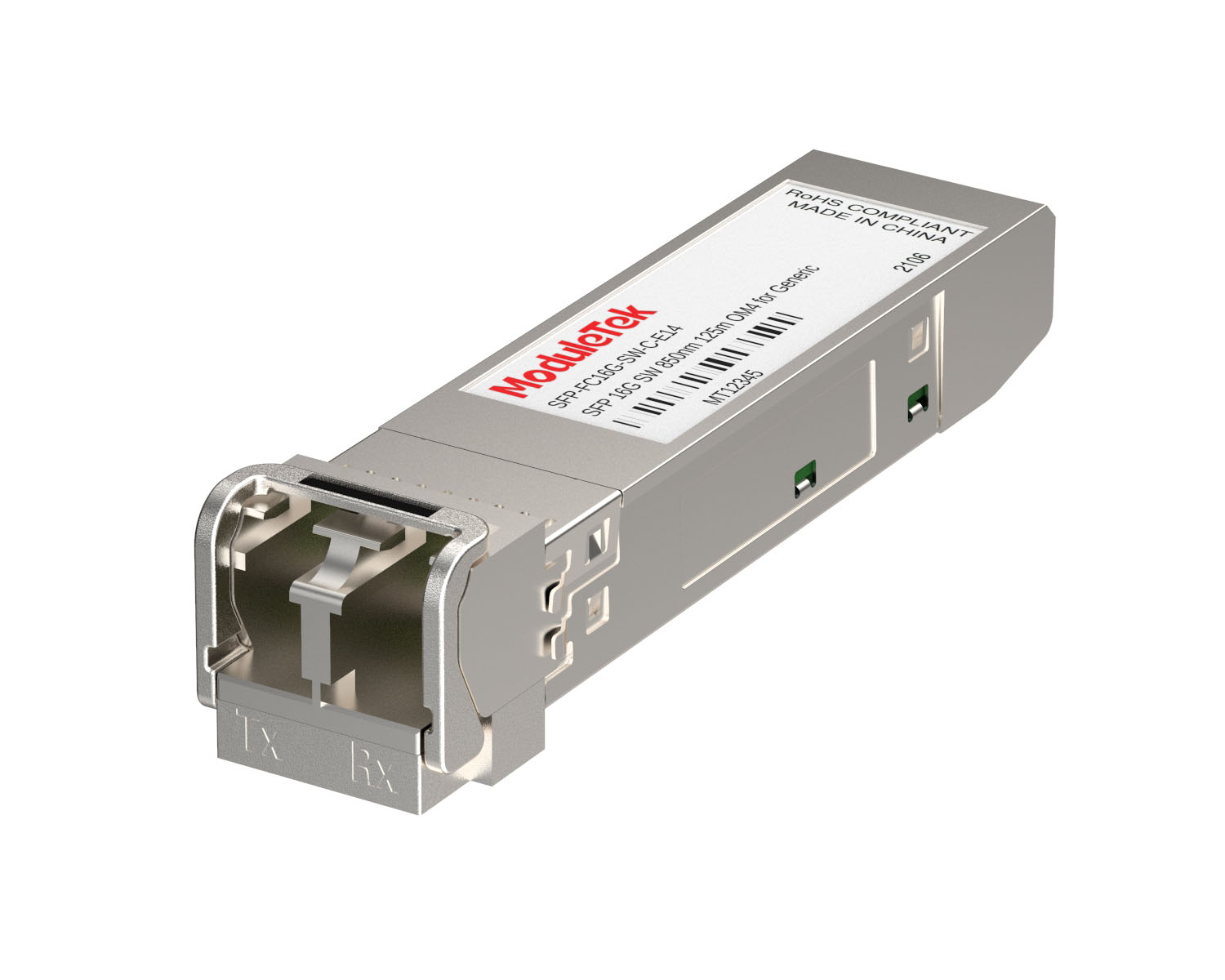 FC 16G/32G Optical Transceivers
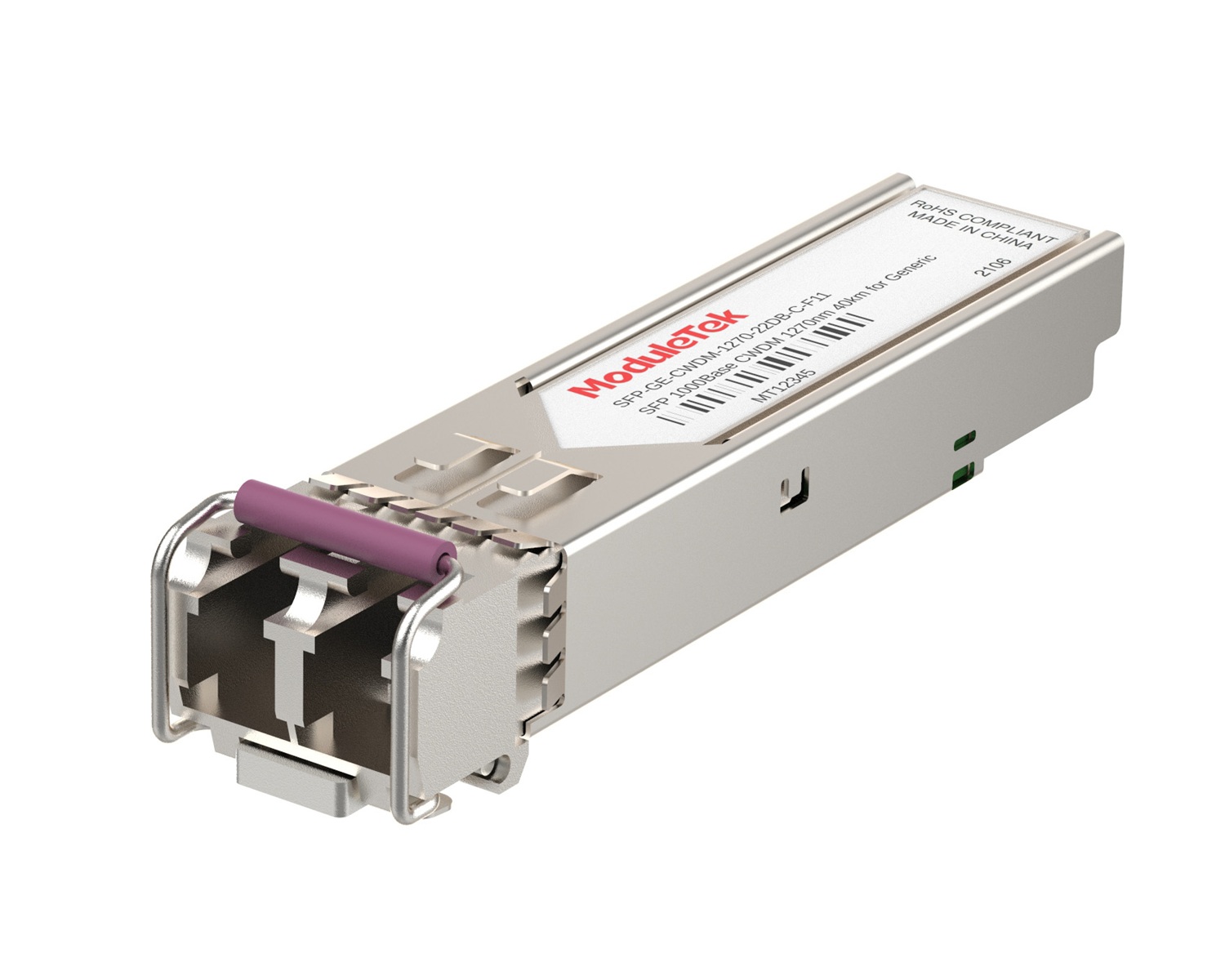 CWDM Optical Transceivers
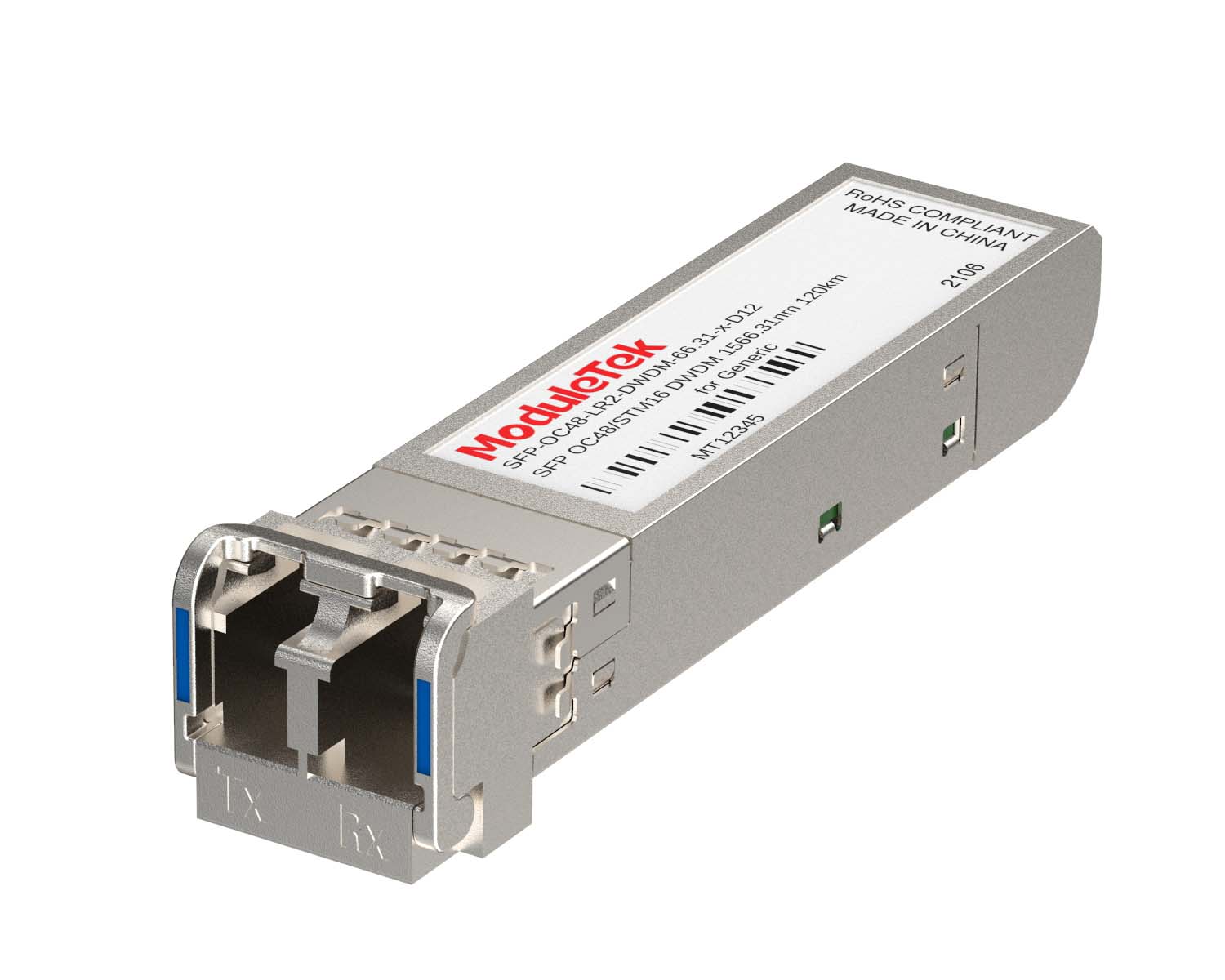 DWDM Optical Transceivers
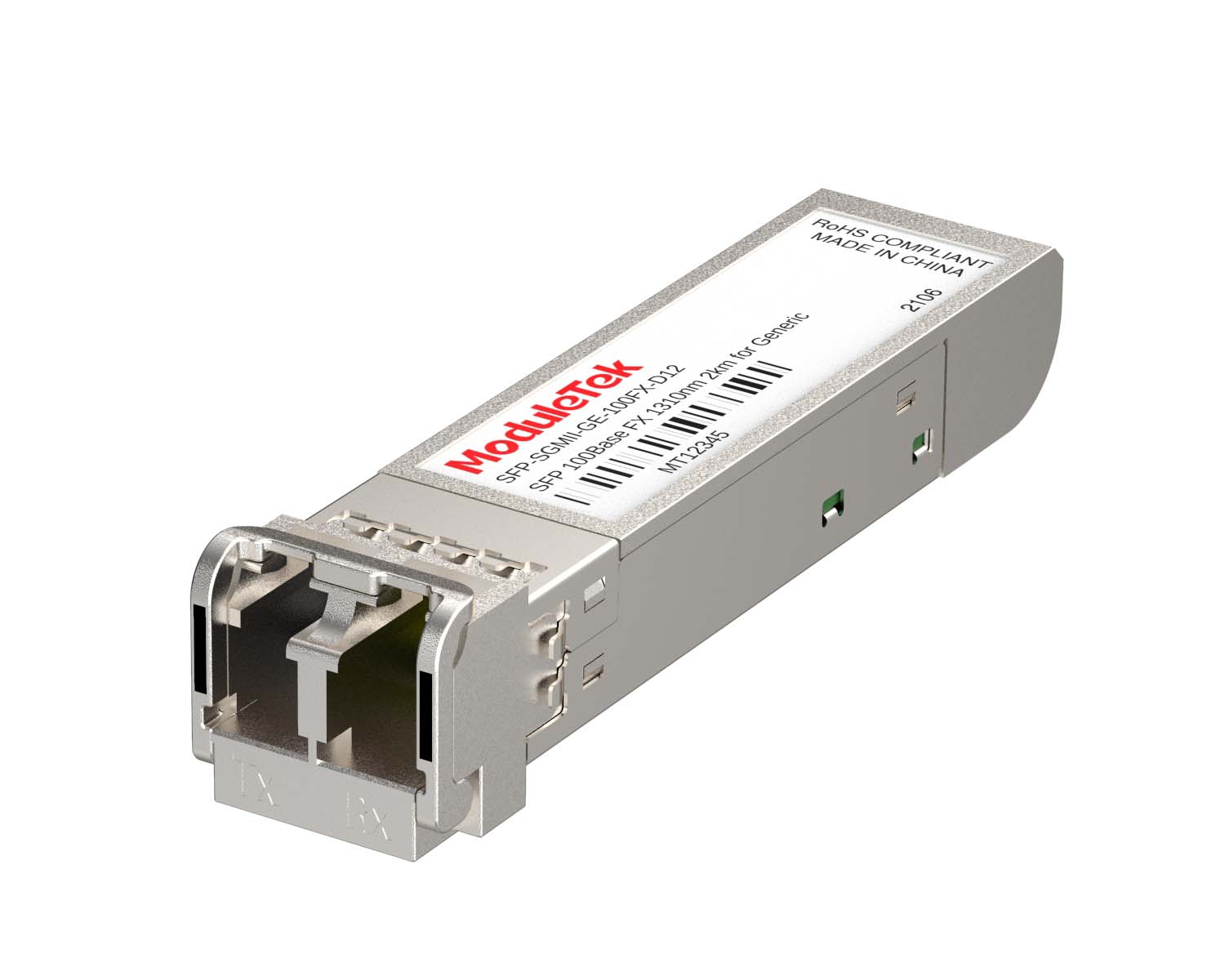 SGMII Port Optical Transceivers
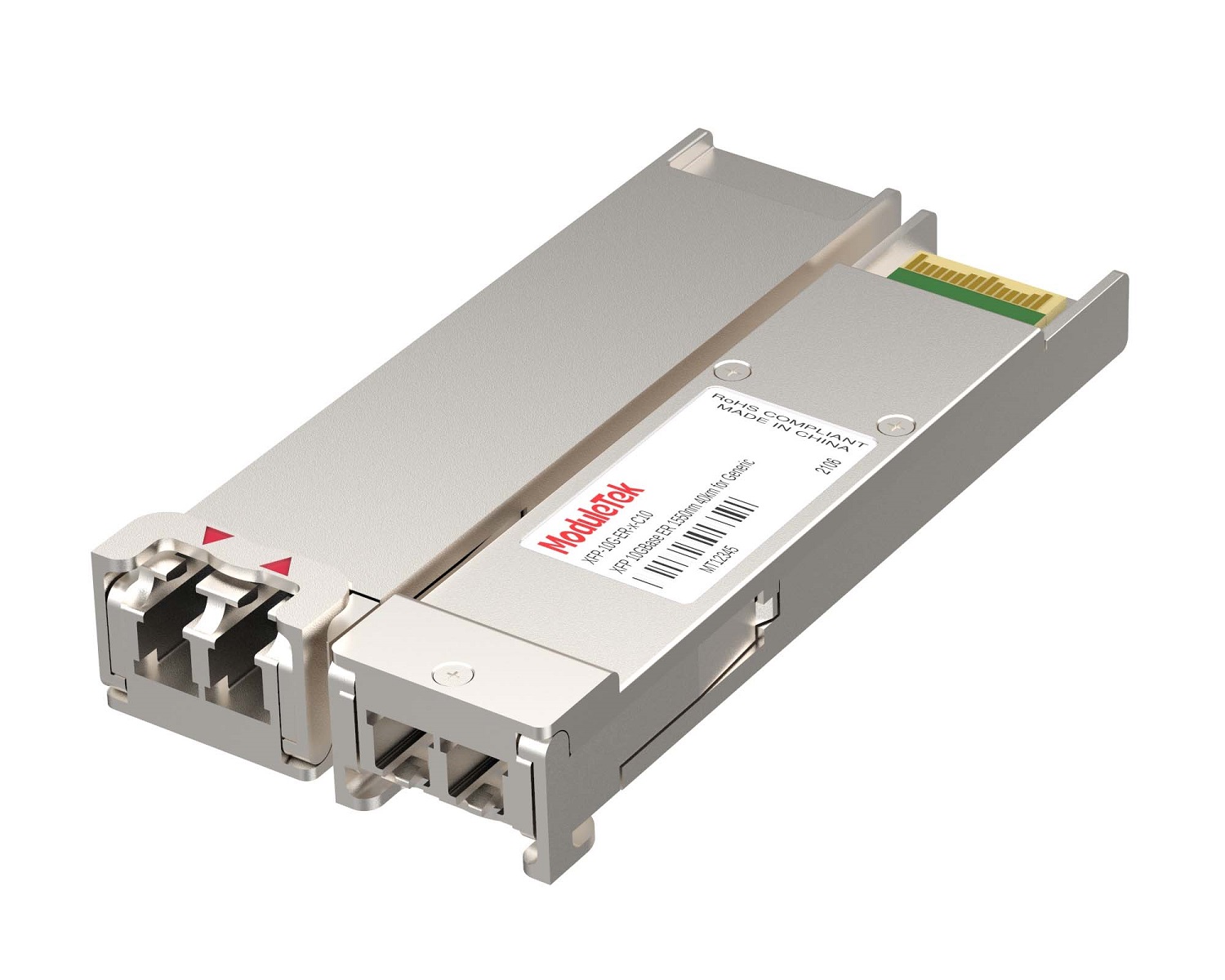 XFP Optical Transceivers
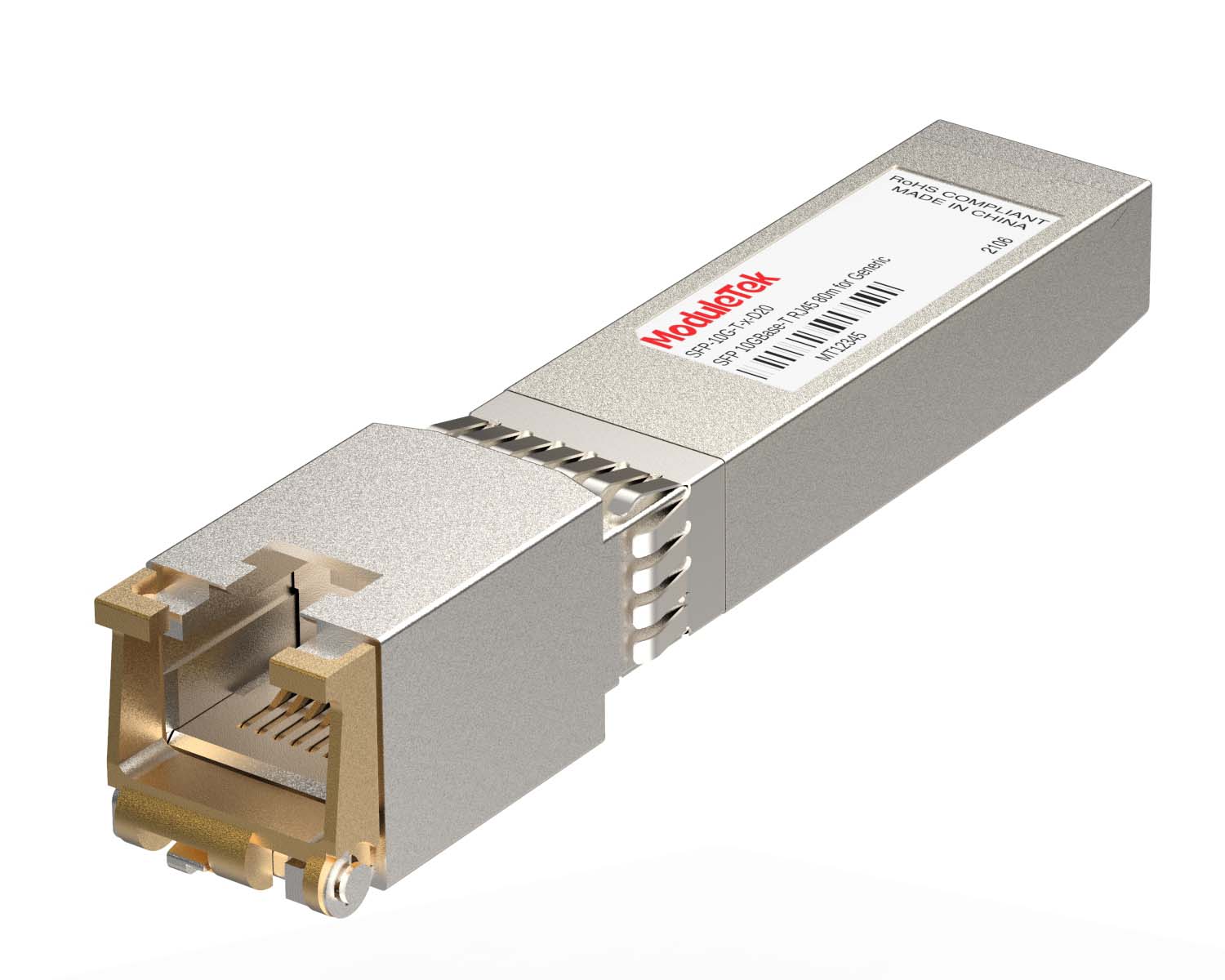 100M/1G/10G Coppers
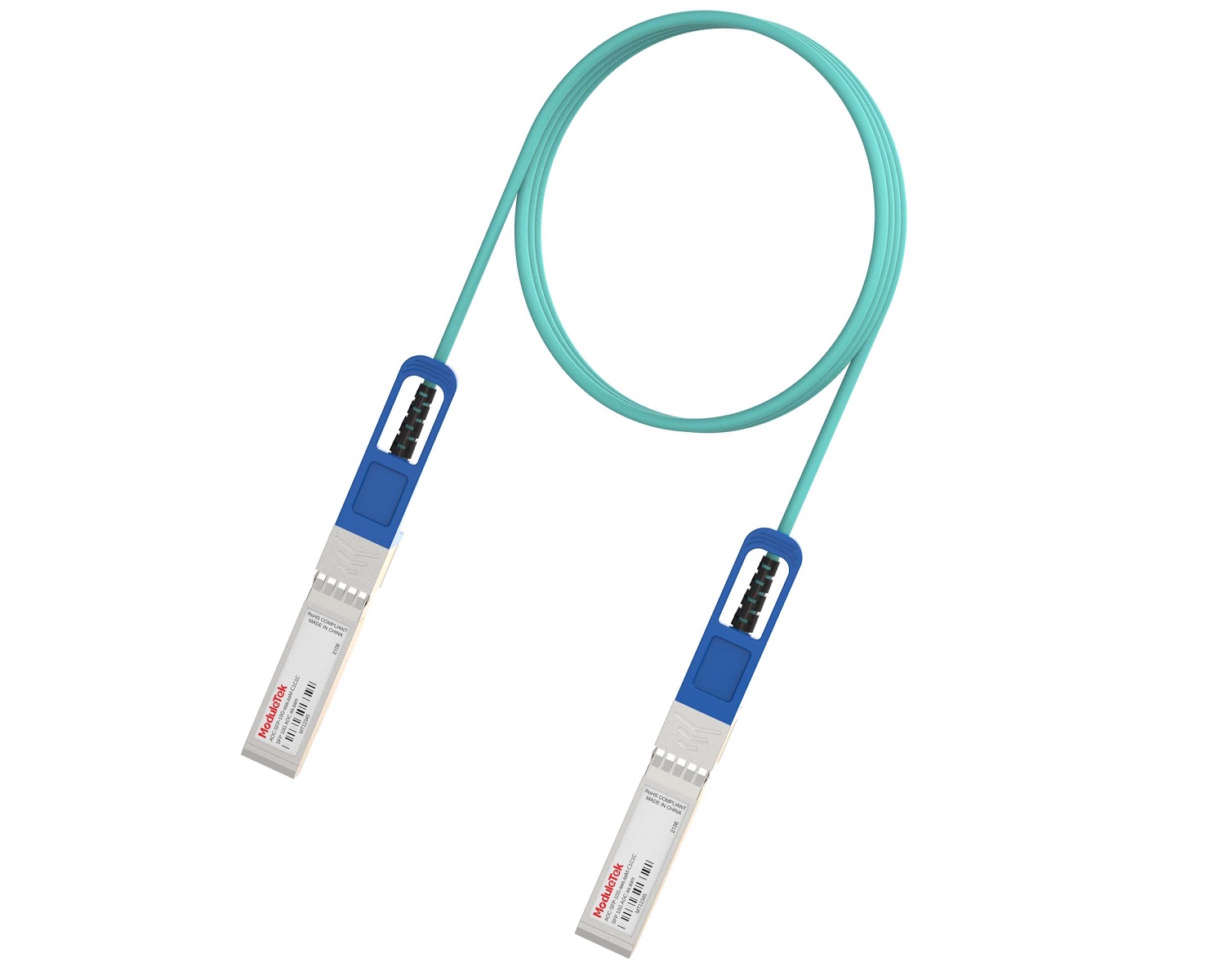 Full-Rate AOC & Breakout Series
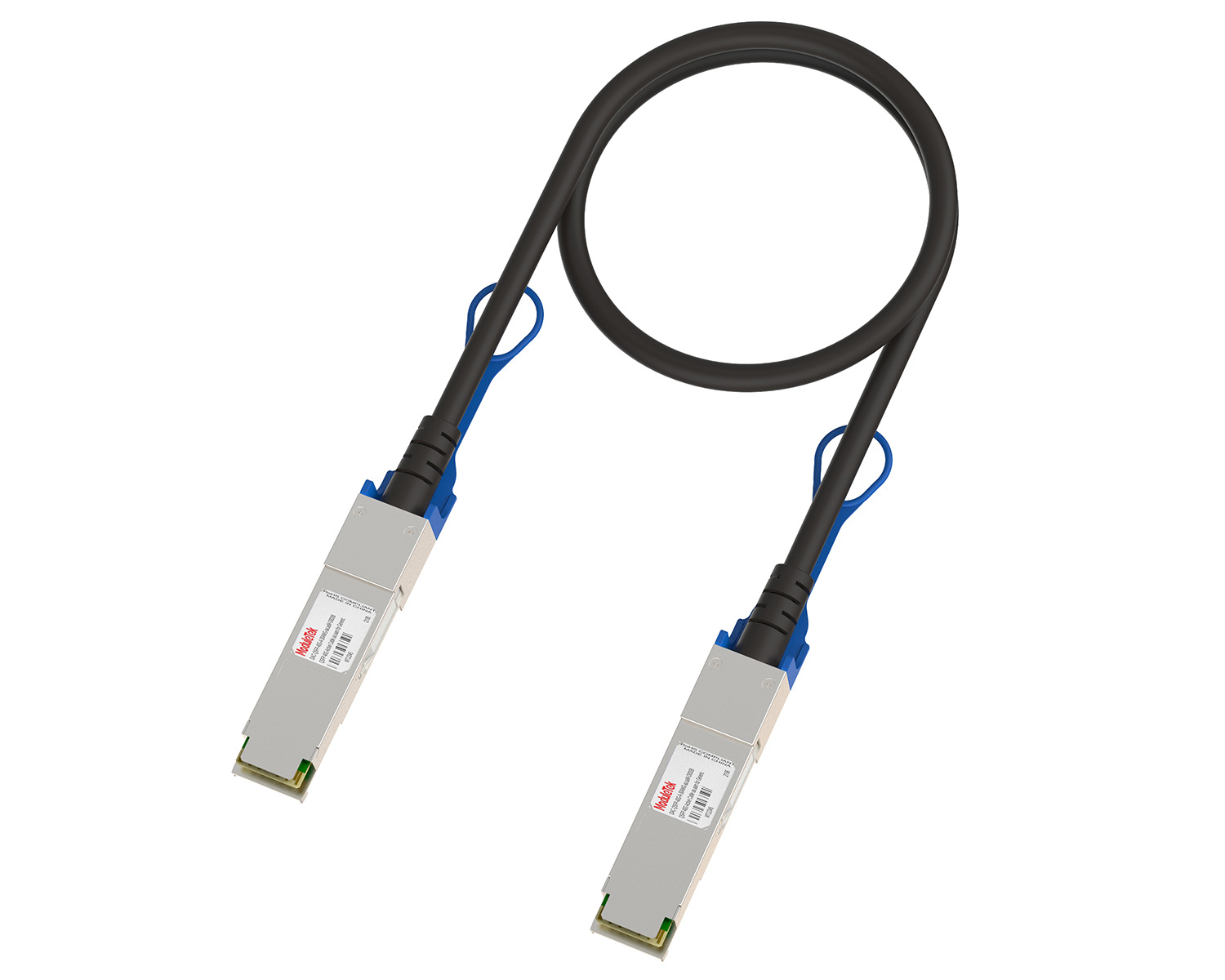 10G/40G Active DAC Series
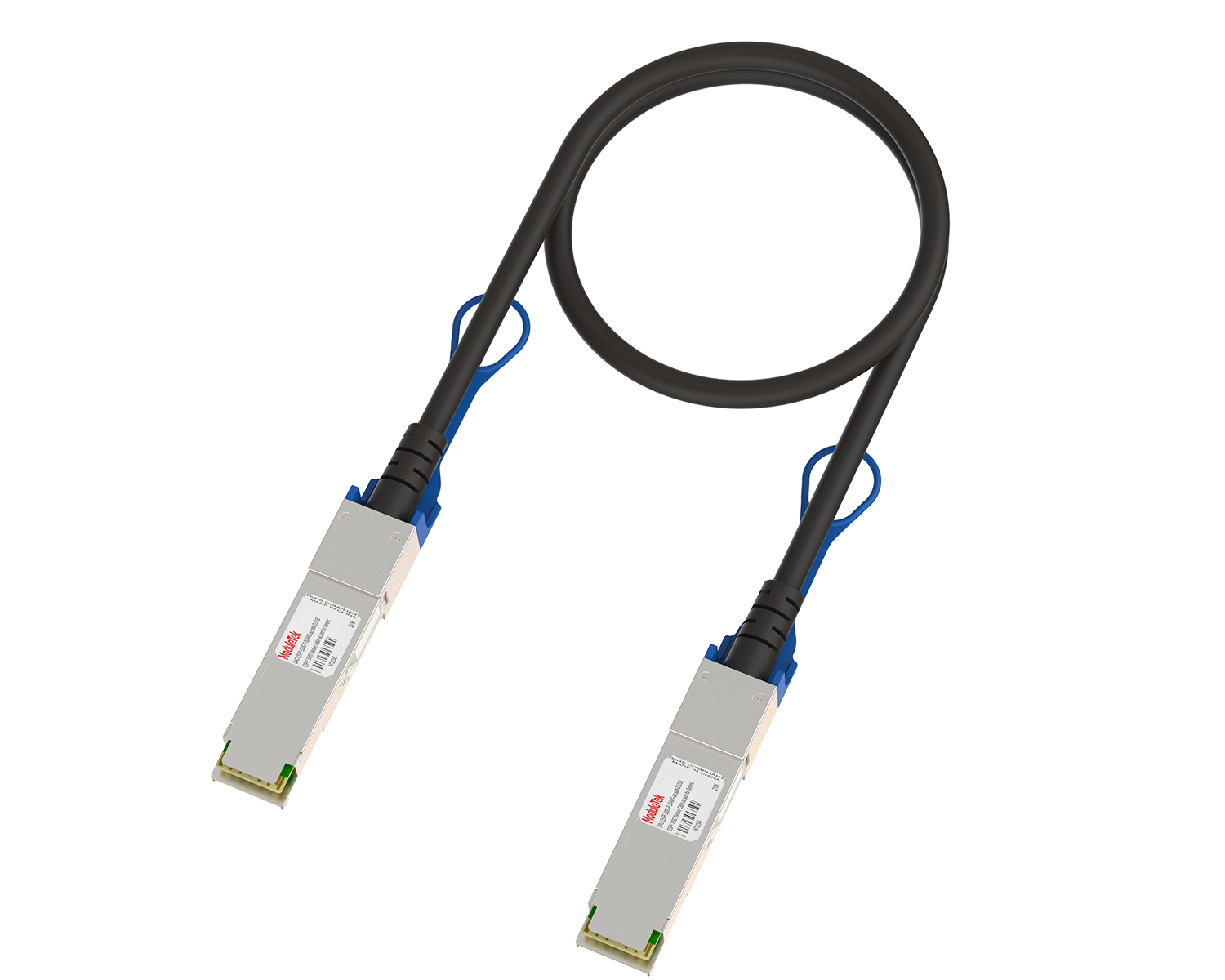 Full-Rate Passive DAC Series
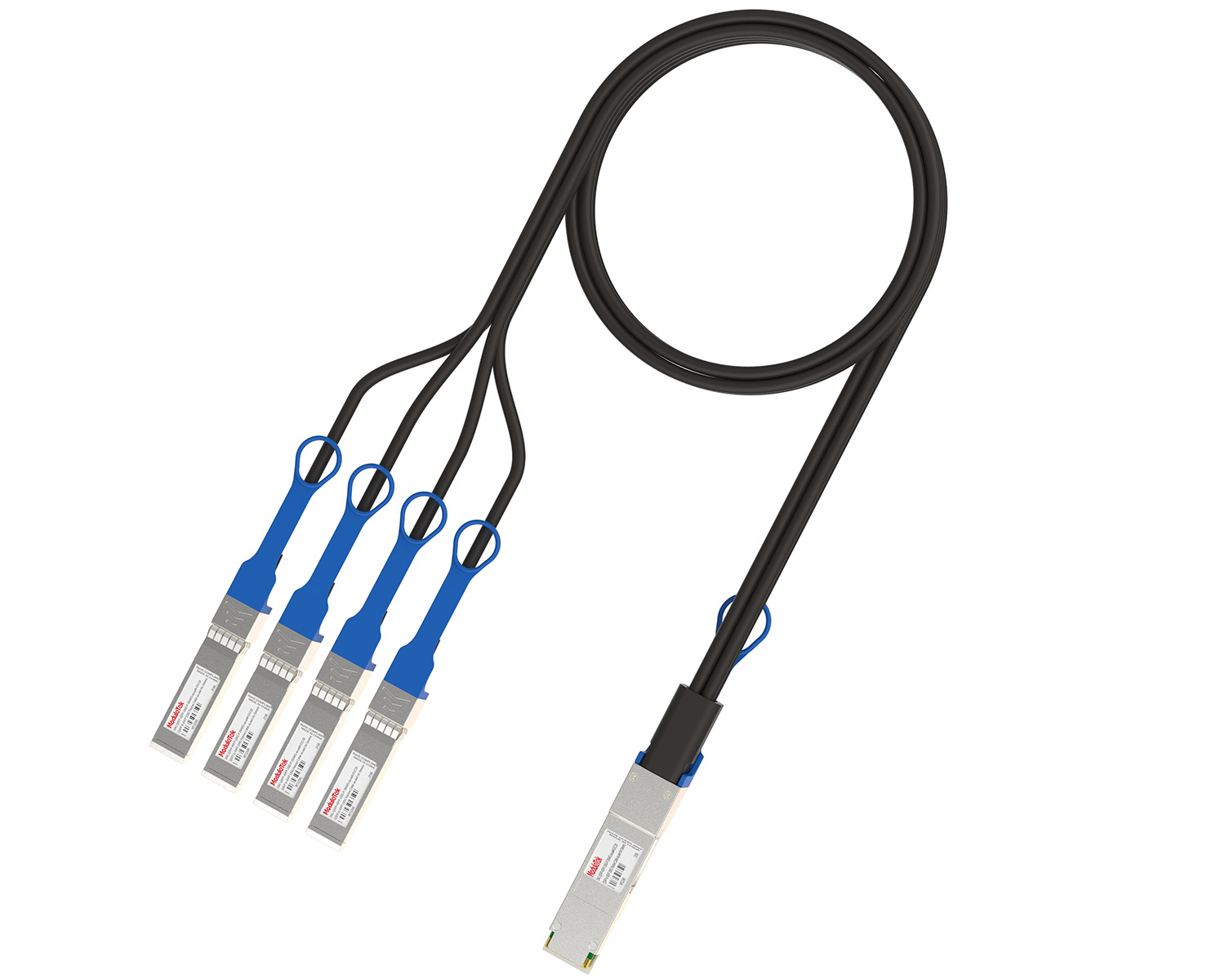 40G/100G Passive Breakout DAC Series
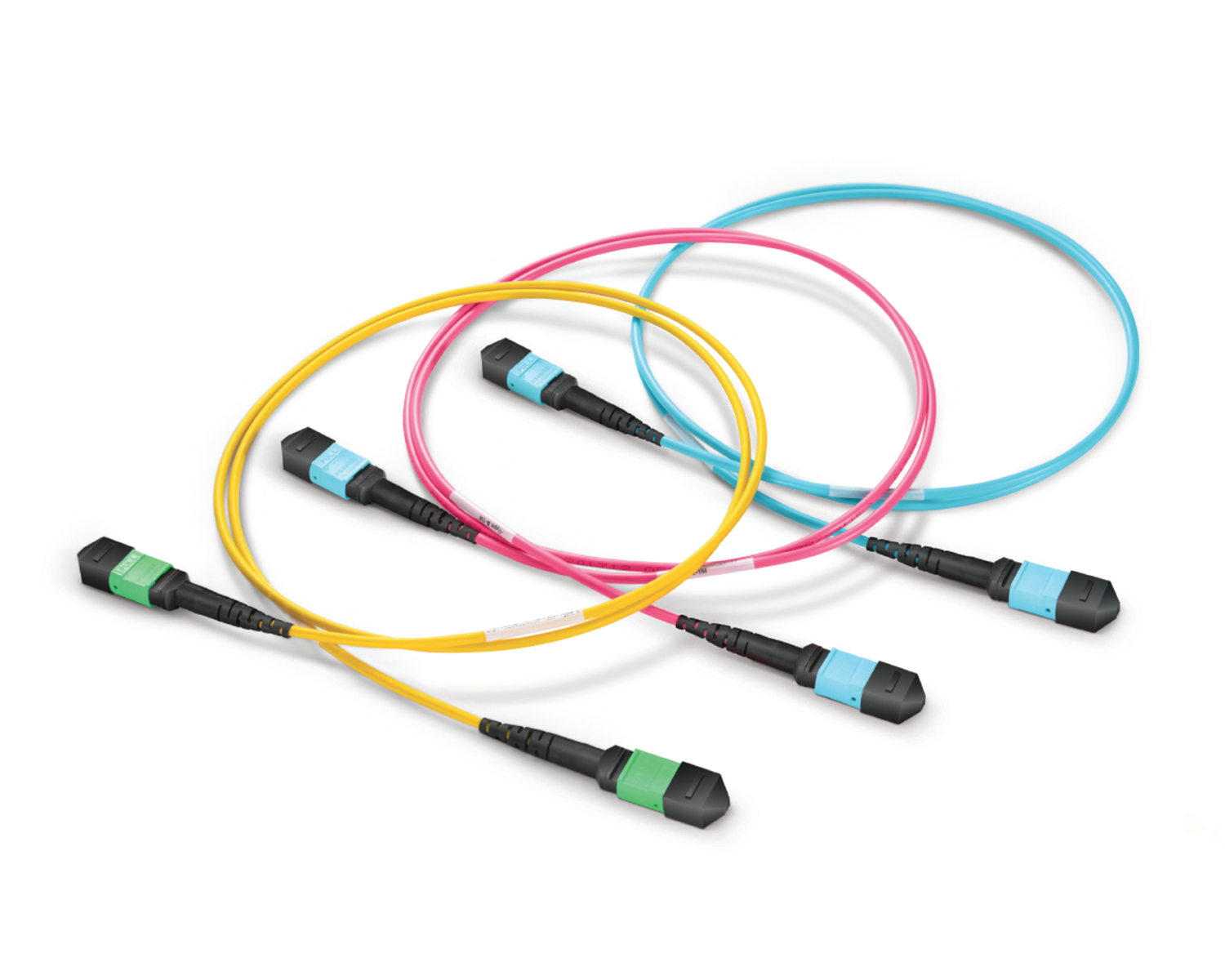 Regular/MTP-MPO Fiber Patch Cords
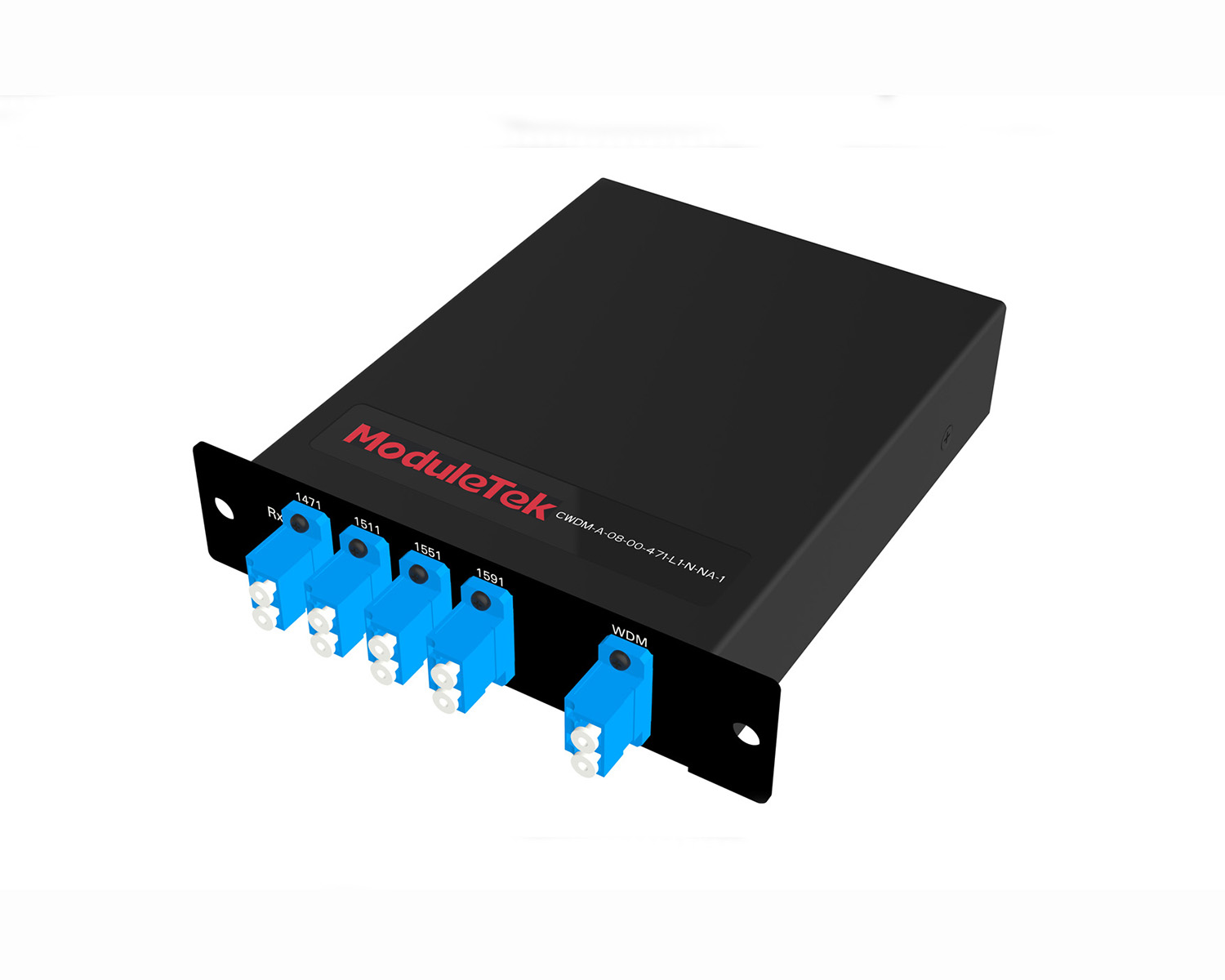 MT2011
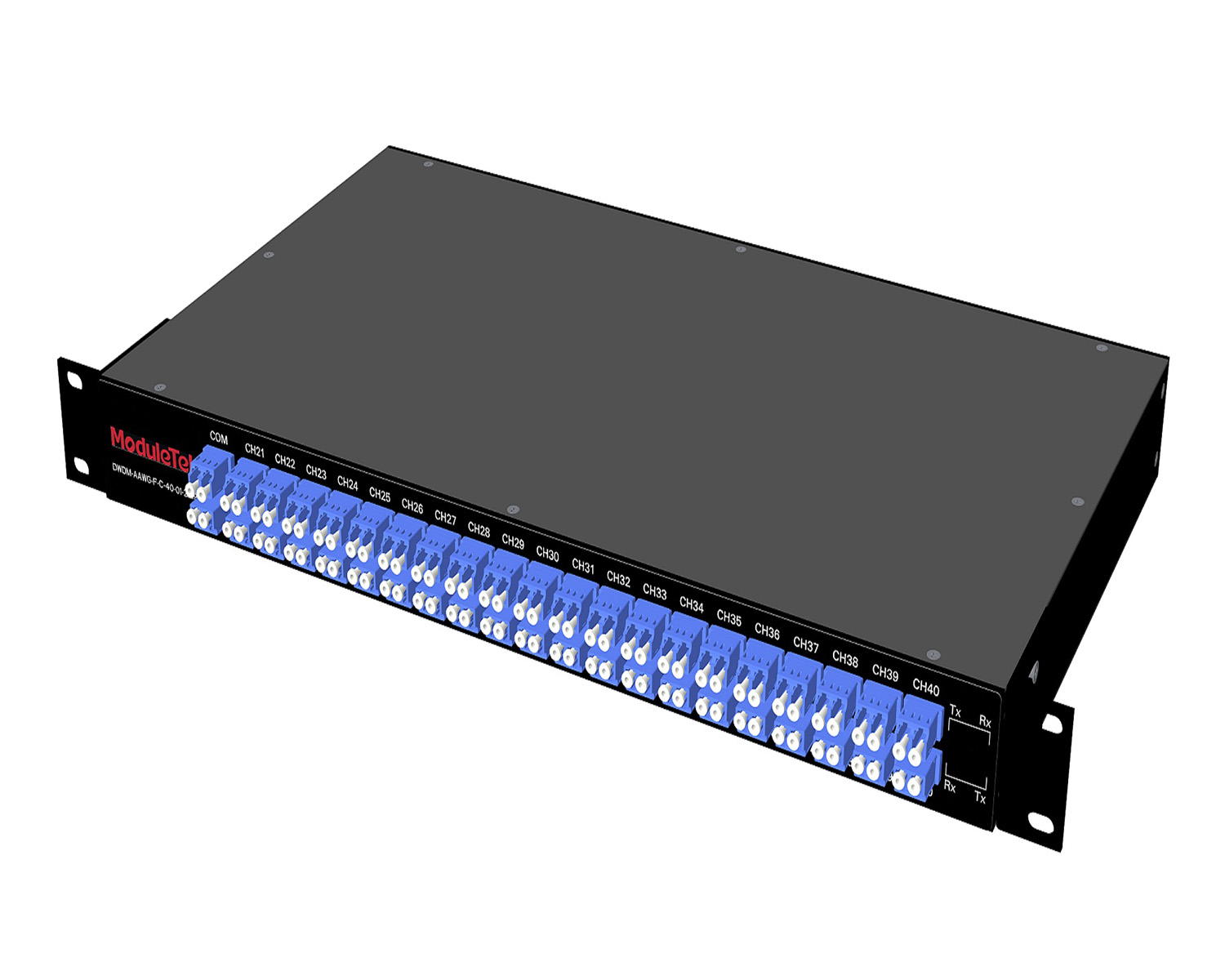 MT2010
 CodingBox
 QSFP to SFP Adapter
BiDi Optical Module: Features And Applications
Time: 2020-03-29
1. What is a BiDi Optical Module?
A BiDi (Bidirectional) optical module adopts WDM (Wavelength Division Multiplexing) bidirectional transmission technology, enabling simultaneous bidirectional transmission within an optical channel over a single optical fiber. Unlike conventional optical modules (which have two fiber jacks, as shown in Figure 1), BiDi optical modules have only one jack (as shown in Figure 2). They transmit and receive signals over a single optical fiber via an integrated bidirectional coupler.
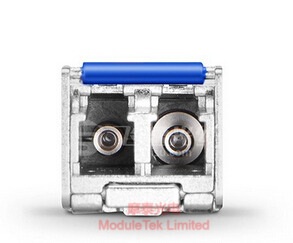
Figure 1 Fiber Optic Jack of a Conventional Optical Module
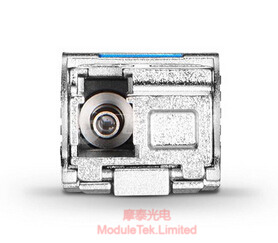
Figure 2 Fiber Optic Jack of a BiDi Optical Module
2. Working Principle of BiDi Optical Modules
The key difference between BiDi optical modules and conventional dual-fiber bidirectional optical modules lies in the integration of a WDM coupler (also called a duplexer) in BiDi modules. This component converges and separates data transmitted over a single fiber based on different wavelengths, so BiDi modules are also classified as WDM optical modules.
BiDi optical modules must be used in pairs to achieve bidirectional data transmission. For example, if paired BiDi modules are connected to Device A (uplink) and Device B (downlink), the duplexer of Module A must have a receive wavelength of 1550 nm and a transmit wavelength of 1310 nm, while the duplexer of Module B must have a receive wavelength of 1310 nm and a transmit wavelength of 1550 nm. The working principle of the duplexer in bidirectional optical Ethernet modules is shown in Figure 3.
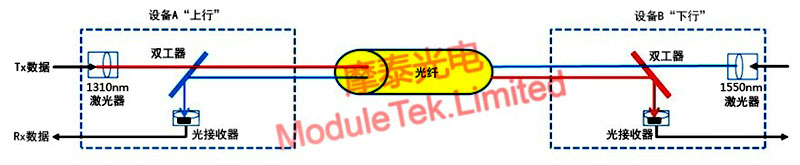
Figure 3 Working Principle of Duplexer in Bidirectional Optical Ethernet Optical Modules
3. Advantages of BiDi Optical Modules and Differences from Dual-Fiber Modules
The most prominent advantage of BiDi modules (such as SFP+ BiDi and SFP BiDi modules) is the reduction in fiber optic cabling infrastructure costs. They decrease the number of ports on fiber optic patch panels, fiber management trays, and the total number of optical fibers required. Although BiDi modules (WDM modules) are more expensive than traditional dual-fiber bidirectional modules, they use half the number of optical fibers per unit distance.
For most networks, the cost savings from reducing fiber usage far outweigh the higher purchase price of BiDi modules. The core differences between BiDi (single-fiber bidirectional) modules and dual-fiber bidirectional modules are as follows:
• BiDi modules adopt WDM technology, while dual-fiber modules do not.
• BiDi modules must be used in pairs, whereas dual-fiber modules do not require pairing.
• BiDi modules have a more complex structure, as they integrate an optical coupler, while dual-fiber modules do not.
• BiDi modules only need one optical fiber for connection, while dual-fiber modules require two.
From an application perspective, BiDi modules have a slightly higher cost but save fiber resources, making them an ideal choice for users with insufficient fiber resources. Dual-fiber modules do not require pairing (any two can be connected), are cheaper than BiDi modules, but consume one more fiber—suitable for scenarios with adequate fiber resources.
Moduletek provides the products mentioned in this application guide. Welcome to place your orders!
For further inquiries about the above content, please contact us at: sales@moduletek.com