
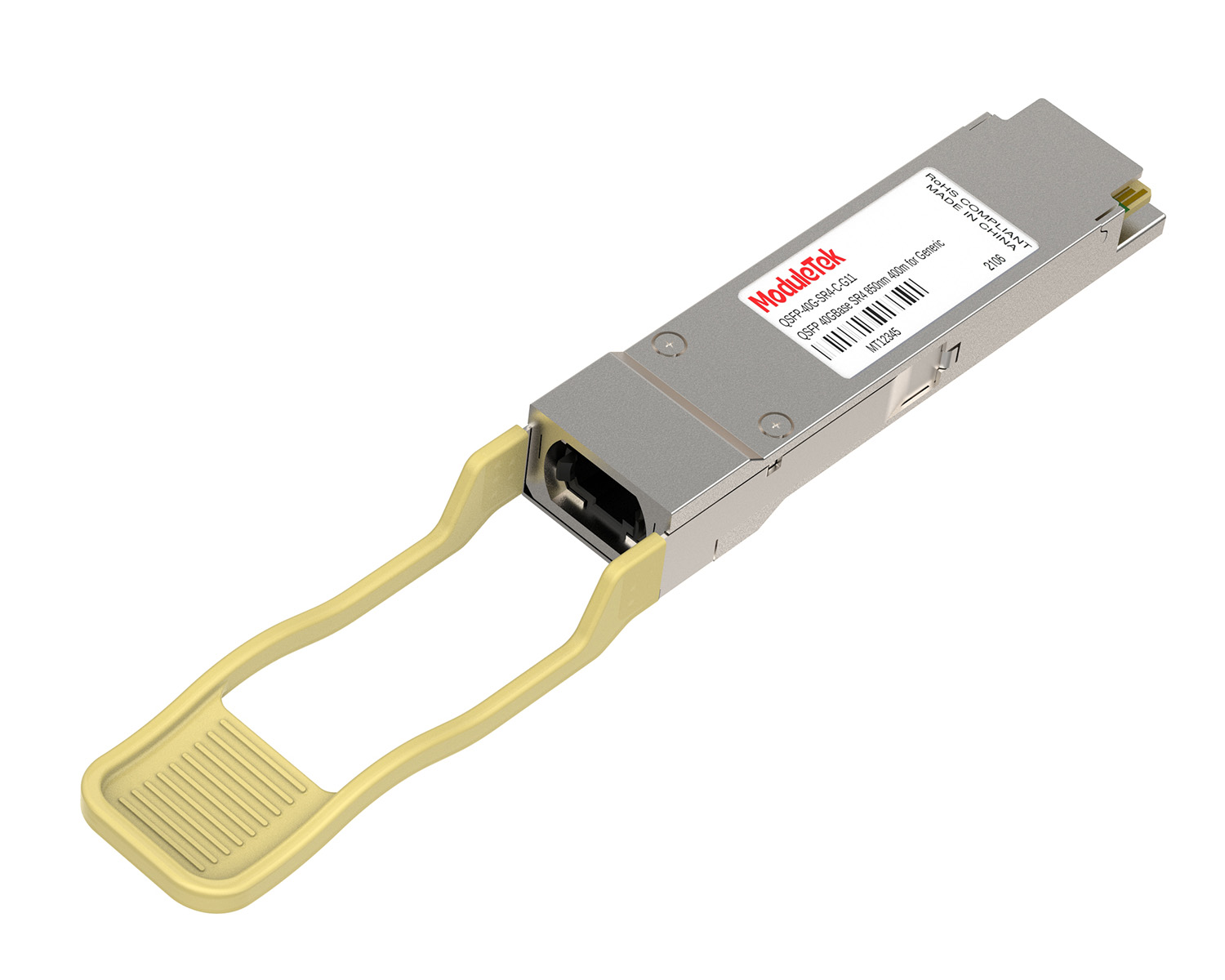
 40G/100G Optical Transceivers
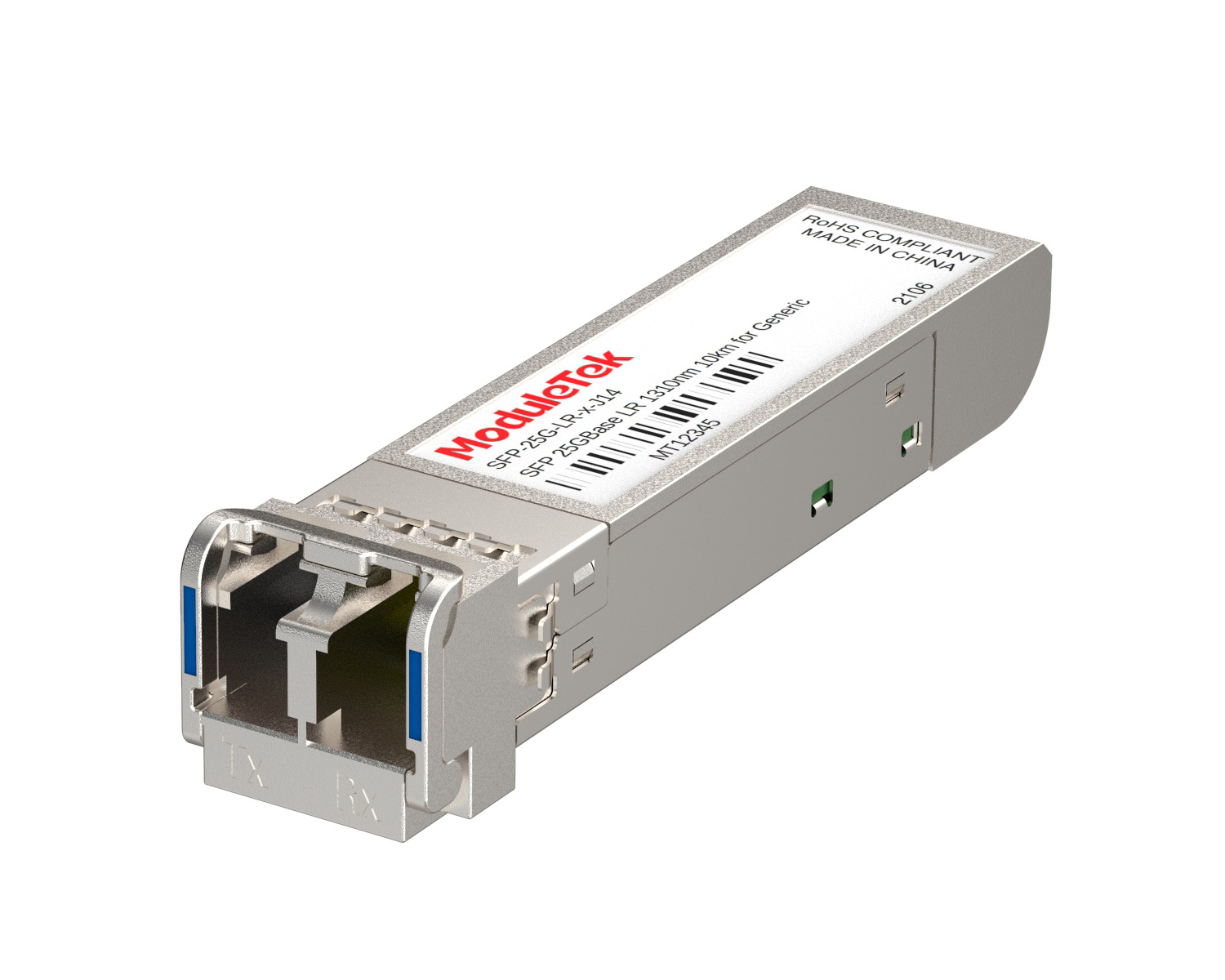 25G Optical Transceivers
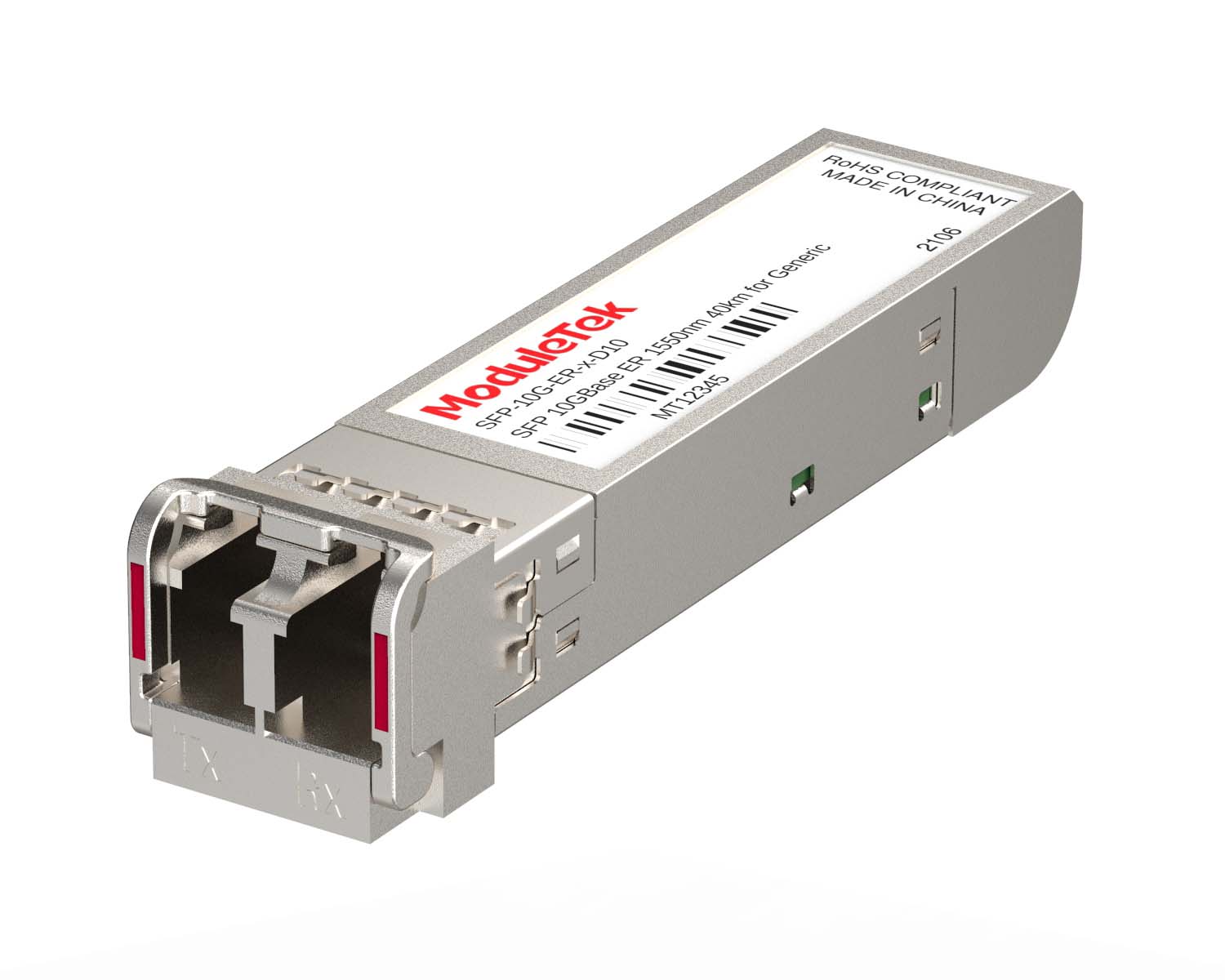 10G Optical Transceivers
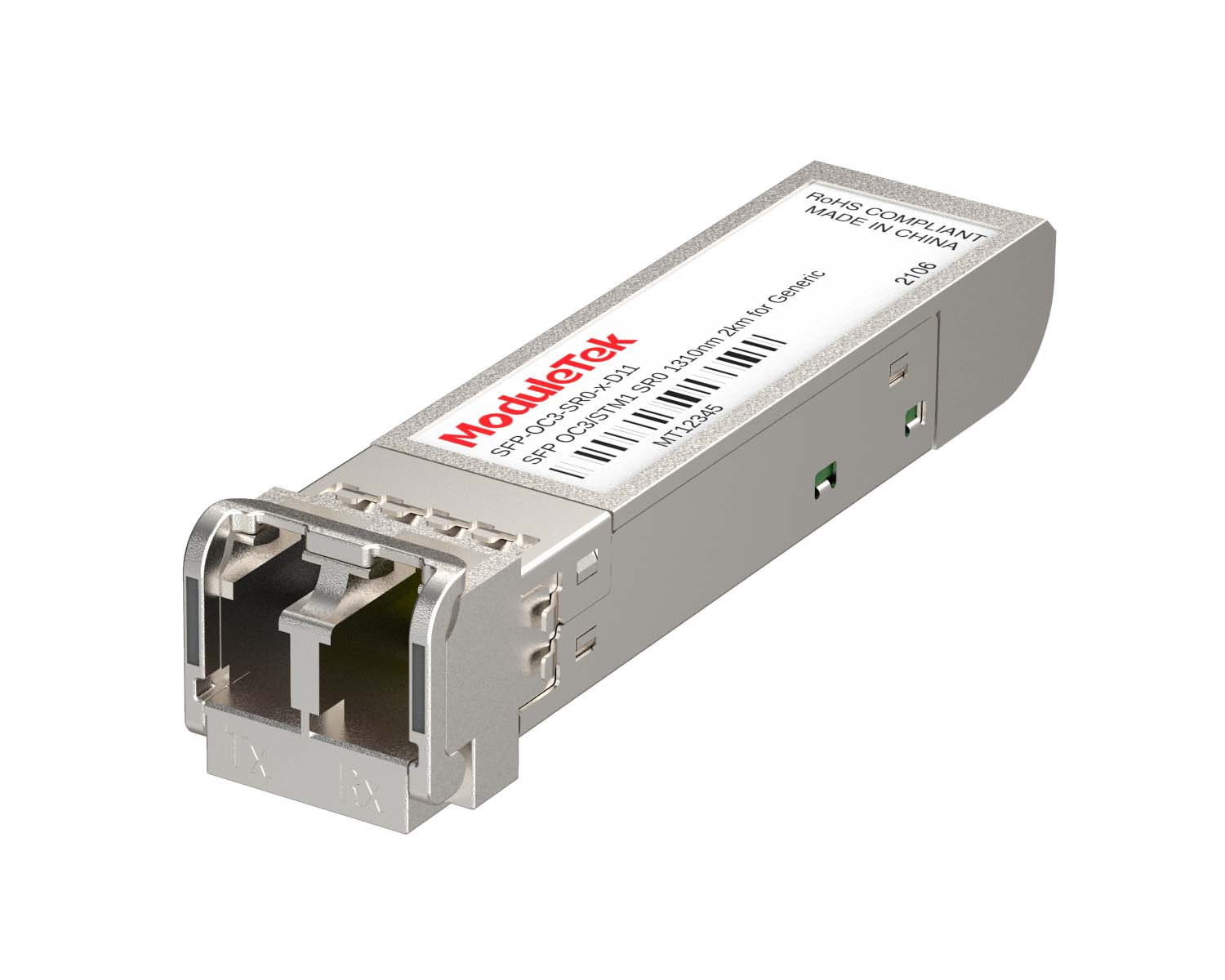 155M/2.5G Optical Transceivers
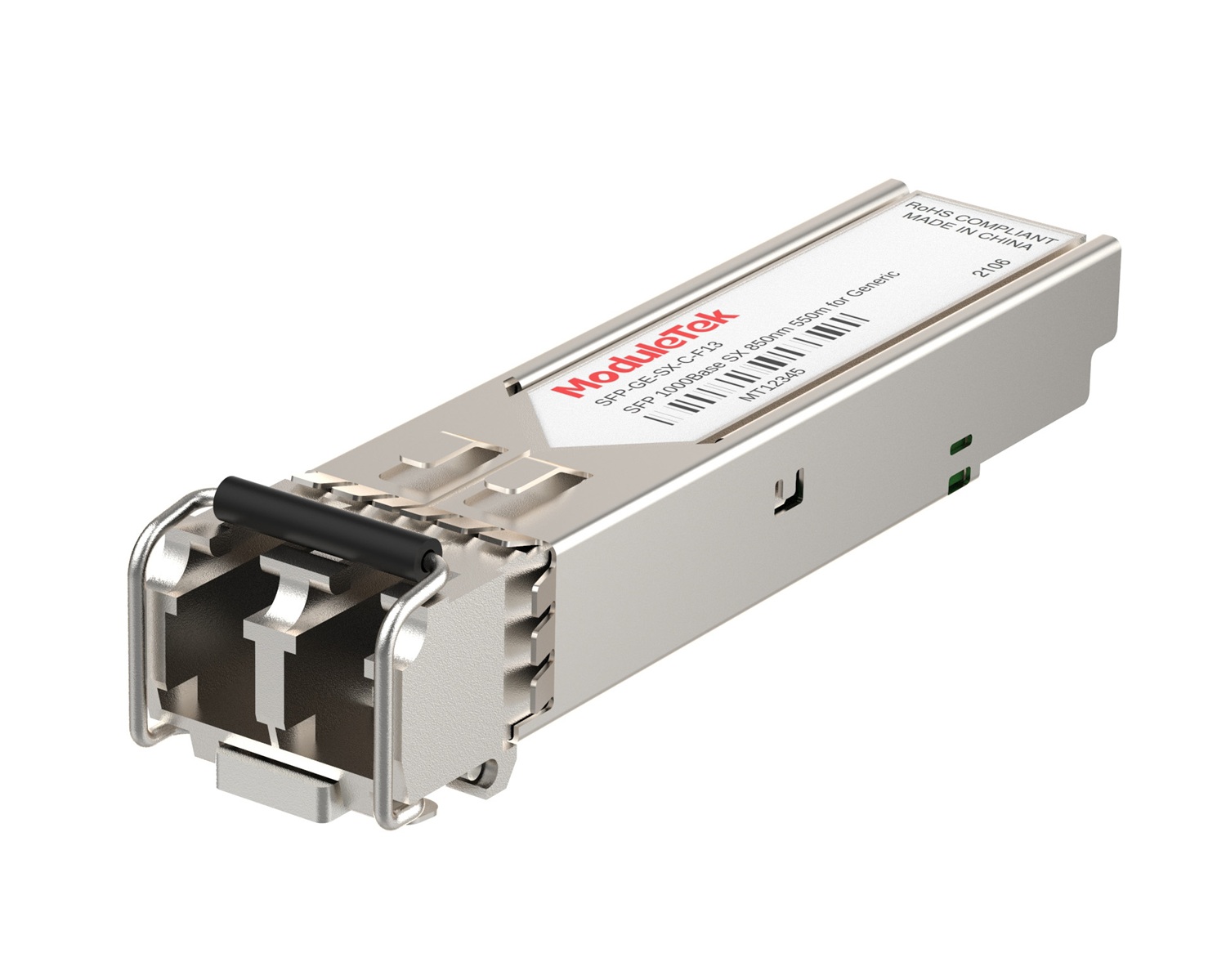 1G Optical Transceivers
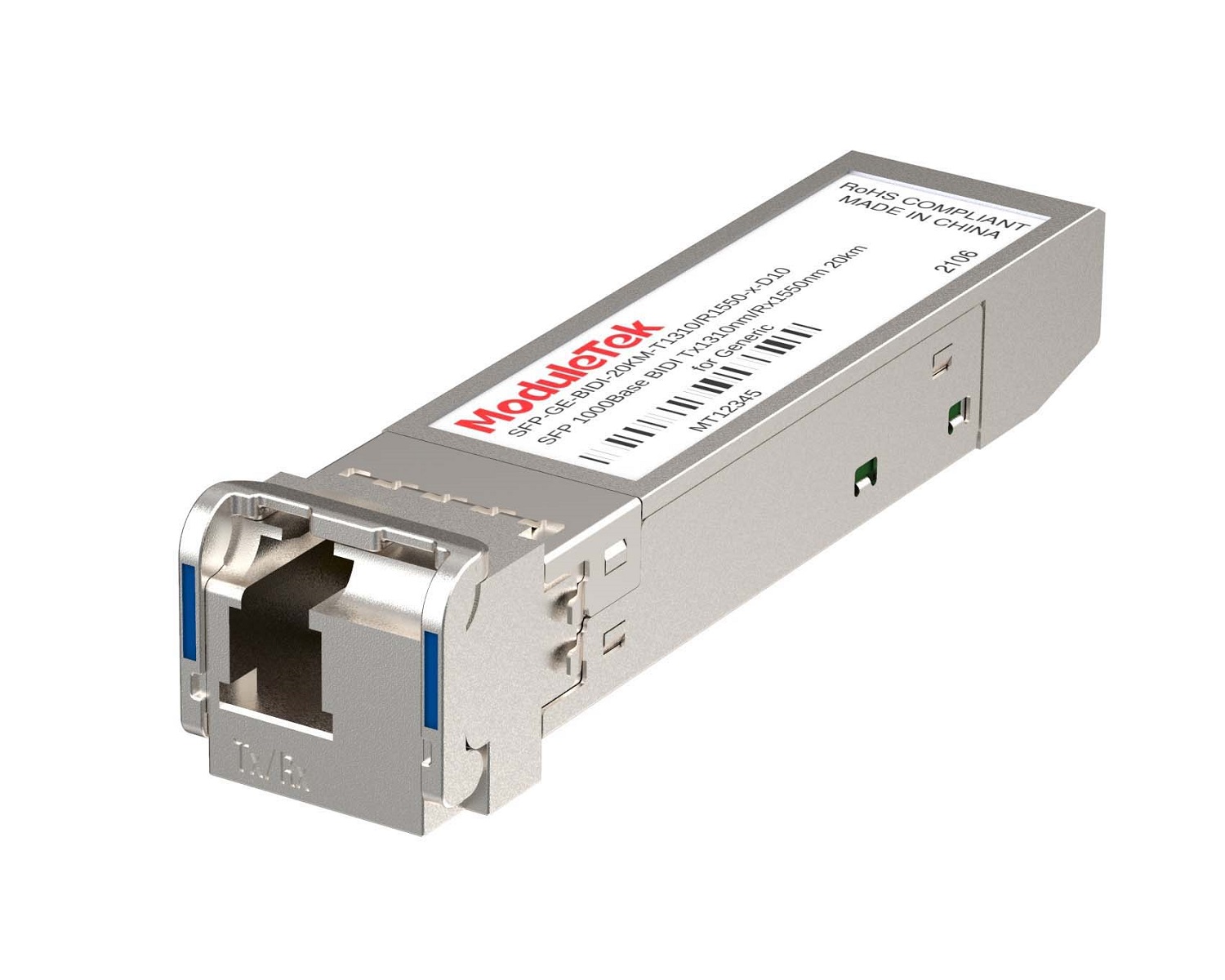 1G BIDI Optical Transceivers
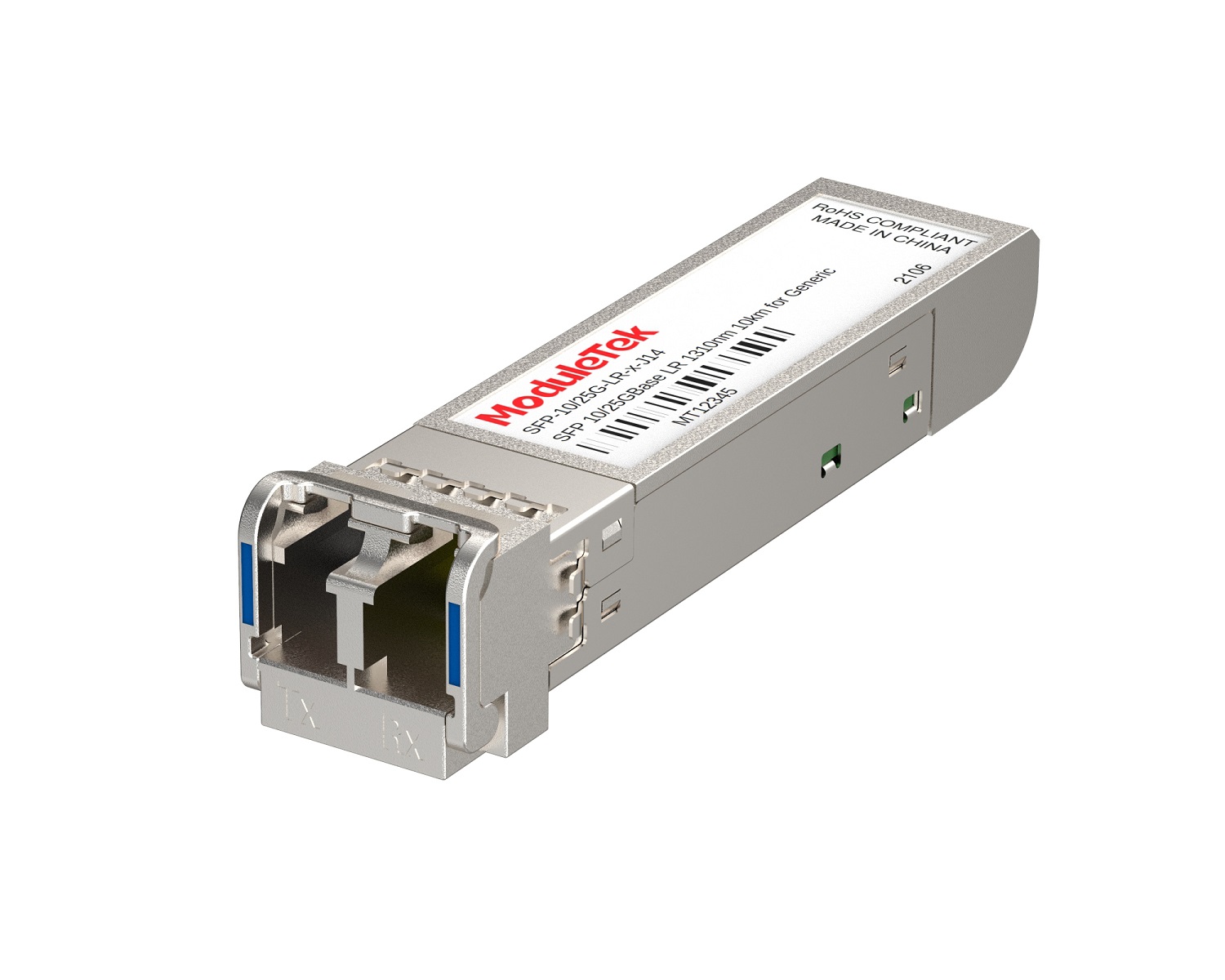 Dual-Rate Optical Transceivers
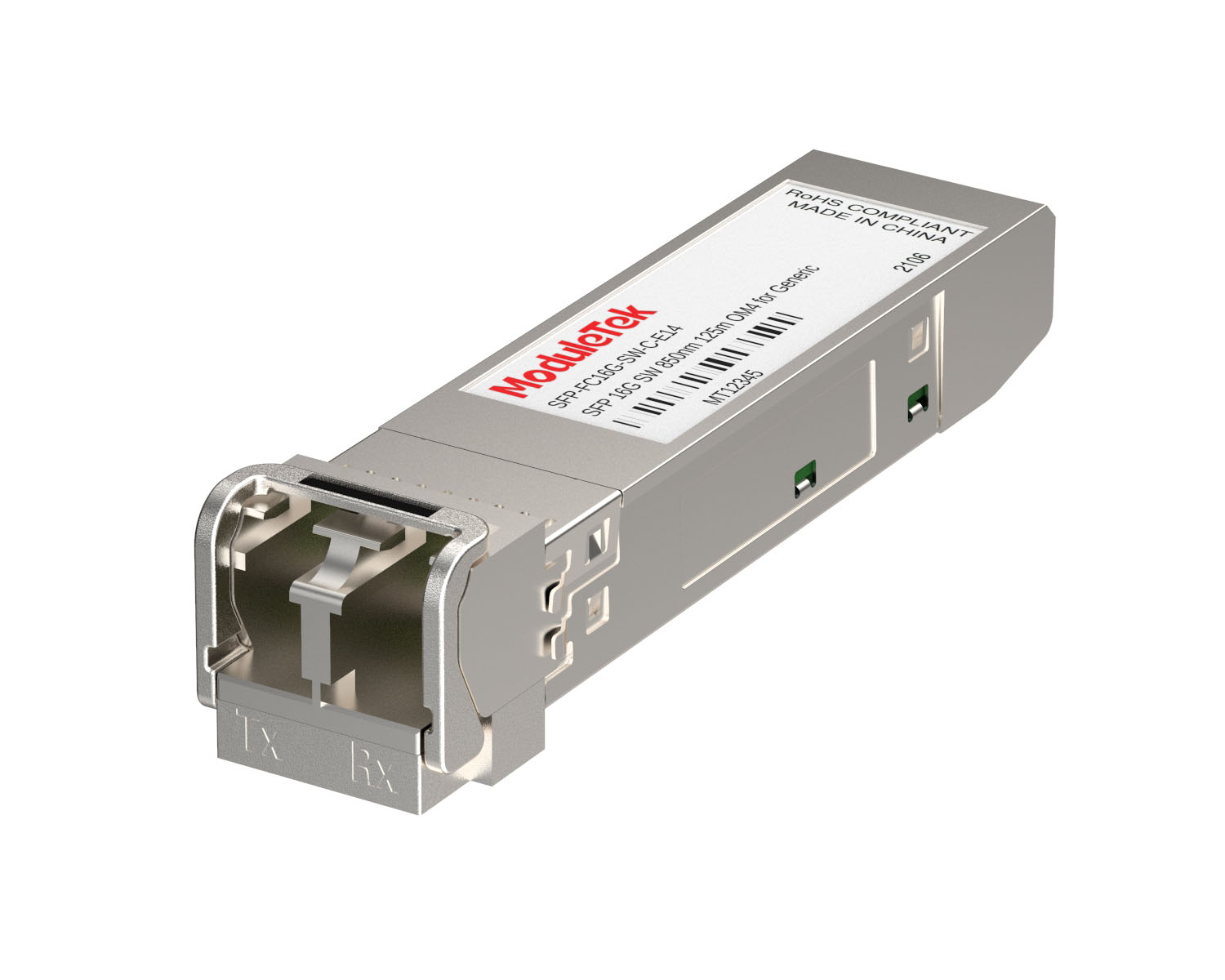 FC 16G/32G Optical Transceivers
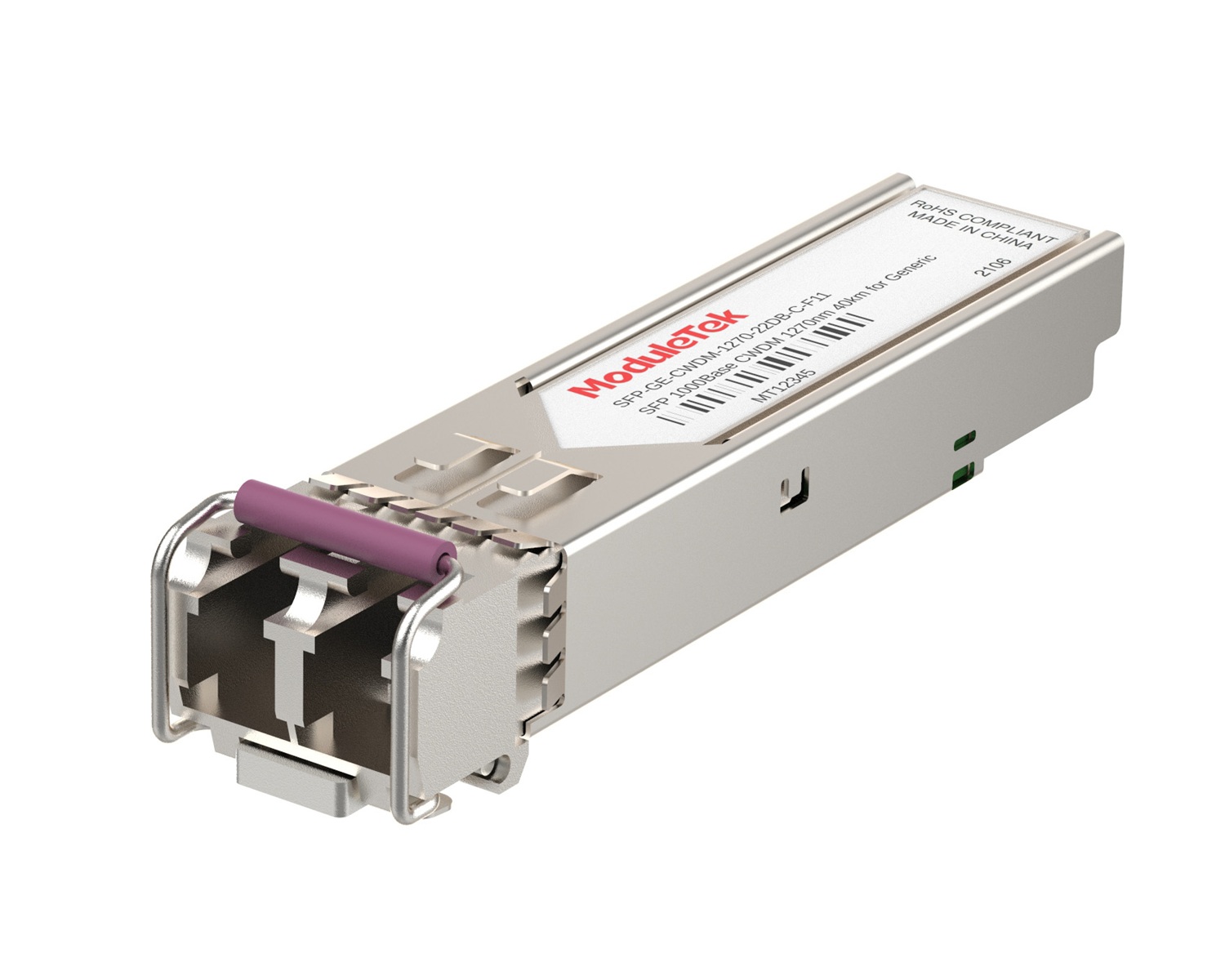 CWDM Optical Transceivers
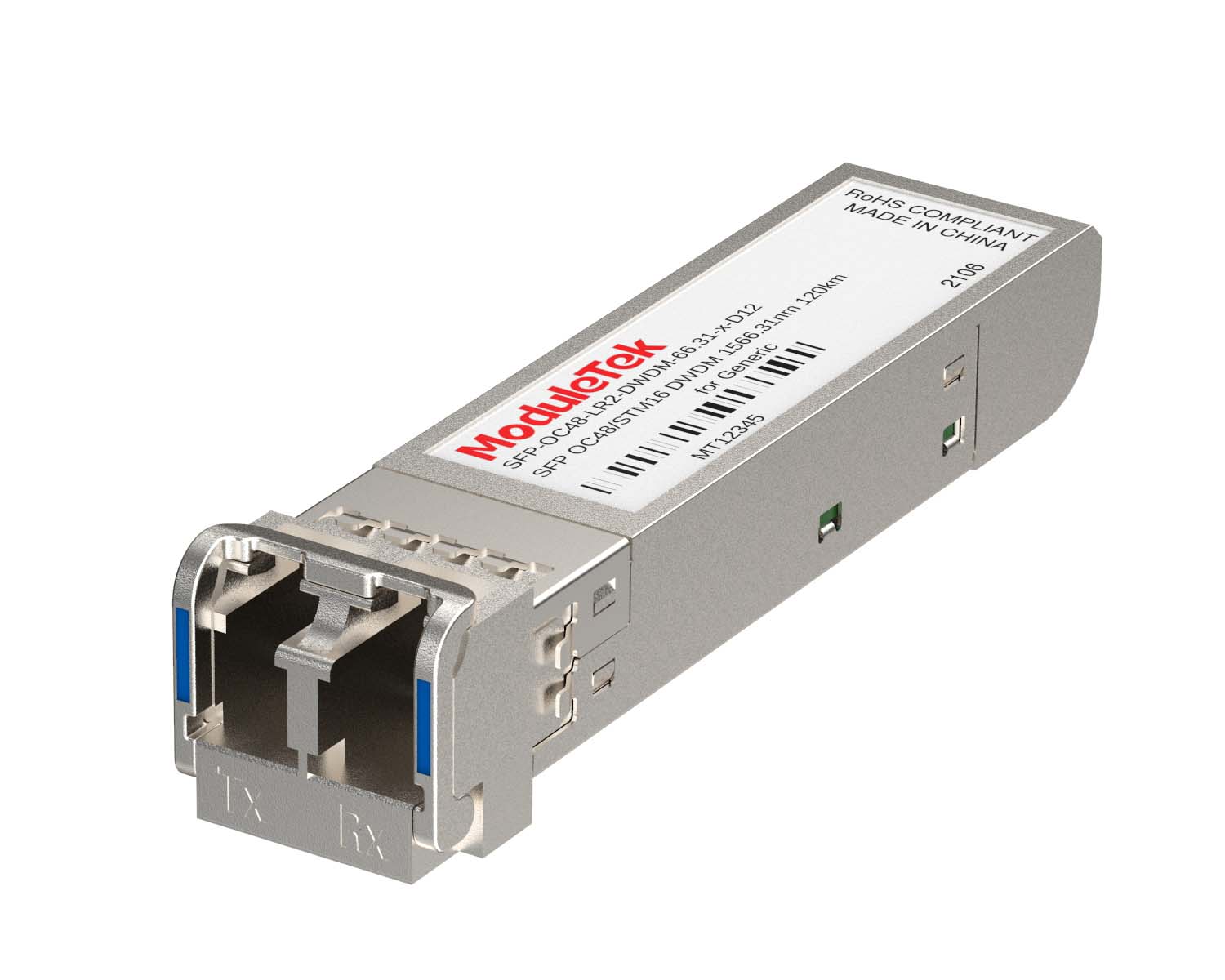 DWDM Optical Transceivers
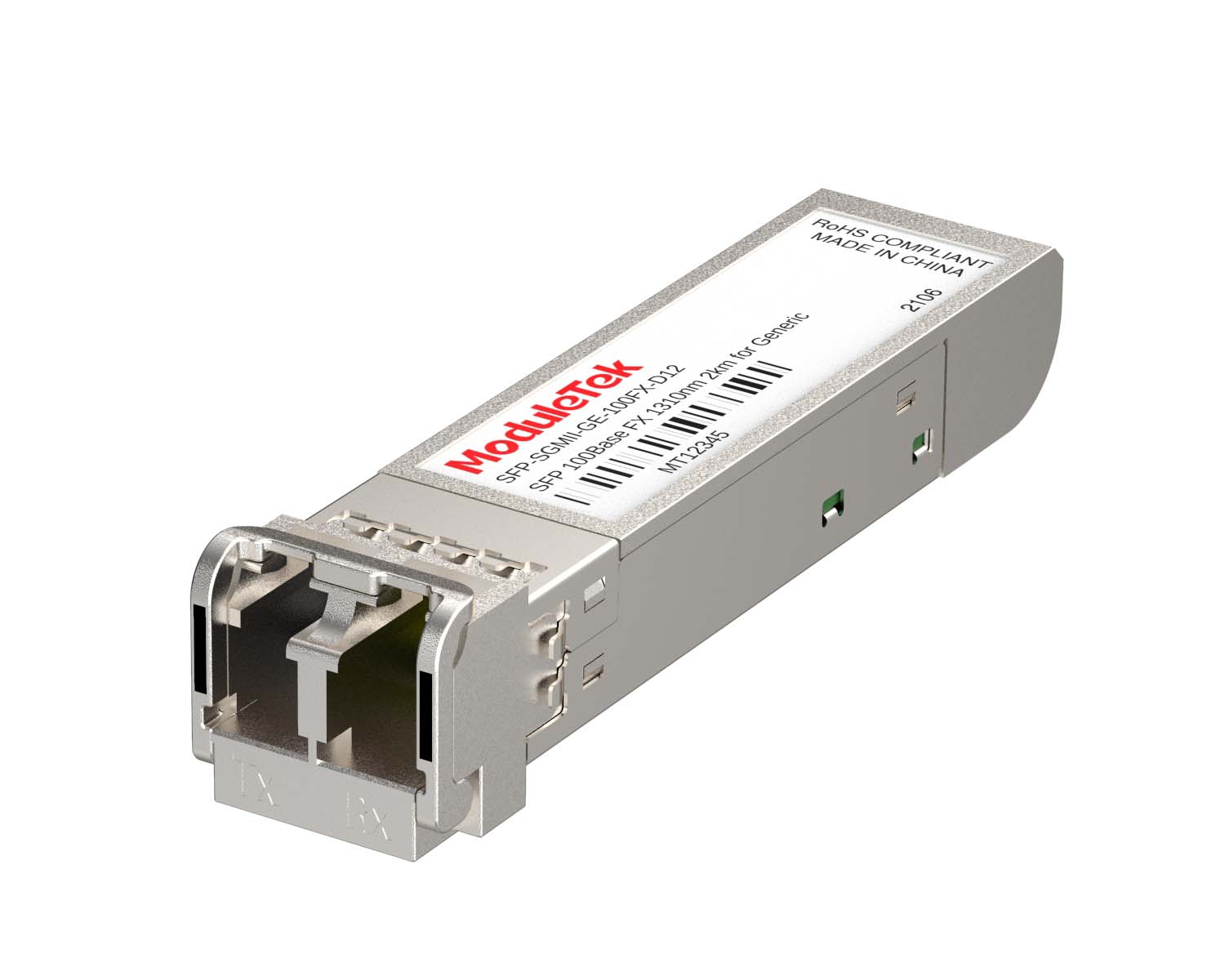 SGMII Port Optical Transceivers
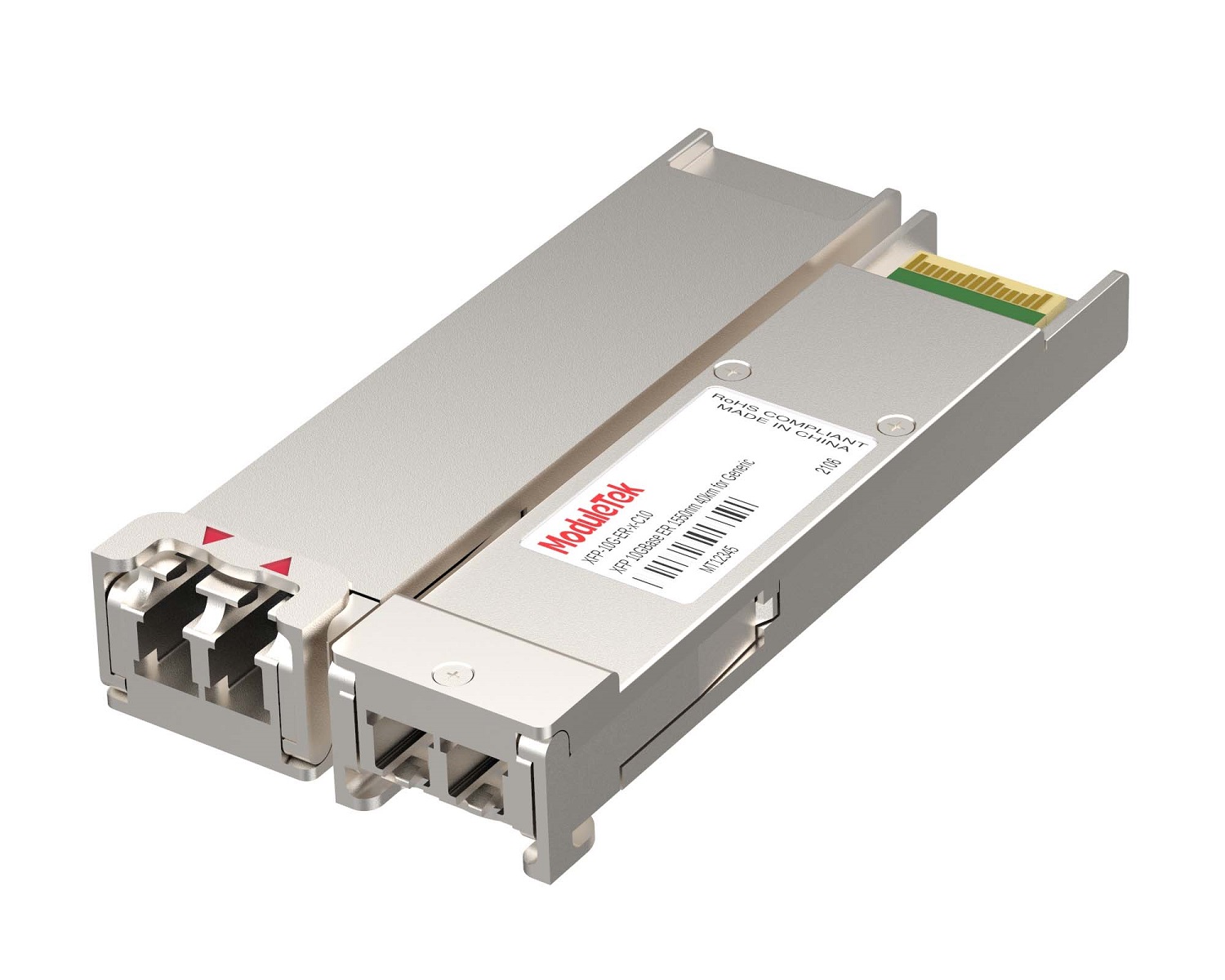 XFP Optical Transceivers
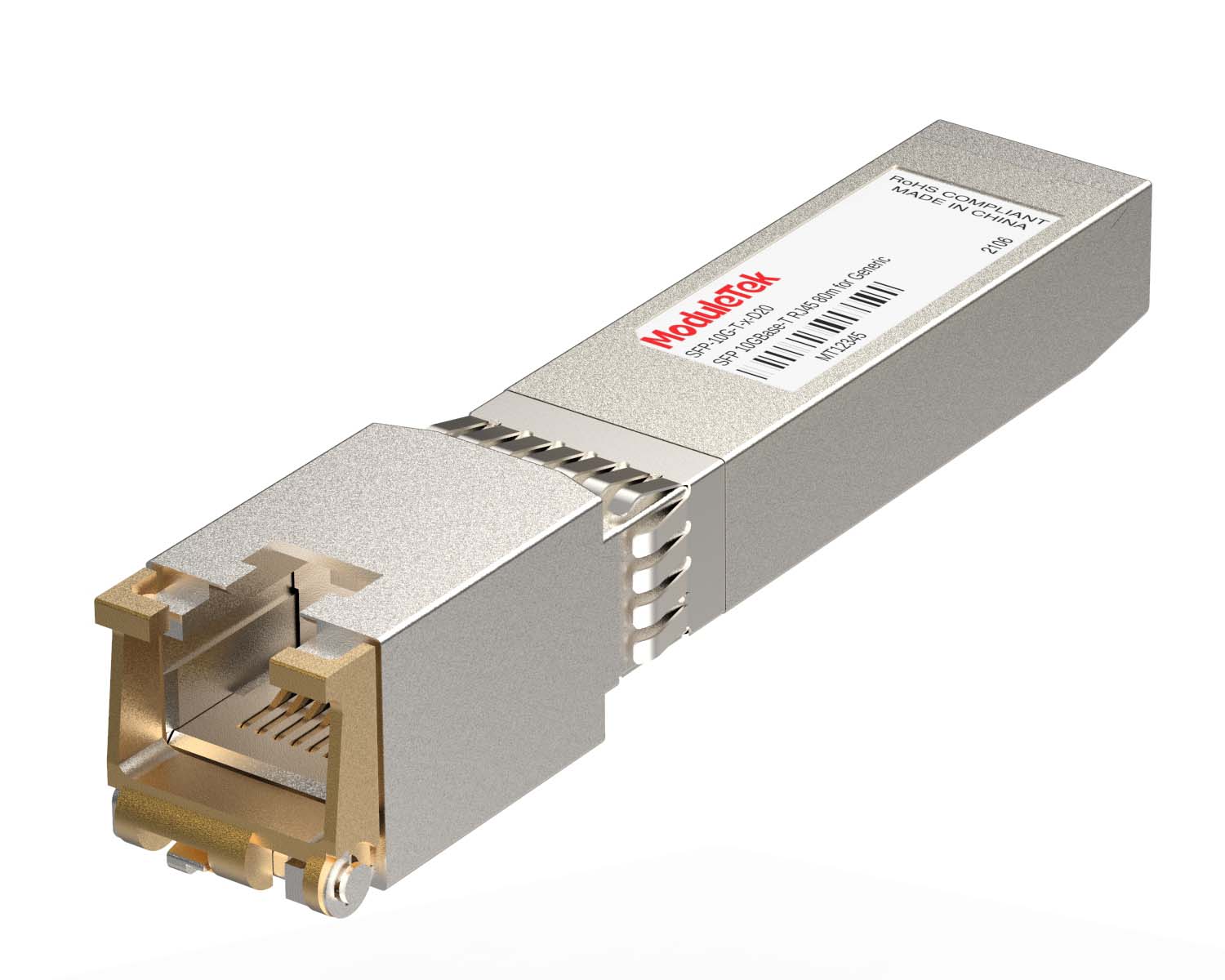 100M/1G/10G Coppers
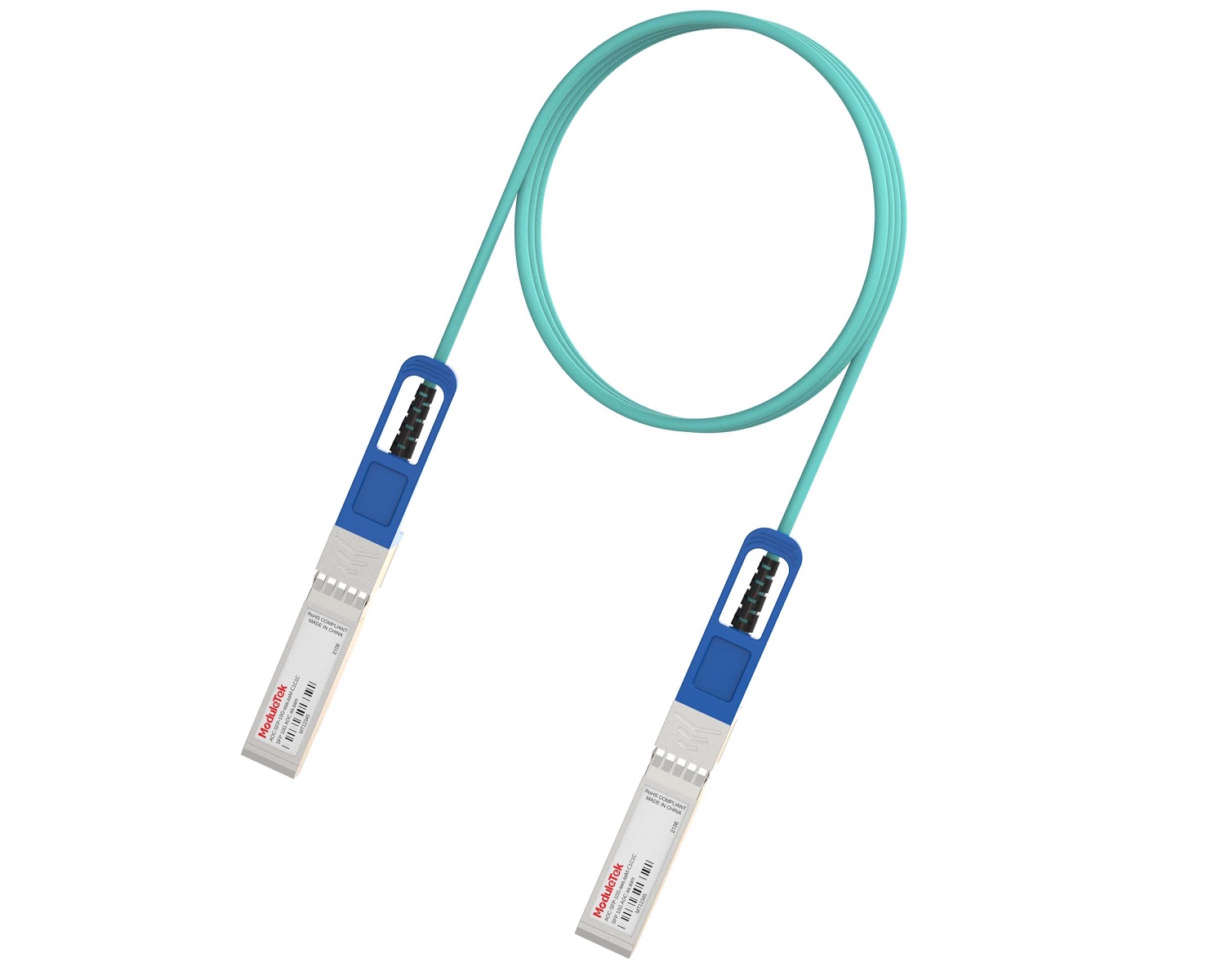 Full-Rate AOC & Breakout Series
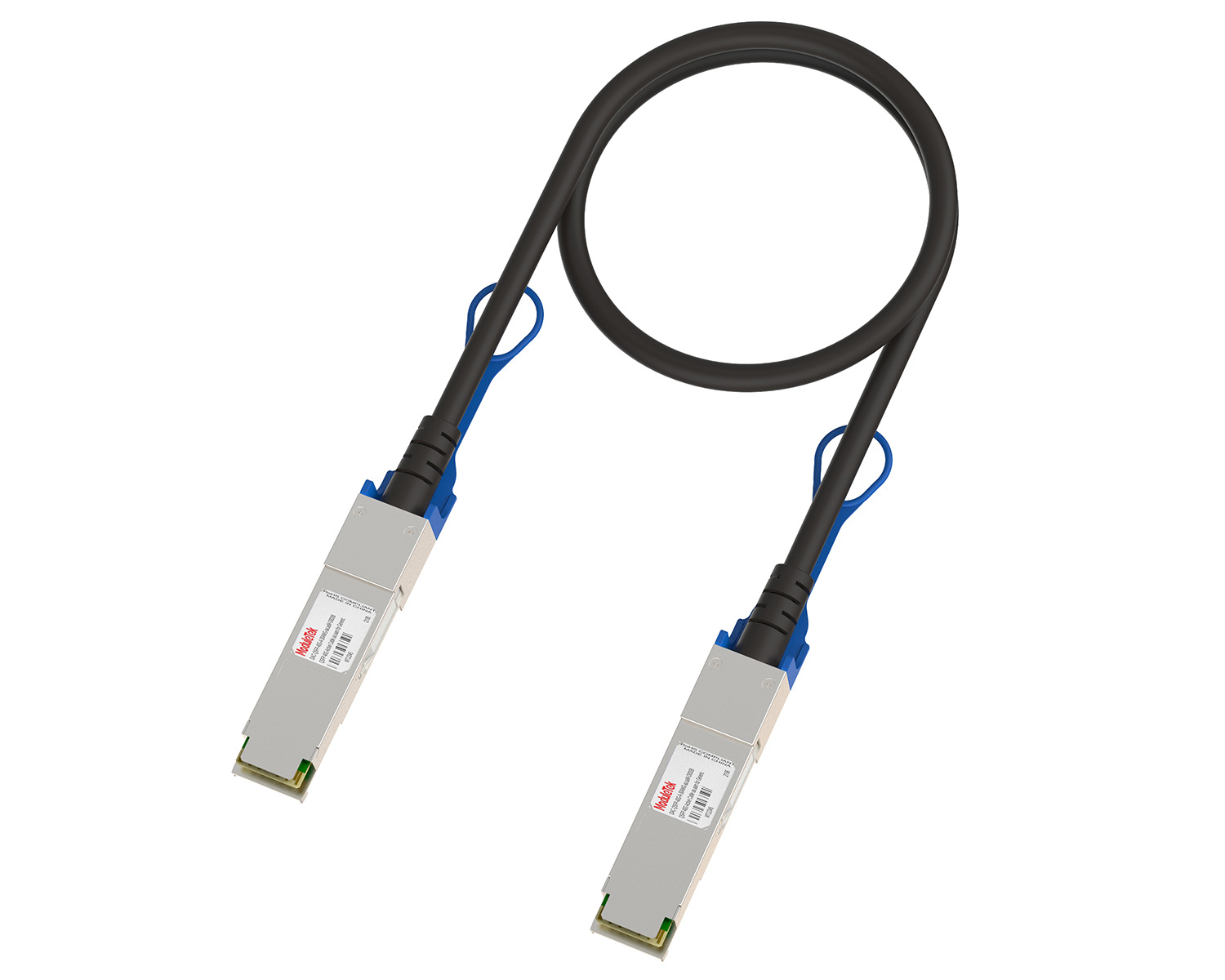 10G/40G Active DAC Series
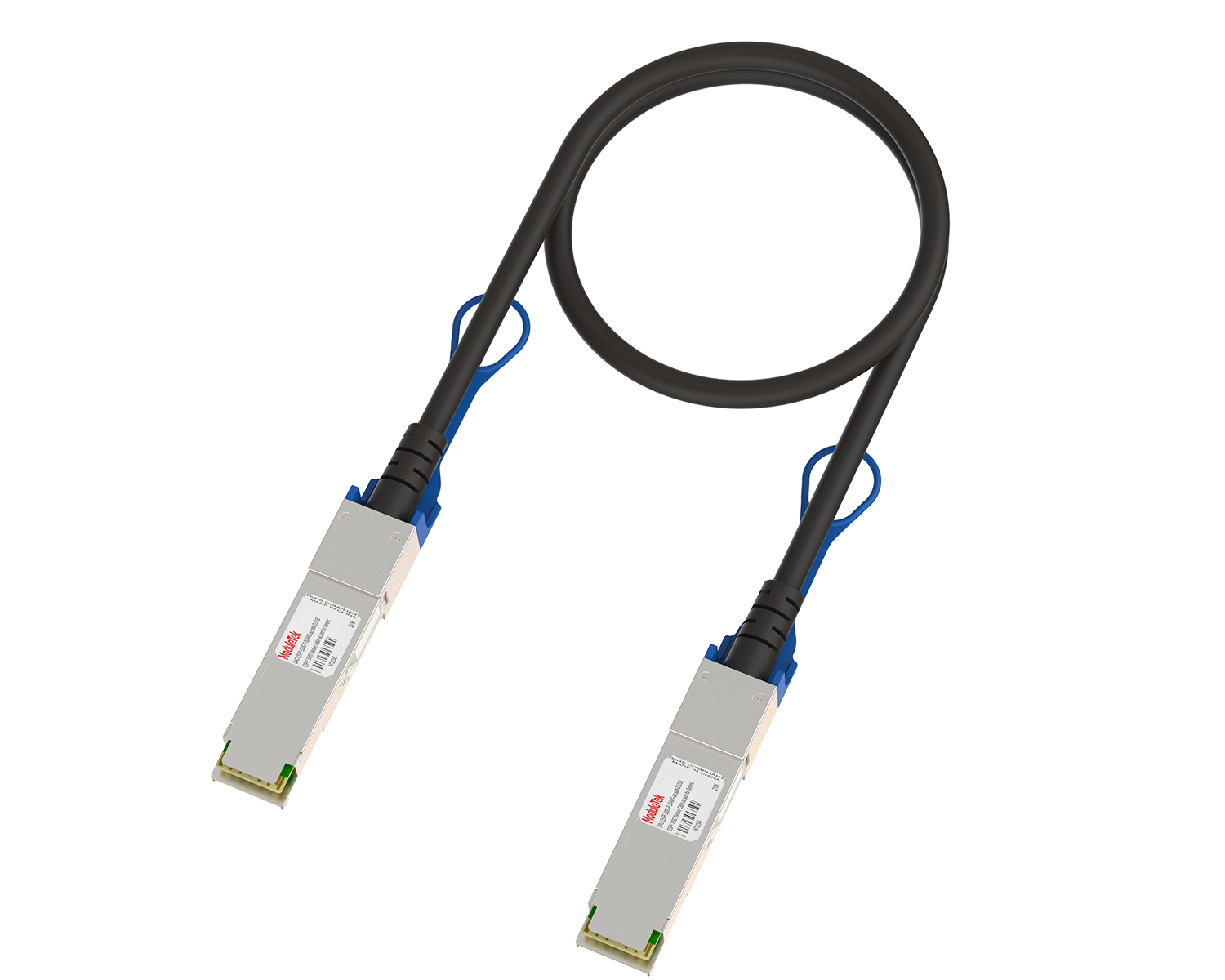 Full-Rate Passive DAC Series
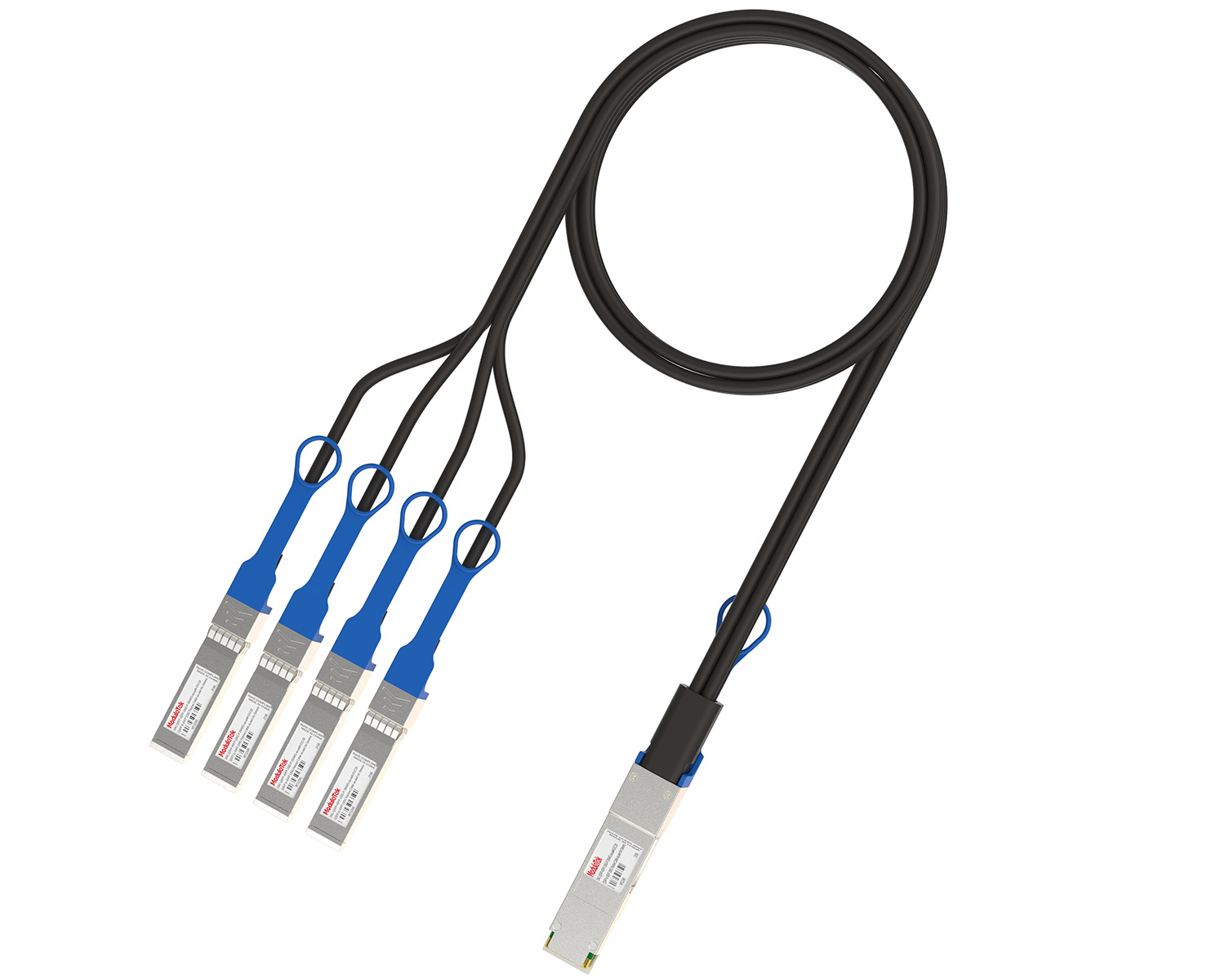 40G/100G Passive Breakout DAC Series
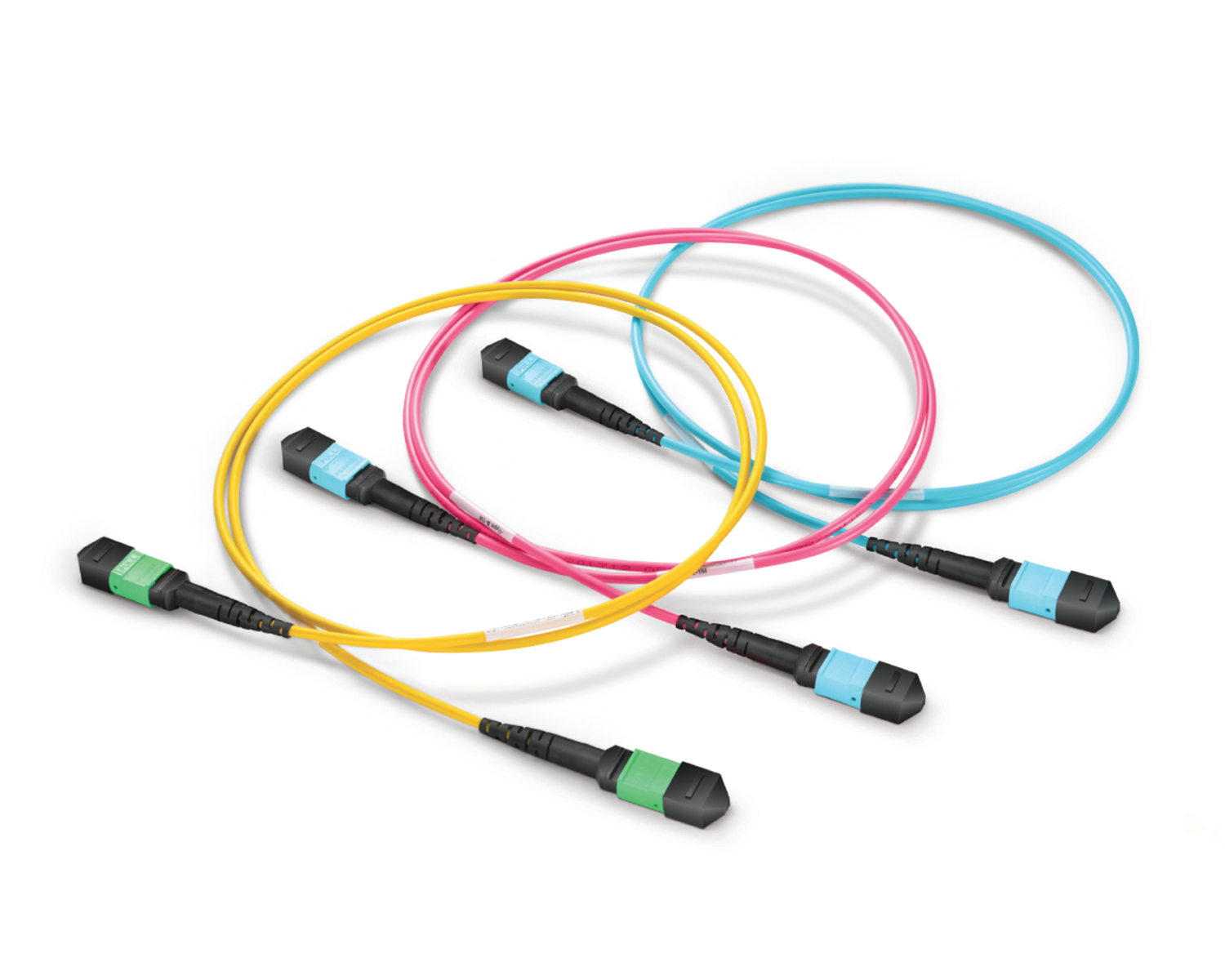 Regular/MTP-MPO Fiber Patch Cords
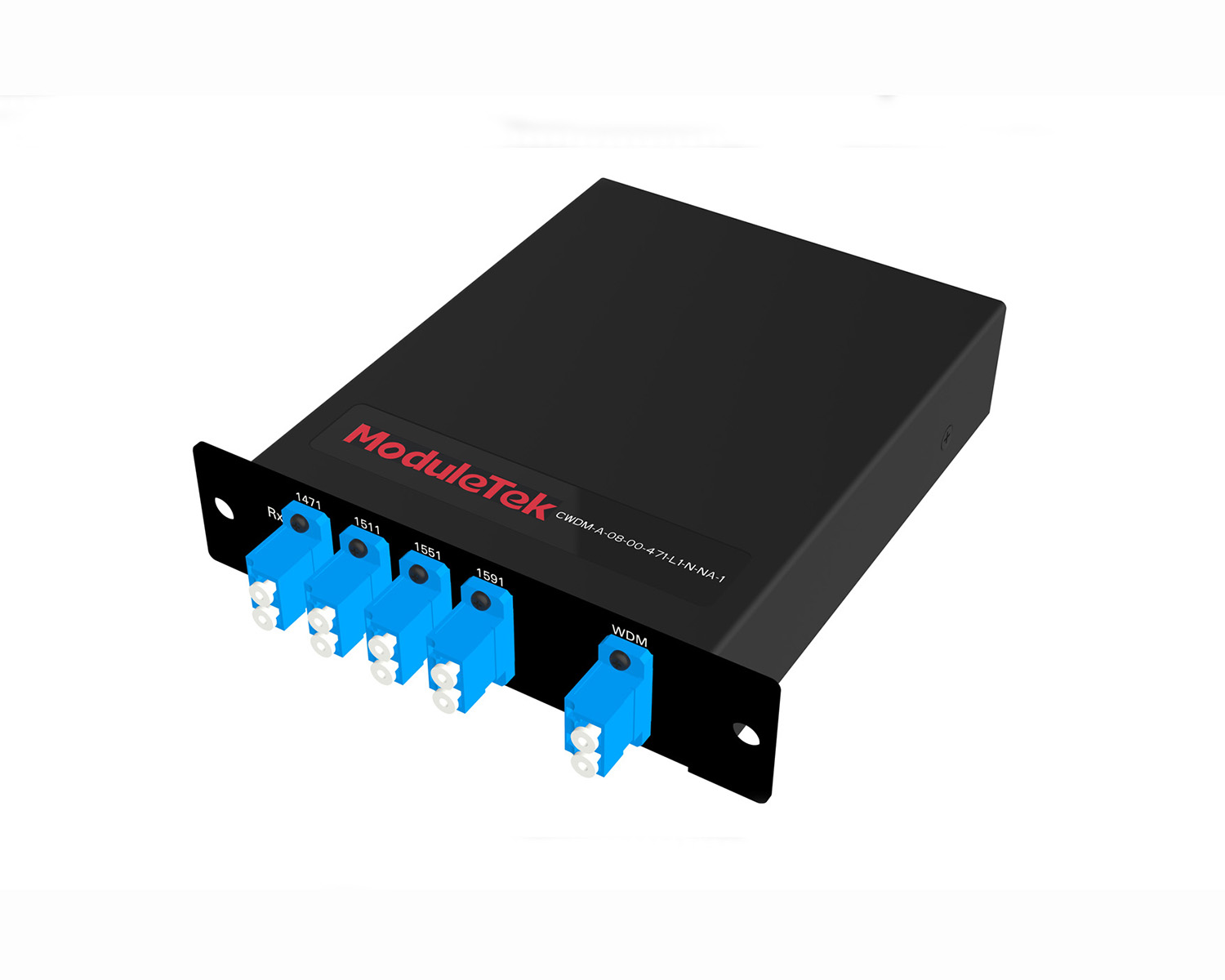 MT2011
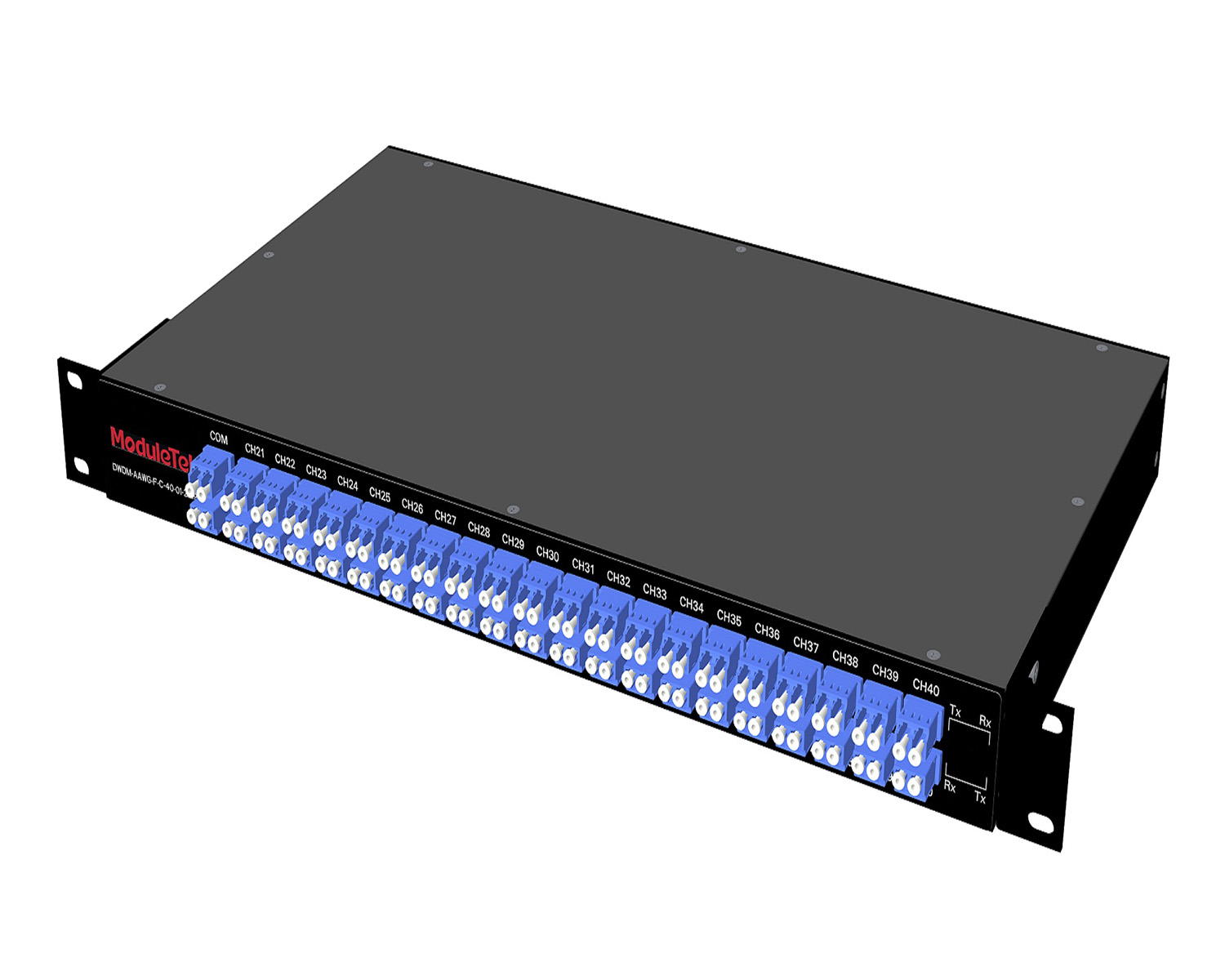 MT2010
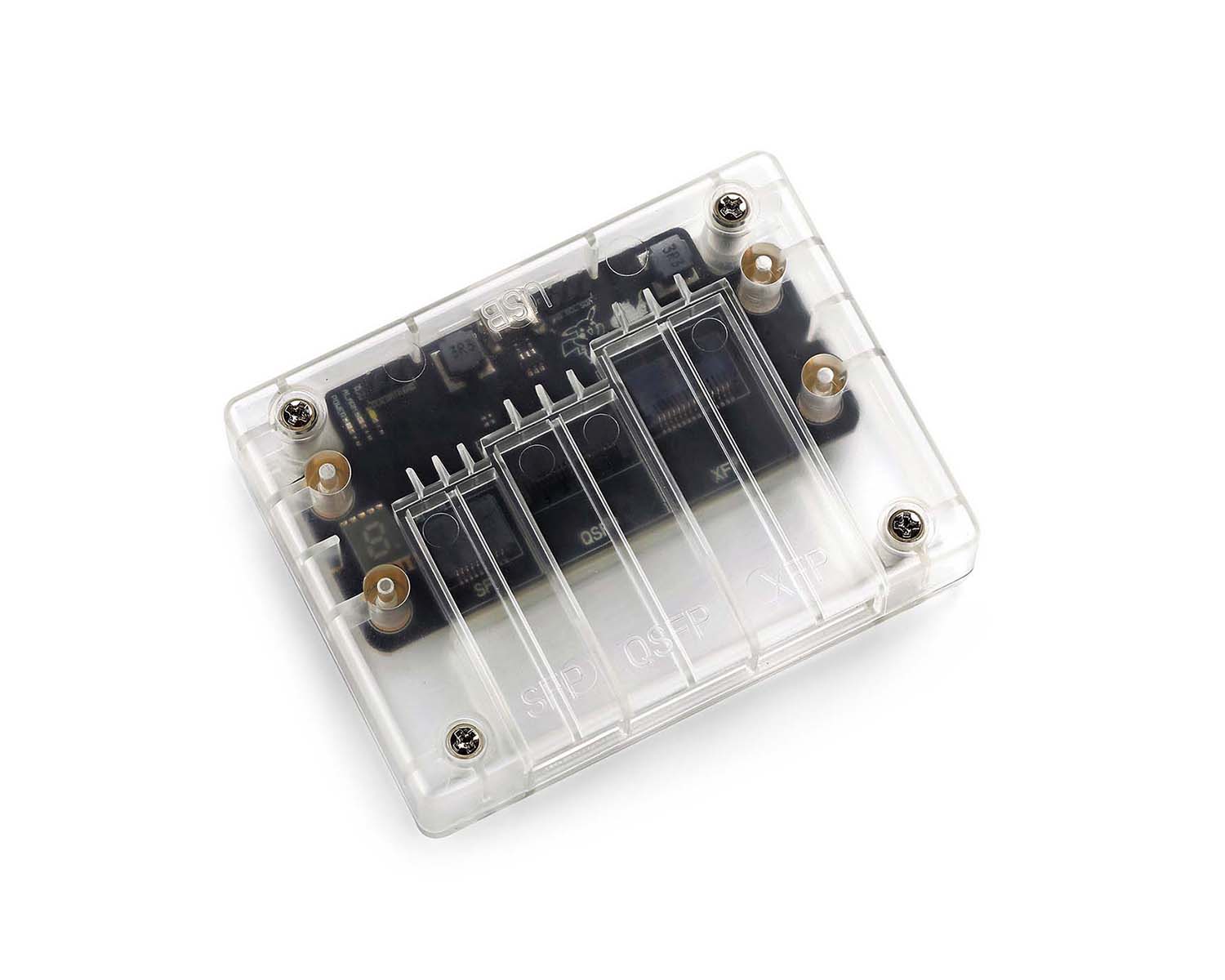 CodingBox
 QSFP to SFP Adapter
Broadband Multimode Fiber (WBMMF)
Time: 2021-11-09
WBMMF (Wideband Multimode Fiber), also known as OM5 fiber, is a new type of multimode fiber featuring high Effective Mode Bandwidth (EMB) and a wide wavelength range. The effective mode bandwidths of traditional OM3 and OM4 multimode fibers are 2000 MHz·km and 4700 MHz·km respectively, but their wavelength ranges are narrow—only operating near 850nm. This limits their WDM (Wavelength Division Multiplexing) capability and prevents them from meeting the demands for higher wavelengths, higher bandwidths, and longer transmission distances.
The following figure shows the bandwidth-wavelength relationship comparison among OM3, OM4, and WBMMF fibers. It can be seen that both OM3 and OM4 can only achieve optimal mode bandwidth in the 850nm wavelength range, while WBMMF further optimizes wavelength coverage on the premise of enhancing mode bandwidth, fully supporting all wavelengths from 846nm to 953nm.
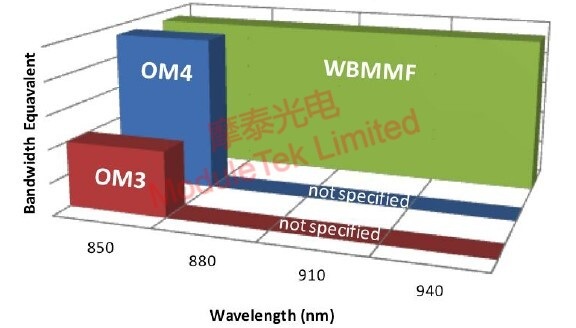
Figure 1 Comparison of OM3, OM4 and WBMMF Fibers
In October 2014, the Telecommunications Industry Association (TIA) of the United States established a working group to provide guidance for the development of the 50/125μm WBMMF standard, which is designed to support SWDM (Shortwave Wavelength Division Multiplexing) transmission. In other words, WBMMF was developed specifically for SWDM applications.
SWDM draws on the WDM technology of single-mode fibers, expanding the traditional multimode fiber application wavelength from 850nm to the 850nm-950nm range. It transmits data at four wavelengths (850nm, 880nm, 910nm, and 940nm) over a single multimode fiber, which can significantly enhance transmission capacity and extend the transmission distance of multimode fibers.
The working principle of SWDM is as follows: Four VCSELs (Vertical-Cavity Surface-Emitting Lasers) at the transmitting end generate optical signals of four different wavelengths, which are multiplexed into a single link via a MUX (multiplexer). At the receiving end, the signals are demultiplexed by a DEMUX (demultiplexer), output as parallel optical signals, and then detected by four detectors and converted into electrical signals.
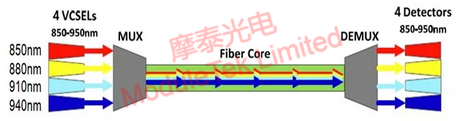
Figure 2 Schematic Diagram of SWDM Operation
The EMB and wavelength characteristics of WBMMF perfectly meet SWDM’s requirements for higher bandwidth and longer distance. As a preferred choice for future data centers, WBMMF far outperforms traditional OM4 multimode fibers in terms of effective mode bandwidth. This means it can provide more margin for higher-speed Ethernet that may emerge in the future, especially enabling more integrated and cost-effective applications in 40G-400G data transmission.
Moduletek provides the products mentioned in this application guide. Welcome to place your orders!
For further inquiries about the above content, please contact us at: sales@moduletek.com