
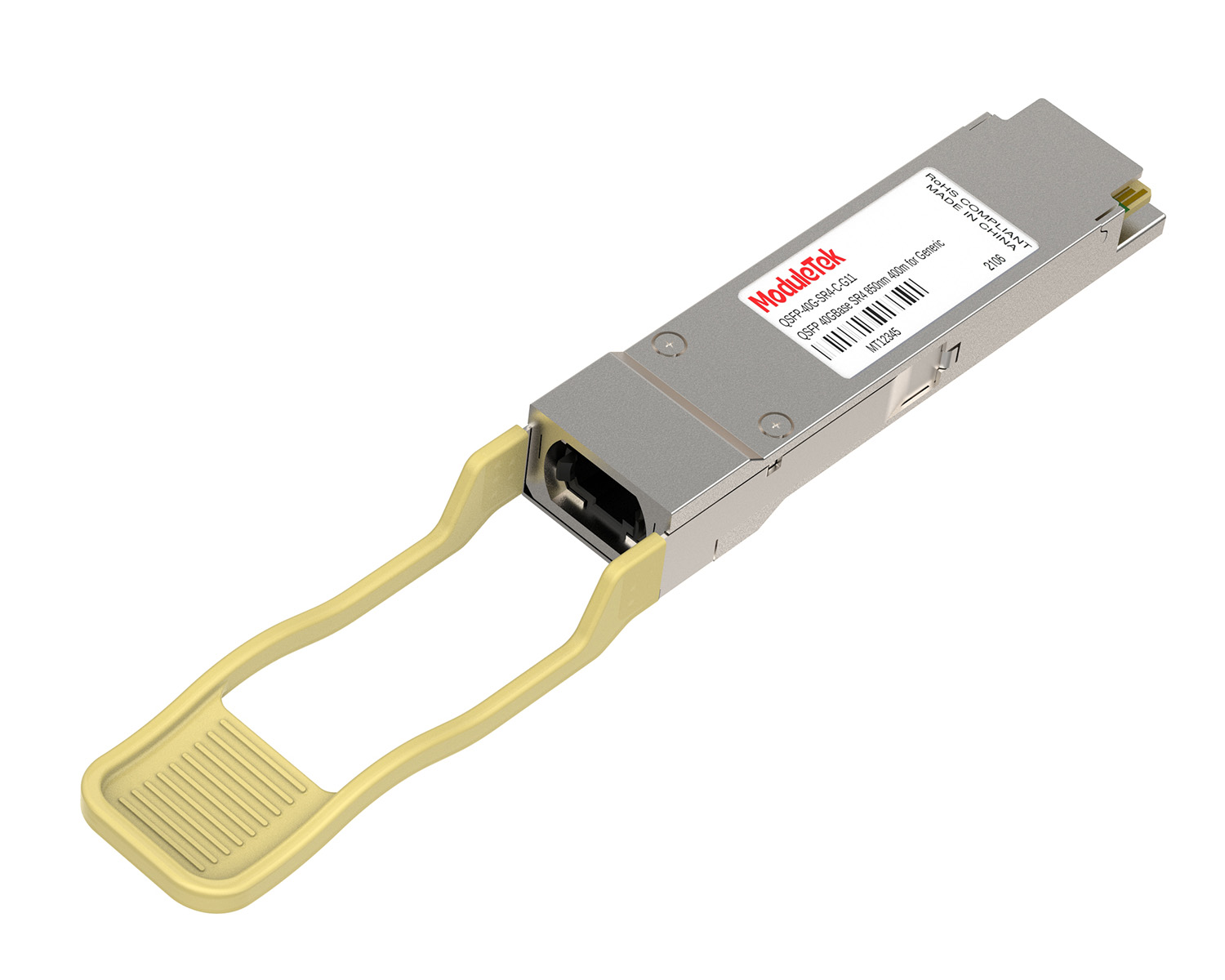
 40G/100G Optical Transceivers
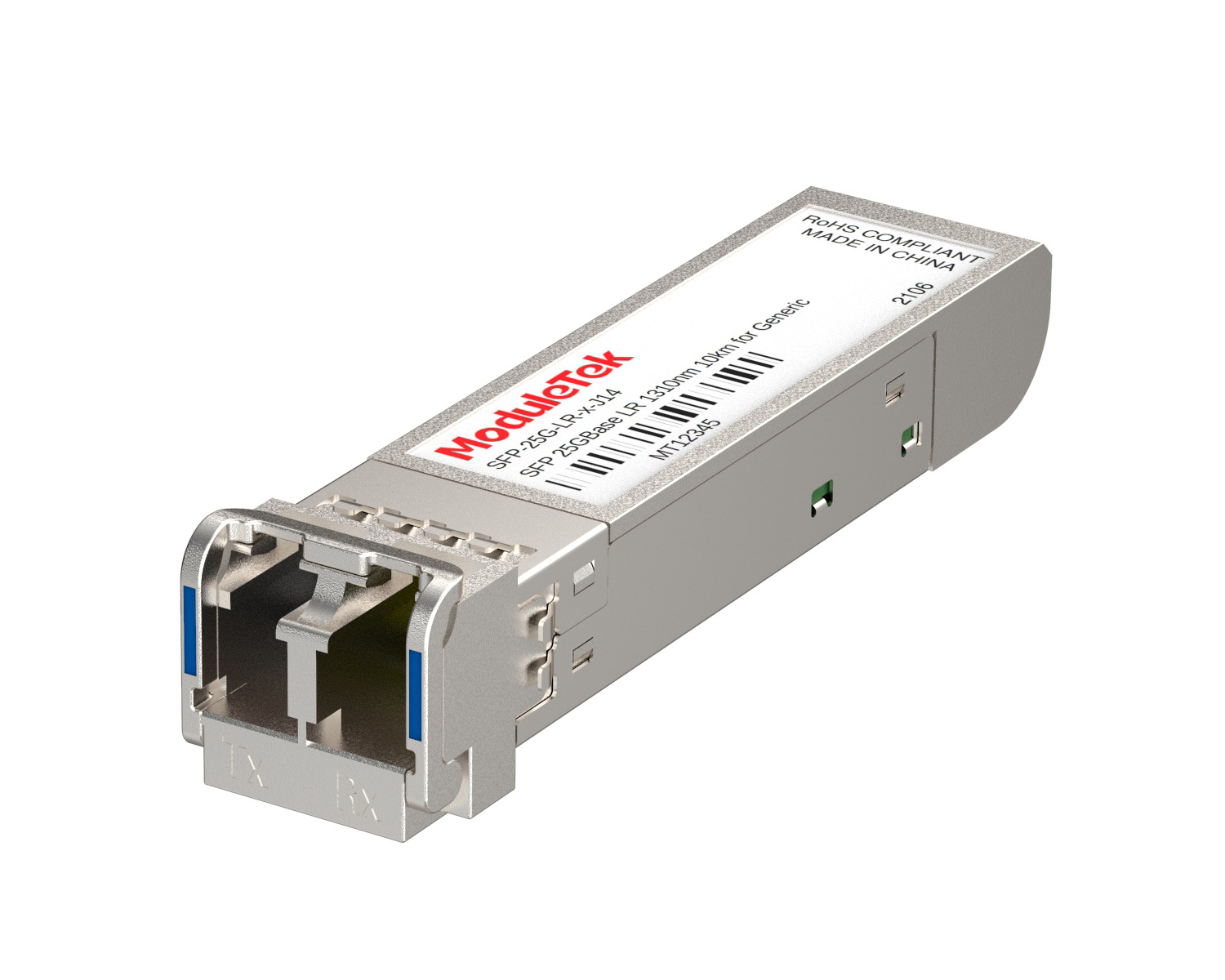 25G Optical Transceivers
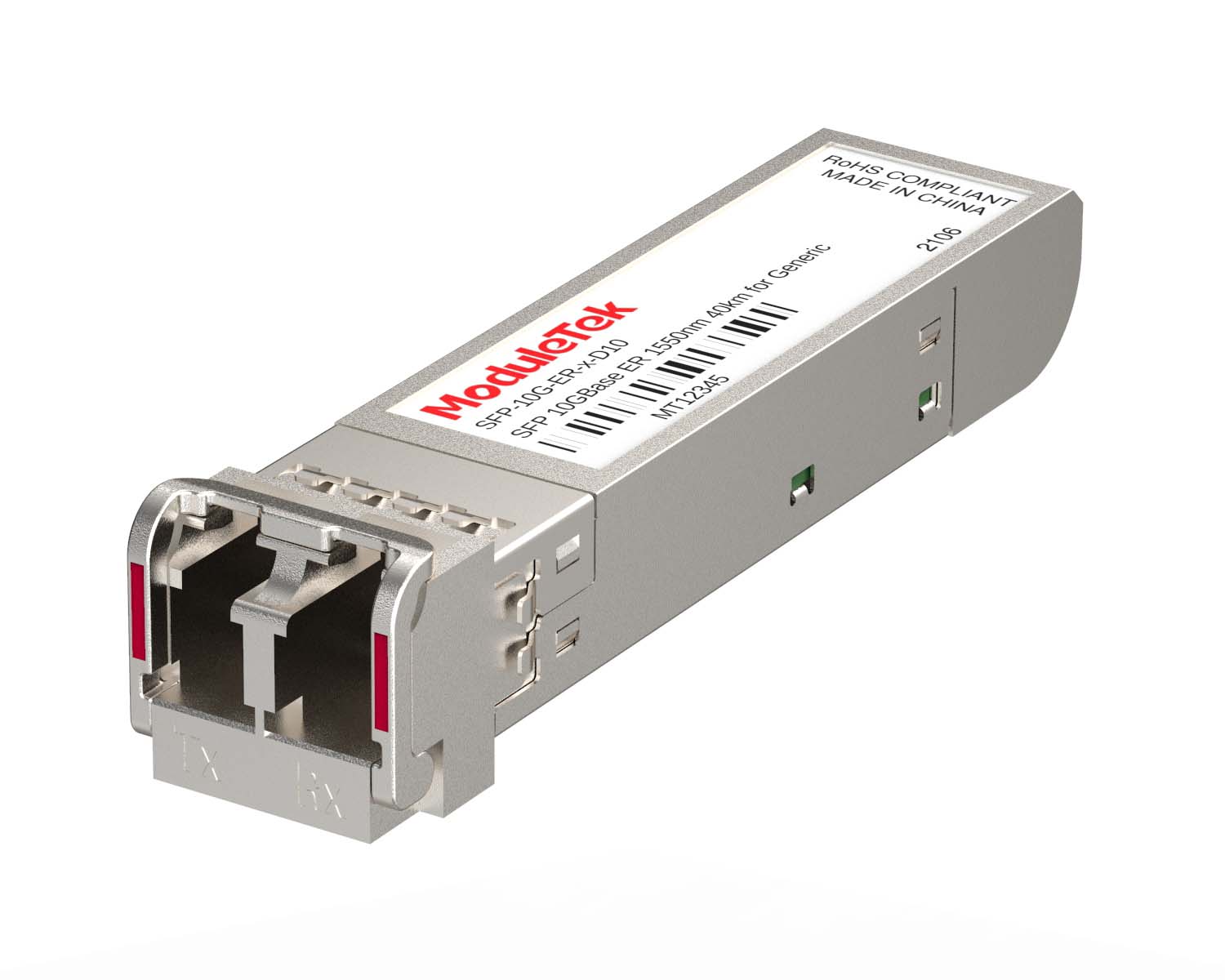 10G Optical Transceivers
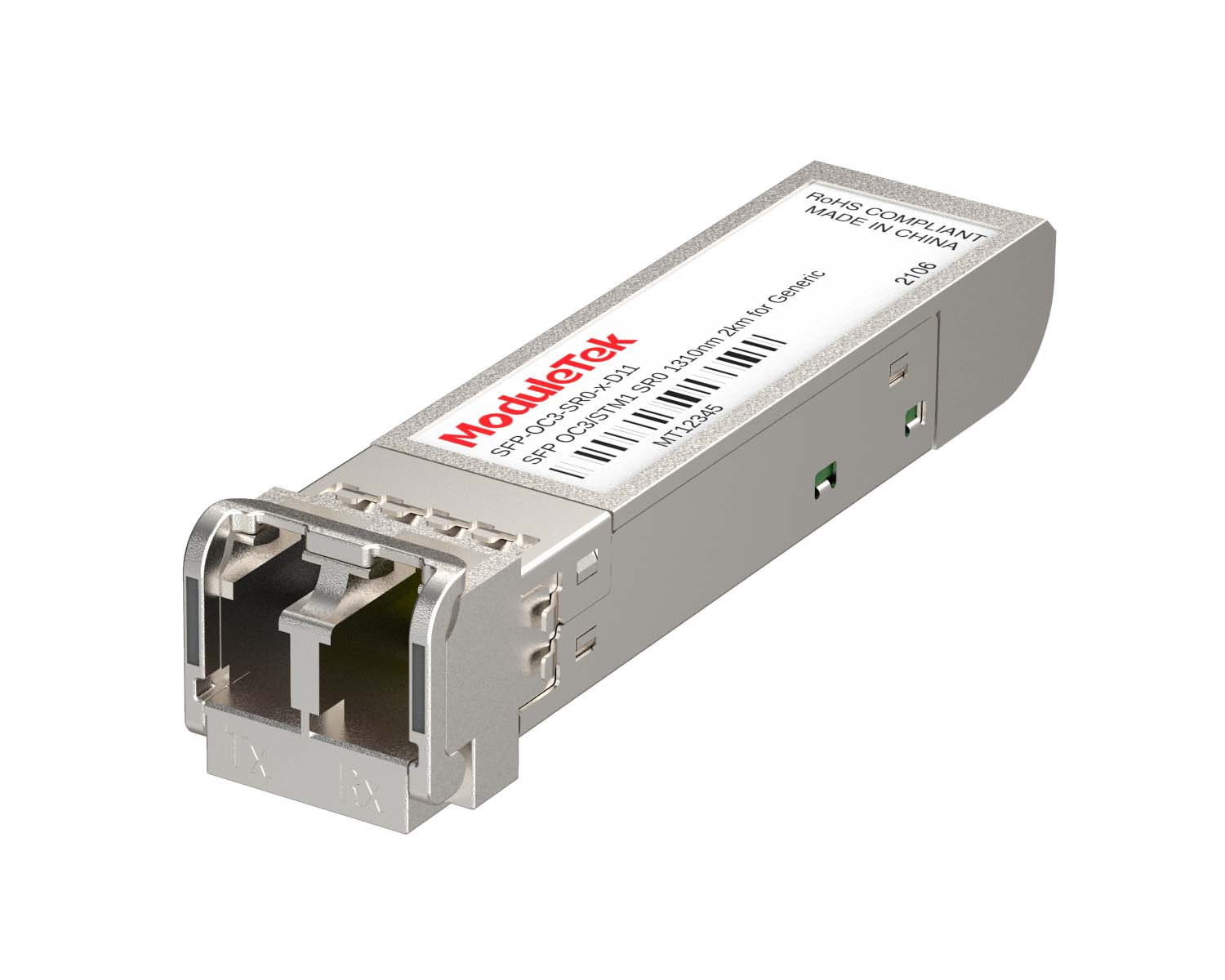 155M/2.5G Optical Transceivers
 1G Optical Transceivers
 1G BIDI Optical Transceivers
 Dual-Rate Optical Transceivers
 FC 16G/32G Optical Transceivers
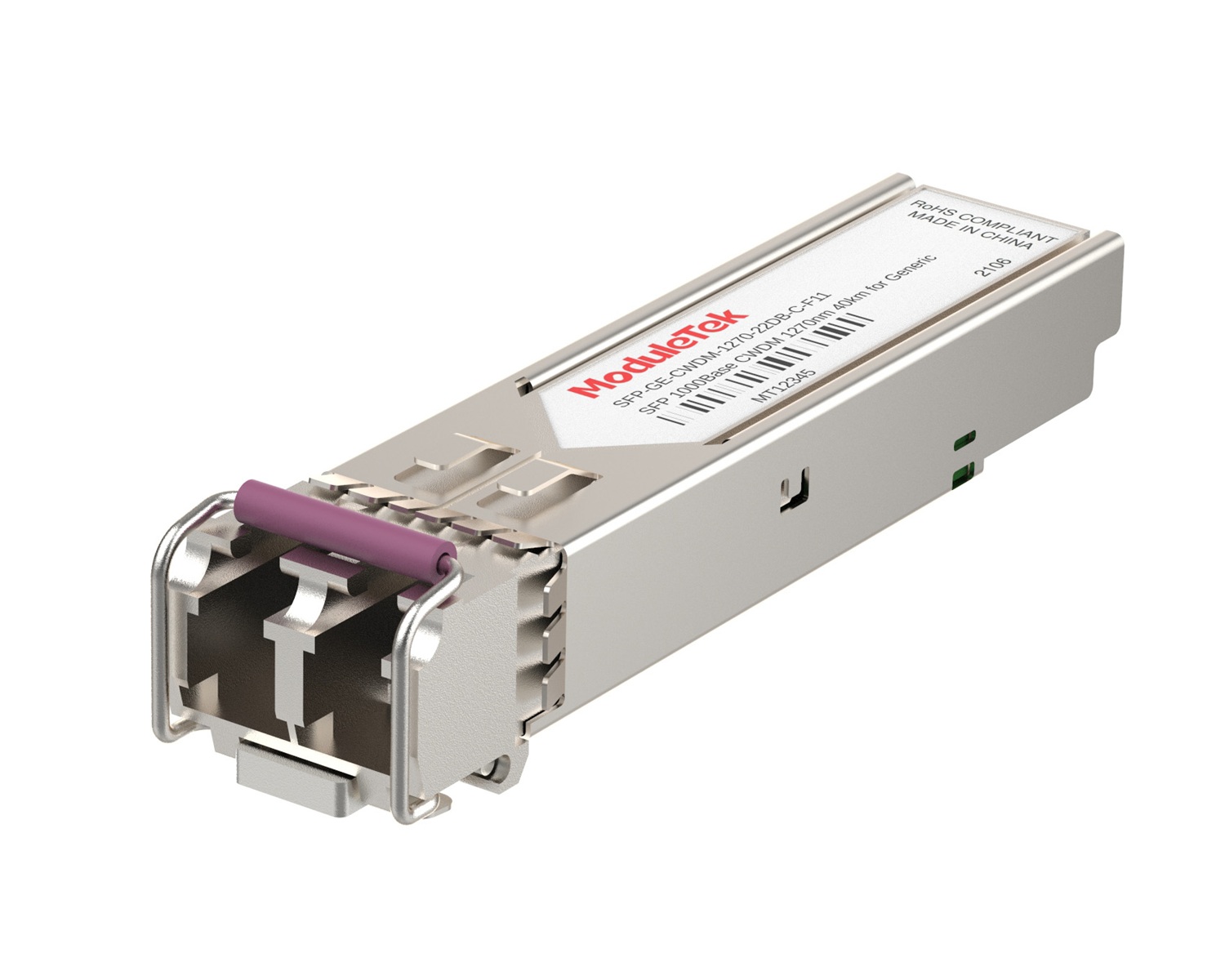 CWDM Optical Transceivers
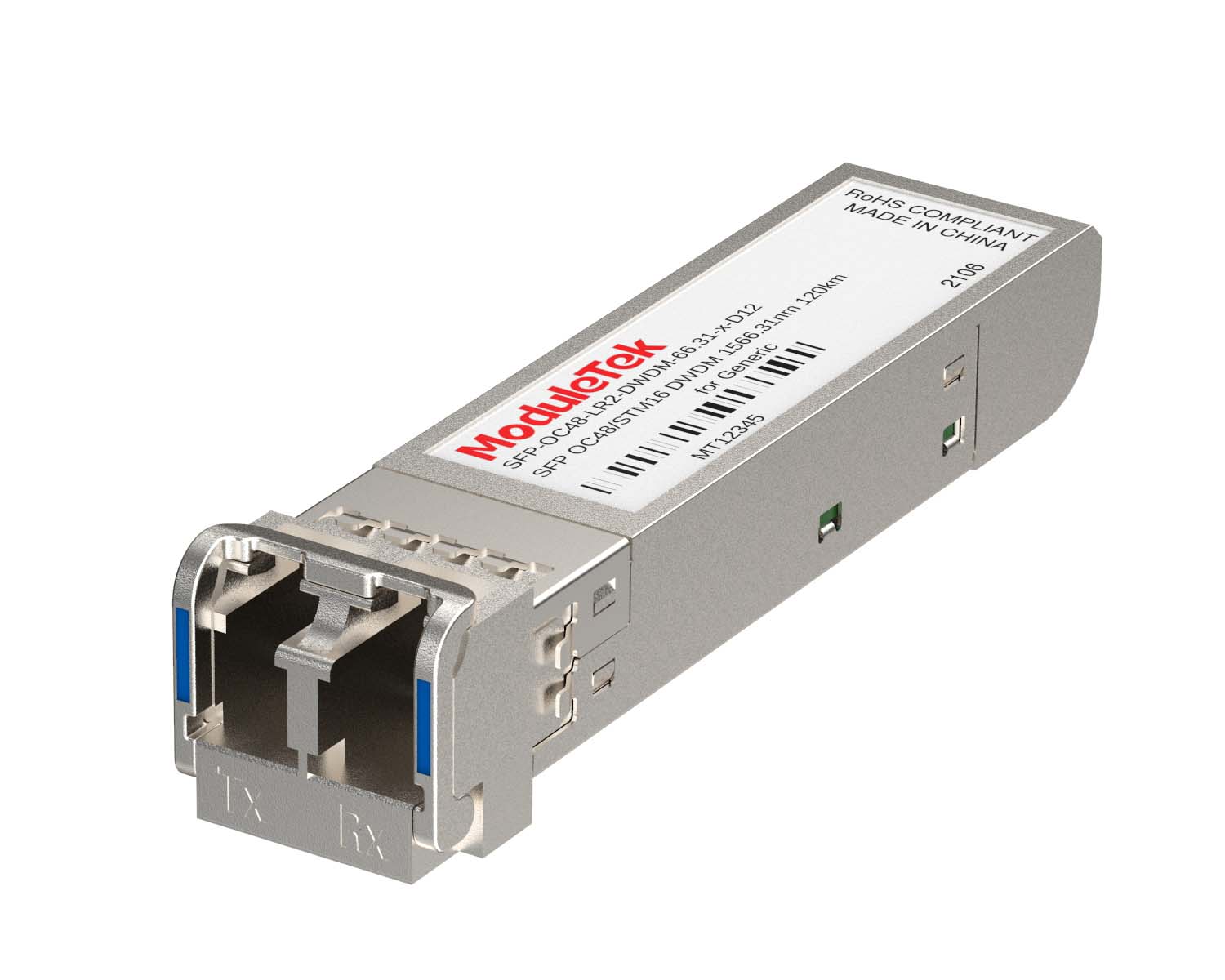 DWDM Optical Transceivers
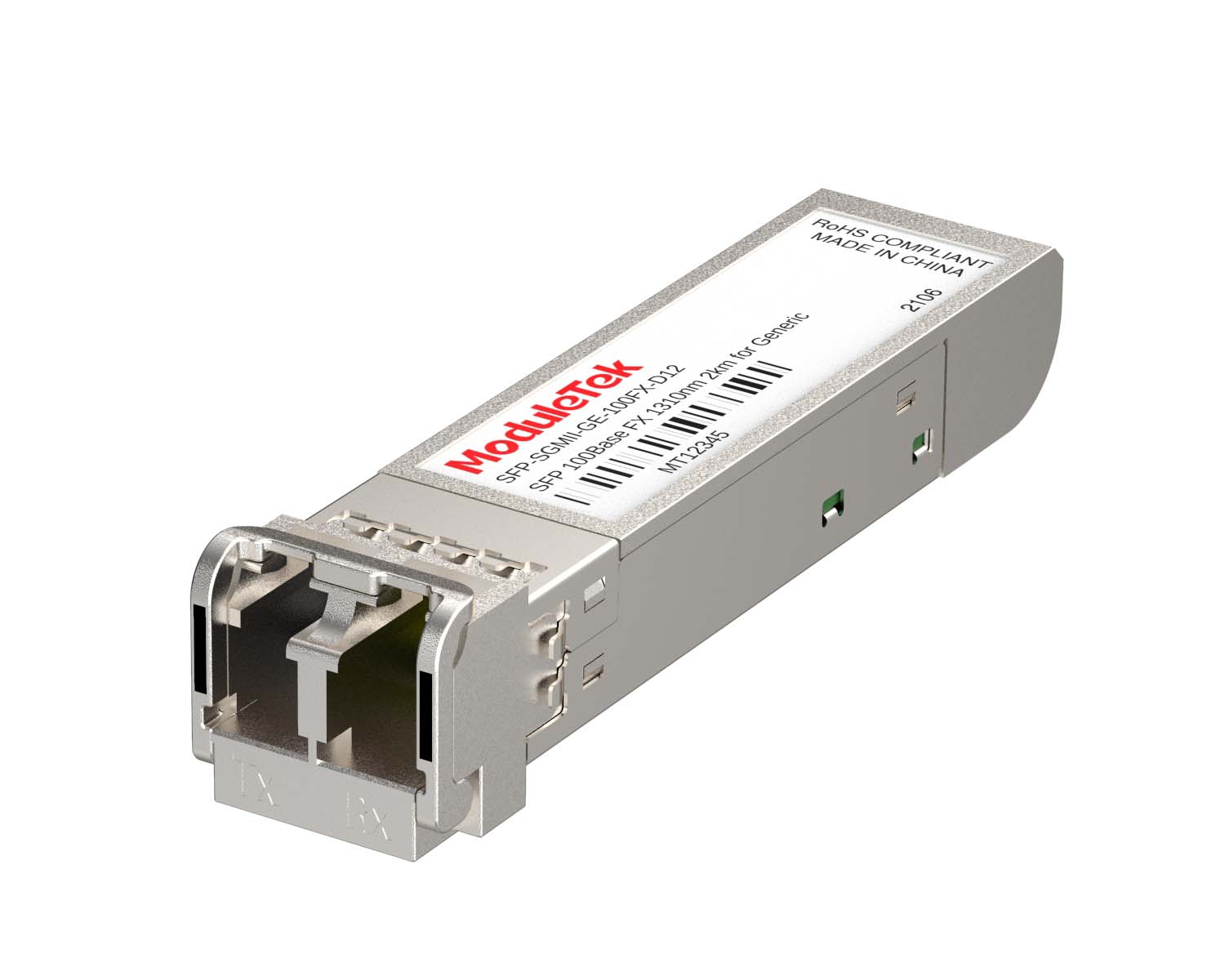 SGMII Port Optical Transceivers
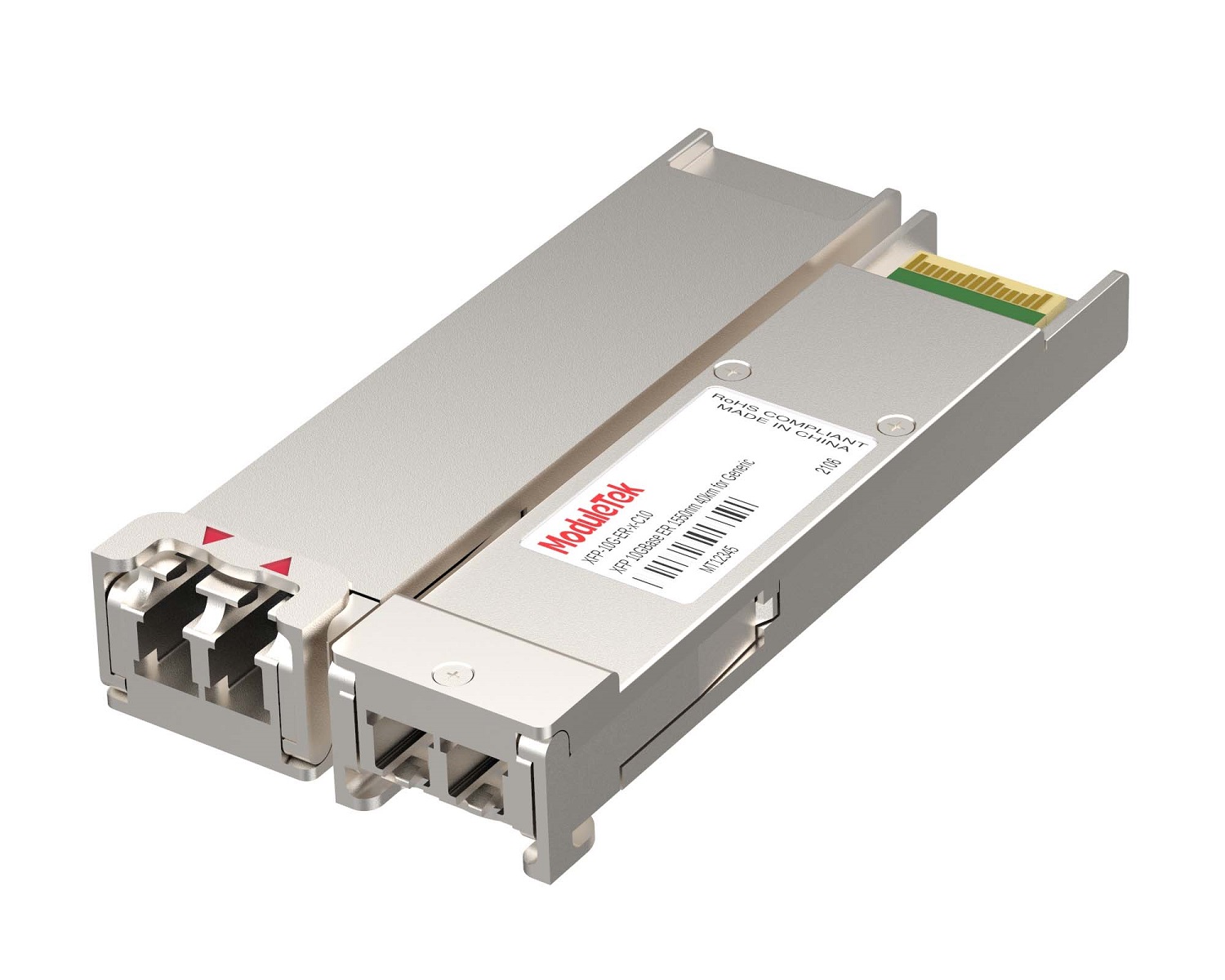 XFP Optical Transceivers
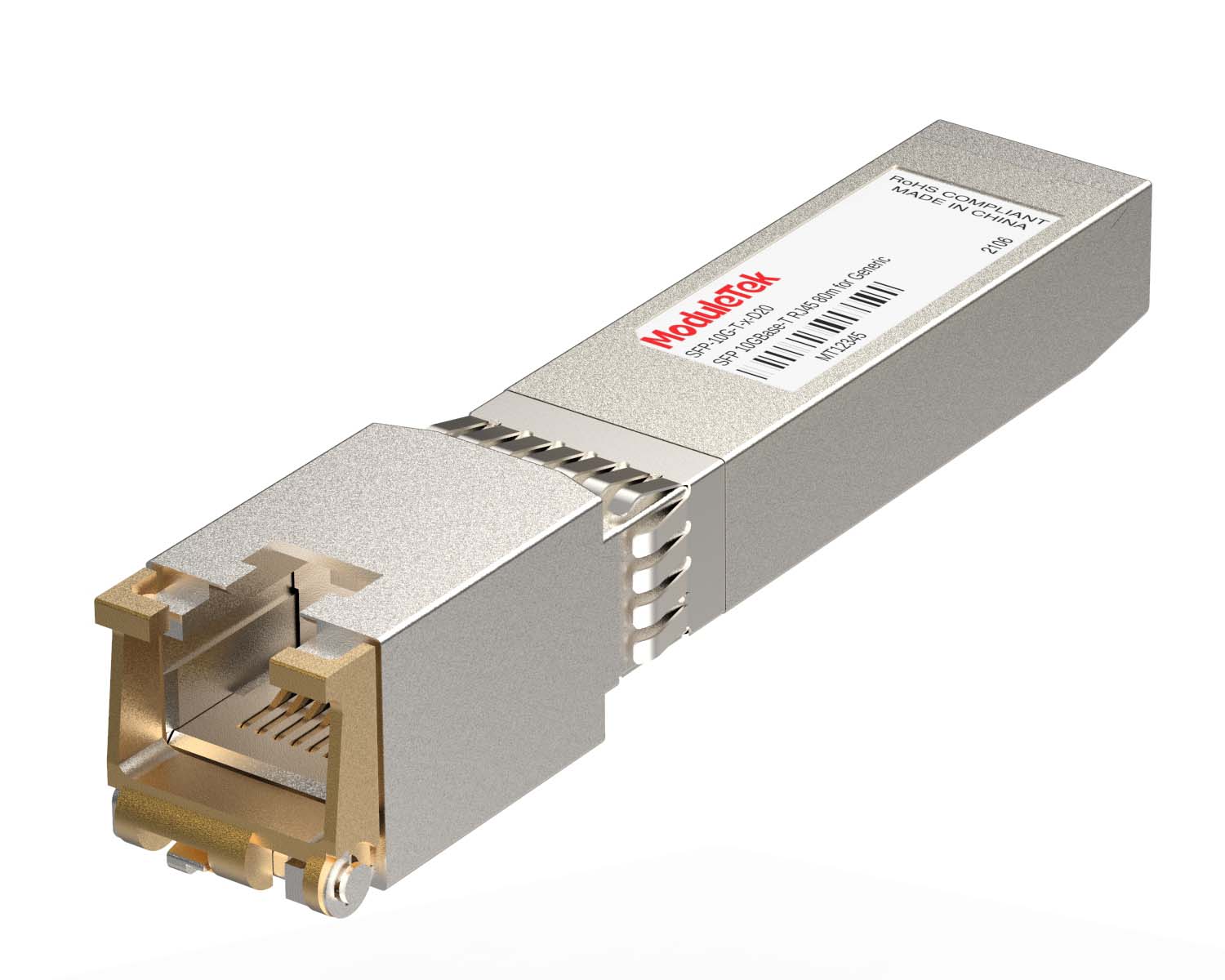 100M/1G/10G Coppers
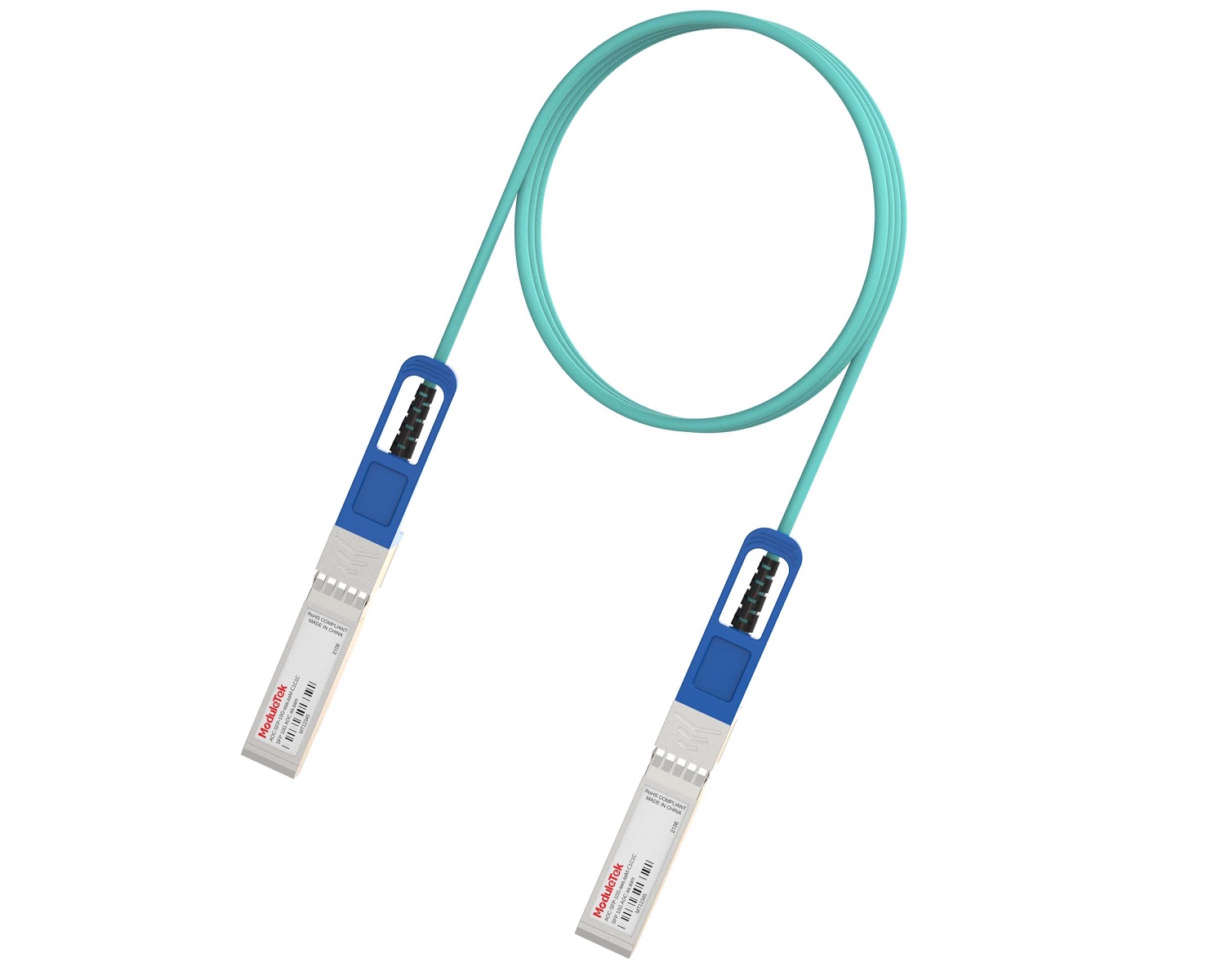 Full-Rate AOC & Breakout Series
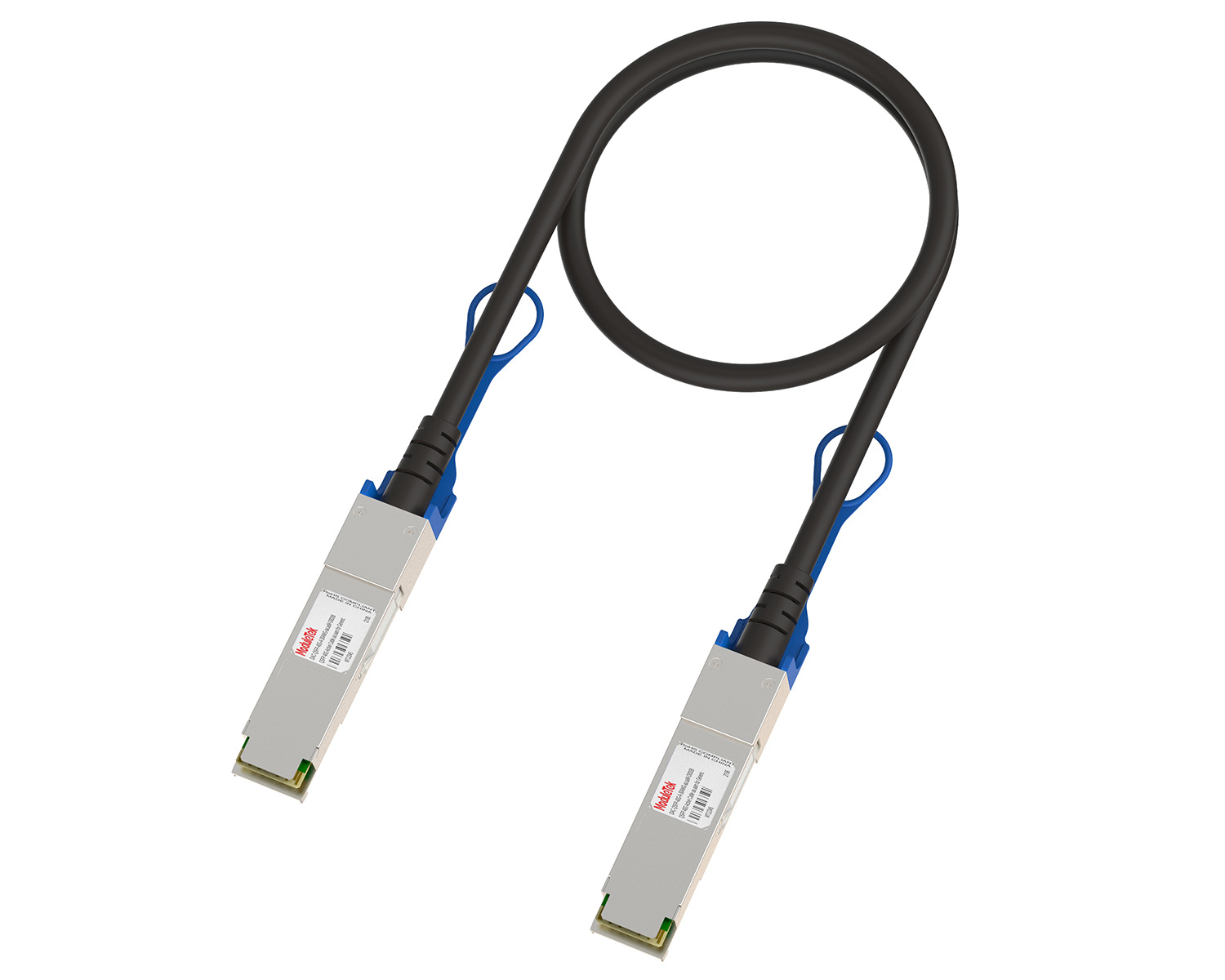 10G/40G Active DAC Series
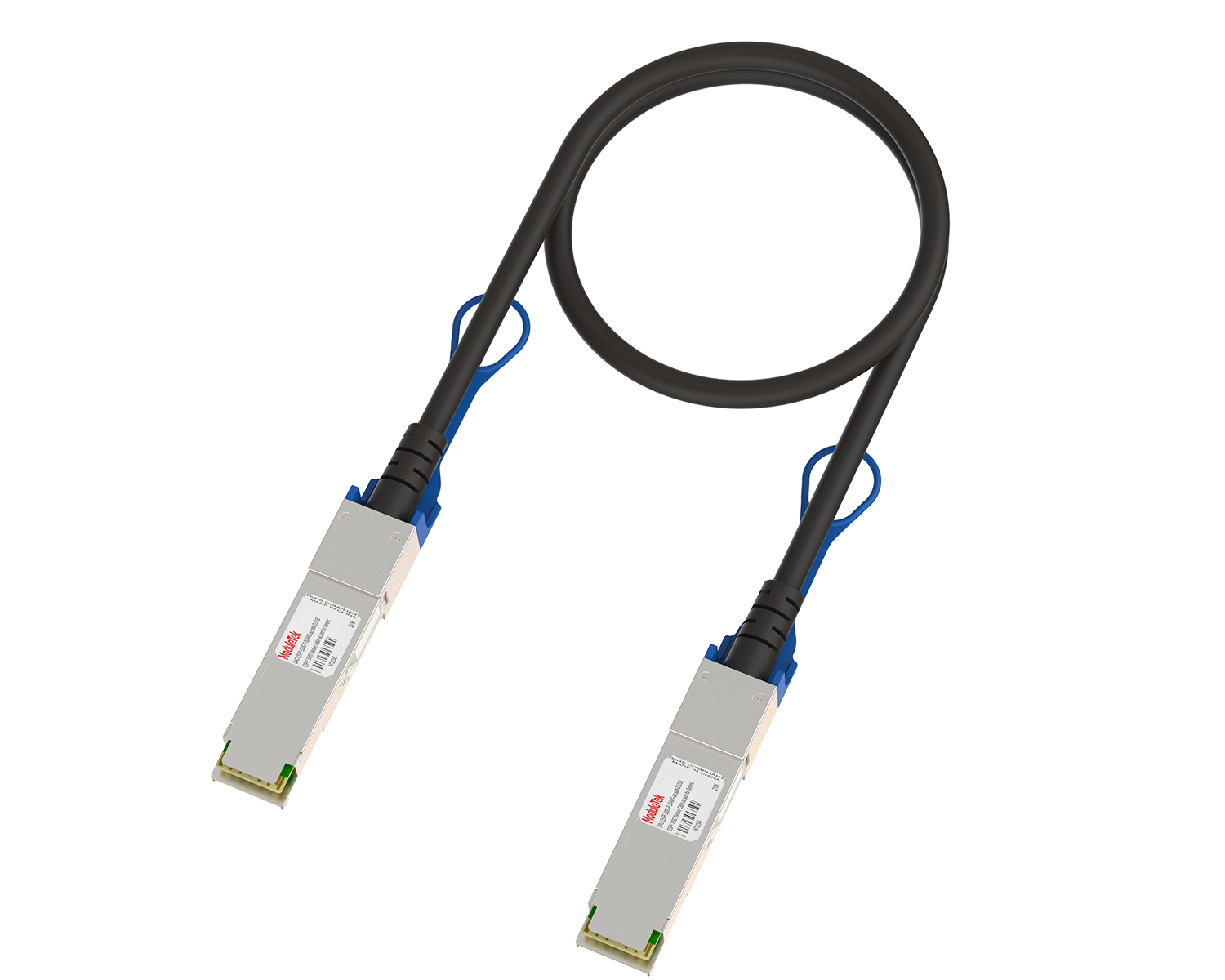 Full-Rate Passive DAC Series
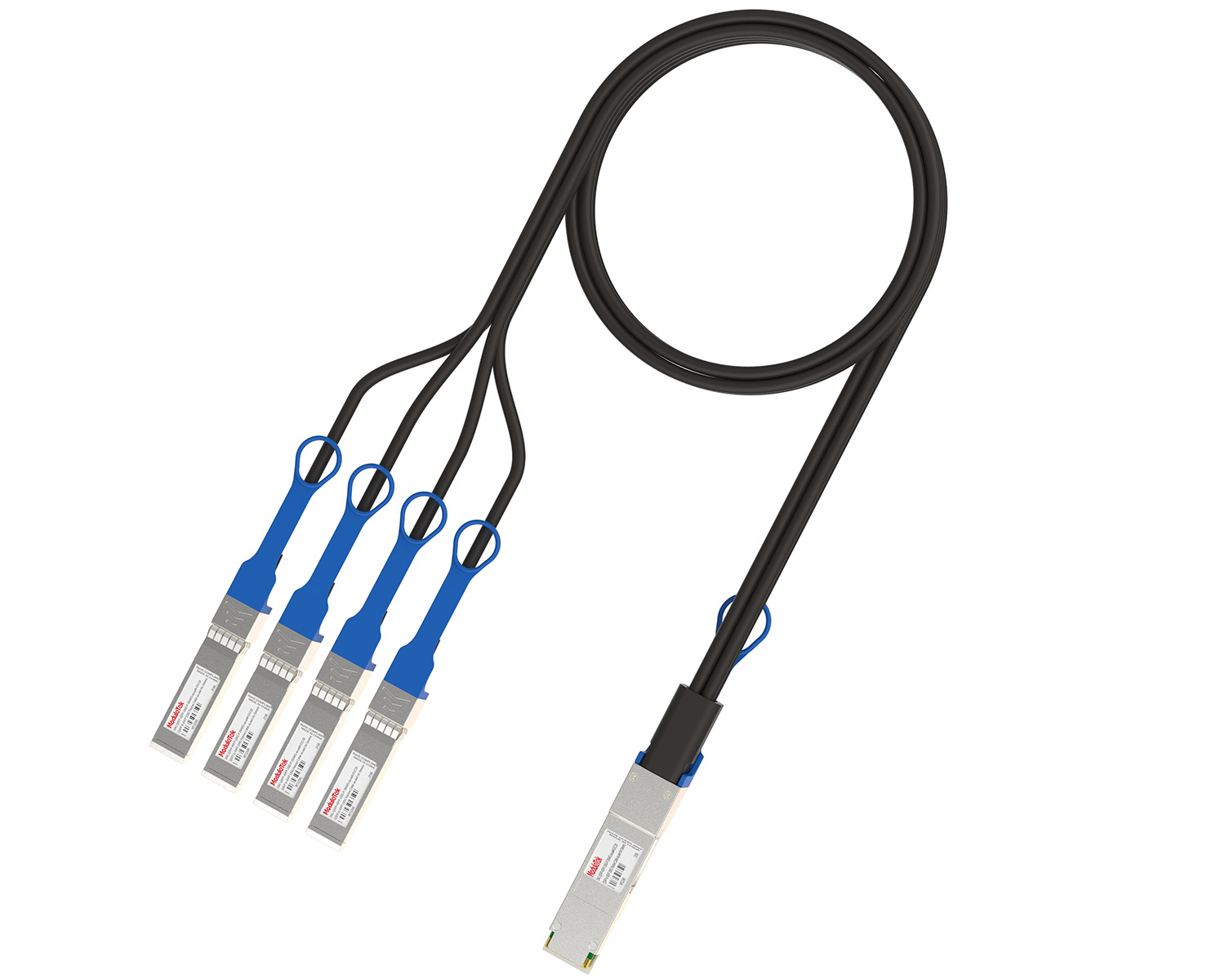 40G/100G Passive Breakout DAC Series
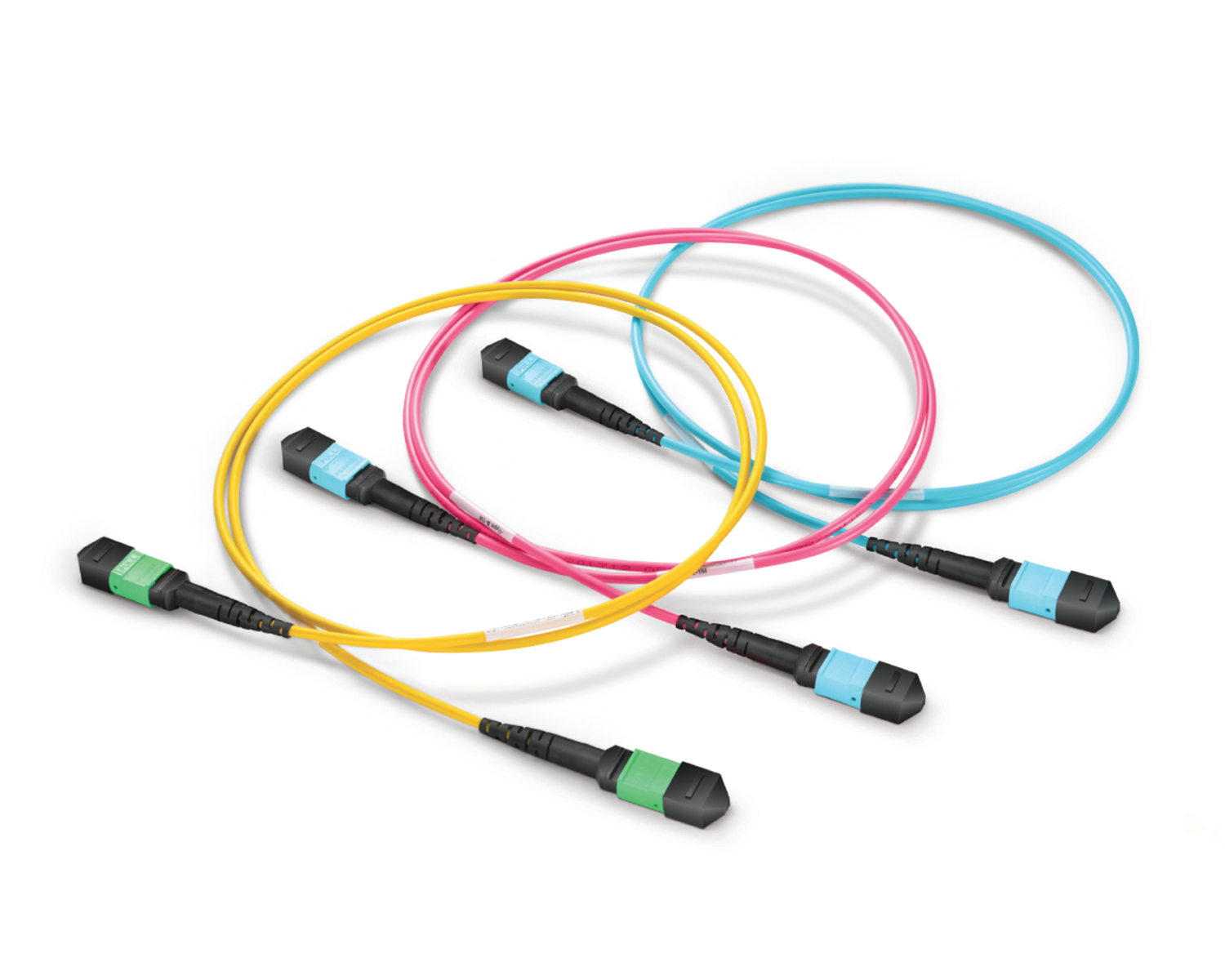 Regular/MTP-MPO Fiber Patch Cords
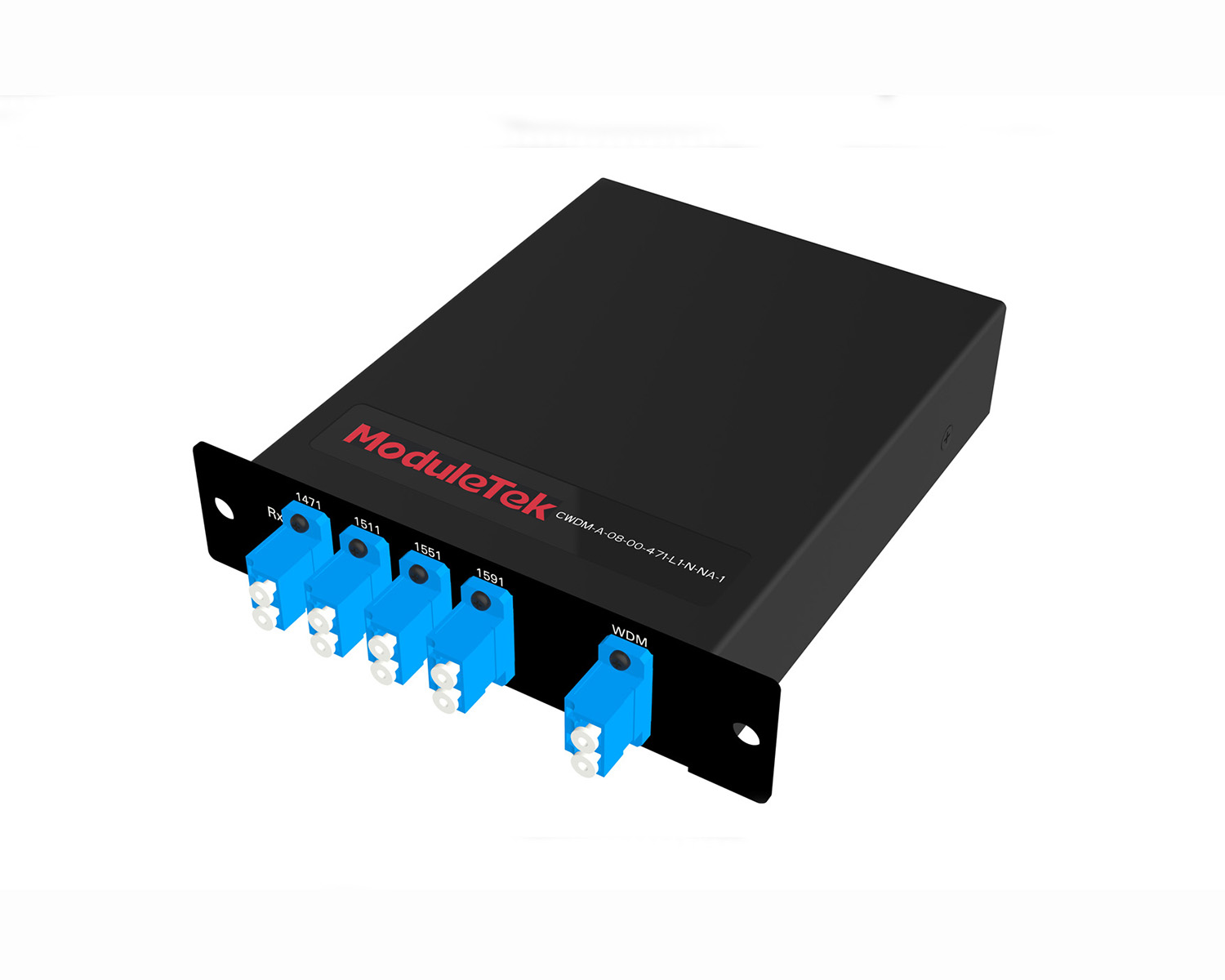 MT2011
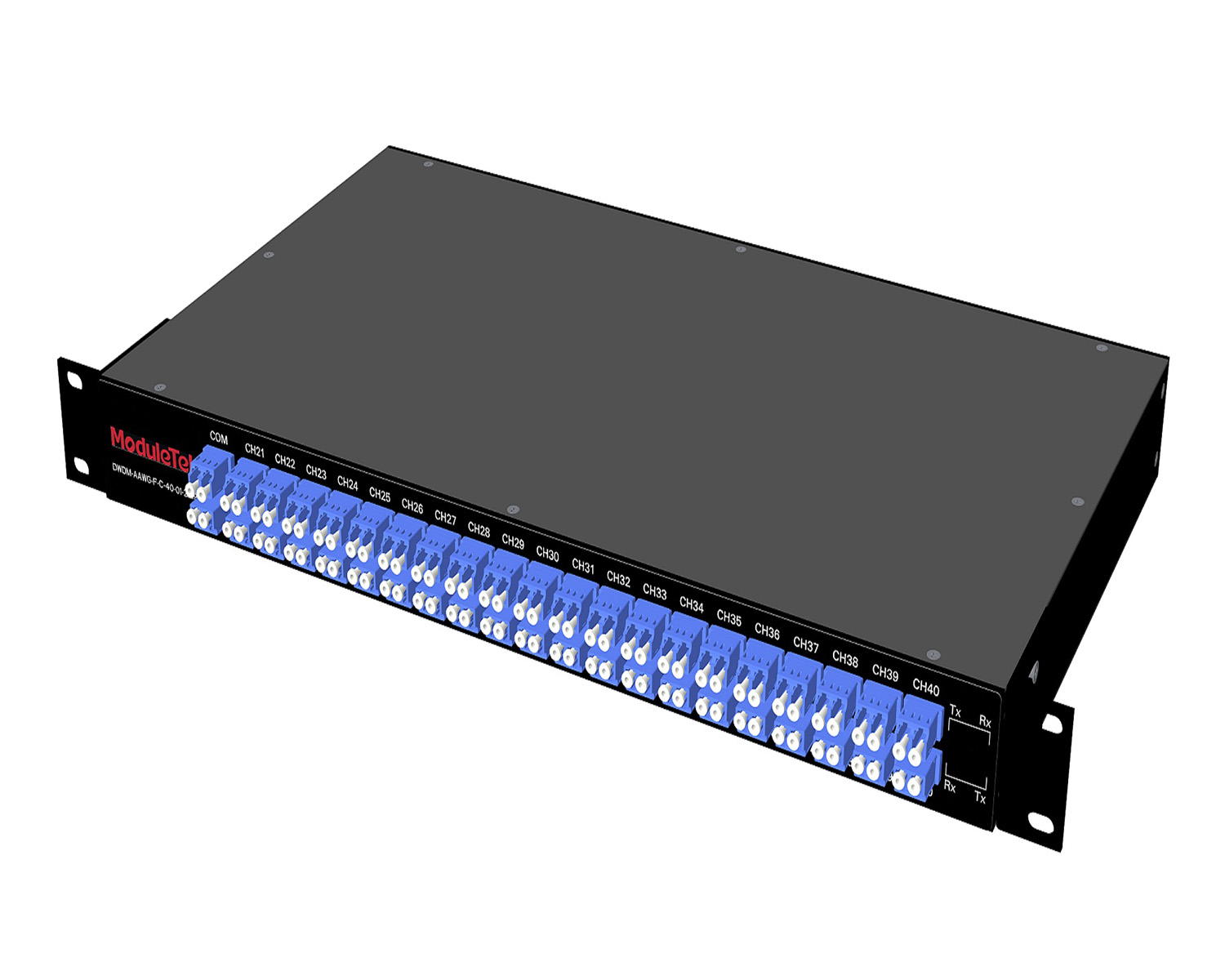 MT2010
 CodingBox
 QSFP to SFP Adapter
An Introduction To CPO Technology
Time: 2023-12-13
1. What is CPO?
CPO stands for Co-packaged Optics.
It refers to the co-packaging scheme in which the switching chip and optical engine are assembled within the same integrated socket.
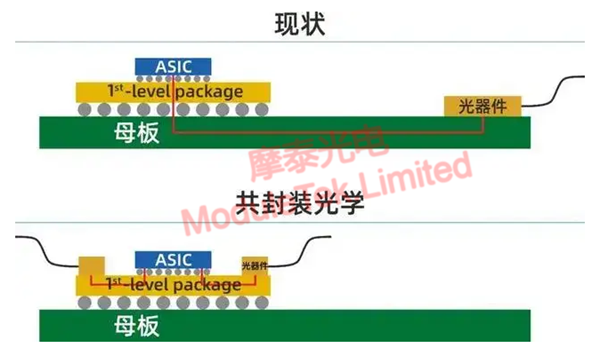
Figure 1 CPO Co-Packaging
In today’s conventional packaging, chips and optical modules are packaged separately and then interconnected externally, which belongs to traditional integrated circuit design.
With the application of CPO technology, future systems can be regarded as integrated photonic circuits.
2. Evolution of Co-packaged Optics
Optical packaging technology is evolving through three main stages:
Pluggable as the basic stage, NPO as the transitional stage, and CPO as the ultimate form.
• Pluggable: The traditional connection architecture.
The optical engine takes the form of a pluggable optical module.
Optical fibers connect to the module, and signals travel through SerDes channels to the network switching chip (ASIC).
• NPO (Near-packaged Optics):
The optical engine is removed from the pluggable module and mounted on the same PCB substrate as the switching chip.
• CPO (Co-packaged Optics):
The switching chip and optical engine are assembled together in the same package, realizing true chip-module co-integration.
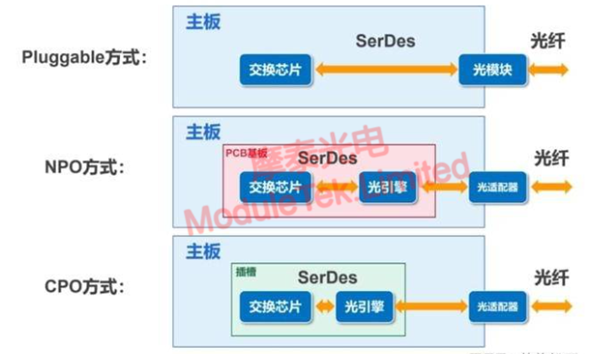
Figure 2 Evolution of Co-packaged Optics
3. Advantages of CPO Technology
• Low latency & low power consumption
Since the optical engine and switching chip are placed in the same package, the signal transmission path is greatly shortened, enabling lower latency.
CPO also reduces signal transmission power and improves overall system energy efficiency.
• High bandwidth
CPO supports ultra-high-speed optical communication and provides much higher transmission bandwidth.
Hyperscale and cloud data centers are expected to widely adopt 100G server ports in the coming years.
Even higher-speed interfaces (such as 800G and 1.6T) are continuously being developed and deployed, further expanding the application of CPO.
• Compact size
Compared with the separate packaging of traditional optical modules and electronic chips, CPO achieves a much more compact form factor, which is highly suitable for high-density integration scenarios.
Moduletek Limited is at your service!
For further inquiries about the above content, please contact us at: sales@moduletek.com