
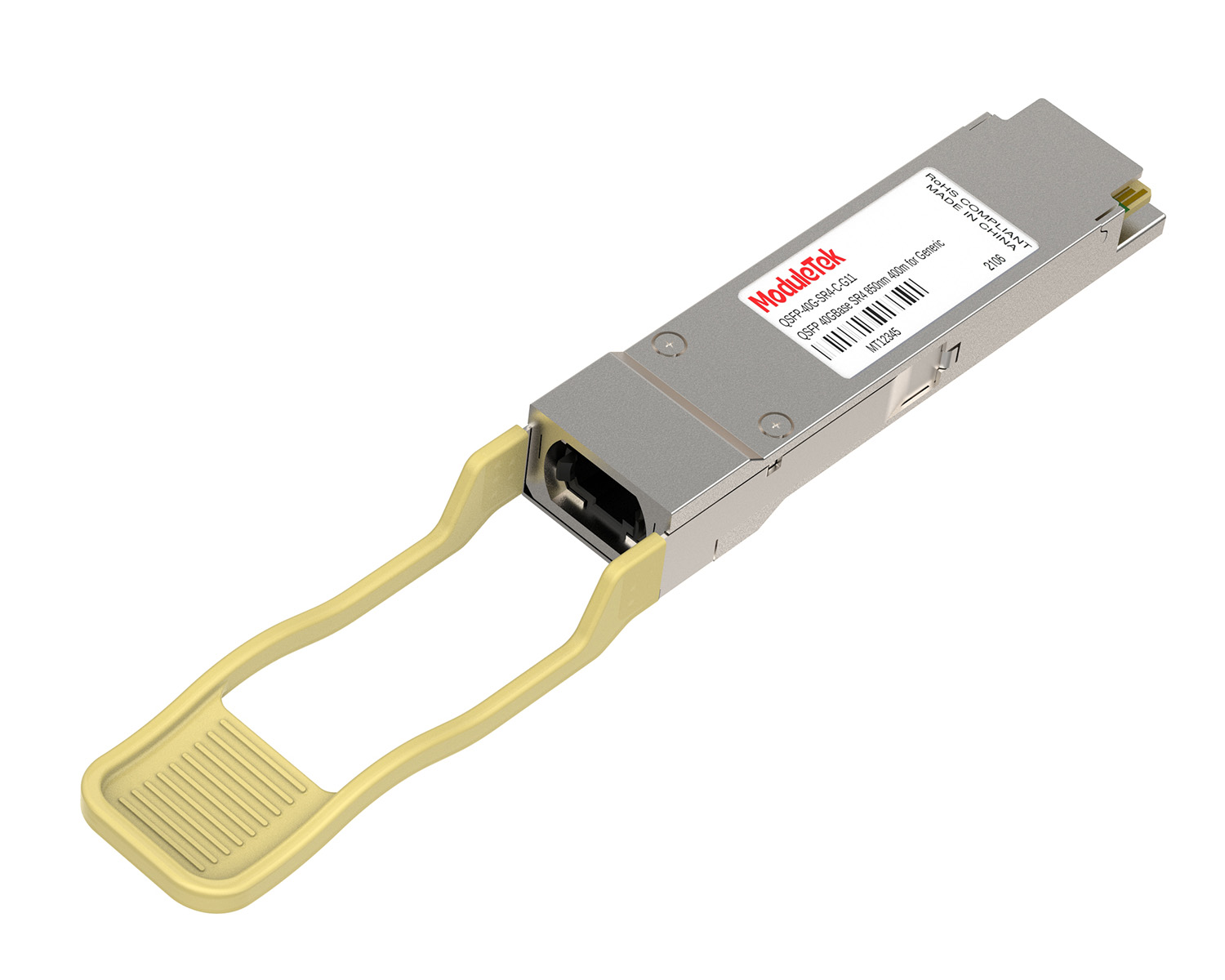
 40G/100G Optical Transceivers
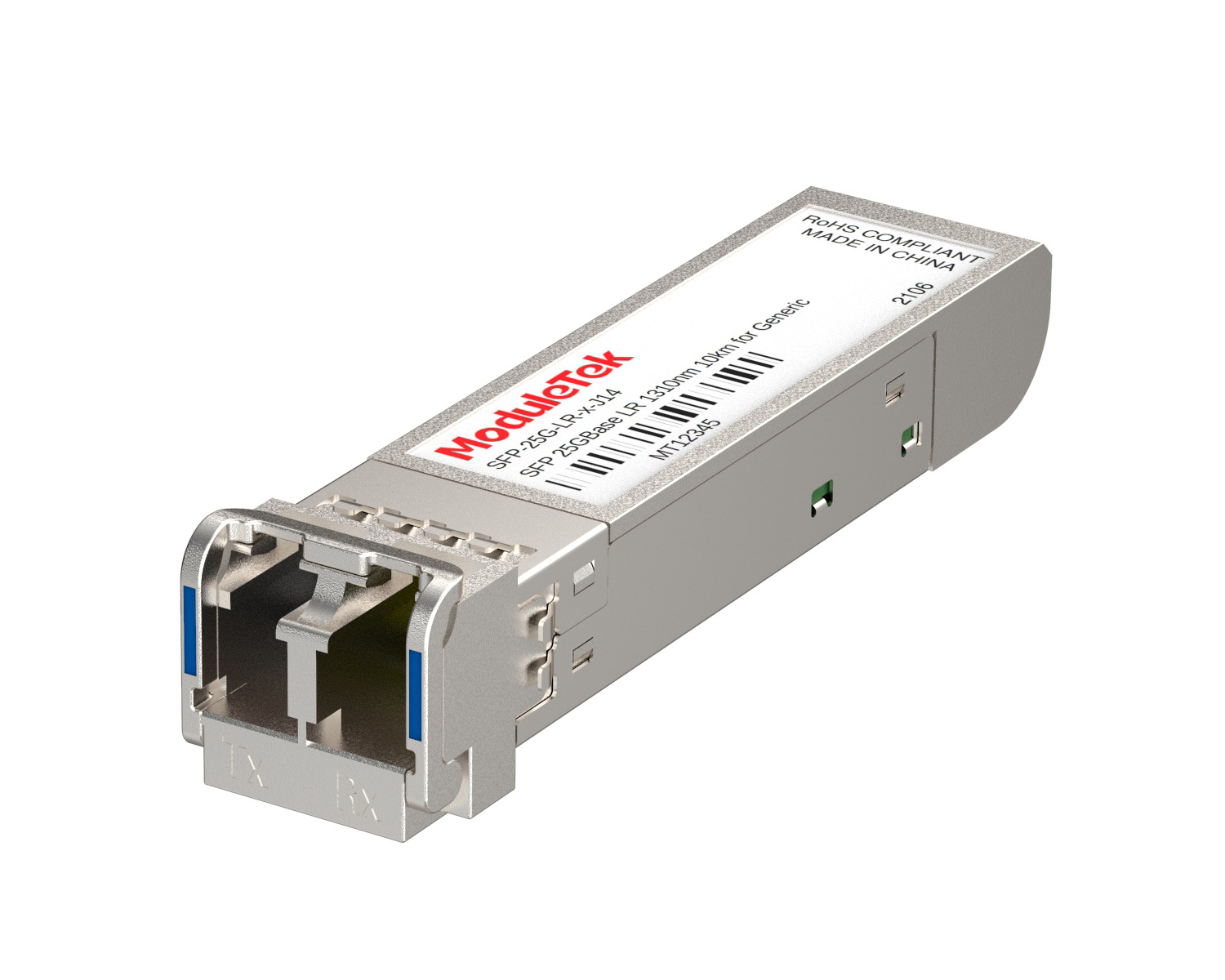 25G Optical Transceivers
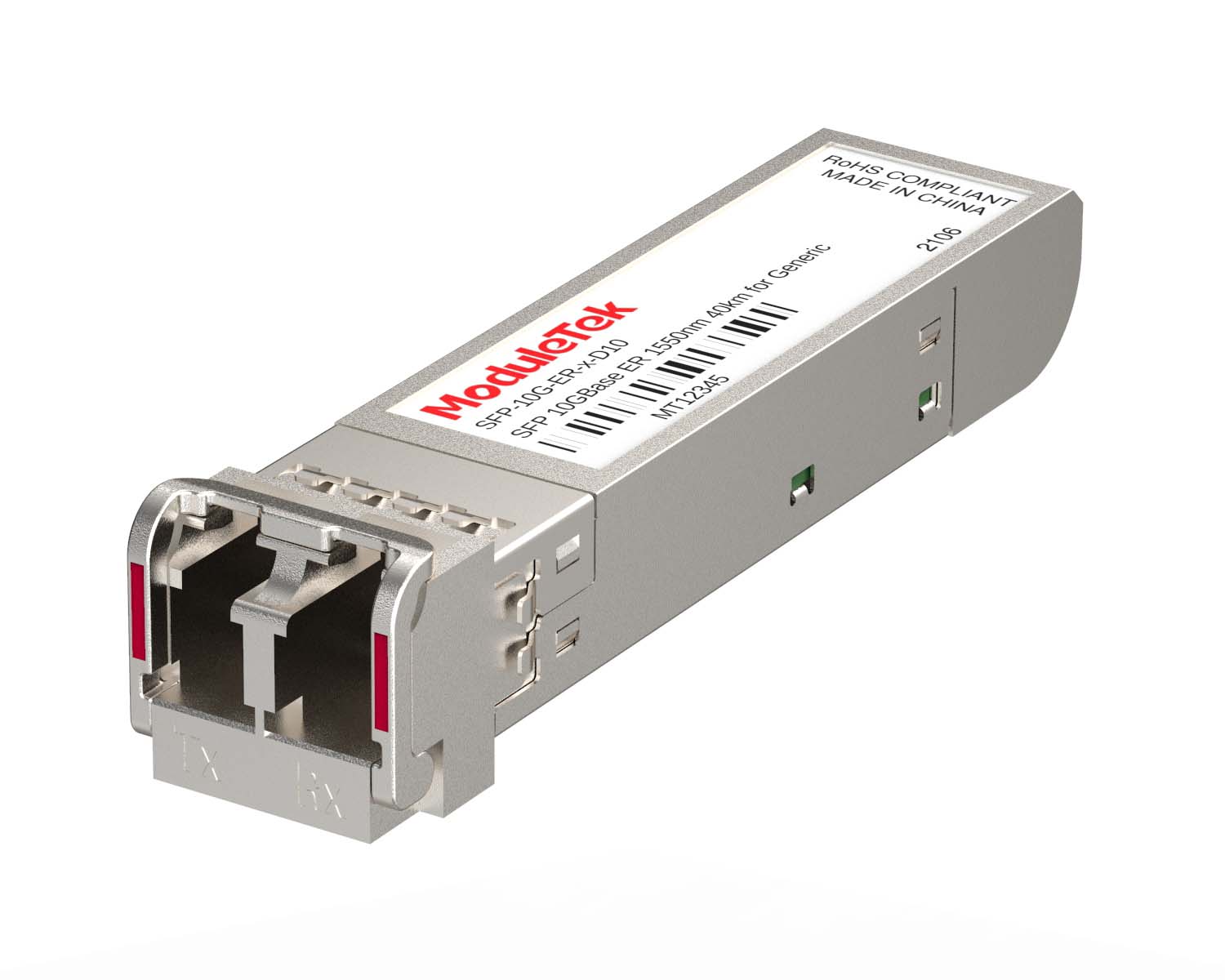 10G Optical Transceivers
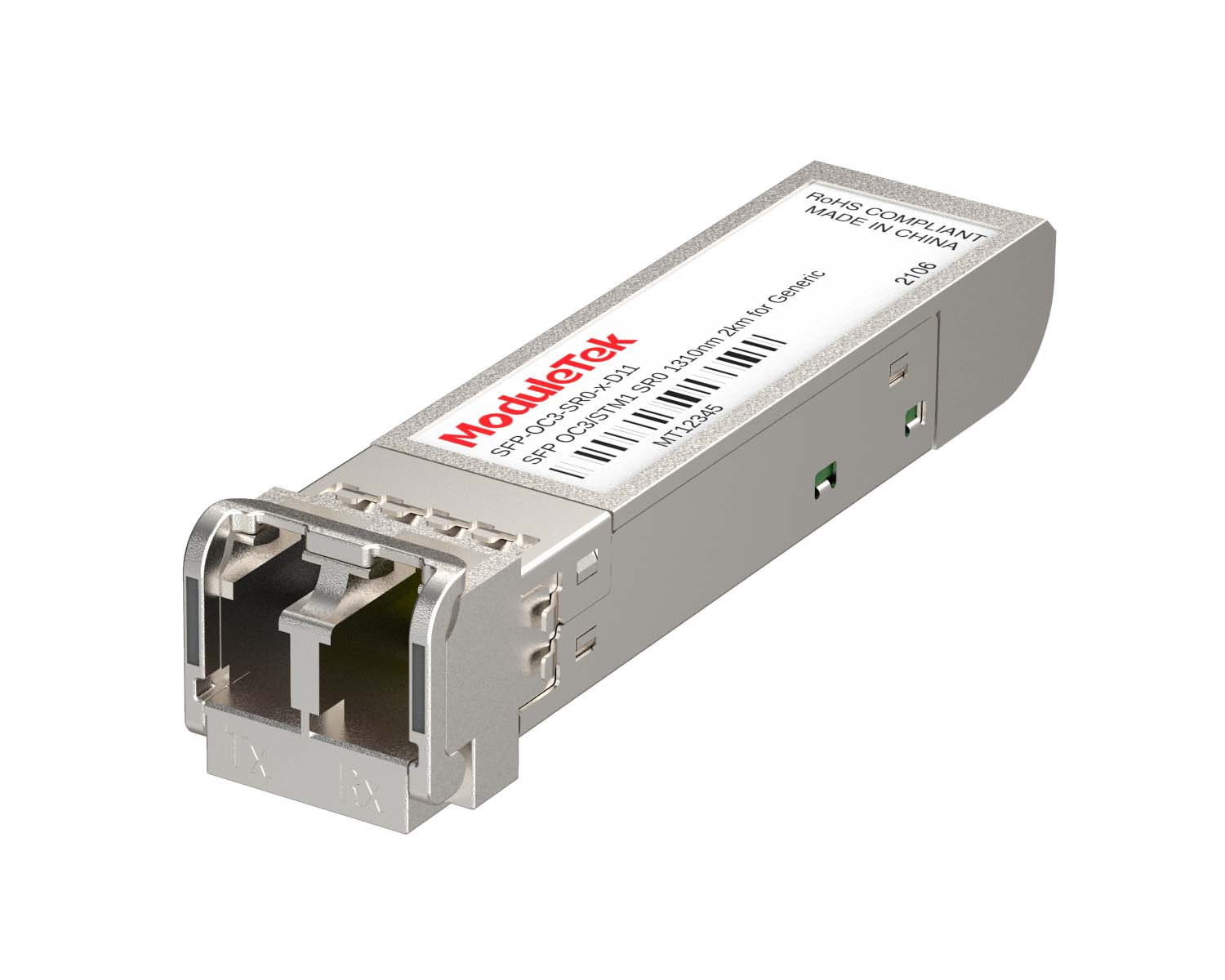 155M/2.5G Optical Transceivers
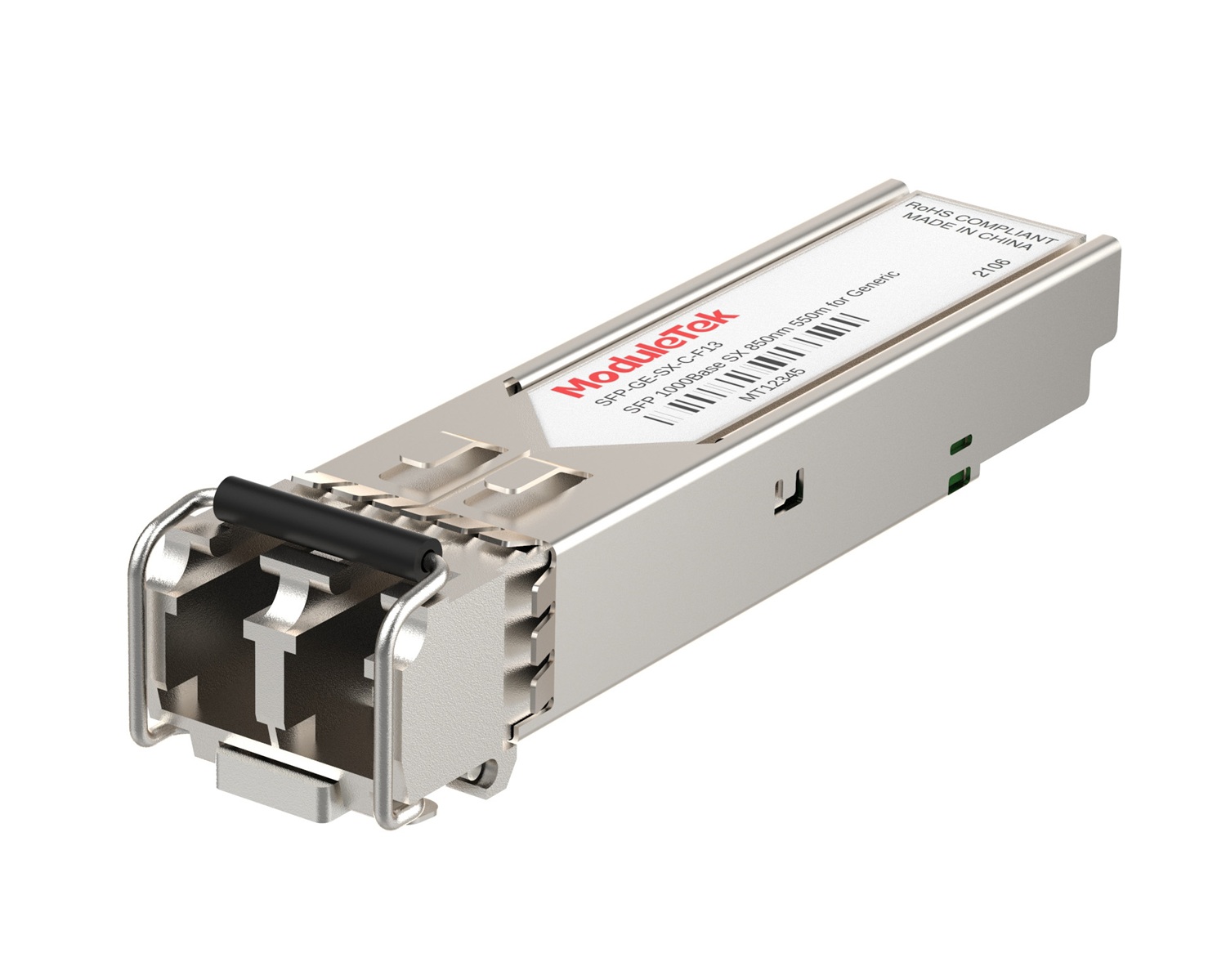 1G Optical Transceivers
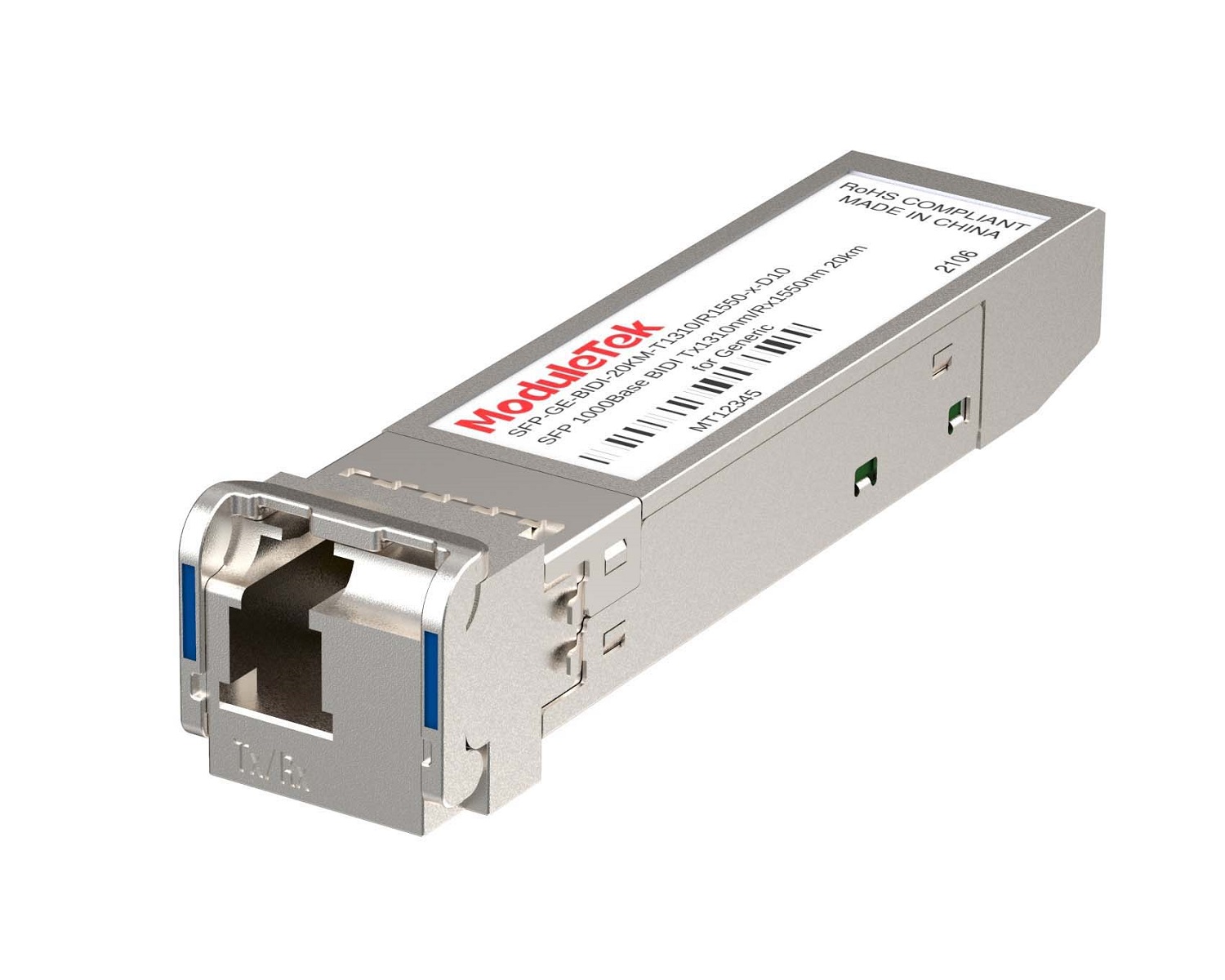 1G BIDI Optical Transceivers
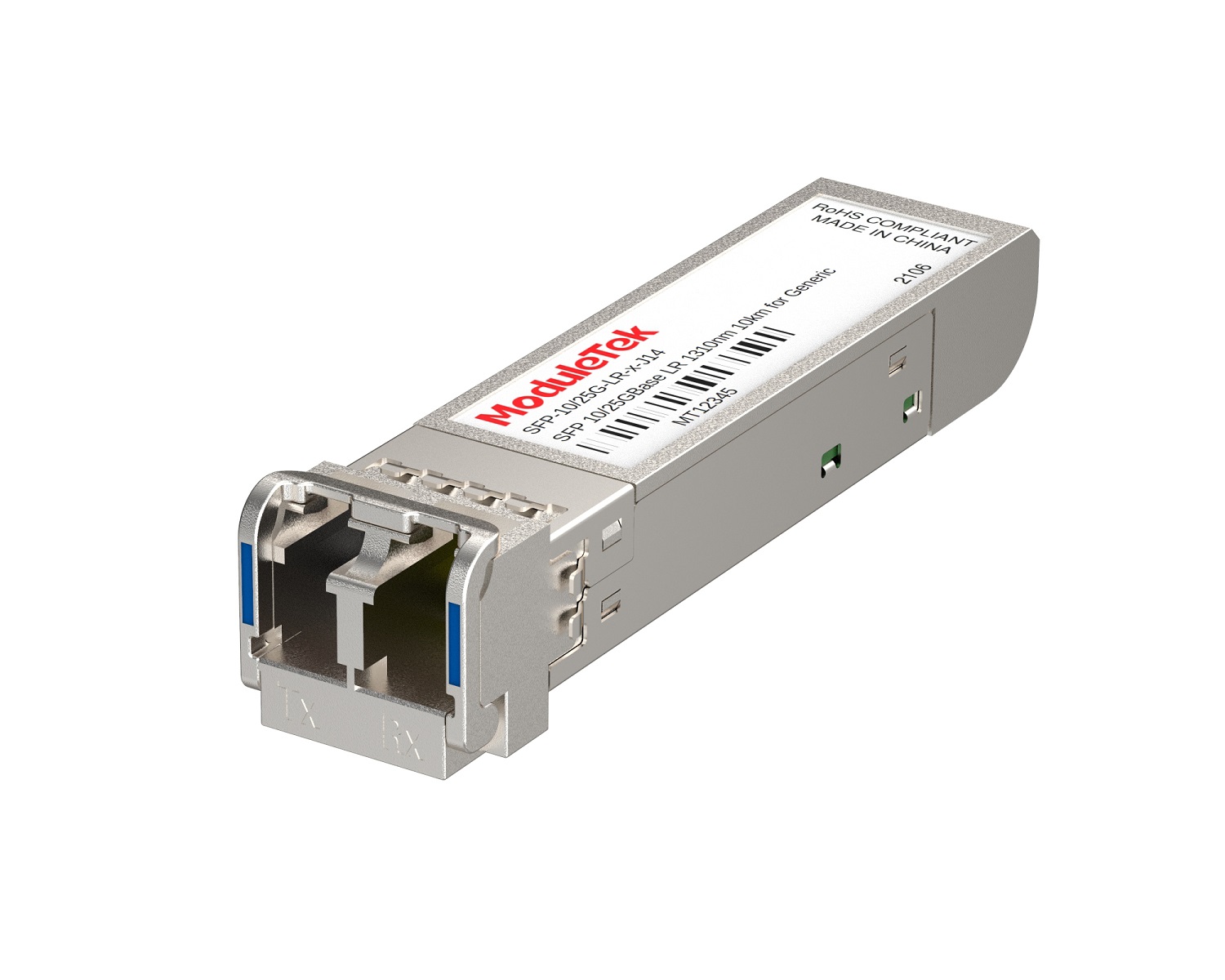 Dual-Rate Optical Transceivers
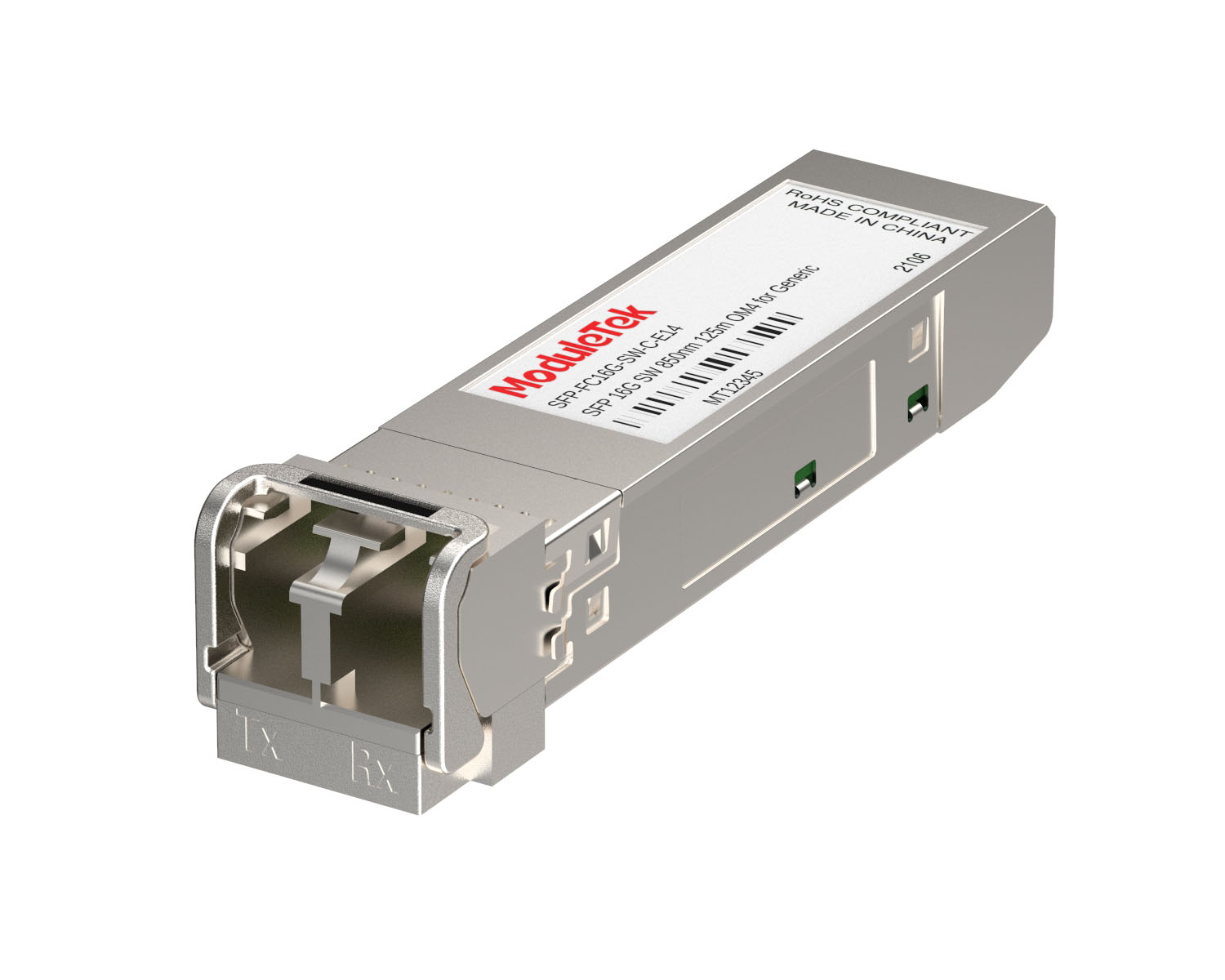 FC 16G/32G Optical Transceivers
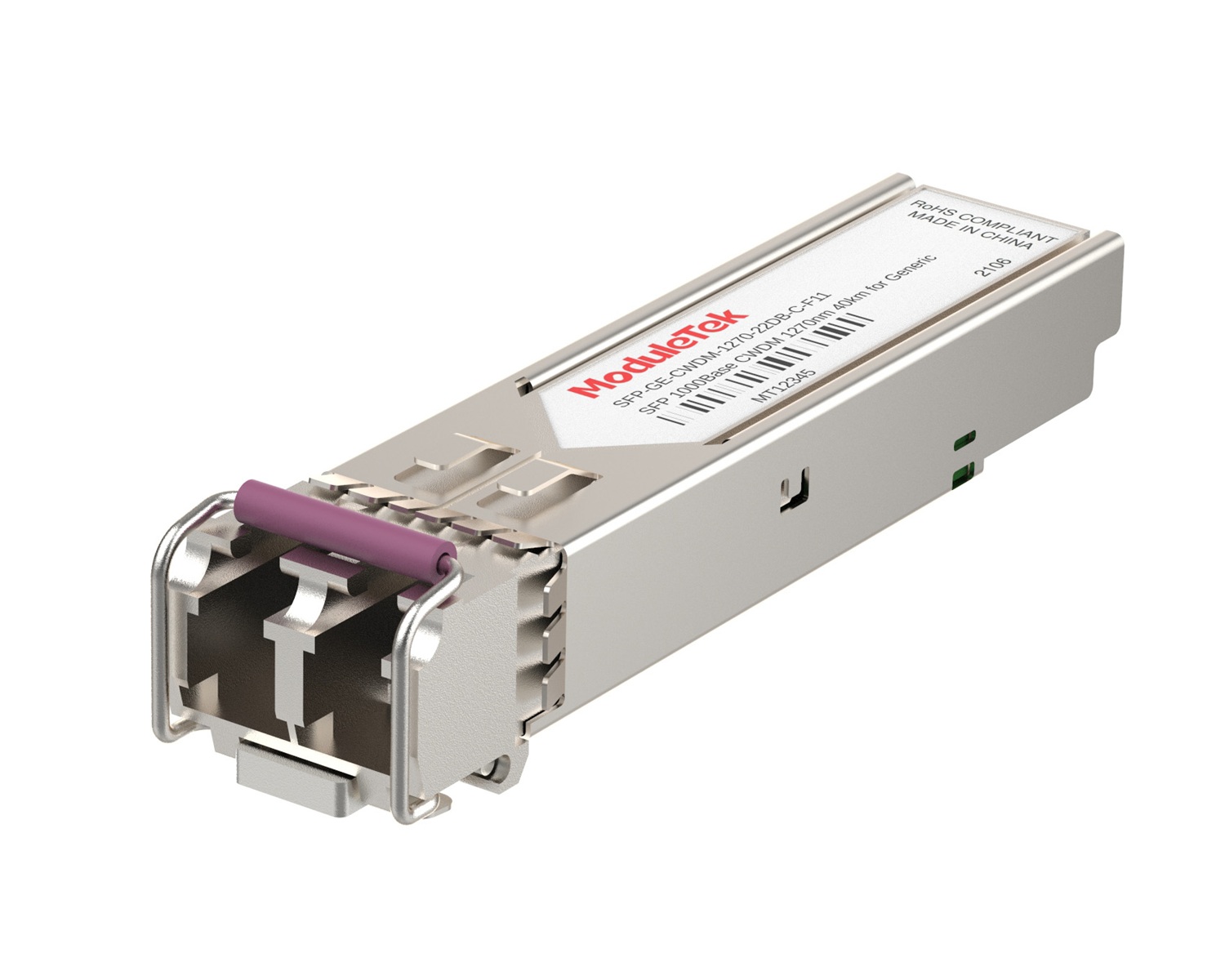 CWDM Optical Transceivers
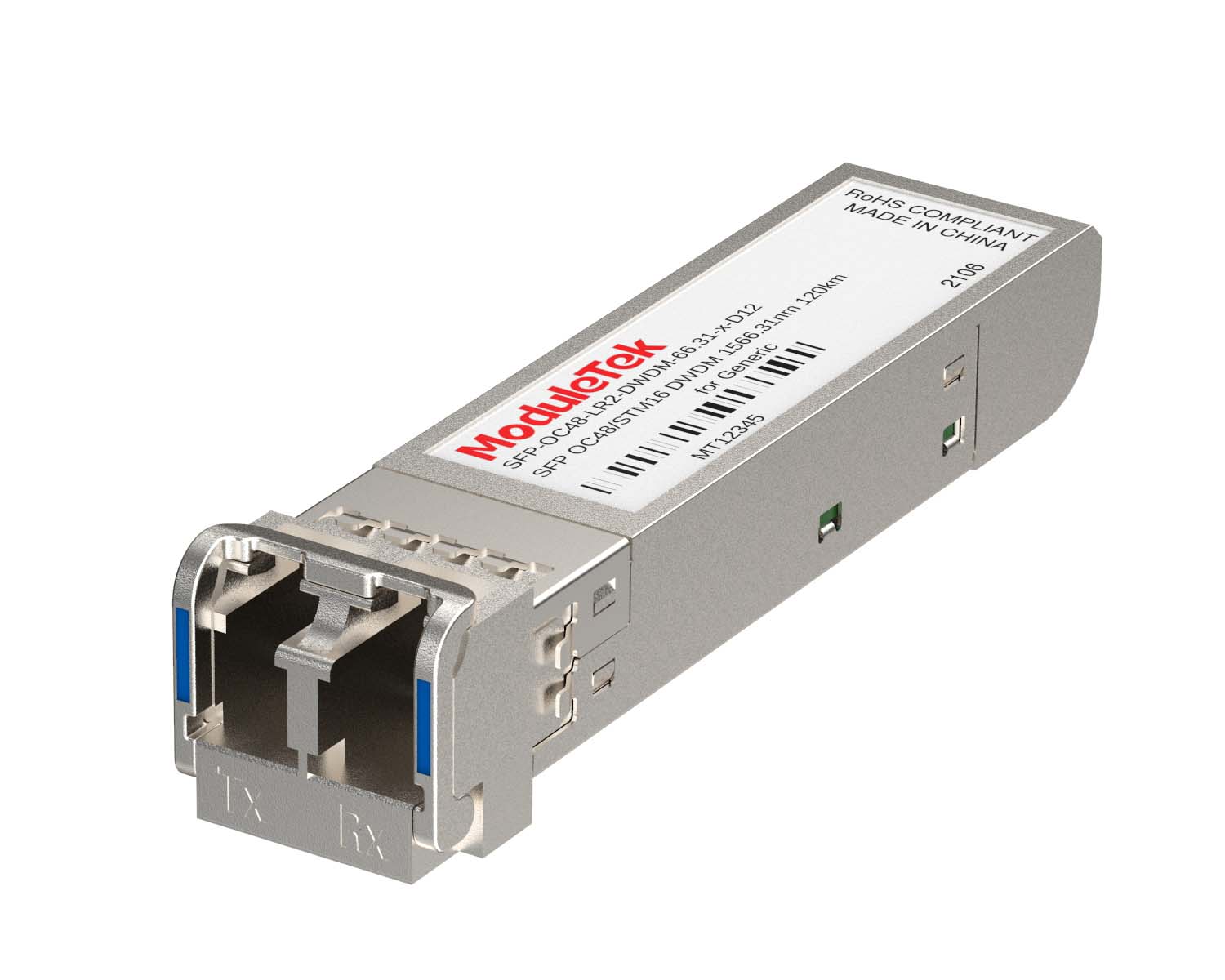 DWDM Optical Transceivers
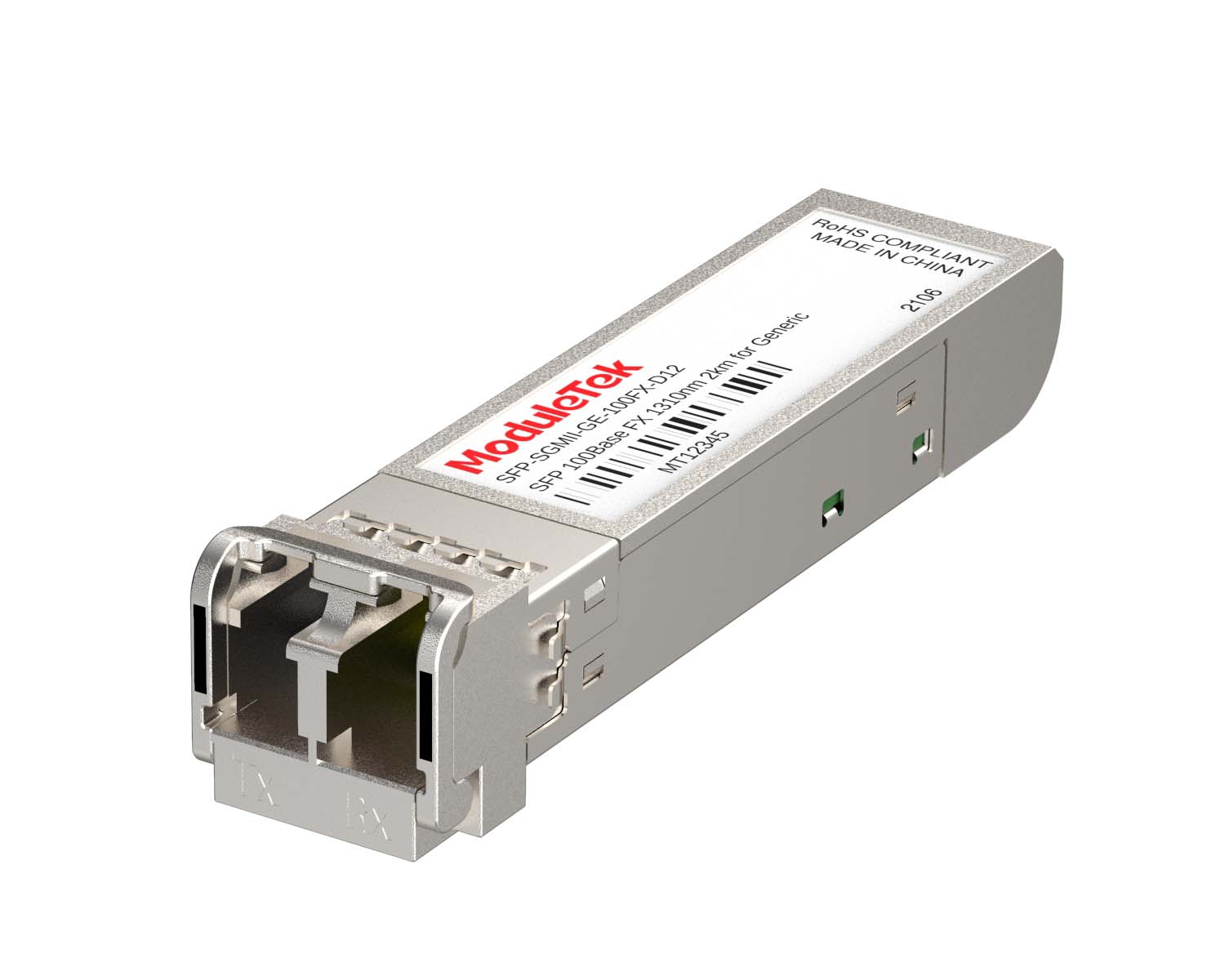 SGMII Port Optical Transceivers
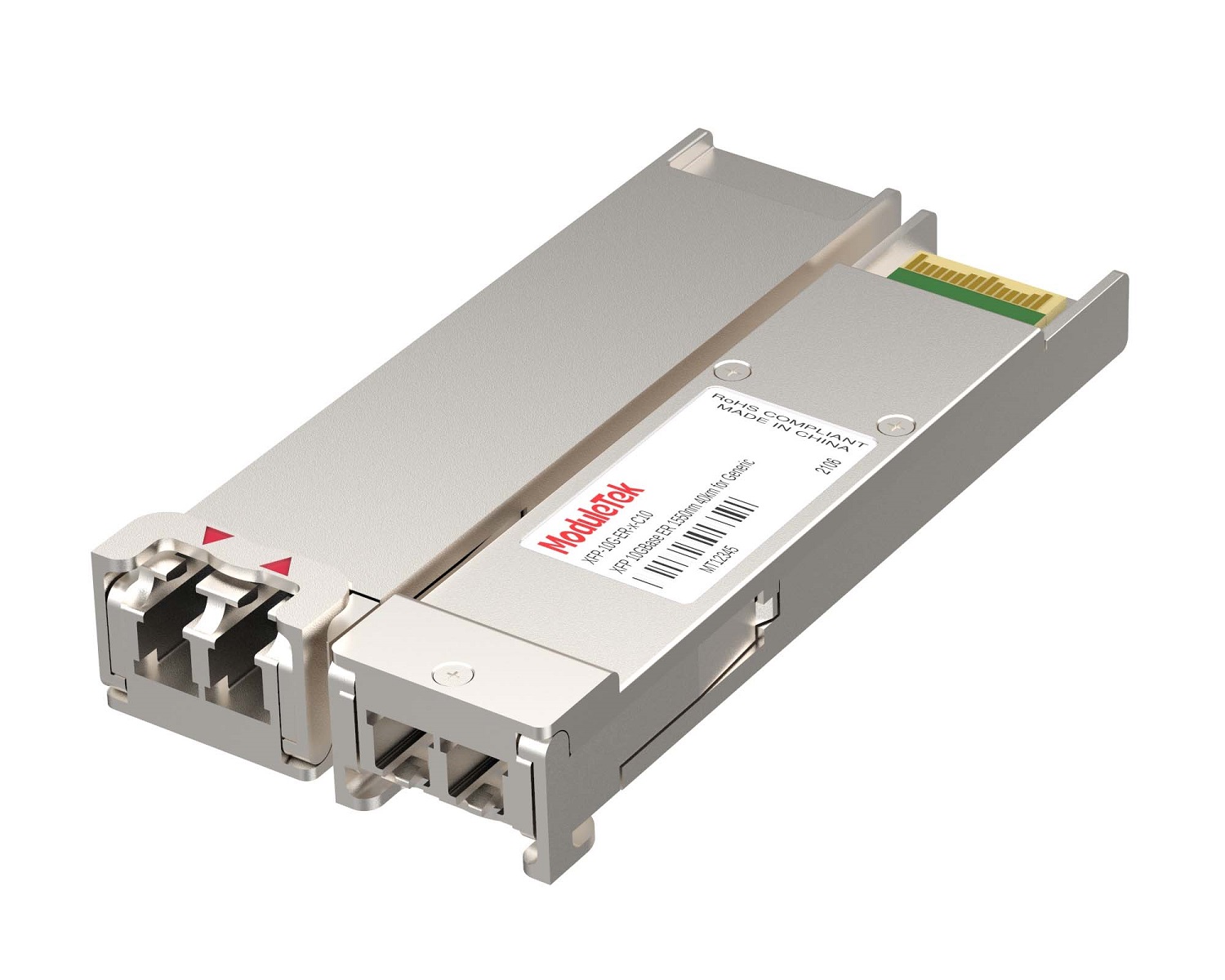 XFP Optical Transceivers
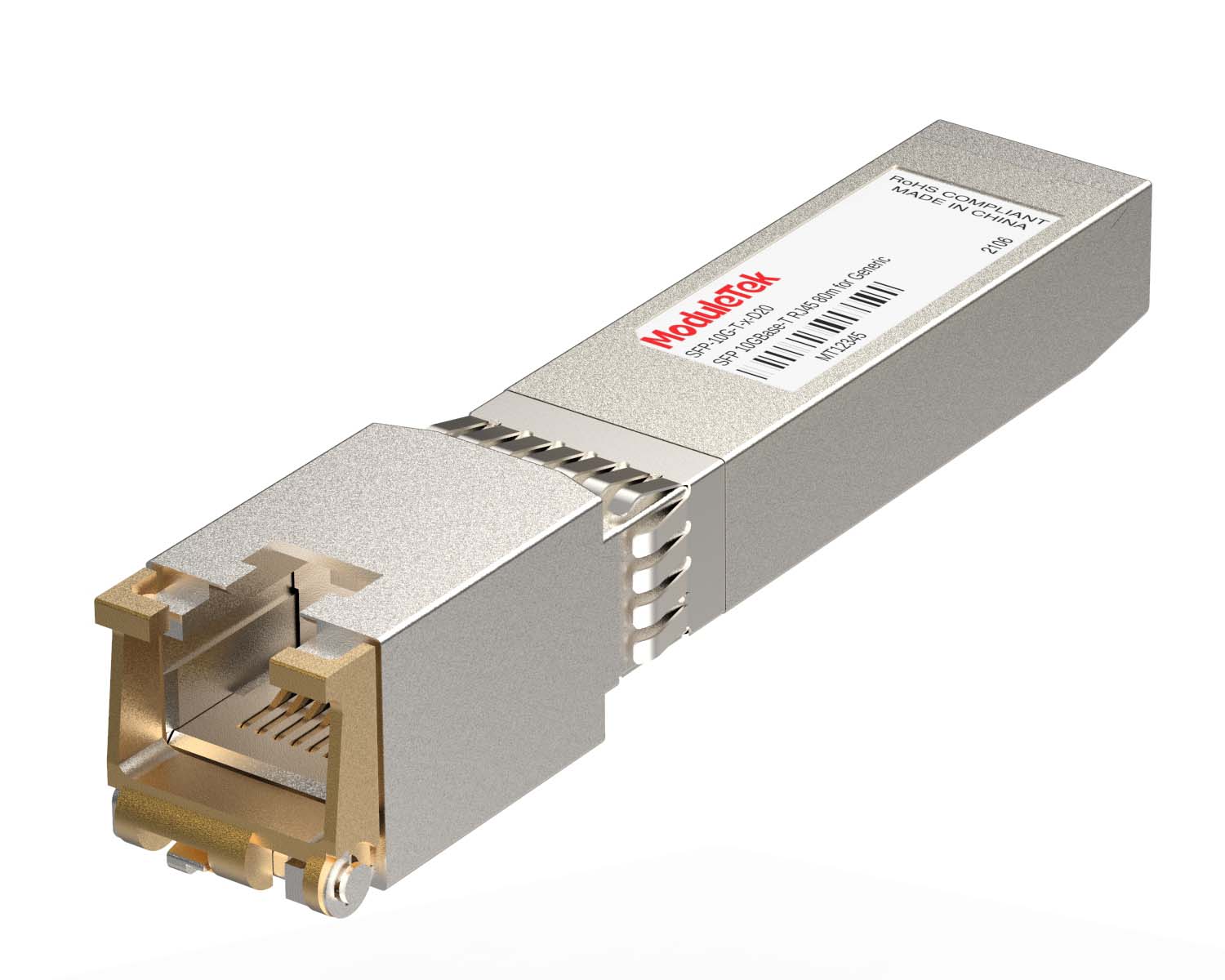 100M/1G/10G Coppers
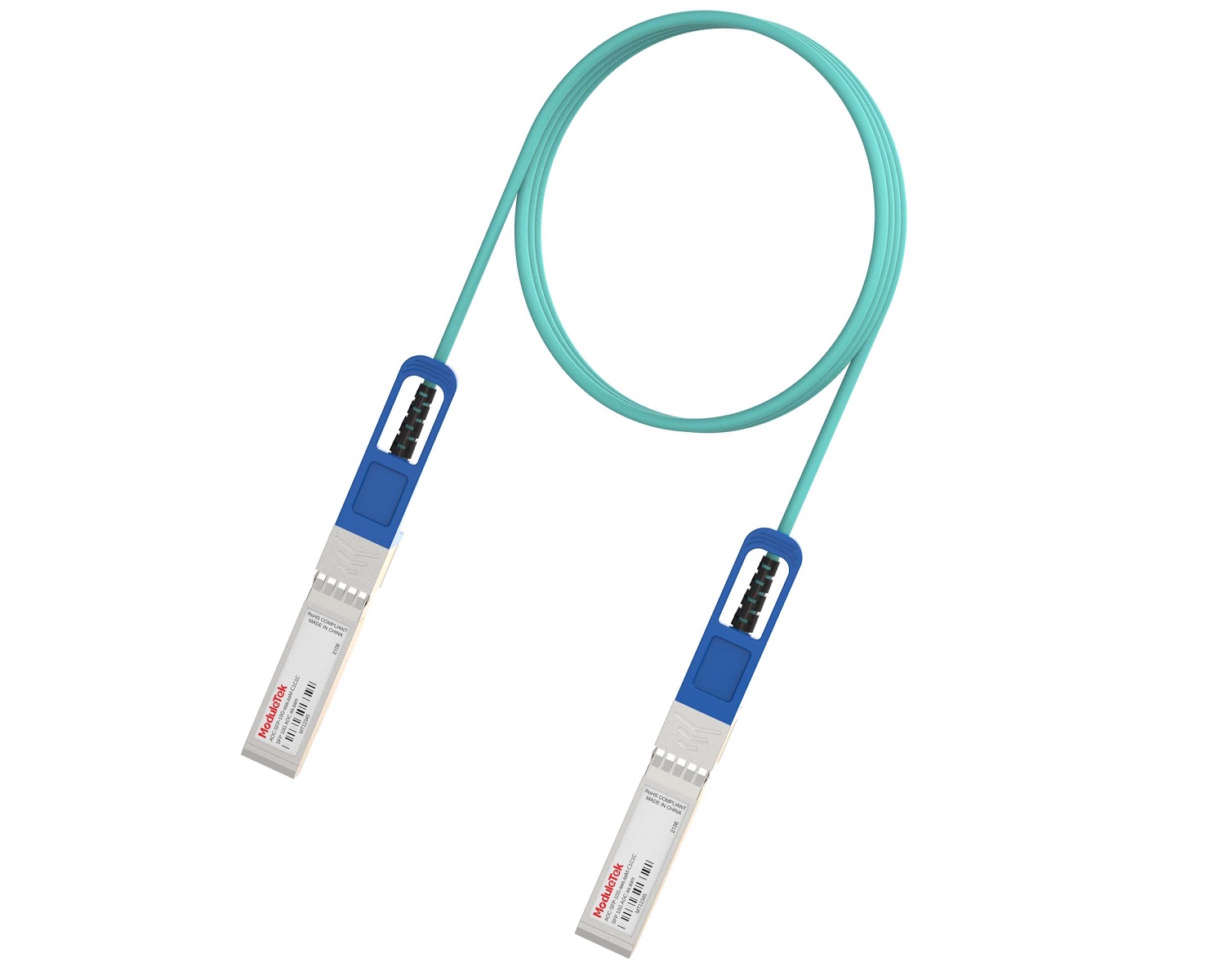 Full-Rate AOC & Breakout Series
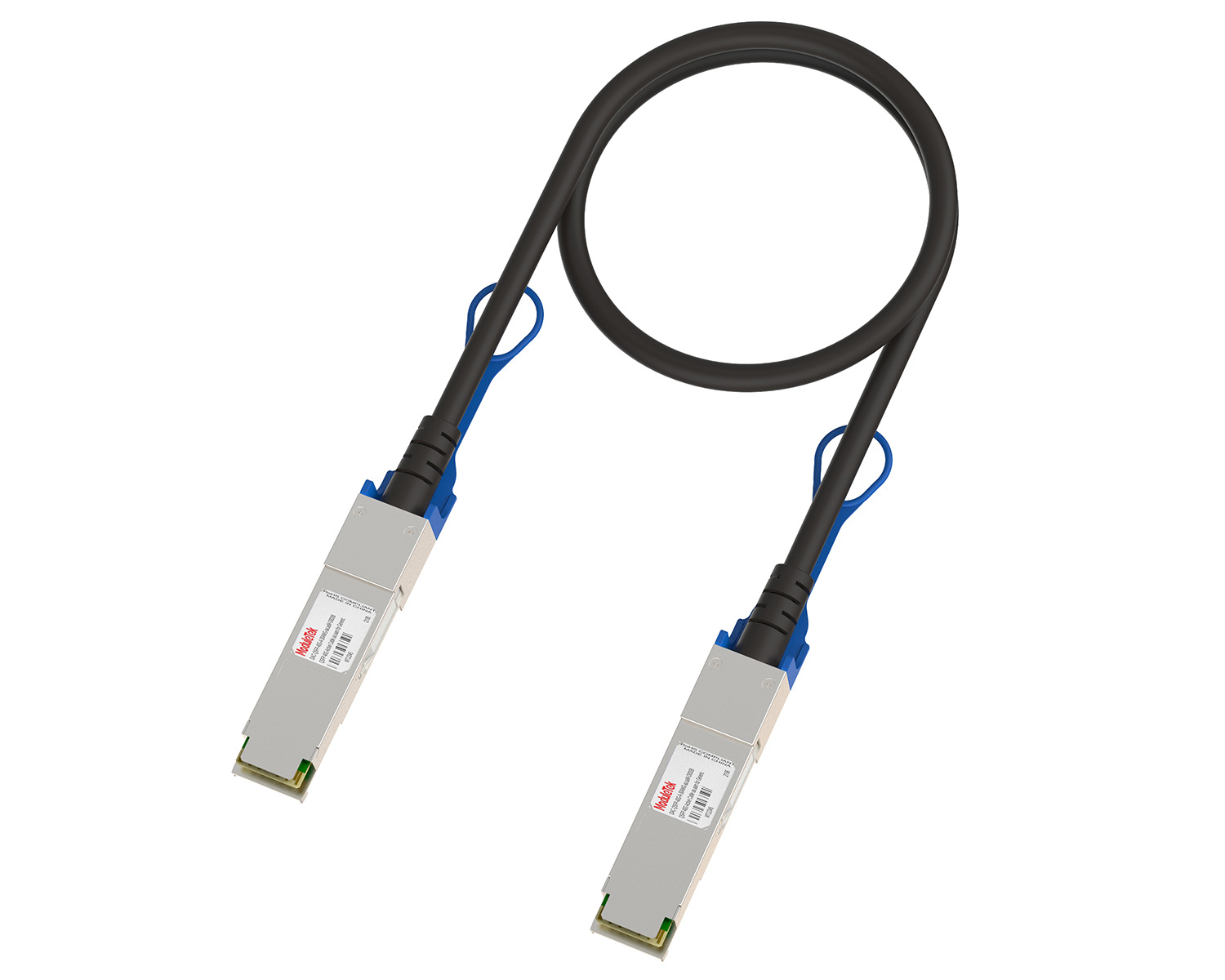 10G/40G Active DAC Series
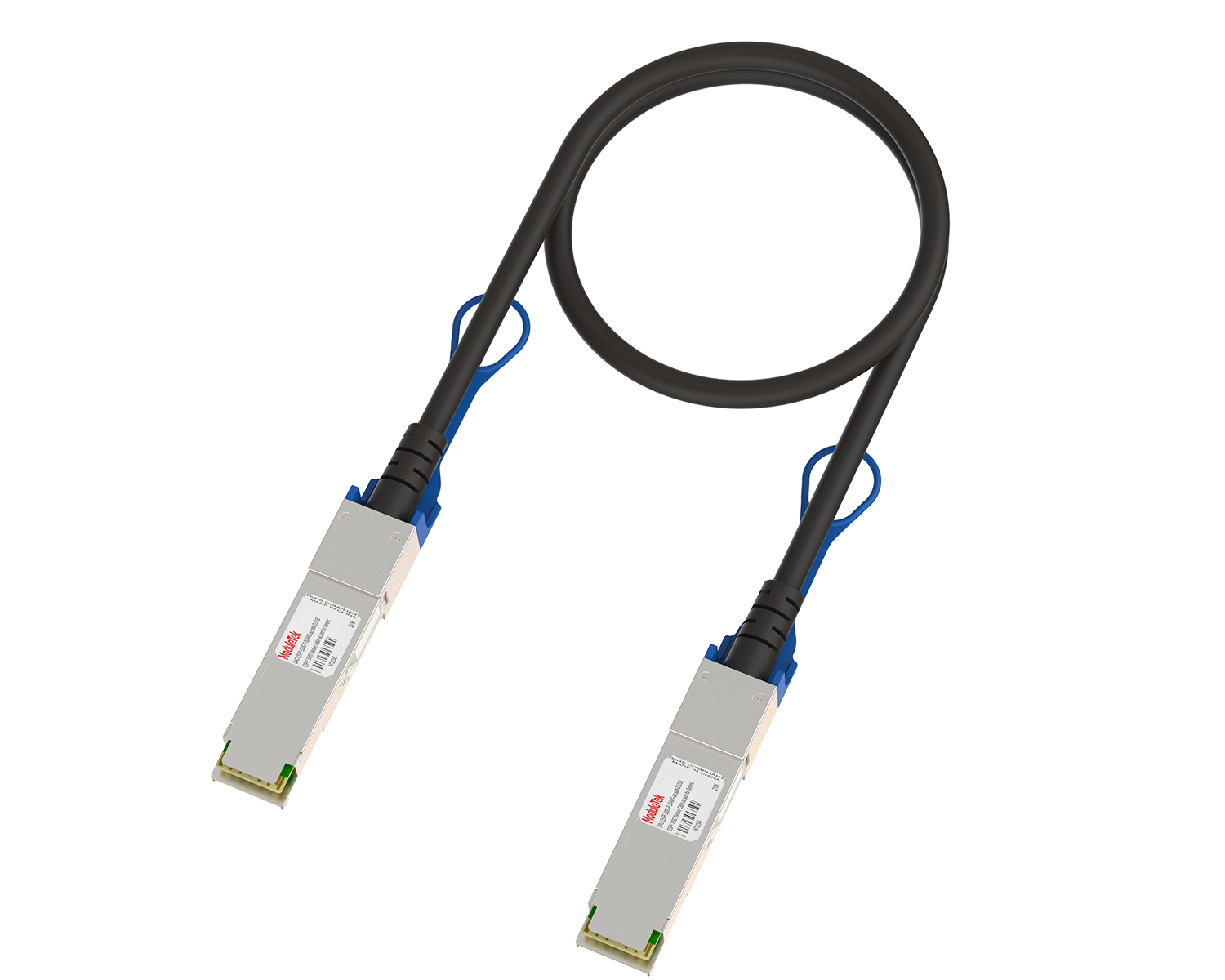 Full-Rate Passive DAC Series
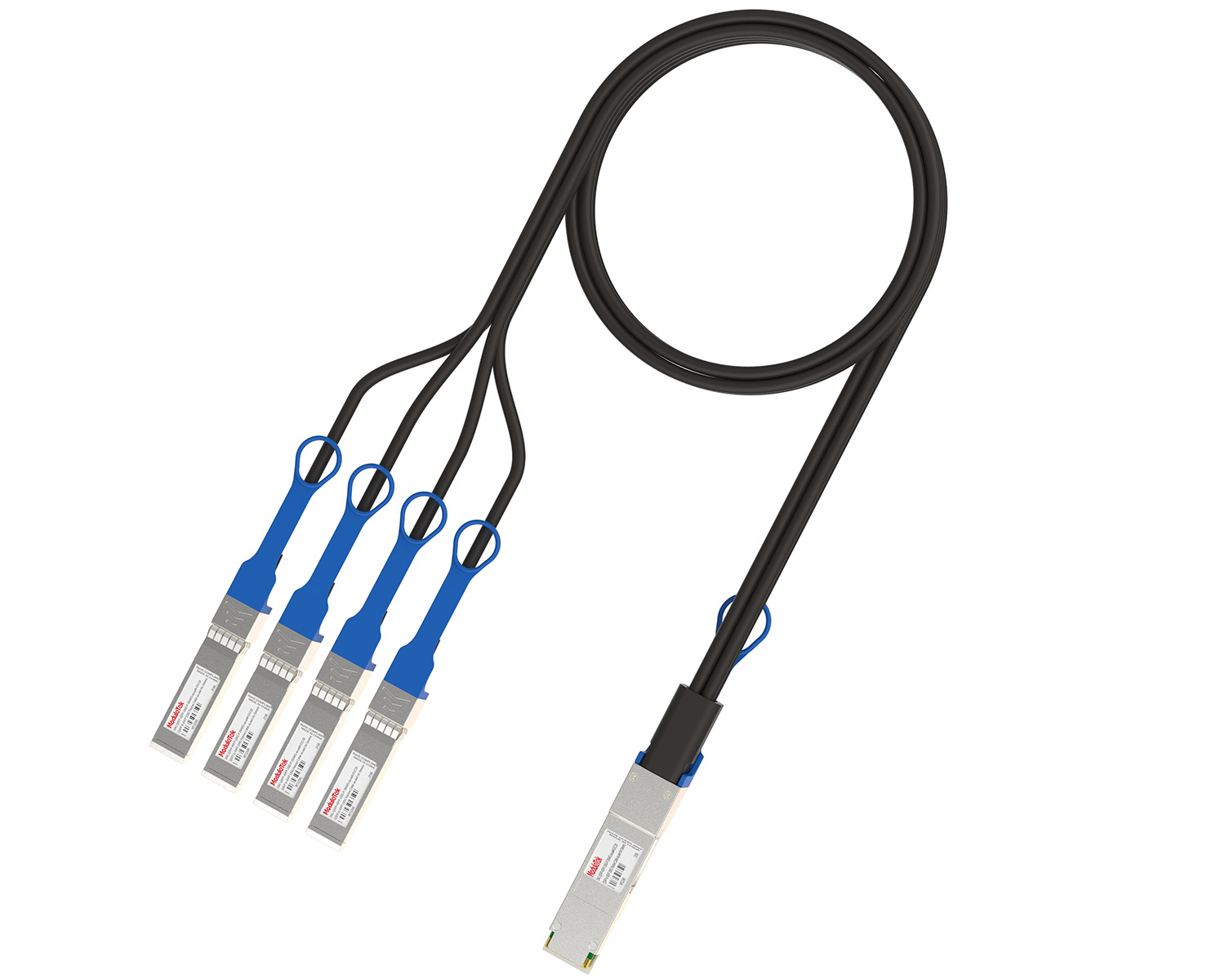 40G/100G Passive Breakout DAC Series
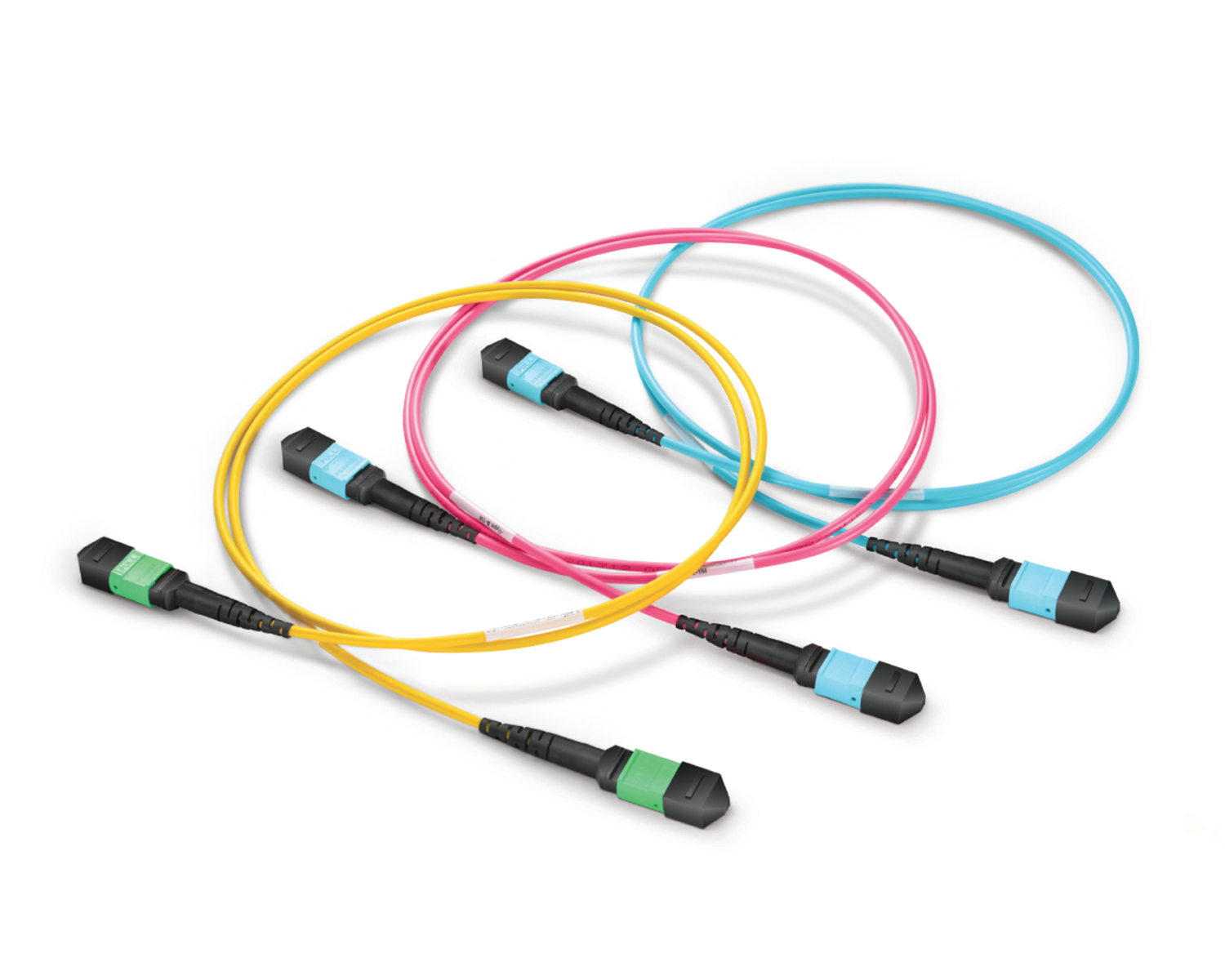 Regular/MTP-MPO Fiber Patch Cords
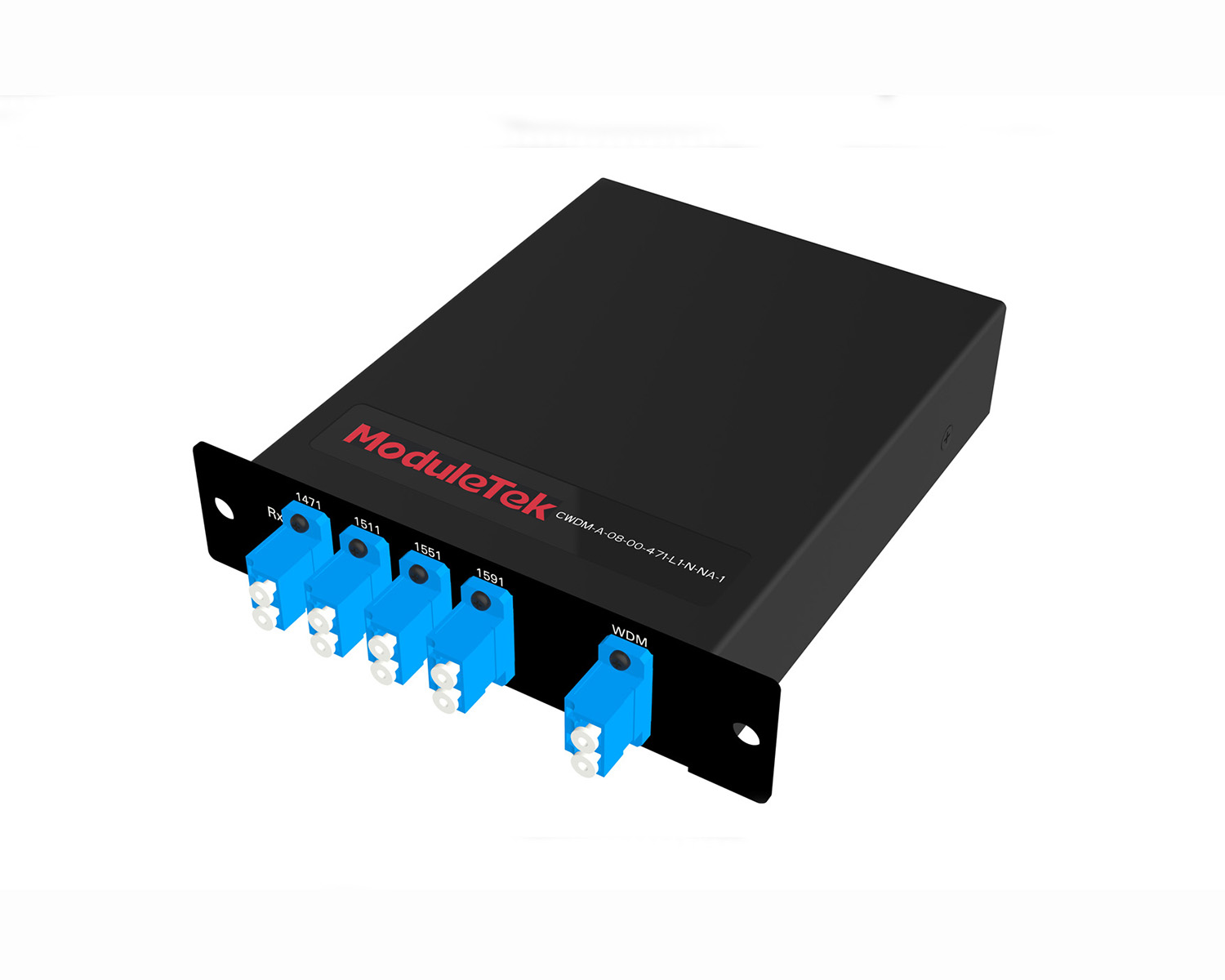 MT2011
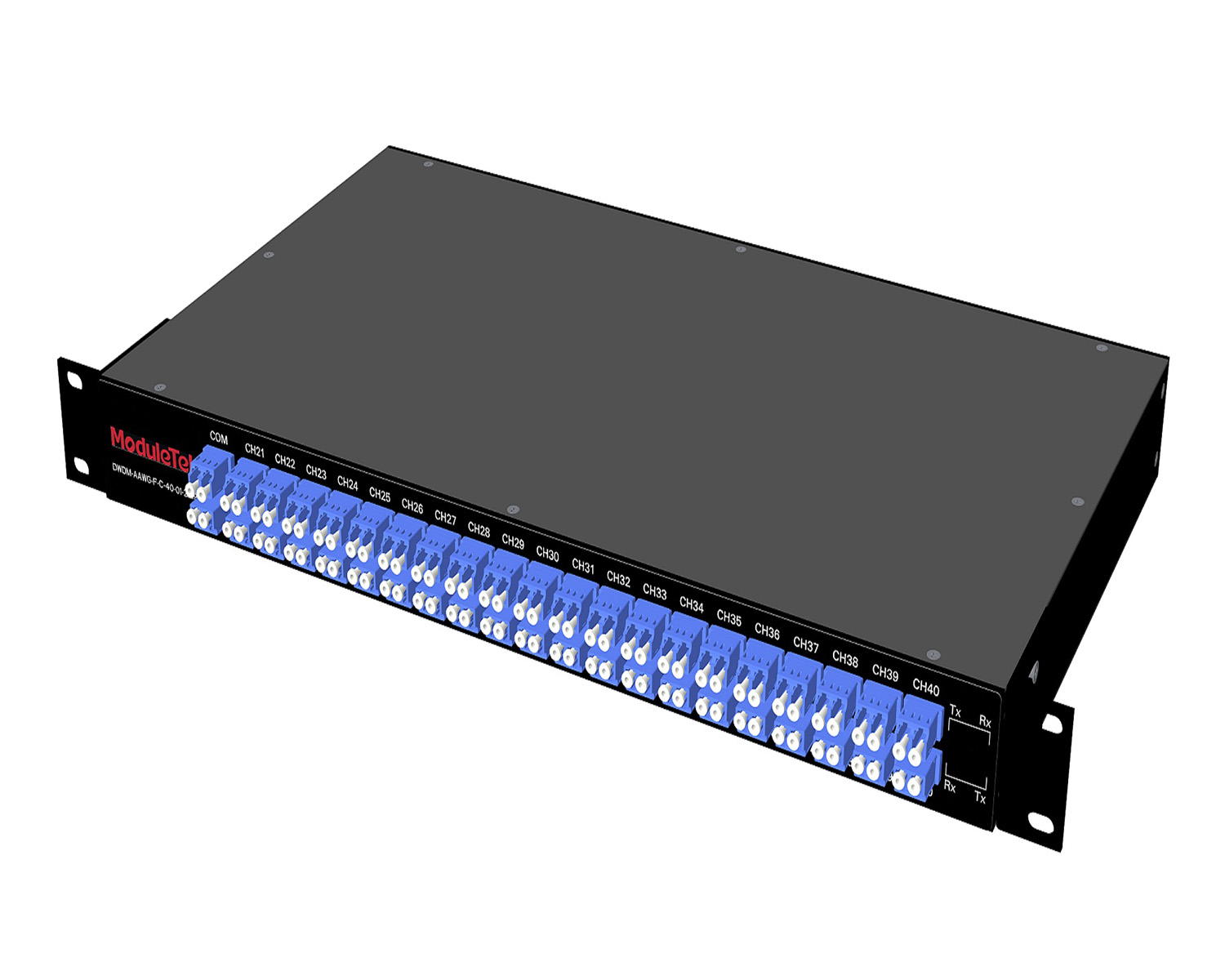 MT2010
 CodingBox
 QSFP to SFP Adapter
Common Non-Certified Optical Module Alarm Messages For Switches
Time: 2025-05-15
To restrict the use of third-party optical modules on their devices, mainstream hardware manufacturers usually detect inserted optical modules. The detection content includes the module manufacturer name, model number, serial number, and customized data segments (plain text or dynamic encrypted information), to identify whether the module is an original factory product or officially certified compatible module.
Different vendors adopt different handling strategies for non-original or uncertified modules, such as prohibiting normal use, generating system alarms, or disabling partial interface functions.
Moduletek Laboratory has sorted out mainstream switch brands with customized compatibility restrictions, and summarizes their processing rules for third-party optical modules.
Table 1 Common Non-Certified Module Alarms and Handling Measures for Mainstream Switches
|
Host Brand
|
Incompatible Performance/Device Handling Measures | Module Non-Authentication Alarm Information |
|
H3C
|
1. The console pops up non-certified alarm messages after a module is inserted into the interface;
2. The system identifies the vendor as non-H3C and does not support DOM information reading.
|
|
|
Huawei
|
1. The console pops up non-certified alarm messages after a module is inserted into the interface;
2. Non-Huawei authentication alarms appear in module identification information.
|
|
|
Cisco
|
1. The console pops up unsupported alarm messages after a module is inserted into the interface;
2. The interface is automatically shut down.
|
|
|
Extreme
|
1. A "!" symbol marked after the module type indicates unsupported status. |
|
|
Juniper
|
1. The console pops up unsupported alarm messages after a module is inserted into the interface;
2. The module part number is displayed as NON-JNPR in hardware information.
|
|
|
Dell
|
1. The console pops up non-certified alarm messages after a module is inserted into the interface;
2. Identification information will prompt whether the module is Dell-certified.
|
|
|
Brocade
|
1. The console pops up non-certified alarm messages after a module is inserted into the interface;
2. Non-Brocade certified module alarms are triggered, and DOM information reading is unavailable.
|
|
|
Nokia
|
1. The console prompts an unsupported module type after a module is inserted into the interface;
2. The module status is displayed as unsupported in identification information.
|
|
|
Arista
|
1. The console pops up non-certified alarm messages after a module is inserted into the interface;
2. The interface is automatically shut down.
|
|
|
Aruba
|
1. The optical module is recognized as unsupported;
2. The interface is forcibly shut down, with the orange indicator flashing to send an alarm.
|
|
ModuleTek Limited is at your service.
For further inquiries about the above content, please contact us at: sales@moduletek.com