
 40G/100G Optical Transceivers
 25G Optical Transceivers
 10G Optical Transceivers
 155M/2.5G Optical Transceivers
 1G Optical Transceivers
 1G BIDI Optical Transceivers
 Dual-Rate Optical Transceivers
 FC 16G/32G Optical Transceivers
 CWDM Optical Transceivers
 DWDM Optical Transceivers
 SGMII Port Optical Transceivers
 XFP Optical Transceivers
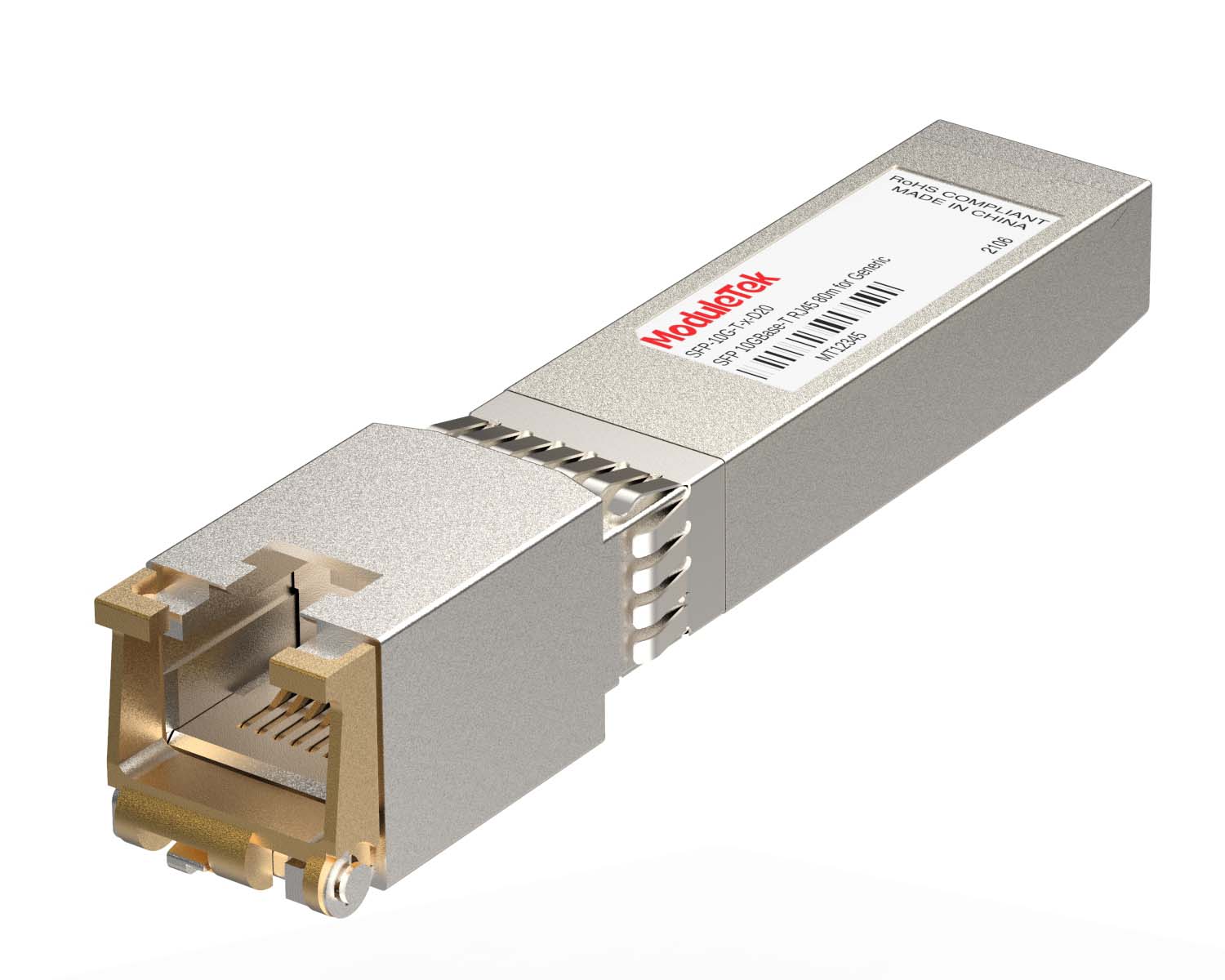 100M/1G/10G Coppers
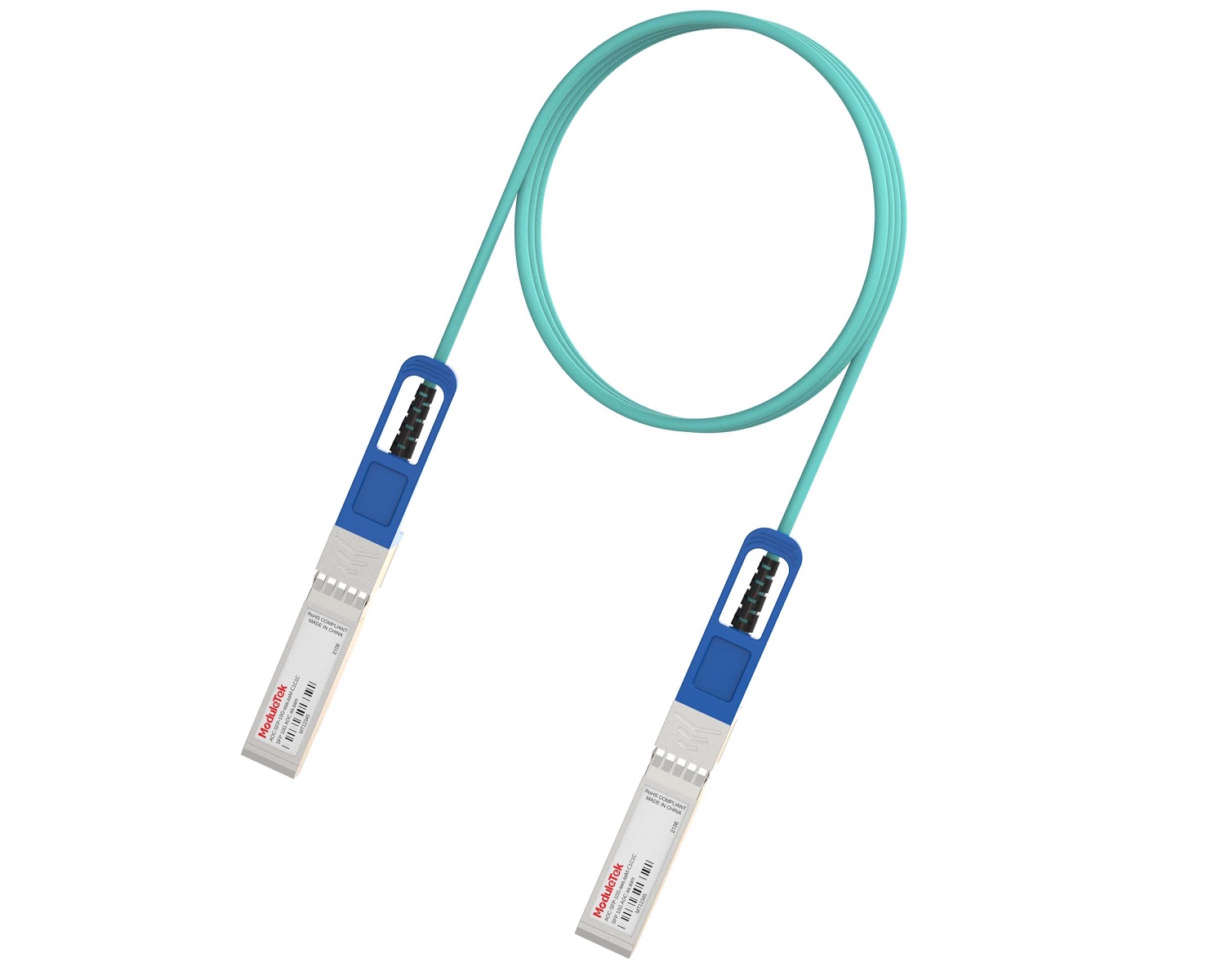 Full-Rate AOC & Breakout Series
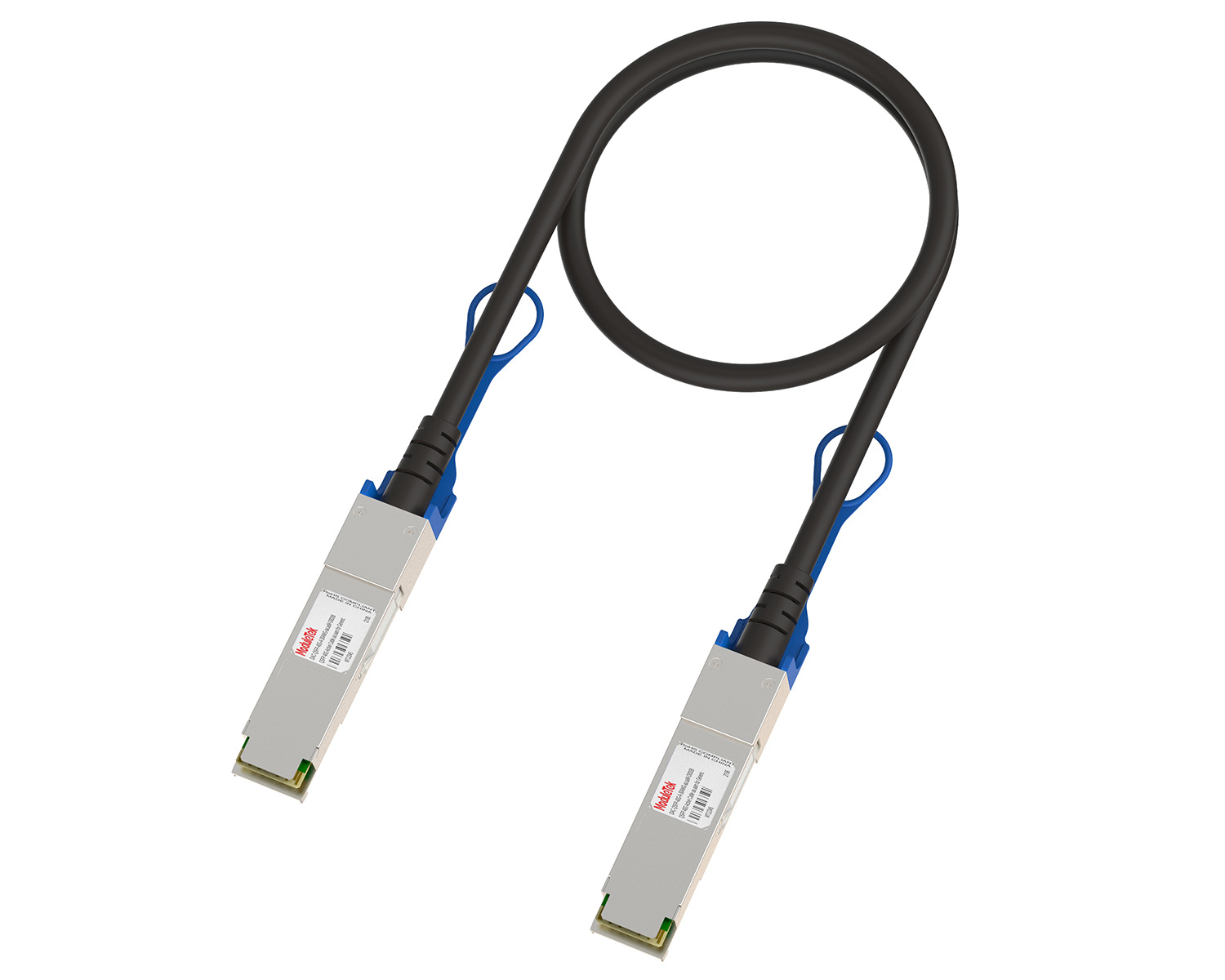 10G/40G Active DAC Series
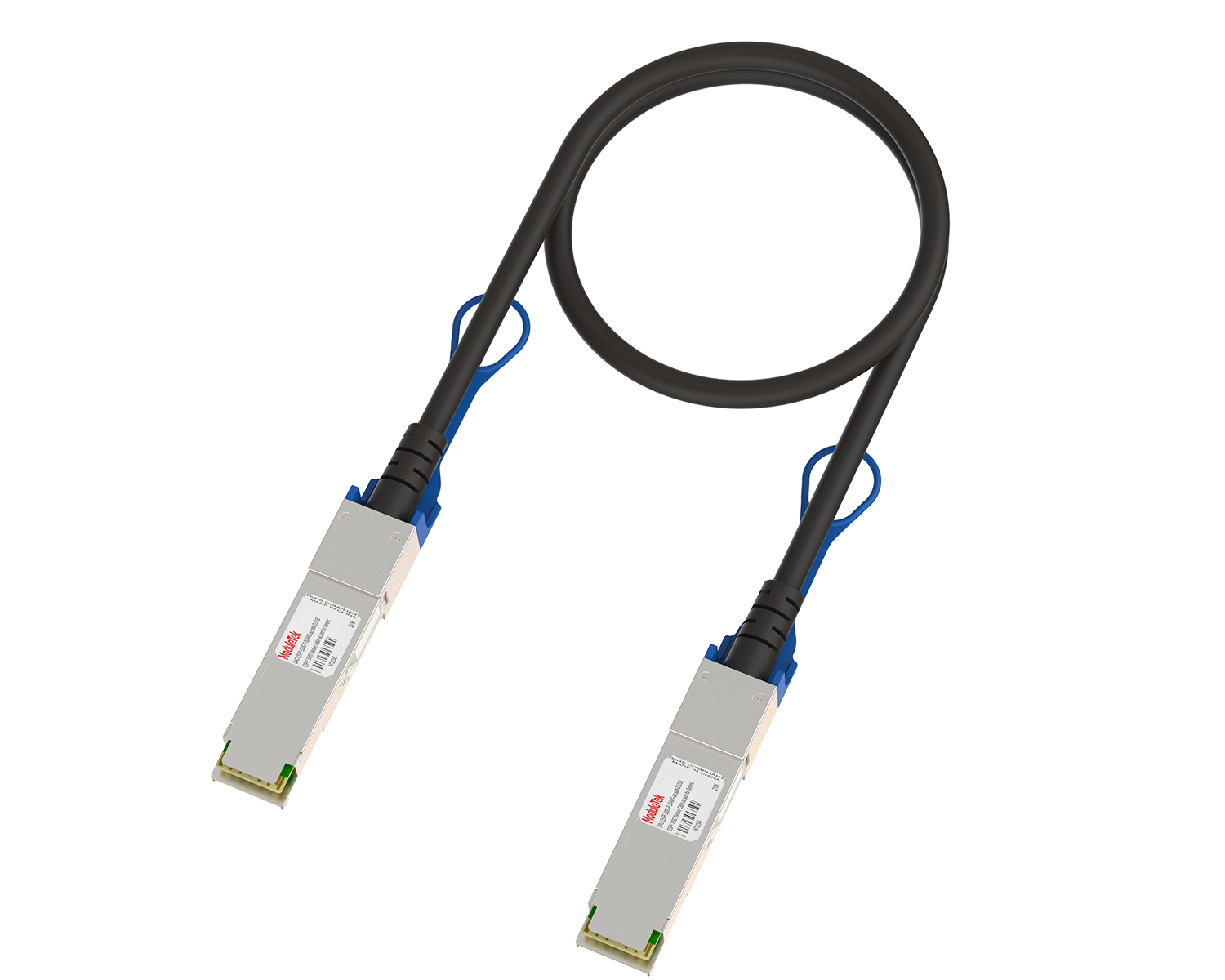 Full-Rate Passive DAC Series
 40G/100G Passive Breakout DAC Series
 Regular/MTP-MPO Fiber Patch Cords
 MT2011
 MT2010
 CodingBox
 QSFP to SFP Adapter
 首页 > Home > Application Notes > Differences Between Electrical Port Modules And Optical Port Modules
Differences Between Electrical Port Modules And Optical Port Modules
Time: 2020-02-23
Optical modules are indispensable components in enterprise network deployment. They can be categorized into different types based on transmission rate, form factor and interface type, among which electrical port modules are one specific category. In daily enterprise network deployment, electrical port modules are far less commonly used than optical port modules. Does this mean that optical port modules outperform electrical port modules? The answer is no. In fact, electrical port modules deliver performance comparable to that of optical port modules while boasting unique advantages. This article will share relevant knowledge and key differences between electrical port modules and optical port modules.
• What is an Electrical Port Module?
An electrical port module, also known as an optical-to-electrical port converter module, is a hot-swappable device with an SFP form factor. It features an RJ45 connector and uses UTP cables as the transmission medium. Since Ethernet transmission over UTP cables is generally limited to distances of less than 100 meters, electrical port modules are primarily designed for short-reach data transmission applications.
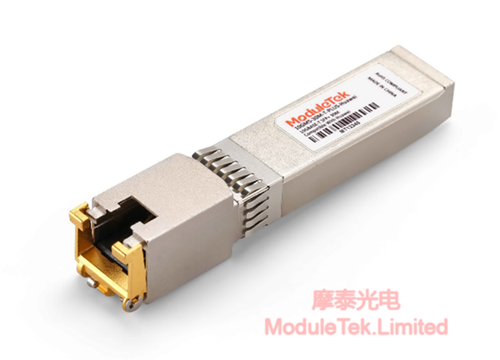
Figure 1 Electrical Port Module
• Application Scenarios of Electrical Port Modules
Electrical port modules can be directly plugged into switches or network interface cards (NICs) equipped with 100M, 1G or 10G SFP ports. They enable data transmission at speeds of up to 10G by leveraging existing UTP copper cabling systems to connect server NICs and switches, eliminating the need for customers to invest in additional fiber optic cabling upgrades.
• Types of Electrical Port Modules
Electrical port modules are classified into three types based on their rate classes: Fast Ethernet electrical port modules, Gigabit electrical port modules, and 10 Gigabit electrical port modules.
1. Fast Ethernet Electrical Port Modules: Supporting a maximum transmission rate of 100M, these modules are typically used with Fast Ethernet SFP ports. Given that most 100BASE-T ports are natively provided as RJ45 ports on switches and NICs, the application scenarios for this type of module are relatively limited.
2. Gigabit Electrical Port Modules: With a maximum rate of 1G, these modules are designed for Gigabit SFP ports. They support multiple operating modes, mainly including SGMII-to-10/100/1000BASE-T mode and 1000BASE-X-to-1000BASE-T mode. Users need to select the appropriate Gigabit electrical port module according to the type of switch in use.
3. 10 Gigabit Electrical Port Modules: These modules support a maximum transmission rate of 10G and are usually used with 10G SFP ports. As most switches and NICs currently lack native 10G-T RJ45 ports, 10 Gigabit SFP electrical port modules are required to provide this connectivity. However, due to power consumption constraints of the underlying PHY chips, 10 Gigabit electrical port modules still have relatively high overall power consumption. Therefore, heat dissipation of the switch needs to be taken into consideration during deployment. It is recommended that customers avoid installing multiple electrical port modules in adjacent ports simultaneously. At present, Moduletek can supply 10 Gigabit electrical port modules with a power consumption as low as 1.8W, which is at the world's advanced level.
• What is an Optical Port Module?
An optical port is a physical interface used to connect fiber optic cables. Common optical port types on modules include LC and MPO. Currently, mainstream optical modules include SFP and QSFP form factors, with transmission rates ranging from 2M to 100G. SFP modules adopt a single-channel working mode with one transmitter and one receiver, and the industry can stably supply SFP modules supporting a rate of 25G. QSFP modules use a four-channel working mode with four transmitters and four receivers, and the industry can provide QSFP modules that aggregate four channels to achieve a 100G transmission rate.
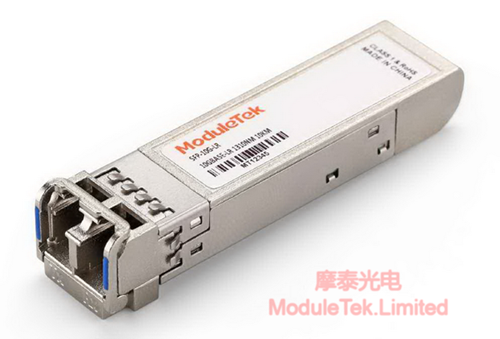
Figure 2 Optical Port Module
• Key Differences Between Electrical Port Modules and Optical Port Modules
Interfaces: Electrical port modules use RJ45 interfaces, whereas optical port modules mainly adopt duplex LC interfaces, with simplex LC and MTP/MPO interfaces also available.
Matching Cables: Electrical port modules are typically used with Cat5e, Cat6, Cat6A or Cat7 copper cables, while optical port modules are generally connected to fiber optic patch cords such as OM3, OM4 and OM5 multimode patch cords.
Core Parameters: Electrical port modules have no parameter related to wavelength, while wavelength is a core parameter of optical port modules.
Core Components: The component configurations of electrical port modules and optical port modules vary significantly. In particular, electrical port modules do not include lasers, which are the core components of optical port modules.
Moduletek offers a wide range of high-performance, reliable electrical and optical modules, including Fast Ethernet electrical port modules, 10 Gigabit electrical port modules, and adaptive electrical port modules. Customized solutions are also available to meet customers' specific application requirements.
For further inquiries about the above content, please contact us at: sales@moduletek.com