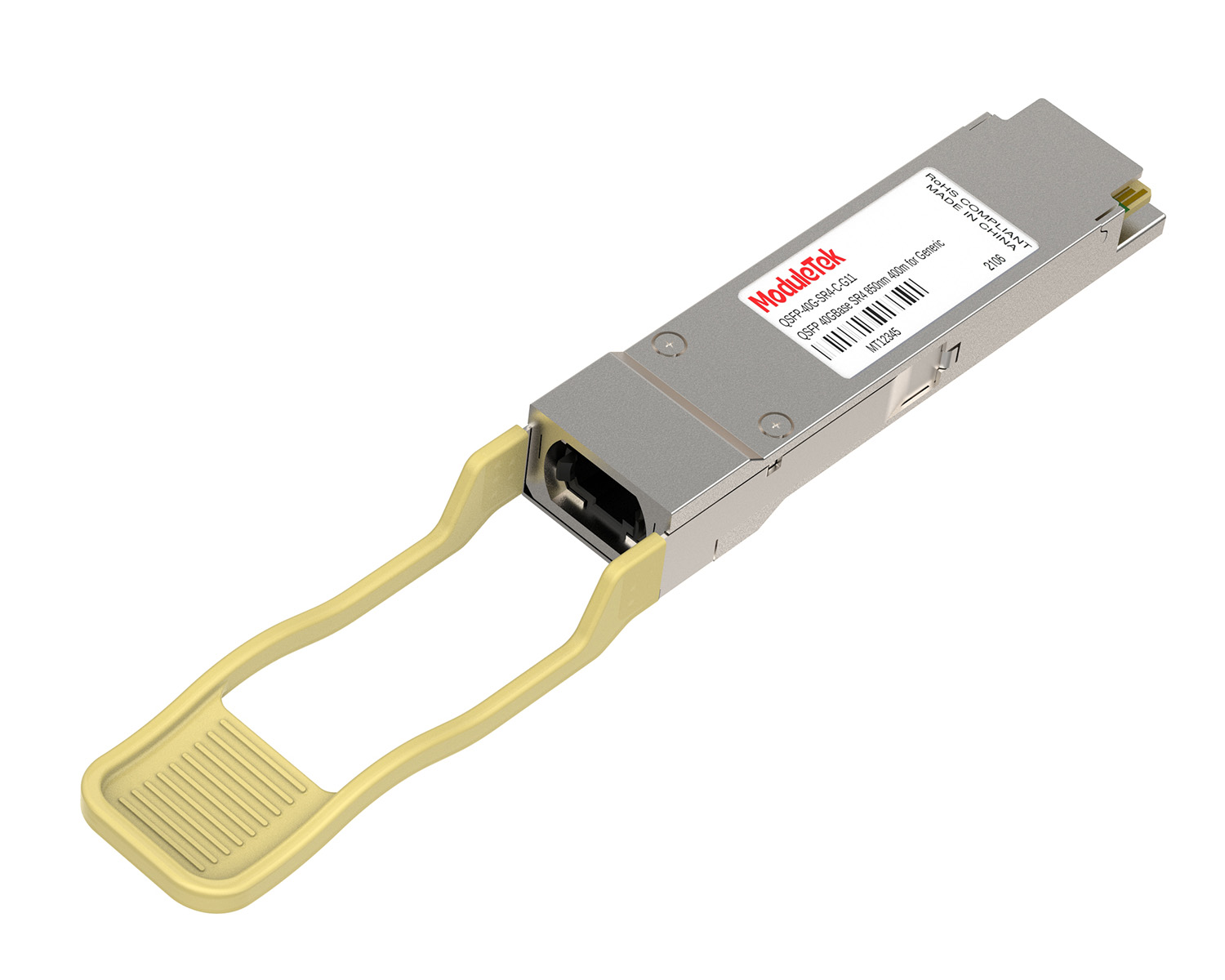
 40G/100G Optical Transceivers
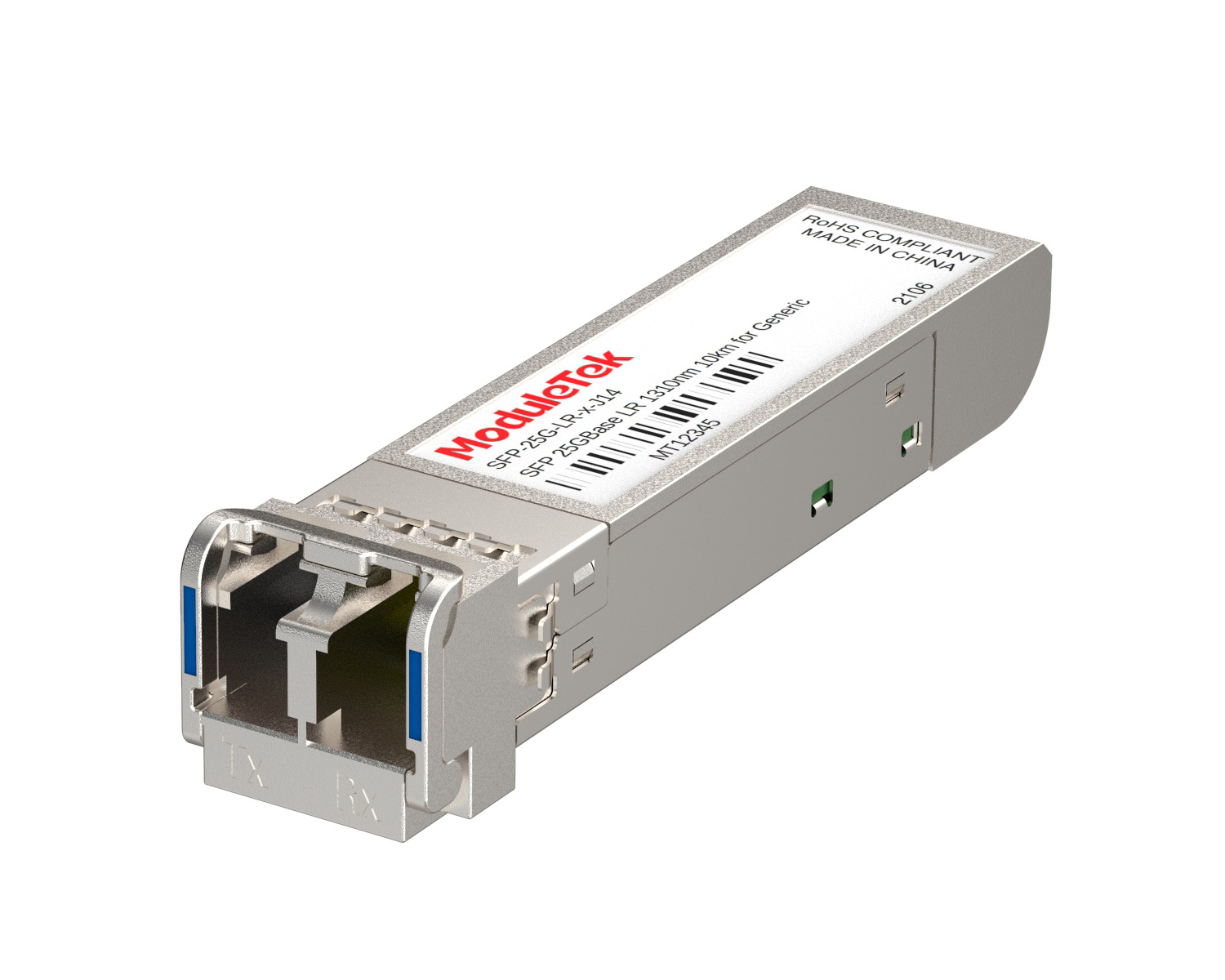 25G Optical Transceivers
 10G Optical Transceivers
 155M/2.5G Optical Transceivers
 1G Optical Transceivers
 1G BIDI Optical Transceivers
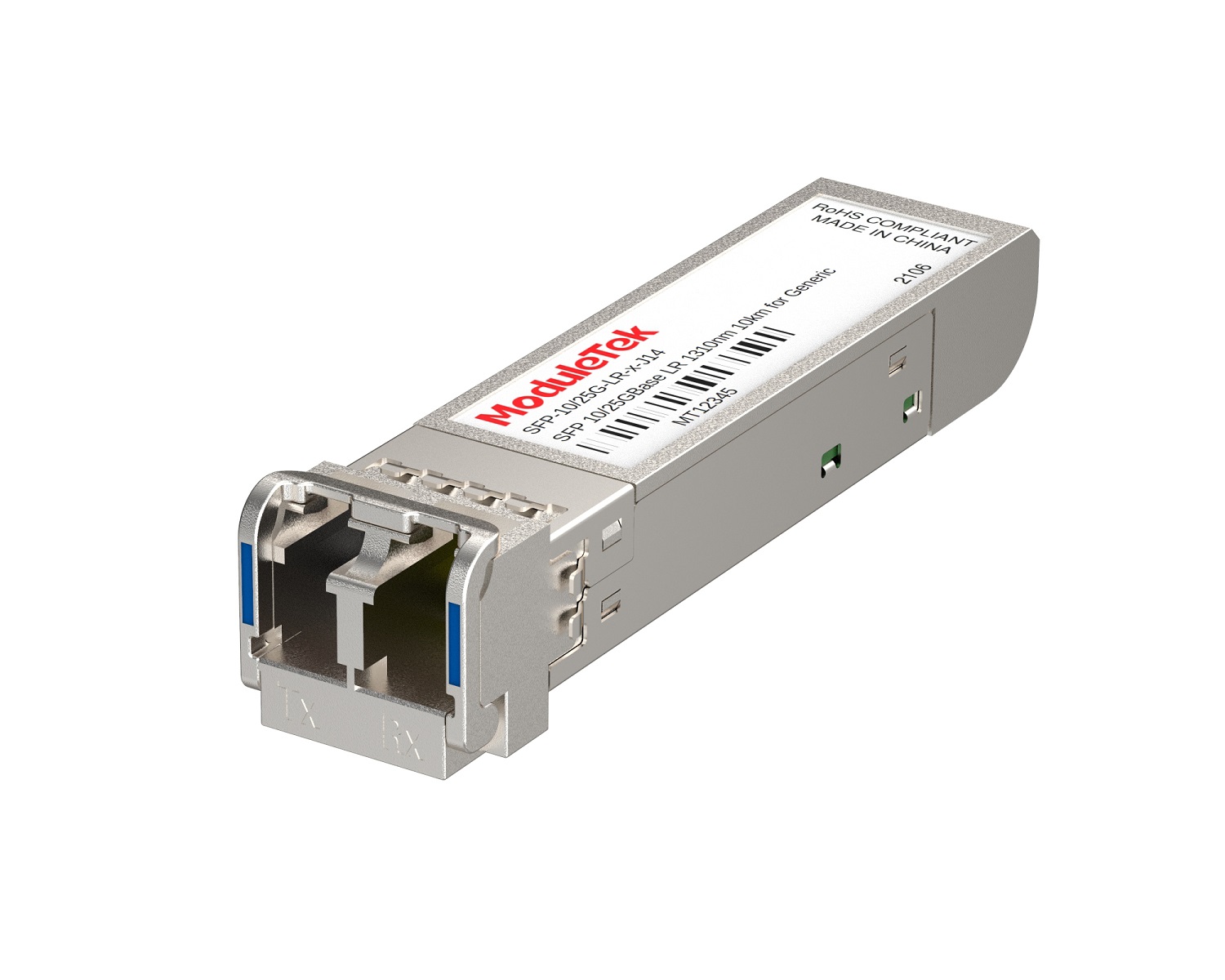 Dual-Rate Optical Transceivers
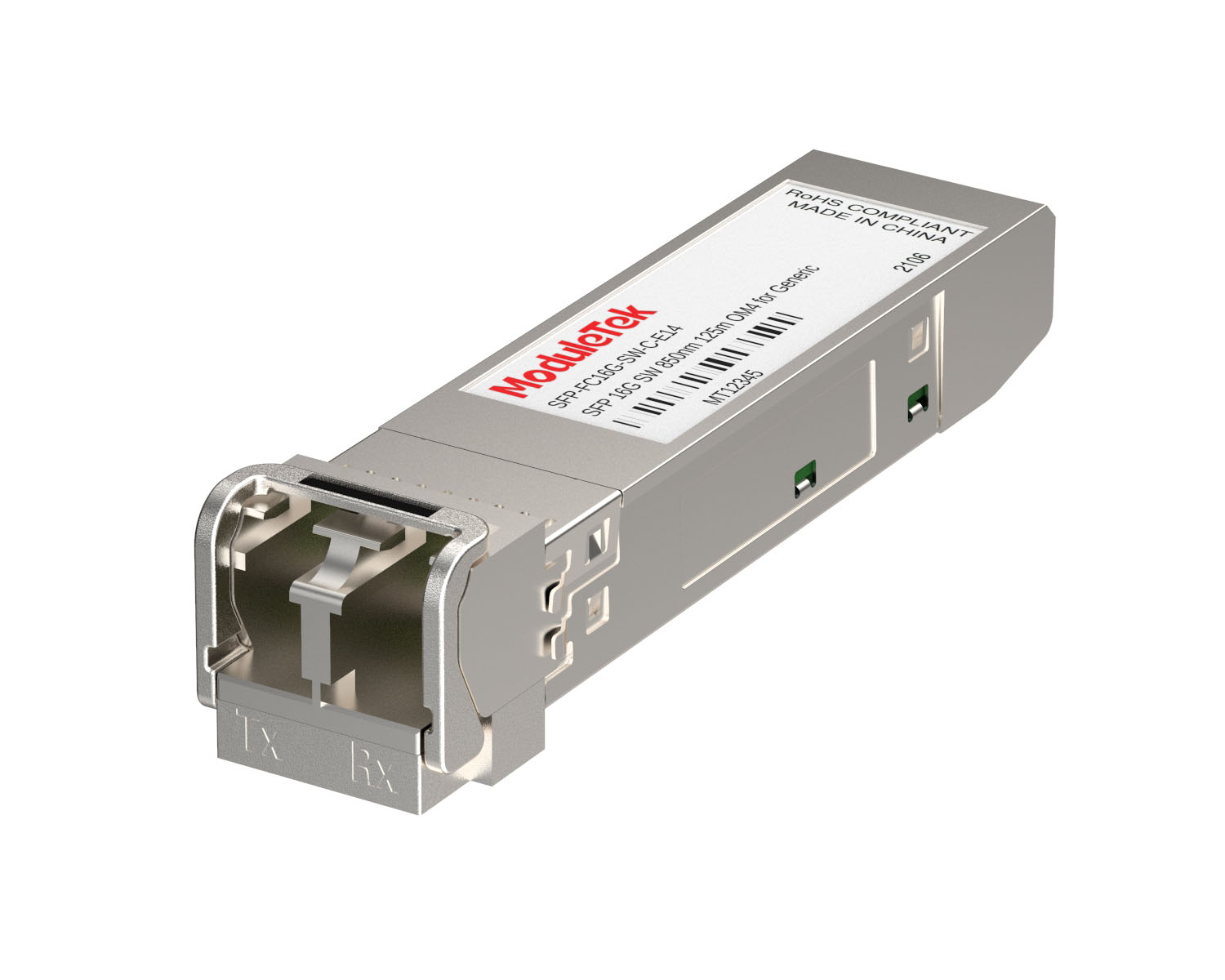 FC 16G/32G Optical Transceivers
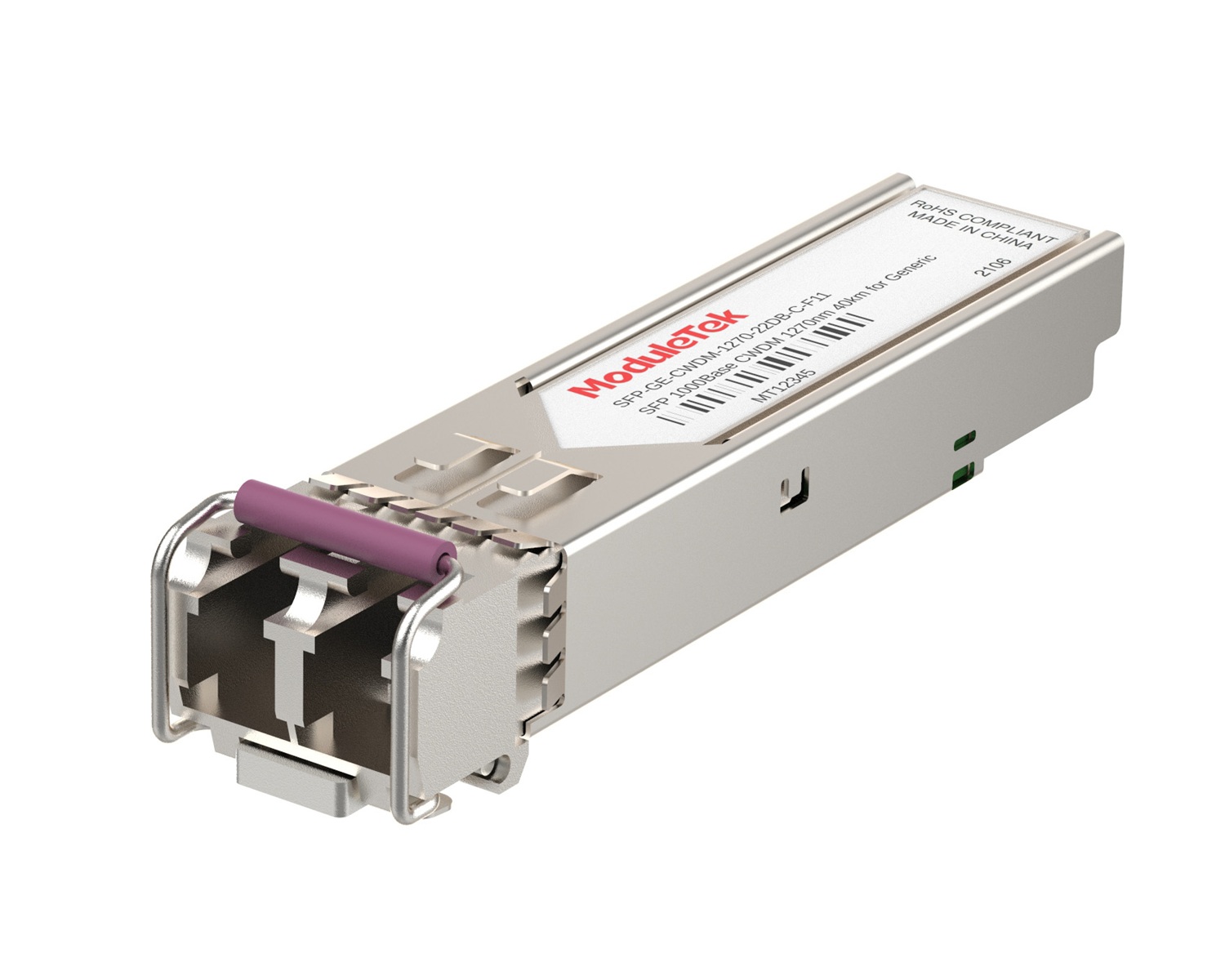 CWDM Optical Transceivers
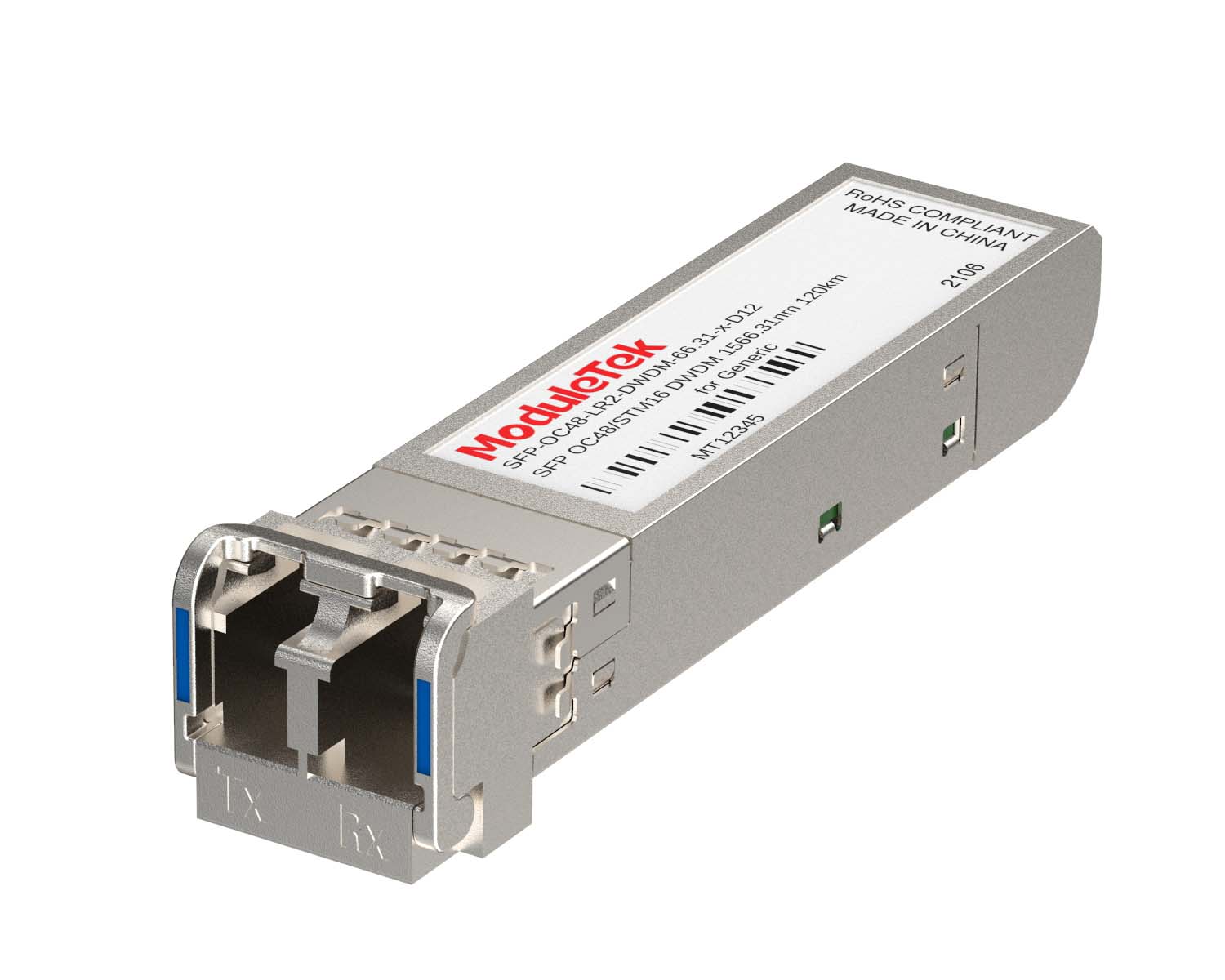 DWDM Optical Transceivers
 SGMII Port Optical Transceivers
 XFP Optical Transceivers
 100M/1G/10G Coppers
 Full-Rate AOC & Breakout Series
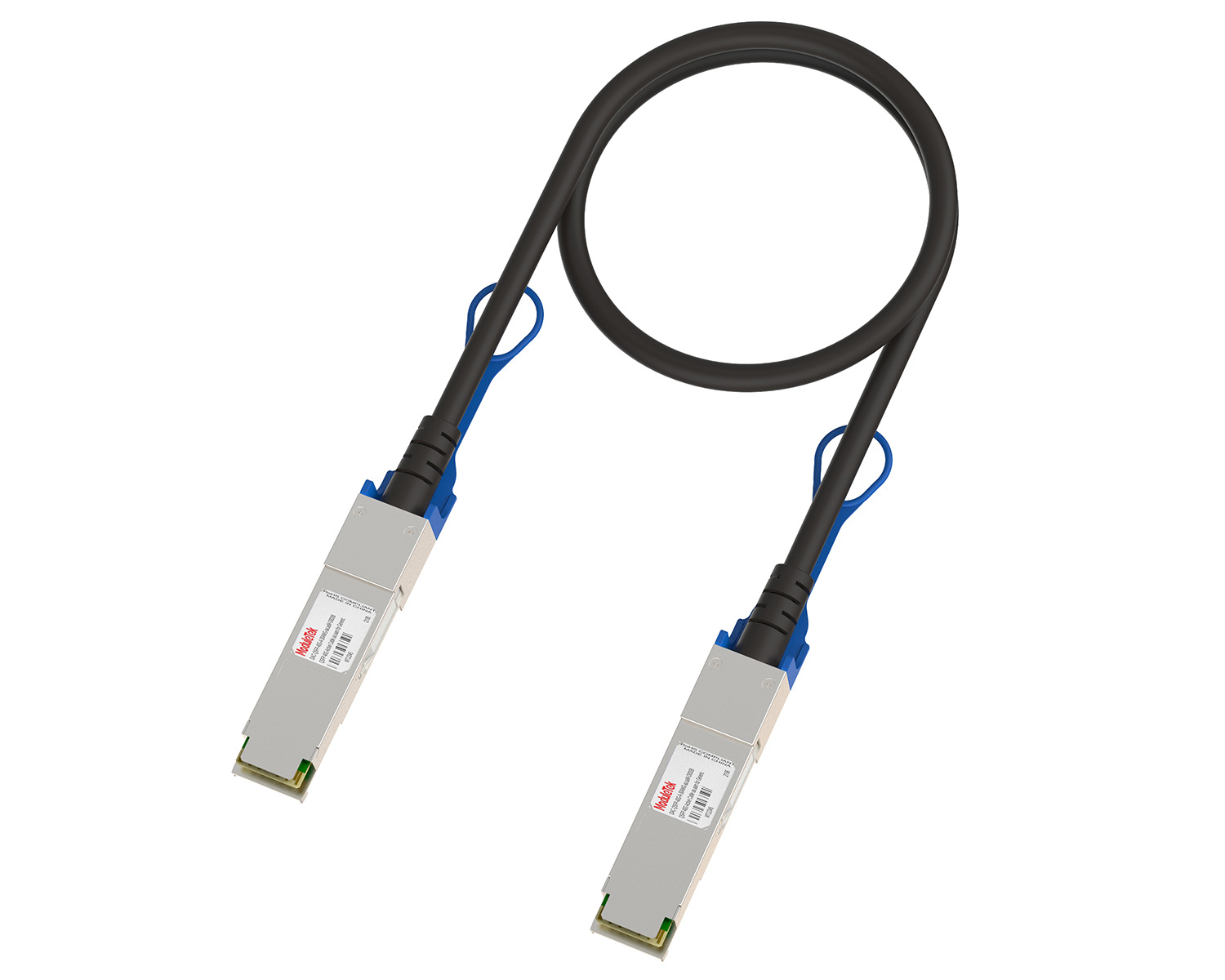 10G/40G Active DAC Series
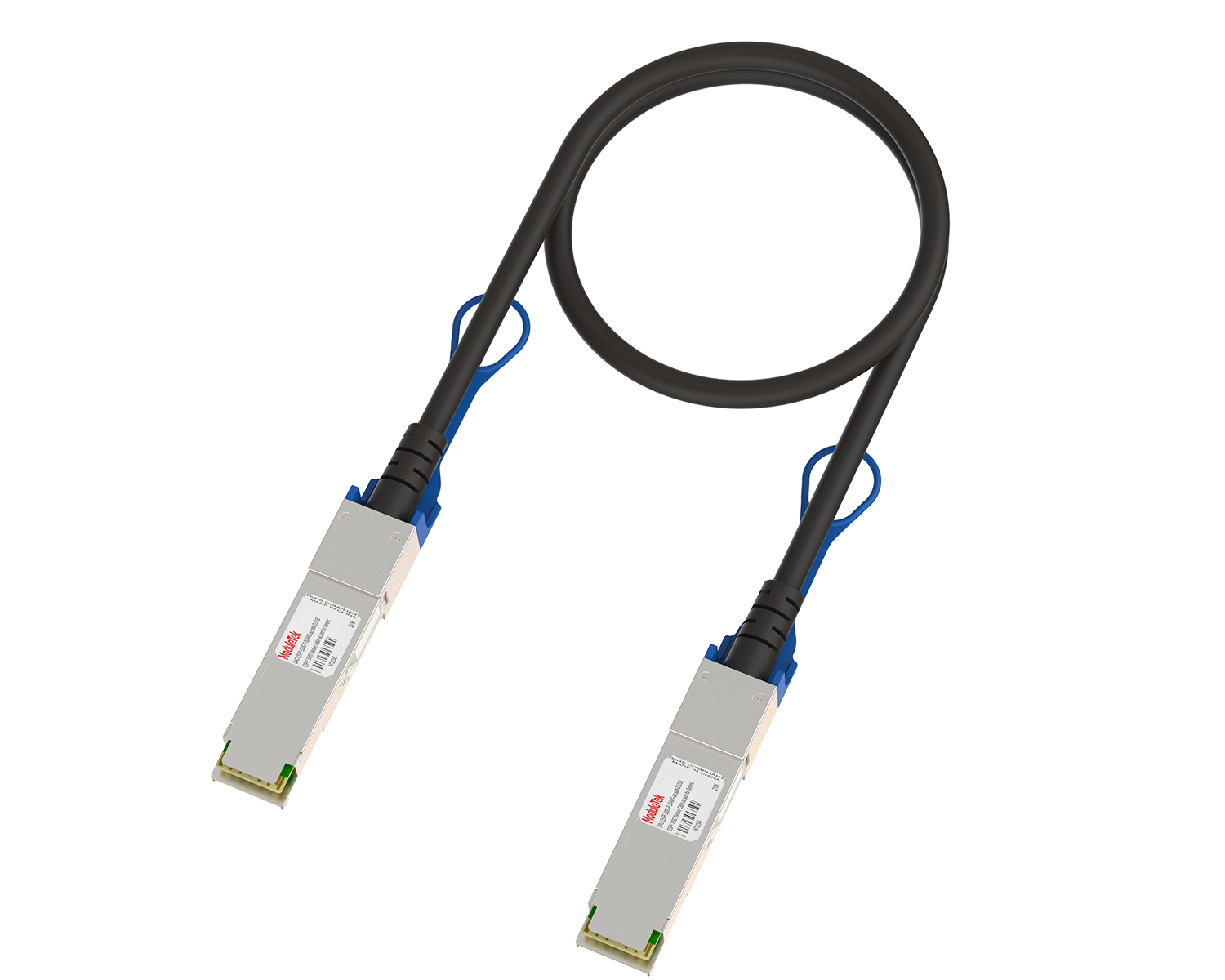 Full-Rate Passive DAC Series
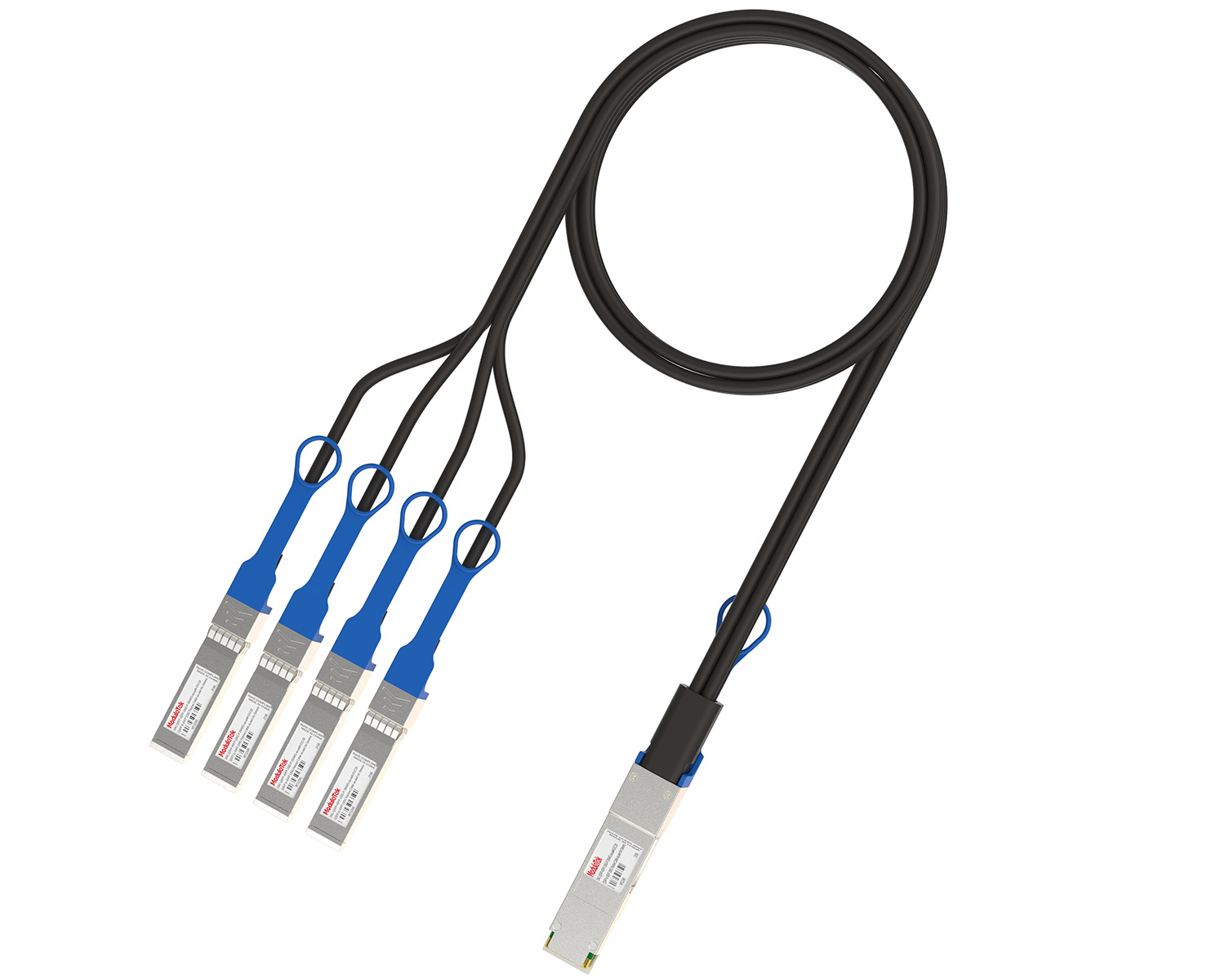 40G/100G Passive Breakout DAC Series
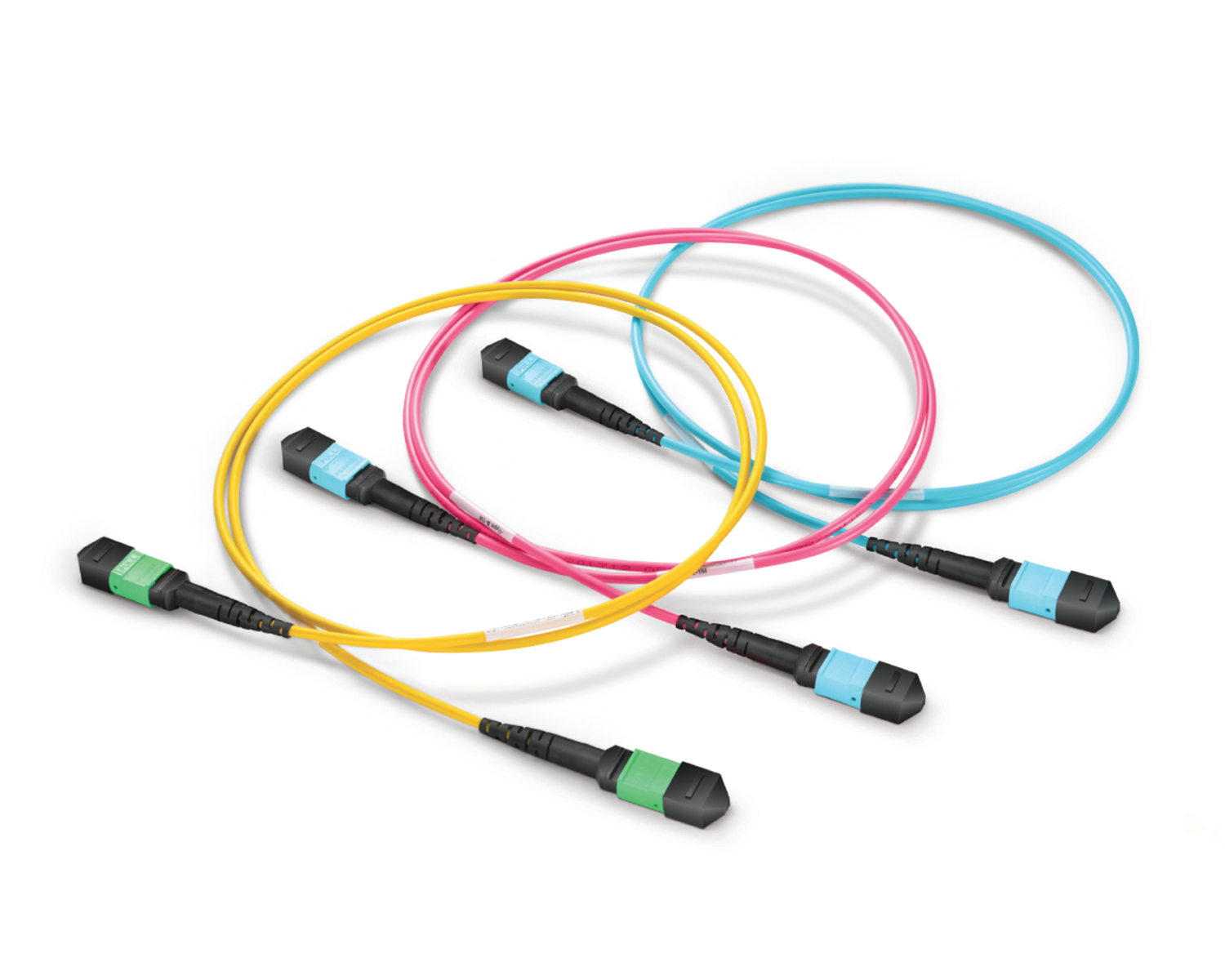 Regular/MTP-MPO Fiber Patch Cords
 MT2011
 MT2010
 CodingBox
 QSFP to SFP Adapter
Basic Interpretation Of Optical Active Components
Time: 2020-02-23
• Classification of Optical Components
Common optical active components in optical communications include: semiconductor light sources, semiconductor photodetectors, fiber lasers, optical amplifiers, optical modulators, etc.
Common optical passive components in optical communications include: fiber optic connectors, fiber optic couplers and splitters, wavelength division multiplexers (CWDM/DWDM), optical isolators, optical attenuators, etc.
• Overview of Optical Active Components in Optical Modules
In the field of optical module applications, the most common optical active components are semiconductor light sources and semiconductor photodetectors. They are usually packaged in the form of TO-CAN or BOX and integrated into optical modules, serving as the core components for electro-optical signal conversion.
1. Semiconductor Light Sources
The mainstream types of semiconductor light sources commonly used in optical modules are FP, DFB, and VCSEL.
FP: Fabry-Perot Laser. It features a multi-longitudinal mode spectrum and is typically used in short-to-medium-reach fiber optic links with transmission rates of 10Gbps or below. With mature manufacturing technology and favorable cost advantages, FP lasers are widely applied in low-speed products.
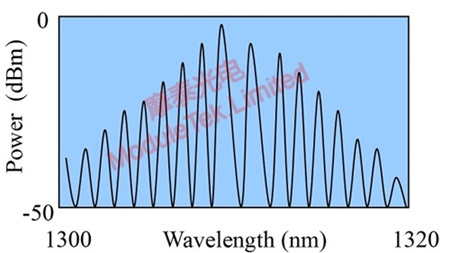
Figure 1 Typical Spectrum of FP Laser
DFB: Distributed Feedback Laser. It has a single-longitudinal mode spectrum and is widely used for high-speed, long-distance optical signal transmission. The key difference between DFB and FP lasers is the built-in Bragg Grating, which provides an extremely high Side Mode Suppression Ratio (SMSR) and excellent monochromaticity.
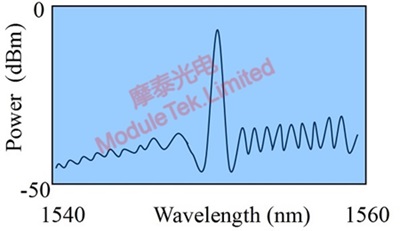
Figure 2 Typical Spectrum of DFB Laser
VCSEL: Vertical Cavity Surface Emitting Laser. Unlike FP and DFB lasers which are edge-emitting lasers, VCSELs are surface-emitting lasers. They feature simpler fabrication processes, lower costs, and reduced power consumption. VCSELs are extensively used in short-distance optical signal transmission and consumer electronics applications (e.g., 3D laser scanning, infrared sensing, facial recognition, HDMI video transmission, etc.).
2. Semiconductor Photodetectors
The two primary types of photodetectors commonly used in optical communications are PIN and APD.
PIN: Positive-Intrinsic-Negative photodiode is the most prevalent detector in optical communications. The P-I-N structure consists of a three-layer design: Positive layer, Intrinsic layer, and Negative layer. By adding an intrinsic layer between the P and N layers of a conventional PN photodiode, the response speed of the photodiode is greatly enhanced, enabling PIN photodiodes to be widely used in various high-frequency electro-optical signal conversion scenarios.
APD: Avalanche Photodiode. Compared with PIN photodiodes, APDs have a signal amplification function, allowing them to detect weaker optical signals with higher sensitivity. They are generally used in long-distance transmission systems. APDs require operation under high reverse bias voltage (typically several tens of volts), so a boost circuit is needed to supply power when they are integrated into optical modules.
Moduletek is dedicated to quality service every single day.
For further inquiries about the above content, please contact us at: sales@moduletek.com